

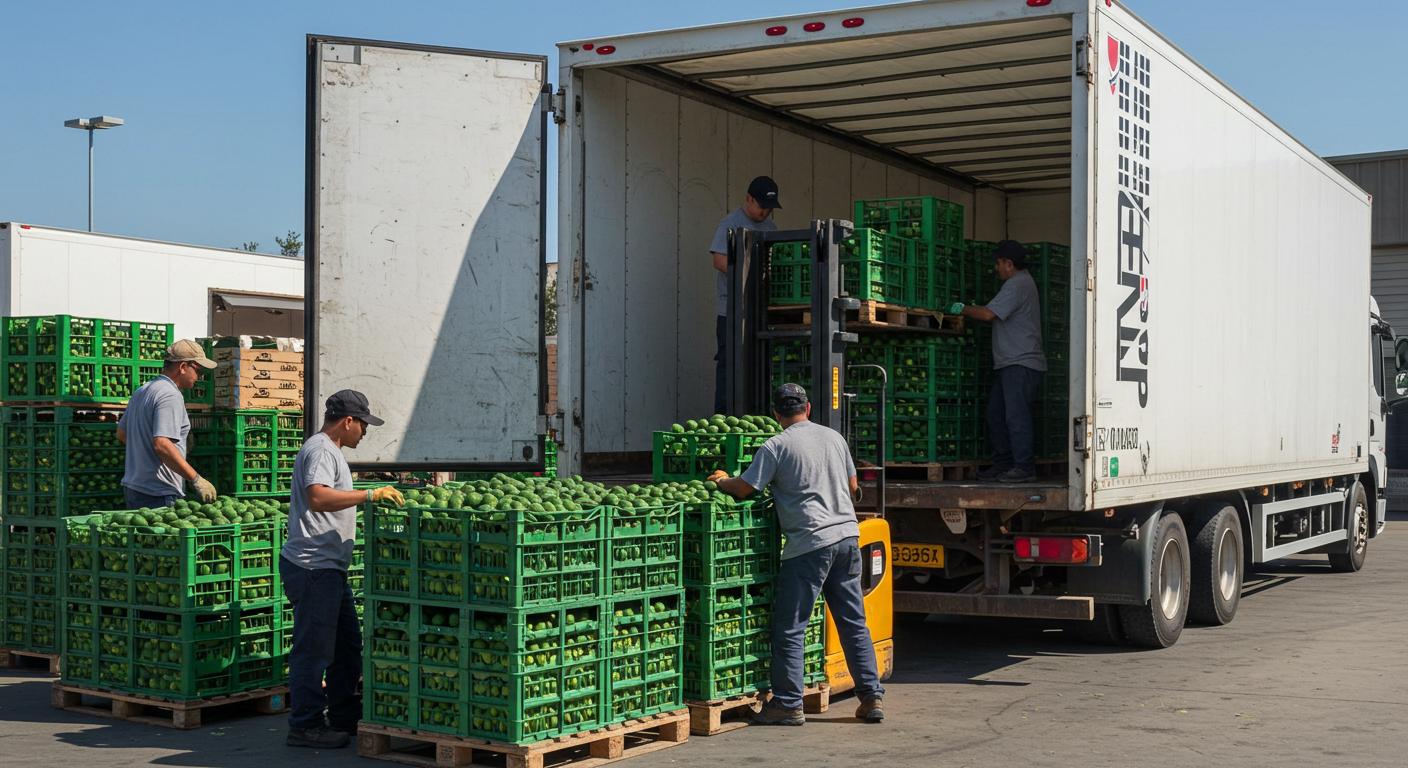
Moroccan Produce Exporters are entering a critical preparation window before the autumn export season to Europe. For tomatoes, citrus, berries, peppers, cucumbers and other fresh products, the challenge is no longer only growing quality food at competitive prices — it is proving compliance at every step: residue limits, origin labelling, cold-chain control, traceability, packaging, documentation and buyer standards.
Why September Is The Compliance Window

September sits at the edge of the export calendar, when operators prepare for heavier autumn and winter flows into Europe. Contracts are reviewed, packhouses prepare, cold-chain capacity is tested, residue monitoring plans are checked and buyer specifications are updated. One of the biggest issues is pesticide residues. European rules set maximum residue limits (MRLs) for food products, and buyers — especially supermarkets in Germany, the Netherlands, Austria and Scandinavia — can impose standards stricter than the legal minimum. A single residue problem can trigger buyer concern, create extra testing, hurt reputation and affect future orders. Residue control begins on the farm, long before the product reaches the truck.
Cold Chain Decides Freshness
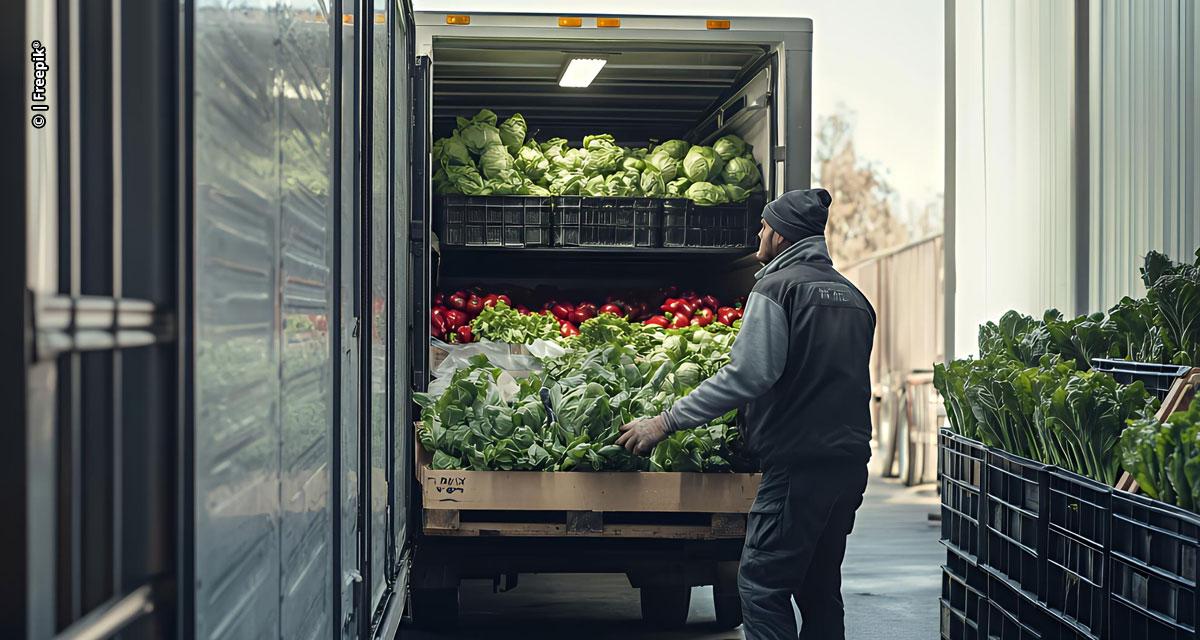
Fresh produce can be destroyed by poor temperature control. A product may leave the farm in good condition but arrive weak if the cold chain fails. Berries, tomatoes, leafy products and other sensitive items need careful handling across cooling, storage, loading, transport and delivery timing. European buyers judge consistency: if quality varies too much, they may switch supplier. Cold chain is therefore not only logistics — it is reputation management. Traceability is equally non-negotiable: buyers want to know where the product came from, when it was harvested, how it was treated, where it was packed and how it moved through the chain. A strong traceability system creates trust. A weak one creates risk.
Packhouses Become Compliance Centres
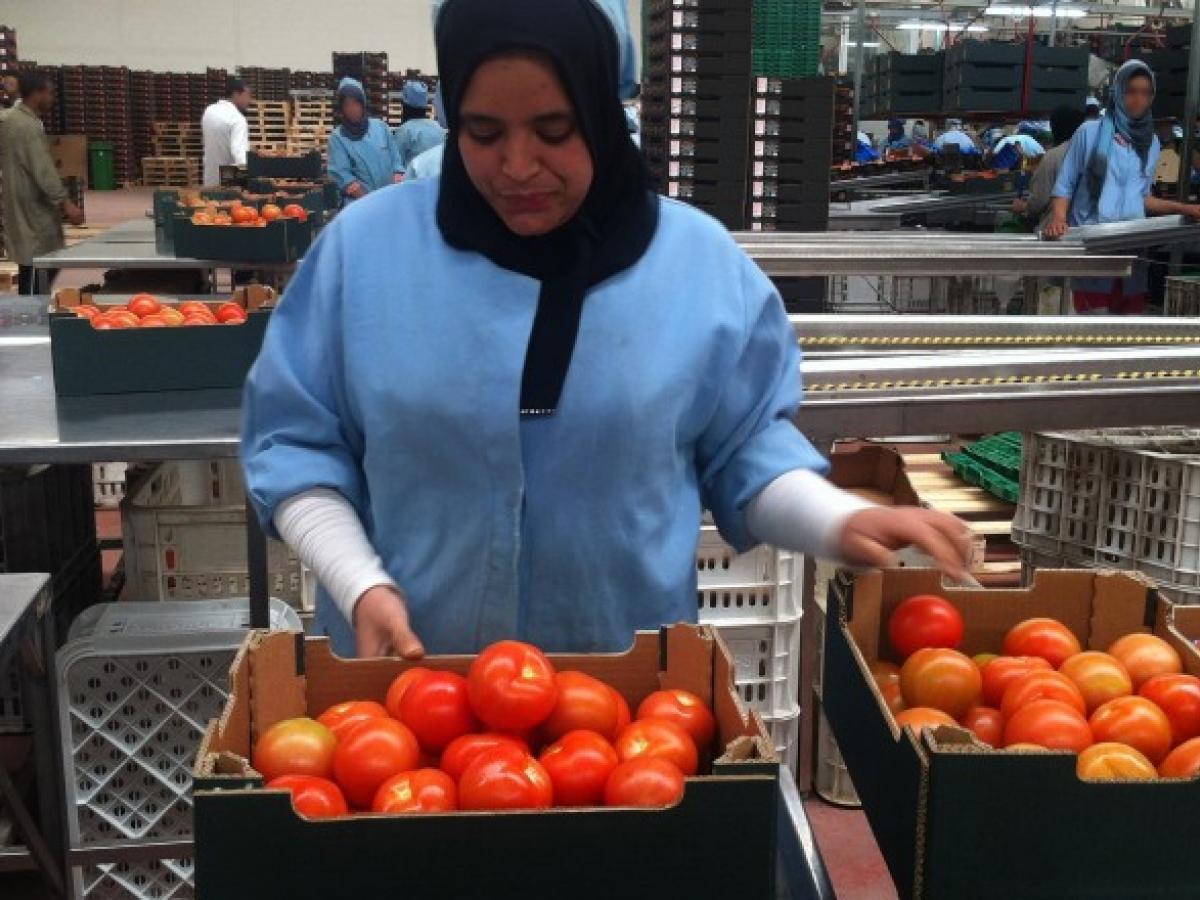
The packhouse is now one of the most important places in the export chain. It is where products are sorted, graded, labelled, packed, cooled and prepared for shipment — and where compliance becomes visible. Are the labels correct? Are batch numbers clear? Are export records complete? Are buyer specifications followed? Are rejected products separated? A professional packhouse can protect an exporter. A weak one can create problems across the whole chain. Documentation matters equally: one missing certificate, invoice or origin paper can delay a shipment, and in fresh produce, delay means lost freshness and lost value. Origin labelling has also become more sensitive in EU-Morocco agricultural trade, making label precision essential.
Morocco’s Export Opportunity Remains Strong
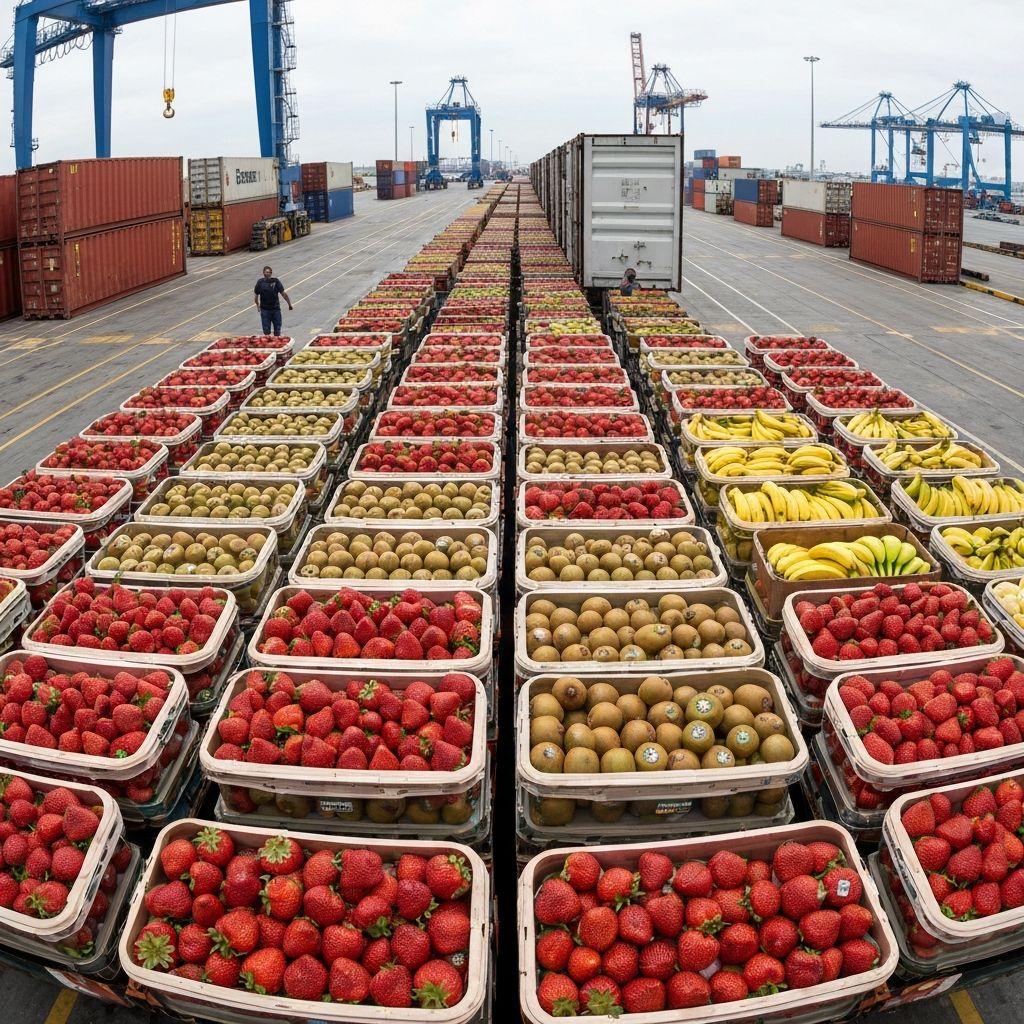
The compliance pressure does not mean Morocco is weak. It means the market is serious. North Africa Post reported that EU imports of Moroccan agro-food products reached about 800 million euros in January-February 2026, helping Morocco widen its agricultural trade surplus with the EU during that period. Morocco has strong advantages: climate, proximity, experience, competitive logistics, growing investment and a long relationship with European buyers. The message for exporters is simple: do not wait for the first shipment to discover a compliance problem. Check the chain now — residue records, buyer specifications, cold-chain performance, labels, traceability and certificates — before the season tests it.