
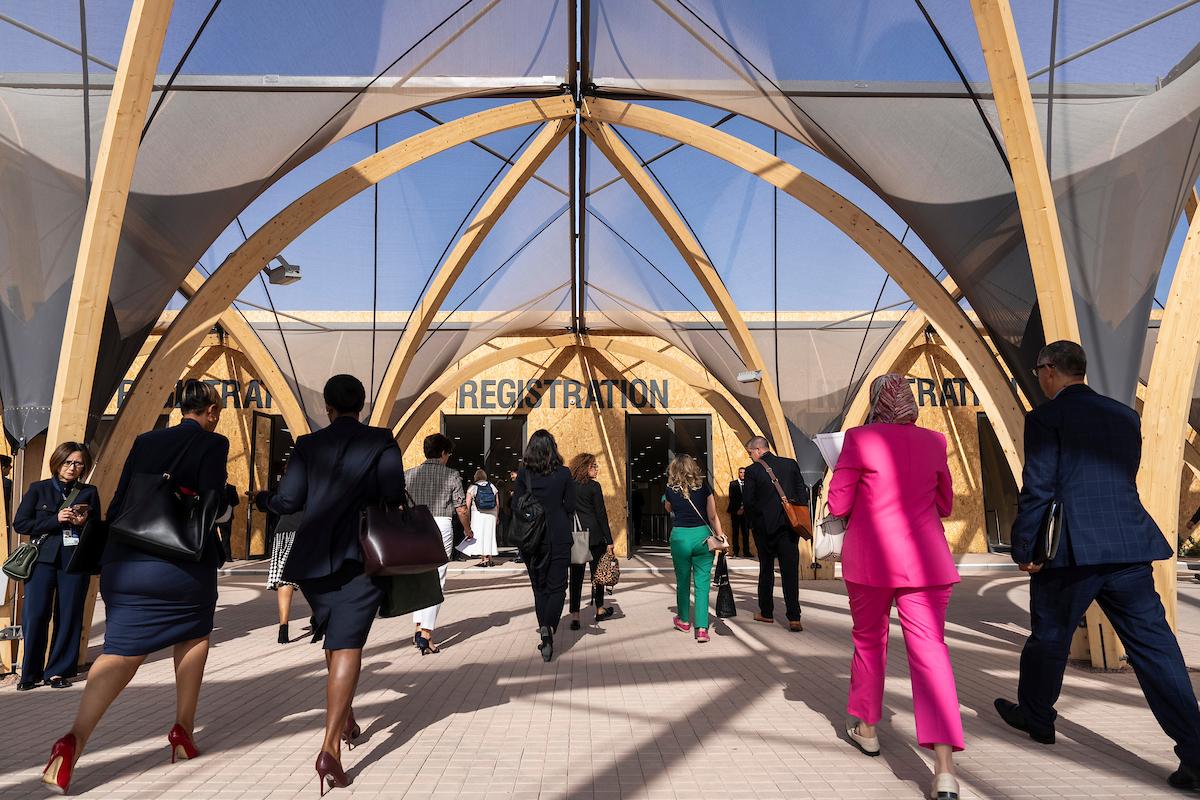
Morocco does not only want holidaymakers. It wants dealmakers too.
The Kingdom is aiming for 2.3 million business and conference tourists by 2030, turning meetings, exhibitions, corporate trips and major events into a new tourism race before the World Cup arrives. This is not beach tourism. This is business tourism. And Morocco wants a bigger slice of it.
Morocco Wants The Suitcase With A Laptop
For years, Morocco’s tourism image has been built around clear attractions. Marrakech. Desert trips. Riads. Beaches. Food. Culture. Family holidays. But business tourism is different. These visitors do not only arrive with cameras. They arrive with laptops, conference badges, company budgets, hotel bookings and dinner reservations. They may stay fewer days than leisure tourists. But they can spend more. That is why Morocco is now pushing harder into the MICE segment: meetings, incentives, conferences and exhibitions.
The 2.3 Million Target Is Big
The number is ambitious. 2.3 million business and conference tourists by 2030. That is not a small side market. It means Morocco wants to become a serious meeting point for companies, institutions, associations, investors and international event organisers. The country already has the ingredients. Air links. Hotels. Conference centres. Major cities. A strong location between Europe, Africa and the Arab world. Now the challenge is turning those ingredients into a reliable business-travel machine.
Marrakech Is Still The Star
When people think about Moroccan business events, Marrakech often comes first. The city knows how to host. It has major hotels, luxury resorts, event spaces, restaurants, golf courses, nightlife and global recognition. For companies planning incentive trips or executive retreats, Marrakech is an easy sell. It feels exotic. It feels premium. It feels close enough to Europe. That combination is powerful. A company in Paris, Madrid, London or Brussels can send teams to Marrakech without making the trip feel too complicated.
Casablanca Wants The Corporate Crown
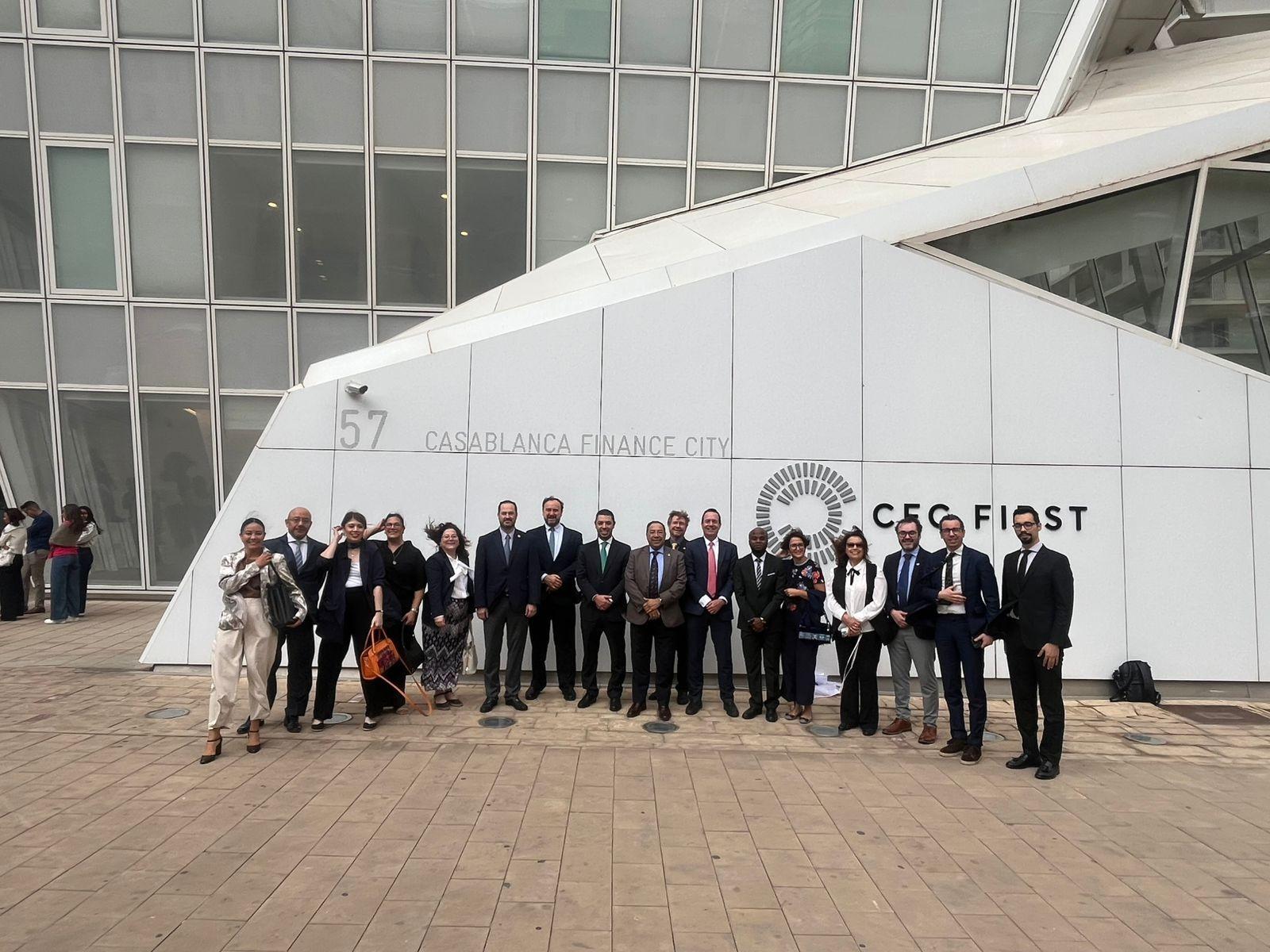
But Casablanca has a different role. It is not only a tourist city. It is Morocco’s business engine. Banks. Head offices. Finance. Real estate. Startups. Consultants. Air connections. For pure corporate travel, Casablanca may be even more important than Marrakech. It is where many deals happen. It is where meetings feel natural. It is where business travellers can land, meet, dine and leave without needing a full holiday package. If Morocco wants 2.3 million business tourists, Casablanca must be central.
Rabat Adds The Institutional Angle
Rabat brings another piece of the puzzle. Government. Embassies. International institutions. Policy events. Development meetings. Diplomatic visits. For conferences linked to governance, Africa, energy, education, security or regional cooperation, Rabat has a strong position. It is calmer than Casablanca. More official than Marrakech. More institutional than Agadir. That gives Morocco a useful mix. One country. Different business-travel personalities.
Agadir Can Sell Work And Sun
Then comes Agadir. For corporate retreats, incentive trips and business events with a leisure edge, Agadir has something many cities want. Sun. Beach. Hotels. Space. A relaxed atmosphere. Not every conference needs a big-city feel. Some companies want a softer destination where meetings can mix with ocean views, team dinners and free time. That is where Agadir can grow. Business tourism is not always boardrooms and ties. Sometimes it is strategy sessions by the sea.
Why Business Tourists Matter More Than They Look
Business tourists can be valuable because their spending is concentrated. They need hotels. They need transport. They need restaurants. They need meeting rooms. They need translation, event staff, printing, security, technical equipment, catering and local experiences. One conference can fill rooms, move taxis, book restaurants and activate dozens of suppliers. That means the money spreads. It does not only stay inside one hotel. It moves through the city.
The World Cup Is The Big Deadline
The target year is not random. 2030 matters. Morocco will co-host the FIFA World Cup with Spain and Portugal, and the country is using that deadline to upgrade its image, infrastructure and tourism capacity. But the World Cup is not only about football fans. It is also about business. Sponsors. Media. Executives. Hospitality groups. Travel companies. Security teams. Event organisers. Government delegations. If Morocco handles that well, it can use 2030 as a global showroom for business tourism.
Airports Become Part Of The Deal
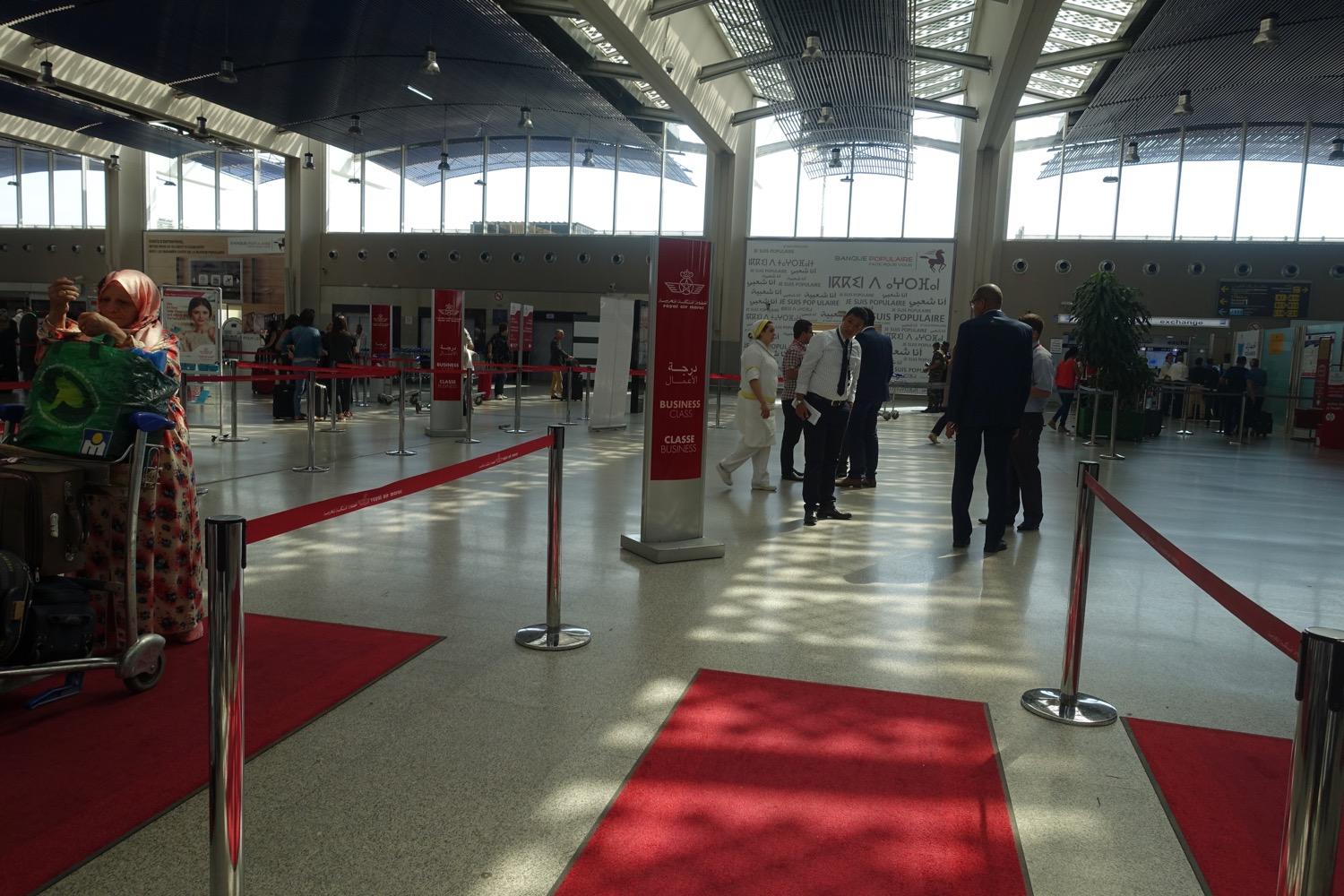
Business travellers care about time. They do not want complicated journeys. They want direct flights, smooth arrivals, fast transfers and reliable connections. That is why air capacity matters so much. Reuters has reported that Morocco plans to expand airport capacity ahead of 2030, including major increases in cities such as Casablanca, Marrakech and Agadir. For business tourism, that is not a technical detail. It is the foundation. No flights, no events.
Hotels Must Match The Promise
Morocco has strong hotel brands and luxury properties. But business tourism needs consistency. Meeting rooms must work. Wi-Fi must be strong. Service must be predictable. Airport transfers must be reliable. Food must arrive on time. Staff must understand corporate expectations. A tourist may forgive a small delay. A conference organiser may not. That is the difference. Business travel is less romantic. It is more demanding.
The Opportunity For Smaller Suppliers
The big hotels will benefit first. But smaller Moroccan suppliers can also win. Event agencies. Caterers. Photographers. Drivers. Translators. Guides. Designers. AV technicians. Local experience providers. A strong MICE market creates work around the event, not only inside the venue. That is why this target could matter for small businesses too. The conference guest may arrive for one meeting. But the money chain is much wider.
Morocco Must Avoid The Nice But Not Easy Problem
Morocco has charm. That is not the issue. The risk is execution. Business travellers need clarity. Clear pricing. Clear transport. Clear schedules. Clear booking systems. Clear service standards. If the experience feels beautiful but messy, organisers may hesitate to return. That is the challenge now. Morocco must make business travel feel not only exciting, but easy.
A New Kind Of Tourist Is Coming
The business tourist is different from the holiday tourist. They may not post desert photos. They may not spend long days in the medina. They may not stay for two weeks. But they can come back often. They can bring teams. They can open doors for investment. They can turn one conference into future trade. That is why Morocco’s bet on business tourism matters. It is not only about hotel nights. It is about positioning.
The Bottom Line
Morocco wants 2.3 million business and conference tourists by 2030, and that target could change how the country sells itself to the world. The Kingdom is already a powerful leisure destination, but now it wants to become a serious hub for meetings, conferences, exhibitions, corporate travel and international events. Marrakech brings glamour. Casablanca brings business. Rabat brings institutions. Agadir brings sun and retreat energy. If Morocco can combine those strengths with better airports, reliable service and strong event infrastructure, business tourism could become one of the country’s most valuable travel bets before 2030.