

New York is entering its Final Week City Takeover, and the World Cup is no longer only a football event. It has become a reservation war.
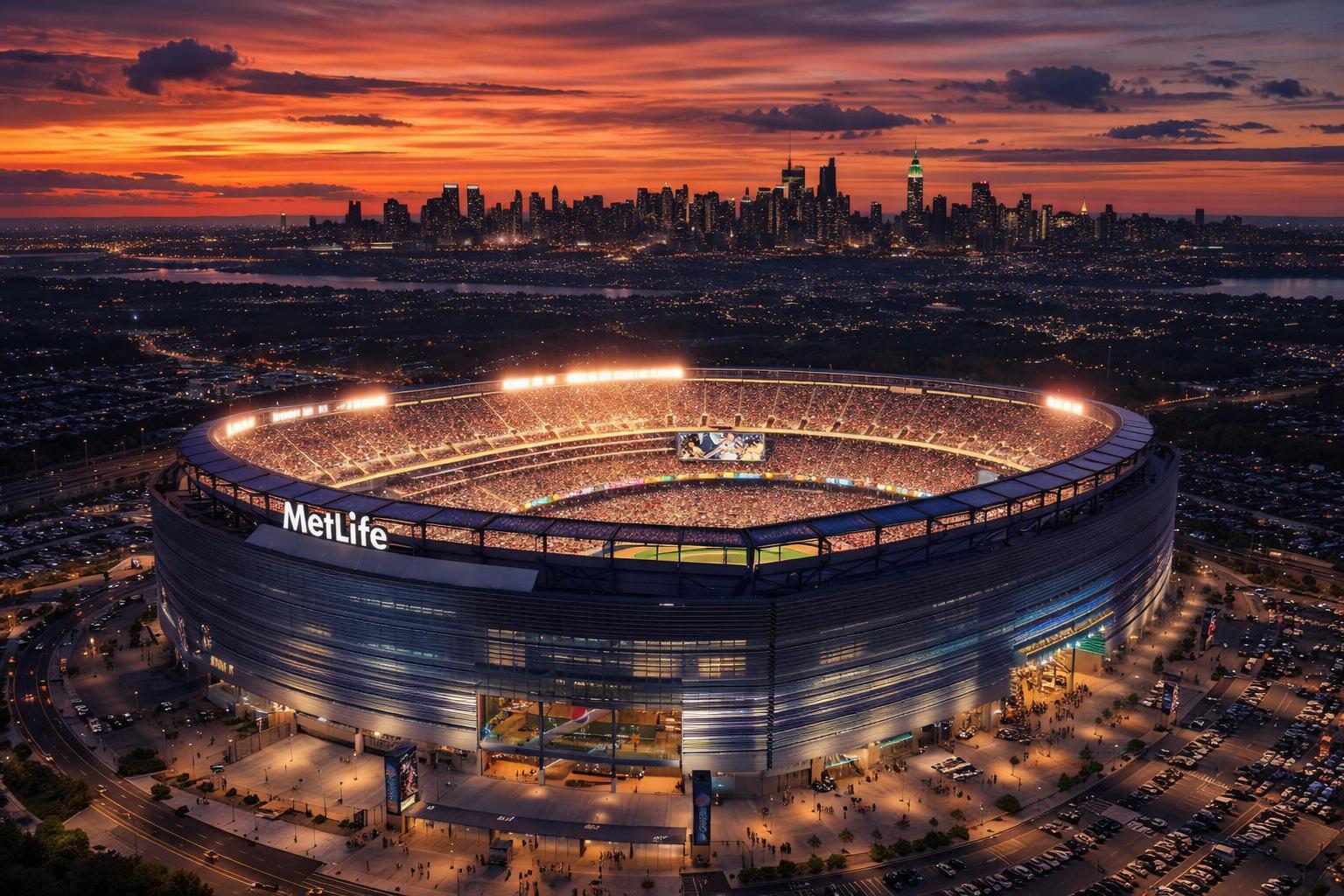
The final will be played across the Hudson at MetLife Stadium in East Rutherford, New Jersey, but the real takeover is happening across the wider New York ecosystem: hotels, restaurants, private clubs, brand events, car services, fan zones, viewing parties and invite-only rooms where access can matter almost as much as the match ticket.
This is what happens when the world’s biggest sporting event reaches one of the world’s most powerful cities.
The game lasts 90 minutes.
The city takeover lasts all week.
Final Week City Takeover Becomes A Status Event
The Final Week City Takeover matters because the final is not only attracting football fans.
It is attracting celebrities, executives, sponsors, athletes, influencers, luxury travellers, media companies and brand teams who understand that a World Cup final in New York is more than a match. It is a global networking platform.
Page Six reported that demand around the final has become intense enough to make tickets difficult even for A-list names, while hotels, restaurants and private clubs are facing pressure from the arrival of global sports, entertainment and brand elites.
That is the key shift.
The World Cup final is becoming a citywide access economy.
People are not only trying to get into the stadium. They are trying to get into the right dinner, the right rooftop, the right brand party and the right private room before and after it.
New York Is Built For The Moment
Some cities host events.
New York absorbs them and turns them into industry.
The city has the hotels, restaurants, nightlife, media, luxury retail, private clubs, transport networks and celebrity infrastructure to convert a football final into a full commercial week. That is why the final does not feel isolated inside MetLife Stadium.
It spills into Manhattan.
It spills into Brooklyn.
It spills into Jersey City and Hoboken.
It spills into airports, lounges, rooftops and corporate hospitality suites.
For visitors, this can feel thrilling. For residents and operators, it can feel like pressure. A normal high-demand weekend is one thing. A World Cup final weekend with global sponsors, celebrities and football fans layered on top is another.
The Stadium Is In New Jersey, But The Market Is New York
MetLife Stadium is physically in East Rutherford, but the economic centre of gravity is New York.
That matters because the final creates two different travel experiences. Some visitors will prioritise access to the stadium and stay closer to New Jersey. Others will pay more to stay in Manhattan because they want the full New York event week: dinners, shopping, parties, meetings, media appearances and late-night hospitality.
Reuters captured this contrast before the tournament, describing the New Jersey World Cup experience as a mix of motels, marshland and luxury rates, including expensive parking and sharply priced rooms near the stadium.
That contrast is part of the story.
The final is being sold as New York glamour, but it depends on New Jersey logistics.
Tickets Are Only The First Gate
For ordinary fans, the first battle is the match ticket.
But for the global elite arriving this week, the ticket is only one gate in a larger access system. The real competition includes hospitality boxes, sponsor events, celebrity dinners, afterparties, hotel suites, private transport and restaurant tables.
That is why the week feels more like the Super Bowl, fashion week and a global finance conference mixed together.
The World Cup final has become a platform where brands want visibility, executives want proximity, celebrities want presence and media companies want content. Football provides the emotional centre, but the surrounding business is much wider.
A fan wants a seat.
A brand wants a moment.
Hotels Become Part Of The Tournament
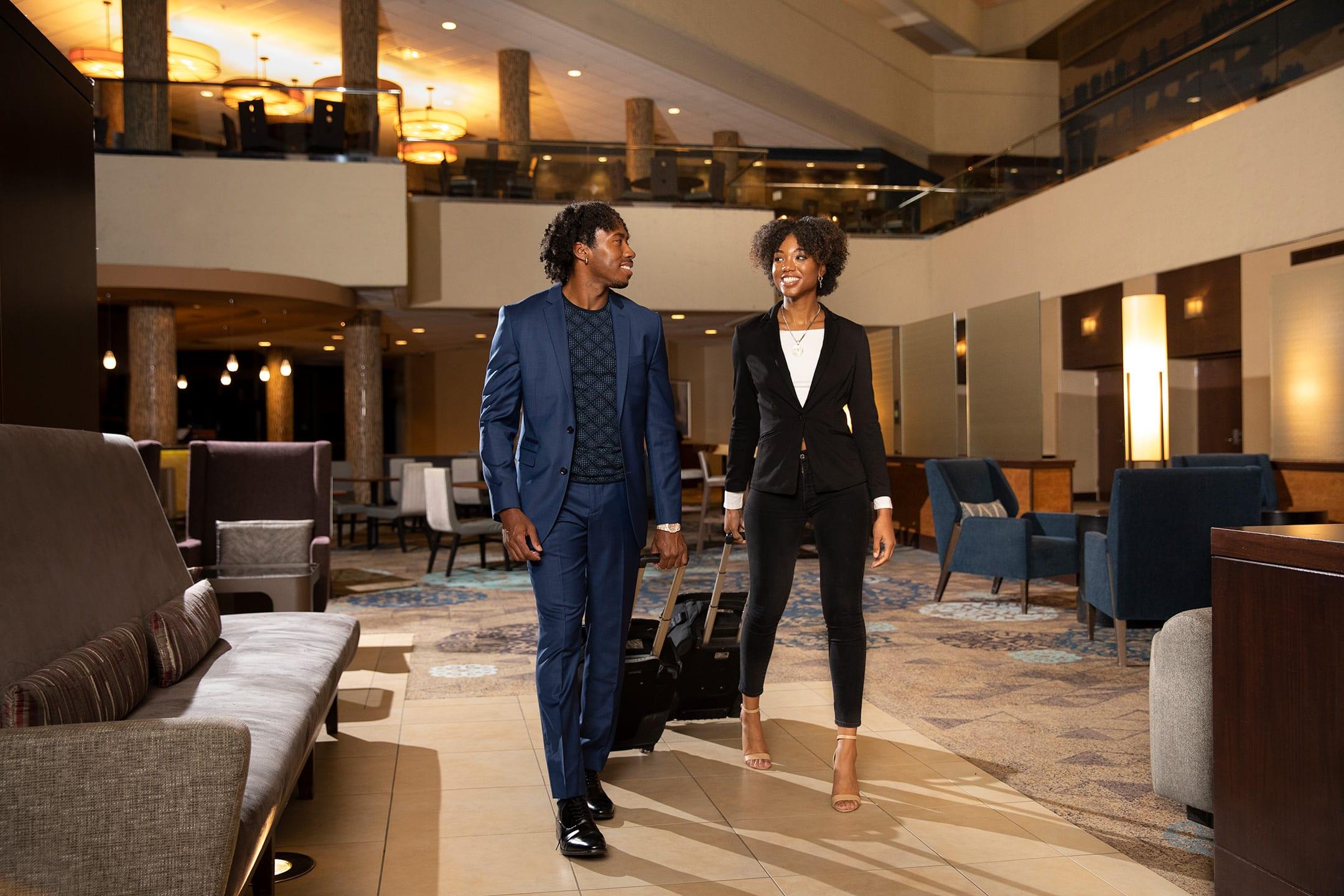
Hotels are not just places to sleep during final week.
They become headquarters.
Teams, sponsors, agents, broadcasters, celebrities and wealthy travellers all need spaces that can handle privacy, security, food, meetings, recovery and movement. A hotel lobby can become a networking zone. A rooftop can become a brand stage. A suite can become a private office.
This is why room demand around major finals can become distorted.
The price of a bed is no longer based only on comfort. It is based on proximity to the event economy.
During a normal week, a hotel room sells rest.
During final week, it sells access.
Restaurants Face The Hardest Table Test
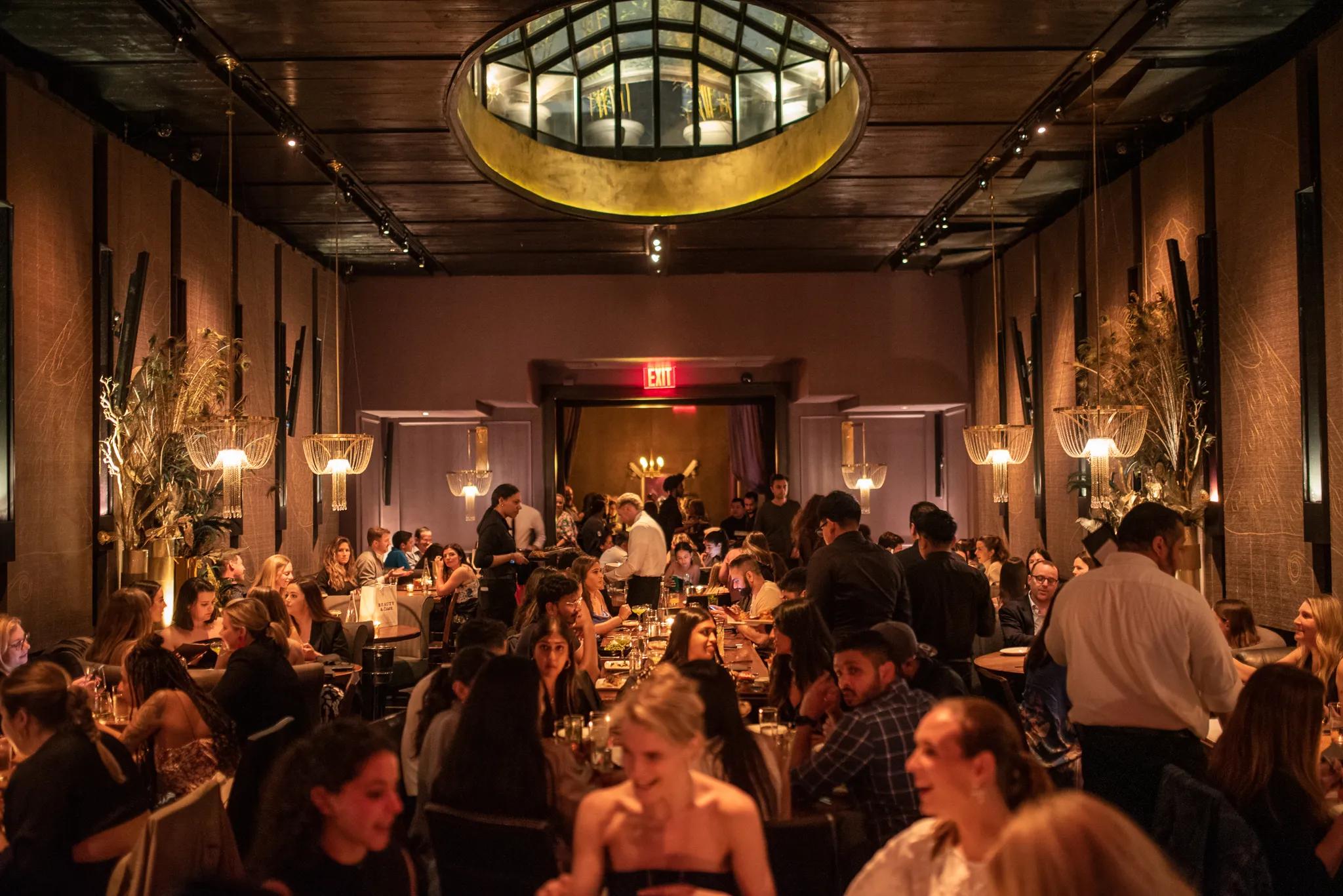
New York already has one of the most competitive restaurant markets in the world.
A World Cup final makes the table problem worse.
High-end visitors want private dining, late reservations, brand dinners, team-linked gatherings and secure rooms where business can happen without the chaos of public attention. At the same time, ordinary fans want atmosphere, screens, food and celebration.
That creates pressure across the market.
The best tables become harder to get.
Private dining becomes more valuable.
Walk-ins become less realistic.
Restaurants near luxury hotels and media districts become part of the event infrastructure.
In a city like New York, the final does not only sell tickets. It sells every chair around the tournament.
Closing Ceremony Turns The Match Into Entertainment
The final will not begin only with football.
AP reports that Tom Cruise and IShowSpeed are part of the closing ceremony cast, alongside musical names including Laura Pausini, Nicole Scherzinger, Robbie Williams and Jennifer Hudson, who will perform the U.S. national anthem. The ceremony is scheduled 90 minutes before the match at MetLife Stadium.
That lineup matters because it shows what FIFA wants the final to become.
Not only a football conclusion.
A global entertainment broadcast.
The ceremony adds celebrity, music, creator culture and American show-business energy to the final. It turns the match into a media product designed for fans who may not follow every tactical detail but understand spectacle.
IShowSpeed Shows The New Media Layer
The inclusion of IShowSpeed is especially important.
He represents a different kind of sports media power. Not a traditional broadcaster. Not a former player. Not a Hollywood actor. A creator whose audience experiences football through livestreams, clips, reactions and personality-driven content.
That is where global sport is moving.
A World Cup final now needs television, but it also needs the creator economy. Younger audiences do not only watch the match. They watch people watching the match. They consume reactions, memes, fan edits, live streams and short-form commentary.
New York’s final week is therefore not only a stadium event.
It is a content factory.
The Fan Experience Could Be Split In Two
There is a risk that the final week becomes divided.
One experience belongs to wealthy travellers, sponsors, celebrities and private-club guests.
Another belongs to ordinary fans navigating ticket prices, transport, crowded bars, fan zones and expensive accommodation.
That split is not new in global sport, but New York makes it more visible because the city already runs on access, price and exclusivity.
The World Cup is supposed to belong to the world.
Final week can sometimes feel like it belongs to those who can afford the closest version of it.
That tension will be part of the atmosphere.
Transport Is The Hidden Test
The glamorous story is tickets, stars and parties.
The practical story is movement.
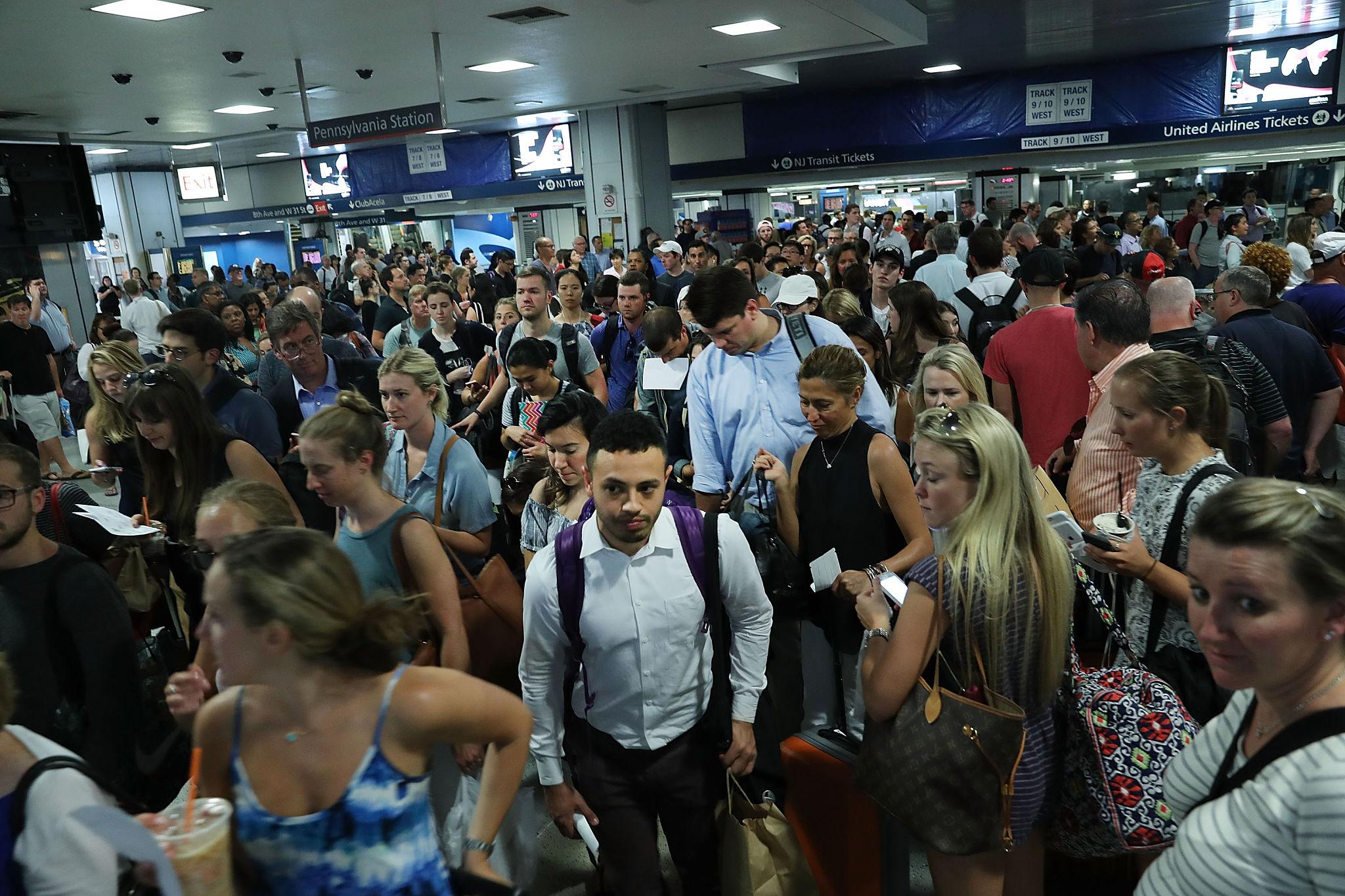
MetLife Stadium is not in central Manhattan. Fans need to move across bridges, tunnels, trains, rideshares, shuttle routes and security systems. A citywide event week can quickly expose the difference between global branding and local logistics.
A final of this size depends on small operational details.
Can visitors get to the stadium?
Can they get back late?
Can rideshares handle the surge?
Can public transport absorb confused international fans?
Can hotel concierges give accurate instructions?
A final week can be won on television and lost in the queue after midnight.
Brands Want The New Super Bowl Effect
For brands, the World Cup final in New York is a rare prize.
It brings global attention, celebrity presence, football emotion and American entertainment infrastructure into one weekend. That combination gives sponsors and event marketers a chance to create their own “Super Bowl moment” around a sport with deeper worldwide reach.
Page Six reported that major brand-hosted events and private dinners are part of the week’s access scramble, with sports and entertainment culture converging across the city.
This is why the final matters commercially.
A brand does not need to own the match to profit from the week.
It only needs to own a room, a guest list, a dinner, a rooftop or a viral clip.
New York Will Be Judged As A Host City
For FIFA, the final is a broadcast event.
For New York and New Jersey, it is a hosting exam.
The region must prove it can handle global football at maximum scale: airport arrivals, hotel pressure, security, fan movement, media demand, street-level energy and post-match dispersal.
The city has hosted enormous events before.
But the World Cup final brings a different mix of global fan cultures, national emotions, commercial pressure and security complexity. It is not only another big sports night.
It is a global stress test with cameras everywhere.
The Tourism Payoff Could Be Long
The upside is obvious.
A successful final week can sell New York again to millions of viewers and visitors. It can reinforce the city’s position as a global capital of sport, culture, entertainment and luxury. It can also show that the New York-New Jersey region can host football at the highest level without losing control of the experience.
The tourism value does not end when the match ends.
A visitor who comes for the final may return for business, shopping, study, leisure or future sports events. A viewer who sees New York presented well may add the city to a future travel plan.
Mega-events rarely justify themselves only through one weekend.
Their real value is the image they leave behind.
The Bottom Line
New York’s Final Week City Takeover shows what the World Cup final has become in 2026.
The match at MetLife Stadium is the centre, but the wider event now stretches across hotels, restaurants, private clubs, brand activations, celebrity appearances, creator content and transportation systems.
Football provides the reason.
New York turns it into an access economy.
The city will be judged not only by the final score, but by whether it can move, feed, host and entertain the world without making the world feel trapped outside the right door.