
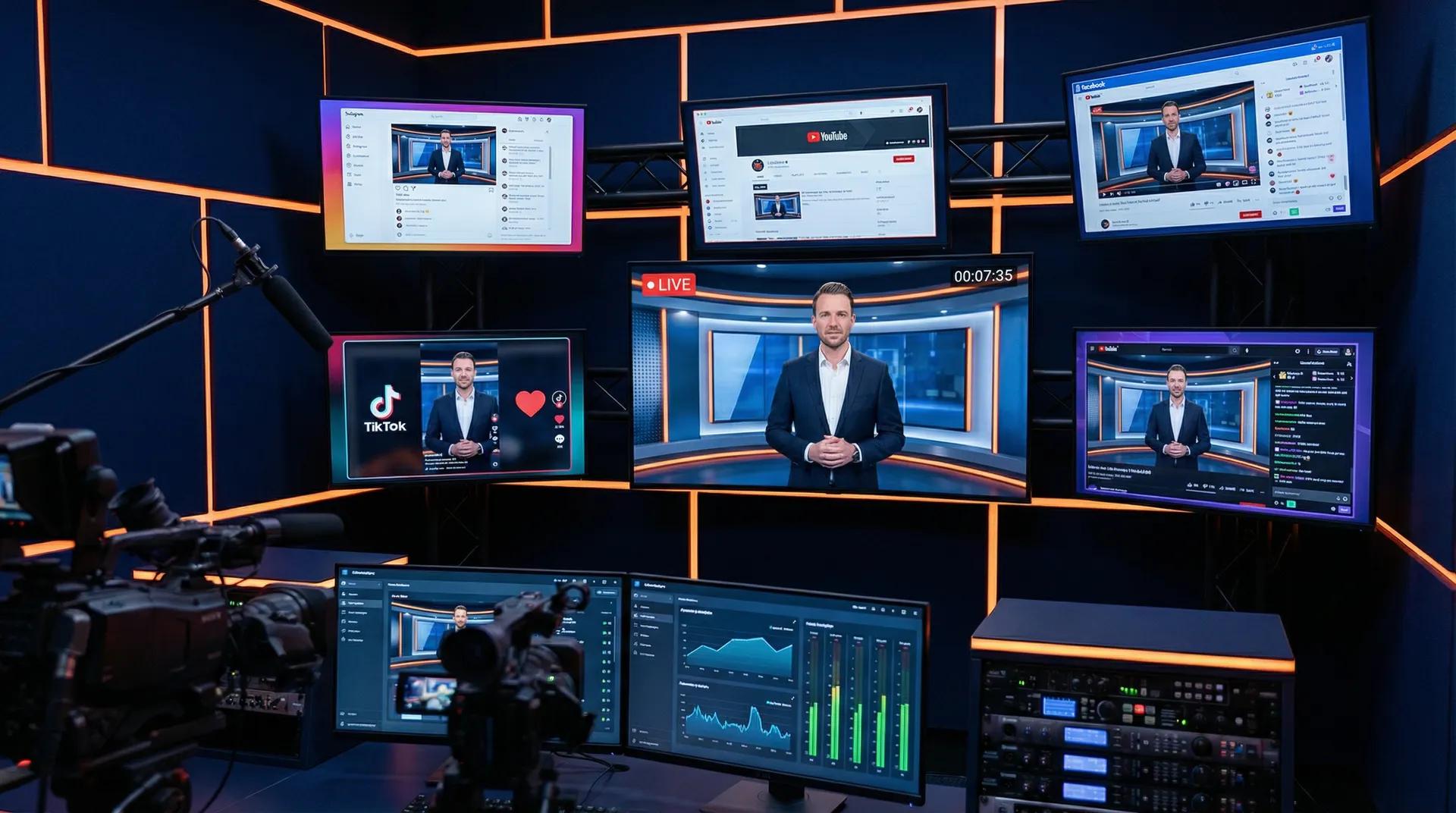
The Creator News Takeover is no longer coming.
It is already here.
Millions of people now discover the day’s biggest stories not through a newspaper homepage, a television bulletin or a formal news app, but through a creator talking directly into a camera.
A war explained in 90 seconds.
An election broken down on TikTok.
A market crash turned into a YouTube thread.
A court case unpacked by a streamer.
A breaking story delivered through Instagram Reels before many users even open a news website.
Traditional media still matters.
But the front door to news has changed.
Creator News Takeover Becomes Mainstream
The Creator News Takeover matters because it changes who controls the first explanation.
The Reuters Institute’s Digital News Report 2026 says news creators are increasingly recognised and valued by audiences, especially on video platforms such as YouTube, Instagram and TikTok. It also notes that most people who consume creator news still use it alongside traditional media, not instead of it.
That distinction is important.
Creators have not destroyed traditional journalism.
They have inserted themselves between the public and the news.
A newsroom may report the facts.
A creator may explain what those facts mean.
For many young audiences, that explanation is where the relationship begins.
The New Anchor Is A Personality
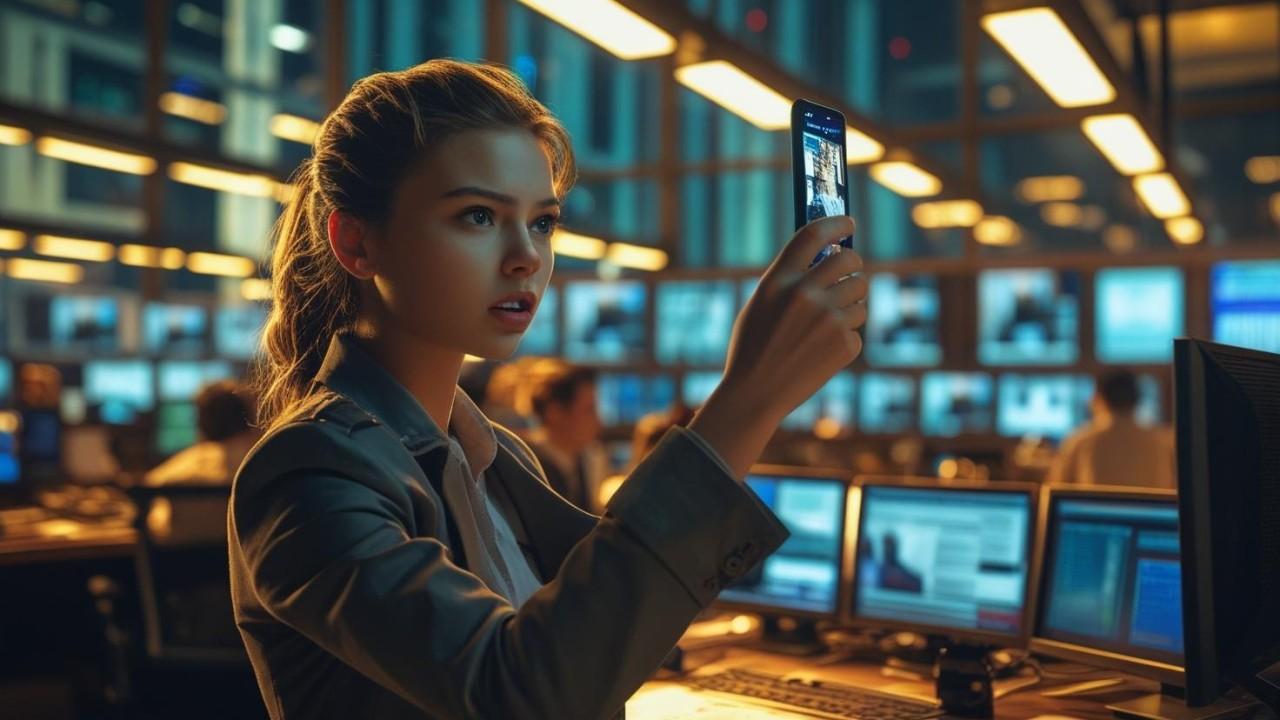
Television news was built around anchors.
Creator news is built around personalities.
The difference is tone.
Traditional anchors represent institutions. They are polished, scripted, restrained and trained to sound neutral. Creators often sound informal, emotional, funny, angry, curious or personally invested. That style can feel more human to audiences tired of institutional language.
The Reuters Institute says news creators are often seen as more entertaining and easier to understand than traditional news media.
That is the creator advantage.
They translate.
They simplify.
They react.
They speak like a person inside the feed, not like a bulletin from a distant newsroom.
For audiences scrolling quickly, that matters.
YouTube Is The New News Channel
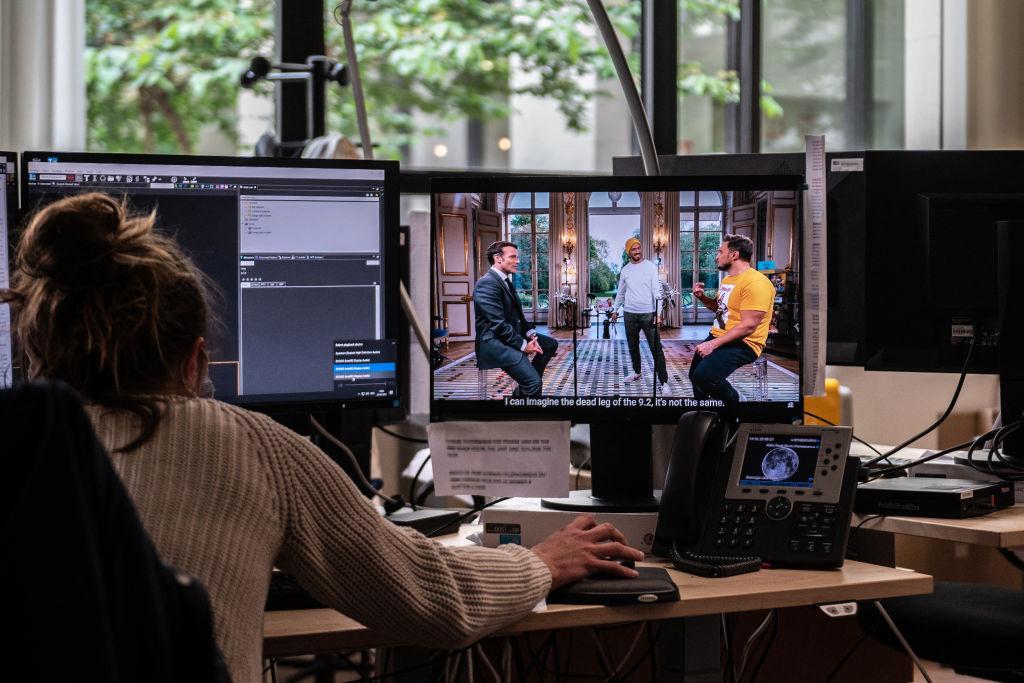
YouTube has become one of the most important platforms in the news ecosystem because it can handle both short and long formats.
A creator can post a one-minute reaction, a ten-minute explainer, a one-hour livestream or a full documentary-style breakdown. That flexibility gives YouTube an advantage over platforms built mainly for short clips.
The Reuters Institute notes the continuing importance of YouTube in online news video, alongside the rise of Instagram and TikTok.
That makes YouTube especially dangerous for traditional media.
It competes with television.
It competes with podcasts.
It competes with news websites.
It competes with documentary platforms.
For many younger viewers, YouTube is not a platform.
It is the media universe.
TikTok Turns News Into Speed
TikTok’s power is speed.
A story can be transformed into a visual, emotional and easily shareable clip within minutes. The format rewards clarity, pace, directness and personality. It also rewards repetition, remixing and reaction.
That makes TikTok a powerful news discovery engine.
But it also creates risk.
Fast explanation can become oversimplification. Emotional framing can replace context. Viral momentum can reward confidence more than accuracy. A creator can become trusted because they are familiar, not because they are correct.
That is the tension.
TikTok makes news easier to enter.
It can also make news easier to distort.
Instagram Makes News Feel Personal
Instagram sits somewhere between lifestyle and information.
A user may open the app for friends, fashion, food or travel, then encounter a war update, political explainer or breaking-news carousel between personal posts. That makes news feel less separate from daily life.
For creators, Instagram is powerful because it blends identity and information.
A creator can post news, personal opinion, behind-the-scenes clips, emotional reactions and polished explainers in the same account. Followers do not only receive facts. They build a relationship with the person delivering them.
That relationship is sticky.
A traditional newsroom may win a click.
A creator may win a habit.
Streamers Turn News Into Live Community
Streamers add another layer.
They do not only explain the news.
They experience it live with their audiences.
A streamer can watch election results, court hearings, football finals, political speeches, protests, market moves or breaking events in real time, while thousands of viewers react in chat.
That creates a different kind of news consumption.
It is communal.
It is emotional.
It is participatory.
The audience does not feel like it is receiving information from above. It feels like it is inside a live room where the story is being processed together.
Traditional television had the studio.
Streamers have the chat.
Traditional Media Still Owns Much Of The Reporting
The creator wave has one major weakness.
Many creators still depend on reporting produced by traditional journalists.
Newsrooms send reporters to courts, parliaments, war zones, company briefings, disaster sites and local communities. They pay editors, lawyers, correspondents, photographers, fact-checkers and investigative teams. That work is expensive.
Creators often build on top of that reporting.
They summarise it.
React to it.
Explain it.
Criticise it.
Personalise it.
This creates an uncomfortable imbalance. Newsrooms fund the original reporting. Creators may capture the attention and advertising value.
The public sees the explainer.
It may never see the journalist who found the fact.
Trust Is Moving From Brands To Faces
Traditional media brands once relied heavily on institutional trust.
A newspaper name.
A broadcaster logo.
A familiar masthead.
Creator news changes that.
Trust moves from the institution to the individual face. A viewer may say, “I trust her,” or “he explains things well,” rather than “I trust this publication.”
That shift is powerful and dangerous.
It can humanise news.
It can also make audiences vulnerable to personal bias, hidden sponsorship, weak sourcing or ideological capture.
A creator’s honesty may feel obvious because the tone is intimate.
But intimacy is not the same as verification.
The Creator Advantage Is Translation
The strongest creators understand something many institutions forgot.
People do not only want information.
They want orientation.
They want to know what happened, why it matters, who is affected, what is disputed, what is known, what is not known and what may happen next.
Traditional news often gives facts in institutional language. Creators turn those facts into digestible meaning.
That is why creator news works.
The creator becomes a translator between complexity and daily life.
A central bank decision becomes rent pressure.
A court ruling becomes a rights issue.
A war map becomes a family fear.
A tech story becomes a job question.
The best creators make news feel understandable without making people feel stupid.
The Danger Is Performance Without Accountability
The risk is that creator news can reward performance more than accountability.
A creator can be confident, emotional and viral while being wrong. A video can travel faster than a correction. A misleading framing can become audience belief before professional fact-checking catches up.
Traditional media has its own failures.
But it also has correction policies, editorial oversight, legal exposure, professional standards and reputational consequences. Creators may have weaker structures, especially when operating alone or through loose production teams.
That does not make creators illegitimate.
It means audiences must learn a new kind of media literacy.
Who is sourcing this?
Who is paying this person?
What is their expertise?
Do they correct mistakes?
Do they separate fact from opinion?
Those questions matter more than ever.
Platforms Control The Distribution
The creator news boom is not only about creators.
It is also about platforms.
YouTube, TikTok and Instagram decide what users see through recommendation systems, engagement signals and ranking choices. That gives platforms enormous power over public attention.
A traditional newspaper could once control its front page.
Now the platform feed is the front page.
The Reuters Institute’s 2026 report highlights how video networks have become increasingly central to news consumption, especially among younger audiences.
That means the future of news is not decided only in newsrooms.
It is decided in algorithms.
Governments Are Starting To Notice
The political implications are now obvious.
If platforms decide what news people see, governments will eventually ask whether trusted news should be prioritised. Reuters reported in June that the UK was considering rules that could require platforms such as YouTube, TikTok and Facebook to make public-service and trusted news providers easier to find in feeds and searches.
That debate will grow.
Platforms will argue that users should choose.
Governments will argue that democracy needs reliable information.
Creators will worry that trusted-news rules could privilege established media and weaken independent voices.
Traditional publishers will argue that verified journalism should not be buried beneath viral commentary.
There is no easy answer.
Creator News Is Also A Business Model
Creators are not only communicators.
They are businesses.
They earn through ads, sponsorships, subscriptions, merchandise, donations, platform monetisation, live events, consulting and brand partnerships. That gives them flexibility traditional newsrooms often lack.
But it also creates conflicts.
A creator explaining politics may have sponsors.
A creator covering finance may sell a course.
A creator discussing health may have affiliate links.
A creator covering geopolitics may be funded by hidden interests.
Audiences need transparency.
The creator economy makes news feel personal, but it also makes monetisation less visible than a newspaper subscription or television advertising break.
Young Audiences Are Leading The Shift
Younger audiences are central to the creator news takeover.
They are less attached to legacy formats, more comfortable with video, more likely to discover news through social platforms and more willing to trust informal explainers. For them, a creator can feel more natural than a television presenter.
The Reuters Institute has repeatedly documented how younger audiences interact differently with news, including through individual creators and video platforms.
This is not a temporary habit.
It is a generational media structure.
A 20-year-old who learns news through YouTube and TikTok may not suddenly become a newspaper homepage loyalist at 35.
Traditional media must adapt to that reality.
Legacy Media Is Trying To Learn The Creator Language
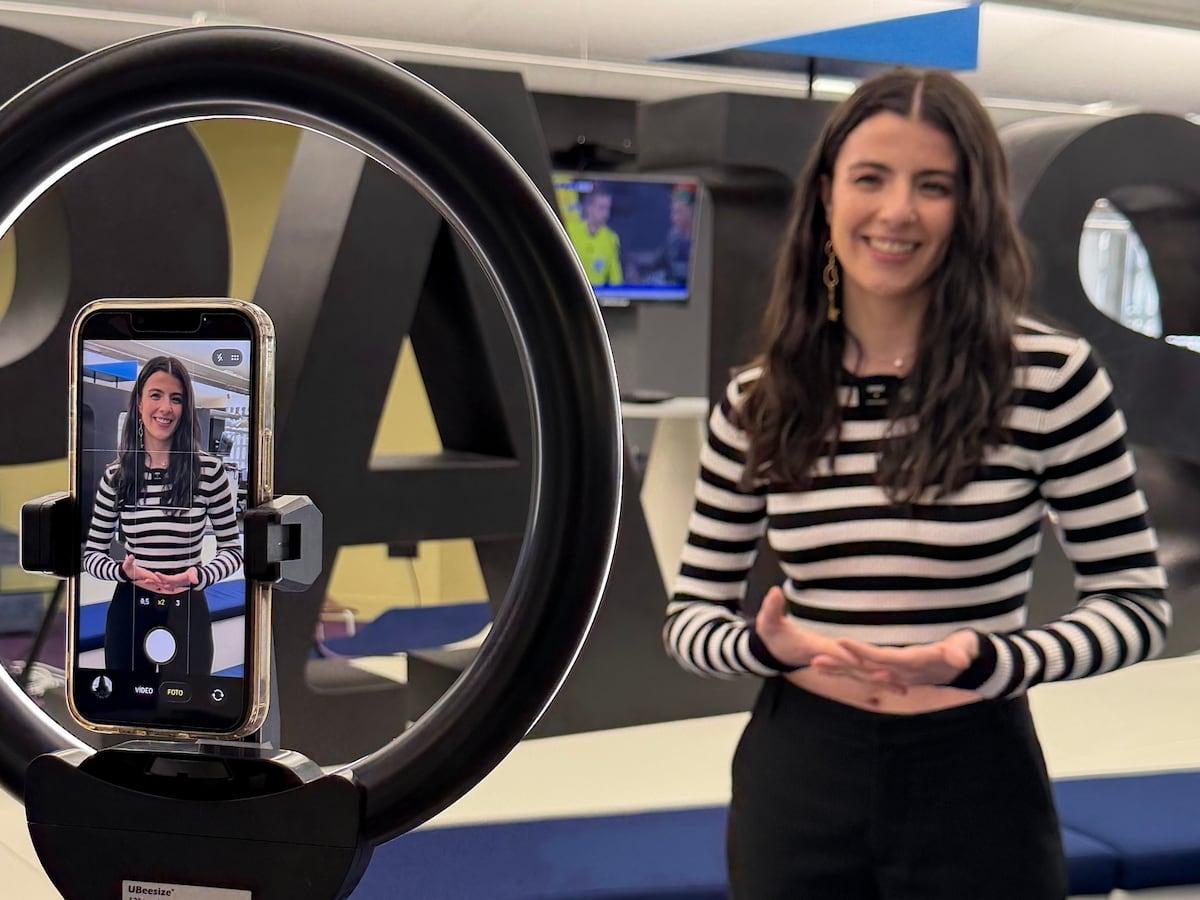
Some news organisations are now trying to adopt creator-style formats.
Short videos.
Vertical explainers.
Named journalists with personal followings.
Behind-the-scenes posts.
Livestreams.
More conversational scripts.
More personality.
Reuters Institute’s 2026 media trends work notes that traditional publishers are experimenting with creator-style approaches, including video brands aimed at younger audiences.
That is a necessary shift.
But it is not easy.
Legacy media must become more human without becoming careless.
It must become more engaging without becoming shallow.
It must use creator tools without losing journalistic discipline.
That is the hard balance.
The Future Is Hybrid
The future is unlikely to be creators replacing traditional media completely.
The more likely future is hybrid.
Traditional journalists will continue doing original reporting.
Creators will continue translating and distributing stories.
Platforms will continue shaping discovery.
Audiences will move between professional news, personality-led explainers, livestreams, podcasts, newsletters and group chats.
The Reuters Institute’s 2026 report makes this clear: creator consumption is mostly complementary for now, not fully substitutive.
That may be the most important point.
People are not choosing only one source.
They are building personal news ecosystems.
The danger is that those ecosystems can become fragmented, biased and algorithmically shaped.
The opportunity is that more people may engage with news through formats that finally feel accessible.
Traditional Media Must Stop Sounding Distant
One lesson is obvious.
Traditional media cannot survive by only telling audiences that it is important.
It must prove usefulness.
It must explain better.
It must be clearer.
It must show its work.
It must build trust with faces as well as brands.
It must understand that younger audiences do not automatically respect institutional authority.
They expect transparency, speed, humanity and format fluency.
The newsroom of the future cannot only publish.
It must communicate.
The Bottom Line
The Creator News Takeover is reshaping how people discover and understand the world.
The Reuters Institute’s Digital News Report 2026 shows that news creators are becoming more important across YouTube, Instagram and TikTok, with audiences often finding them more entertaining and easier to understand than traditional outlets. At the same time, most people still use creators alongside traditional media rather than replacing it entirely.
That is the new media reality.
Journalists still find many of the facts.
Creators often win the attention.
Platforms control the feed.
Audiences decide who feels human enough to trust.
Traditional media is not dead.
But it is no longer alone at the centre of the news conversation.