
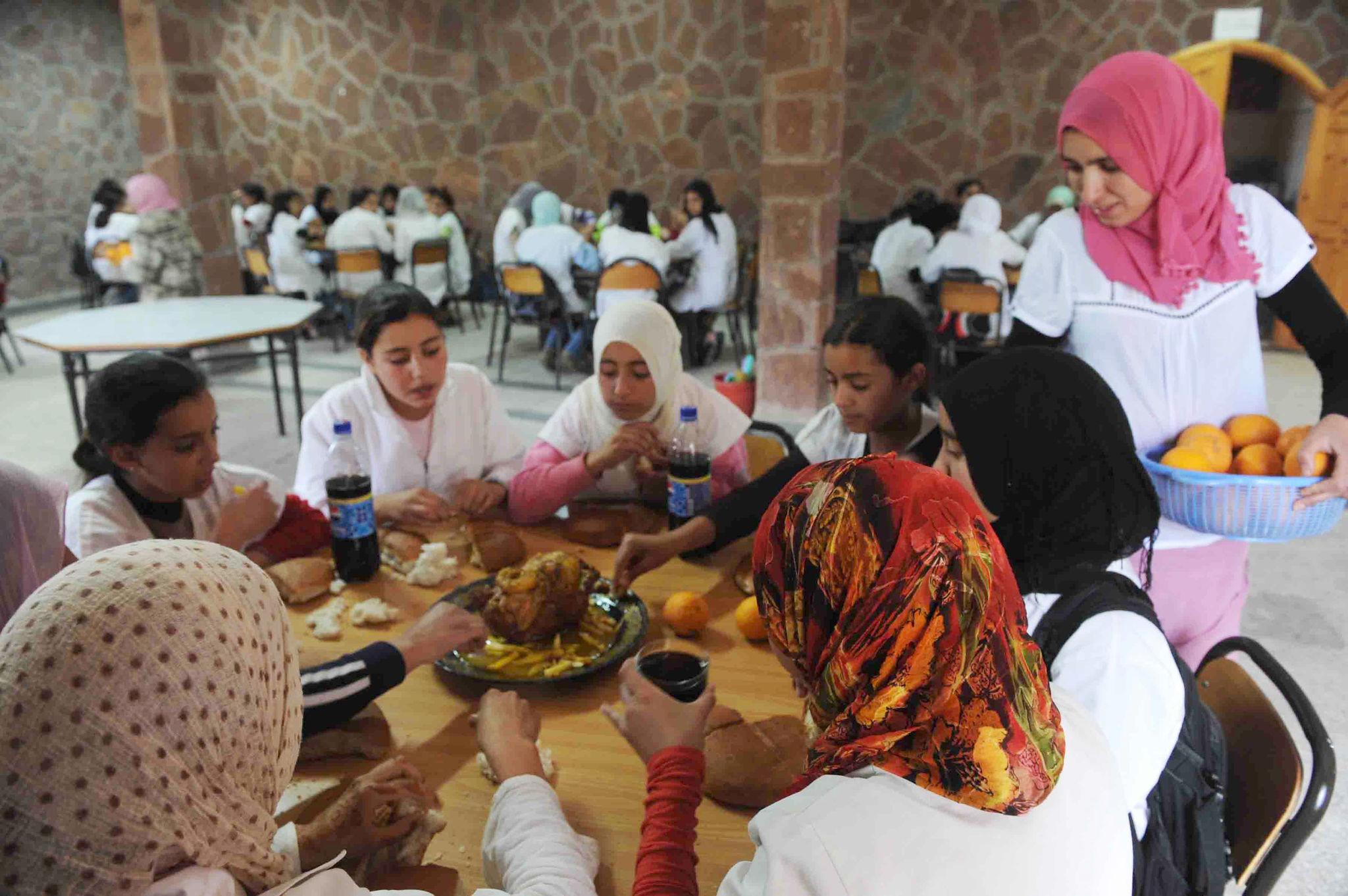
A school meal is never only a meal.
It is attendance.
It is concentration.
It is dignity.
It is health.
It is equality.
For many children, especially in rural and lower-income communities, the school day is not shaped only by teachers, classrooms and textbooks. It is also shaped by distance, transport, fatigue and food.
A child who arrives hungry does not learn the same way.
A child who leaves school because the journey is too difficult does not get the same future.
A child whose family cannot absorb daily food and transport pressure enters education with a disadvantage before the lesson even begins.
That is why Morocco’s school canteen debate matters.
It belongs in Food.
But it also belongs in education, social policy and national development.
School Meal Question Becomes A Moroccan Equality Test
The School Meal Question matters because education reform cannot succeed if children arrive at school hungry, tired or excluded by geography.
Morocco is investing heavily in education and health. Reuters reported that the 2026 budget allocates 140 billion dirhams, about $15 billion, to those two sectors, up 16% from the previous year.
That number is important.
But public spending must be felt by families.
A school canteen is one of the places where reform becomes visible. It is not an abstract budget line. It is a plate in front of a child.
If the meal is reliable, nutritious and dignified, the child feels the system working.
If the meal is poor, irregular or absent, the reform feels distant.
Hunger Is An Education Problem
Hunger is often treated as a household issue.
But inside a school, it becomes an education issue.
A hungry child may struggle to concentrate, sit still, participate, remember information or stay motivated through the day. A child from a poor household may not have the same breakfast as a child from a more comfortable family. That difference follows them into the classroom.
This is where nutrition becomes part of fairness.
The teacher may be the same.
The blackboard may be the same.
The curriculum may be the same.
But the children are not starting from the same place if one of them is hungry.
A serious education system must understand that learning begins before the first sentence is written.
Canteens Are Part Of Morocco’s Anti-Dropout Strategy
The school meal debate is directly connected to dropout.
UNESCO’s country case study on Morocco notes that the 2022-2026 education roadmap aims to reduce dropout by one third, with social support, transportation, canteens and community schools among the tools used to keep children in education.
That is the key point.
Canteens are not charity.
They are retention infrastructure.
A school meal can make attendance more realistic for children in remote areas. It can reduce the burden on families. It can make the school day more complete. It can help parents feel that sending a child to school is supported by the system.
For vulnerable families, every practical support matters.
Transport brings the child to school.
Food helps keep the child there.
Rural Morocco Feels This More Sharply
The school meal question is especially important in rural areas.
Distance changes everything.
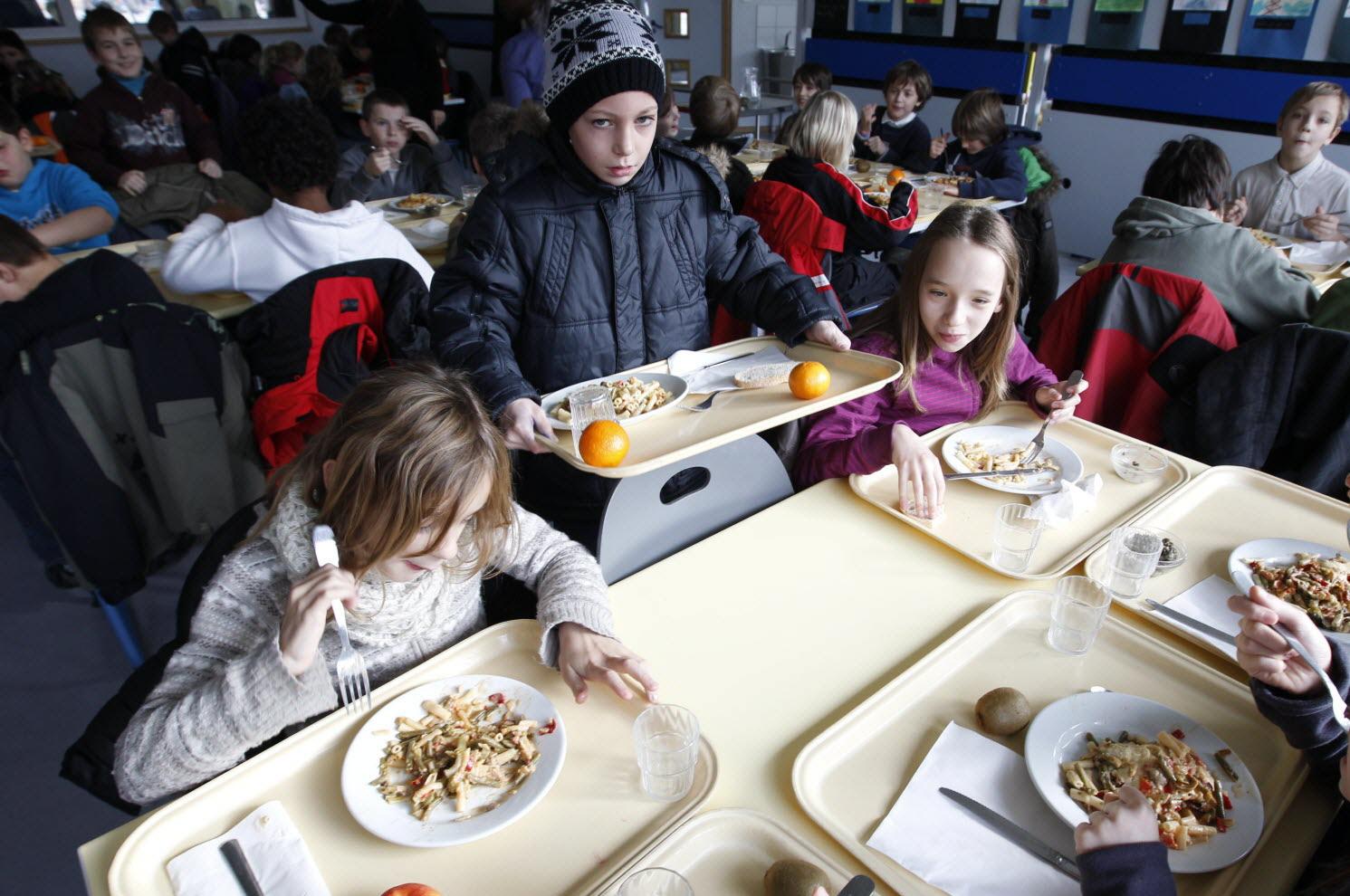
A child in a city may go home for lunch or buy something nearby. A child in a rural commune may travel far, stay at school longer and depend more heavily on canteen services.
When food is not available, the burden falls back on the family.
That can affect girls especially in some areas, because families may become more reluctant to send children far from home if the school day is difficult, unsafe or unsupported.
Education equality is not only about access to a classroom.
It is about whether the full school day is possible.
For rural children, school meals can help turn access into attendance.
The Parliamentary Focus Shows The Issue Is Serious
The Ministry of National Education reported that the minister met members of a temporary exploratory parliamentary mission in February 2026 to discuss the situation of school canteens.
That matters because it shows the issue has moved beyond local complaints.
When parliament looks at school canteens, the question becomes national.
Are meals reaching the right children?
Are standards respected?
Are budgets sufficient?
Are suppliers reliable?
Are menus nutritious?
Are facilities clean?
Are rural schools properly served?
Are there regional inequalities?
These are not small administrative questions.
They determine whether social support actually supports children.
Quality Matters As Much As Quantity
Providing food is not enough.
The quality of food matters.
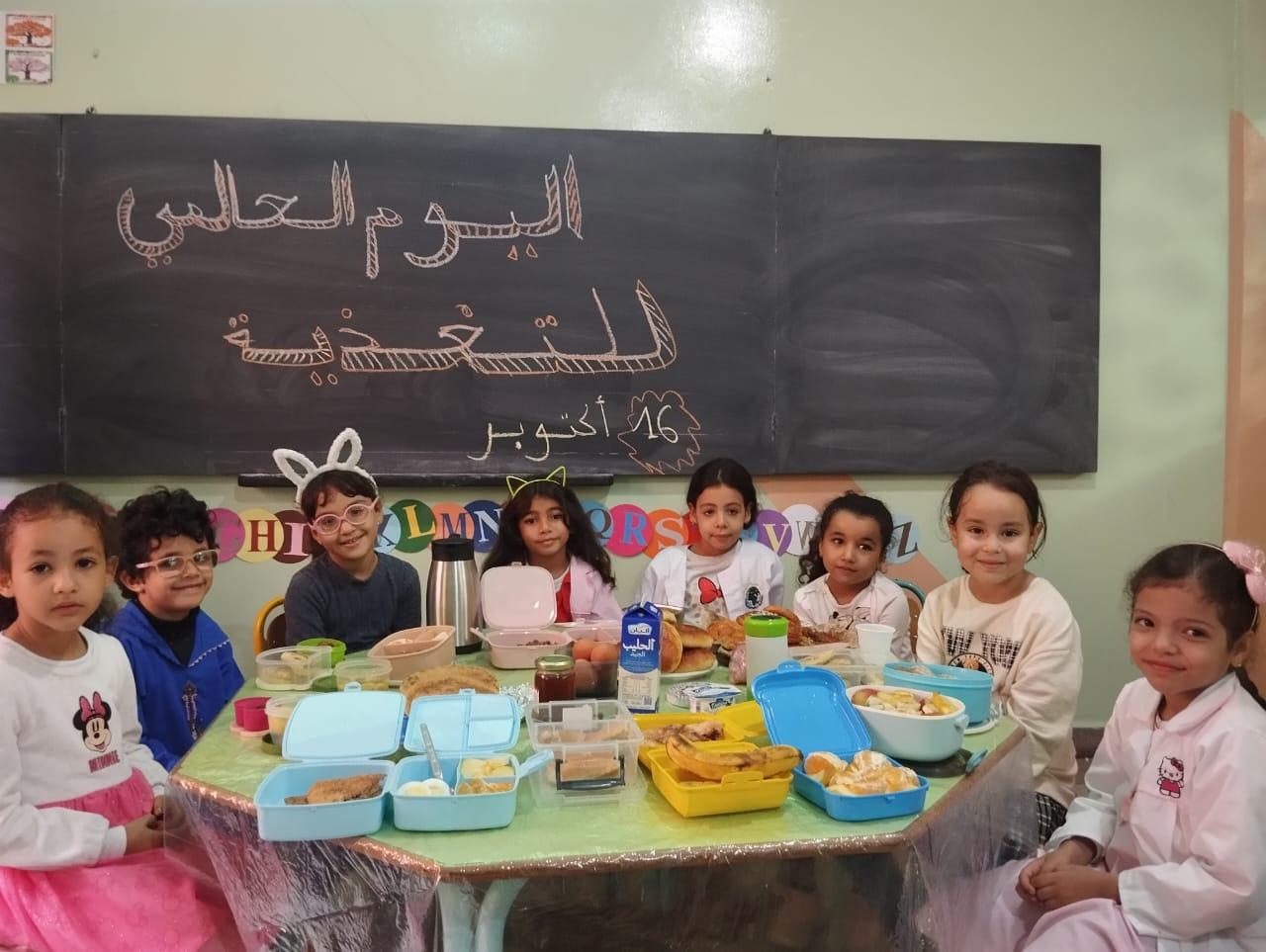
A school meal should not only fill the stomach. It should support growth, energy and health. Children need balanced nutrition, not simply calories.
That means attention to protein, vegetables, fruit, grains, dairy where appropriate, hygiene, freshness and safe preparation.
Poor-quality meals can become a missed opportunity. They may reduce hunger but fail to support health. Worse, if food is unsafe or badly handled, it can damage trust.
The goal should be simple.
A school meal must be affordable for the state, practical for schools, acceptable to children and nutritionally useful.
That balance is hard.
But it is necessary.
Food Safety Is Non-Negotiable
School meals involve children.
That raises the standard.
Storage, water quality, kitchen hygiene, supplier control, transport, serving conditions and staff training all matter. One food-safety incident can damage confidence across a wider region.
Parents must feel that the food served at school is safe.
This requires more than good intentions.
It requires systems.
Inspection.
Traceability.
Clean kitchens.
Temperature control.
Clear menus.
Complaint channels.
Training.
Accountability.
In school food, trust is fragile.
A meal programme succeeds only if parents believe it protects their children.
The Local Economy Can Benefit
School meals can also support local economies.
If procurement is designed carefully, canteens can buy from local farmers, cooperatives, bakers, dairy producers and food suppliers. That can create stable demand while improving freshness and reducing transport distance.
This must be managed with transparency.
Local sourcing should not become an excuse for weak standards or favouritism. Suppliers must meet quality, hygiene and delivery requirements.
But when done properly, school meals can connect education with local agriculture.
Children eat better.
Local producers gain reliable demand.
Communities feel involved.
The school becomes part of the local food system.
The Cost Is An Investment, Not A Loss
Some people may see school meals only as a cost.
That is too narrow.
A better-fed child learns better.
A child who stays in school longer has better life chances.
A family that receives school support may be less likely to withdraw children from education.
A society with lower dropout has better productivity, lower inequality and stronger human capital.
The return is not always immediate.
But it is real.
Education spending works best when it removes practical barriers. Food is one of those barriers.
A school meal is therefore not simply public consumption.
It is investment in future capacity.
The Menu Must Respect Moroccan Reality
A Moroccan school meal programme should not copy foreign models blindly.
It must fit local tastes, budgets, supply chains and cultural habits.
Children should receive food they can eat, not food designed only for reports. A nutritious meal that children refuse is not a successful meal.
That means menus should understand Moroccan food culture.
Bread, legumes, vegetables, eggs, dairy, seasonal fruit, fish where possible, grains and locally appropriate dishes can all play a role.
The best school meal is not the most expensive.
It is the one that children eat, parents trust and nutritionists can defend.
Inequality Can Appear On The Plate
Schools often reveal social inequality in quiet ways.
Some children bring food from home.
Some buy snacks.
Some depend entirely on school support.
Some have enough.
Some do not.
Those differences can create embarrassment, exclusion or silent suffering.
A well-designed canteen programme can reduce that visible inequality. It can make the school environment feel more equal because children share a basic meal under the same conditions.
That has social value.
Dignity matters.
A child should not feel poor every lunch break.
The Private Sector Can Help, But Must Not Control The Mission
There may be a role for private suppliers, NGOs, cooperatives and local associations.
But the mission must remain public.
Children’s nutrition cannot become only a market opportunity. Contracts must be transparent. Quality must be monitored. Costs must be controlled. The poorest communities must not be left with weaker services because they are less profitable.
The state can partner.
But it must regulate.
A school meal system that serves children must answer to public interest first.
Digital Monitoring Could Improve The System
Morocco’s broader digital reform could help school canteens too.
A simple digital system could track meal delivery, attendance, supplier performance, complaints, regional gaps, nutrition standards and budget execution.
This would reduce opacity.
It would also help identify where meals are missing, where delays occur and where quality problems repeat.
Parents and local officials do not need complex dashboards.
But administrators need reliable data.
A national programme cannot be managed only through paper reports.
Food delivery needs visibility.
Teachers Should Not Carry The Burden Alone
School meal programmes often create hidden work inside schools.
Teachers and principals may end up managing food logistics, complaints, distribution and coordination while also trying to teach.
That can become unfair.
Education professionals should not be turned into food administrators without support. Schools need dedicated procedures, local staff, trained canteen workers and clear responsibilities.
A meal programme should support education, not distract from it.
If the burden is dumped onto teachers, the system creates stress elsewhere.
Good policy must protect the classroom.
Parents Must Be Part Of Trust
Parents should have a voice.
They know whether children are eating the meals.
They know whether quality is improving.
They hear complaints first.
They understand local conditions.
Parent associations can help monitor, support and communicate, especially when trust is fragile.
But parental involvement must be structured.
It should not become informal pressure or conflict with school staff.
The goal is cooperation.
A successful canteen is not only run by the state.
It is trusted by the community.
School Meals Can Support Girls’ Education
Food support can also help girls stay in school.
In some vulnerable communities, families weigh the cost and benefit of schooling carefully, especially when distance, safety, transport and household labour are involved. If school provides food and support, the value of attendance increases.
This does not solve all barriers.
Girls’ education also depends on safety, sanitation, family attitudes, transport, teachers, secondary-school access and economic pressure.
But school meals can be one part of the solution.
When school becomes more supportive, attendance becomes easier to defend inside the household.
Nutrition Education Should Be Included
School meals should also teach.
Children can learn about balanced food, hygiene, water, local agriculture and healthy habits. A canteen can become part of nutrition education if teachers and school programmes connect the plate with learning.
This matters in a world where children are exposed to cheap snacks, sugary drinks and processed foods.
Morocco’s food culture is rich, but modern diets are changing.
Schools can help children understand food before bad habits become permanent.
A meal is an opportunity to educate taste.
The Urban Snack Problem Is Different
In cities, the challenge may be less about canteen access and more about what children buy around schools.
Cheap snacks, sugary drinks, fried foods and low-quality street options can shape daily diets. If schools do not offer attractive and affordable alternatives, children will choose what is available.
This turns the school food question into an urban health issue too.
Canteens are not only for remote areas.
Healthy school food matters everywhere.
The form may differ.
The objective remains the same.
Protect children’s energy, concentration and long-term health.
The Budget Must Reach The Child
Morocco is increasing education and health spending.
That is important.
But the public will judge whether money reaches real services.
In school meals, this means the budget must reach the child as food, not disappear into layers of administration, poor procurement or weak delivery.
Every dirham must be traceable to impact.
How many children served?
How often?
What quality?
Which regions?
At what cost?
With what health and attendance effect?
This is how school meals can become a serious policy tool rather than a symbolic support programme.
Morocco Needs A National Standard
A national school meal standard would help.
It should define minimum nutrition, safety, hygiene, procurement and service rules. It should also allow local flexibility, because rural and urban schools have different realities.
The standard should be simple enough to implement but strong enough to protect children.
Without standards, quality depends too much on location.
One school may serve a proper meal.
Another may serve something inadequate.
That creates inequality inside the education system.
A Moroccan child’s meal should not depend only on geography.
The International Lesson Is Clear
Globally, school meals are increasingly seen as part of education, health and social protection.
Countries use them to fight hunger, increase attendance, support local agriculture and reduce inequality. The best programmes are not improvised. They are planned, measured and linked to broader development goals.
Morocco has the opportunity to move in that direction.
The country is already talking about canteens within education reform and anti-dropout strategy.
The next step is delivery.
Reliable.
Nutritious.
Transparent.
Dignified.
The Bottom Line
The School Meal Question is not a small food issue.
It is a national equality test.
Morocco’s education roadmap aims to reduce dropout by one third, with social support, transportation, canteens and community schools forming part of the strategy. The Ministry of Education has also engaged with a parliamentary exploratory mission on the situation of school canteens, showing that the issue is now under institutional attention.
That matters because a child cannot learn properly on an empty stomach.
A school meal can support attendance, concentration, dignity and fairness.
But only if the system works.
Morocco is investing more in health and education.
Now the test is whether that investment reaches the daily life of children.
Not only through new buildings.
Not only through reform language.
But through something simple, visible and powerful.
A safe, nutritious meal at school.