

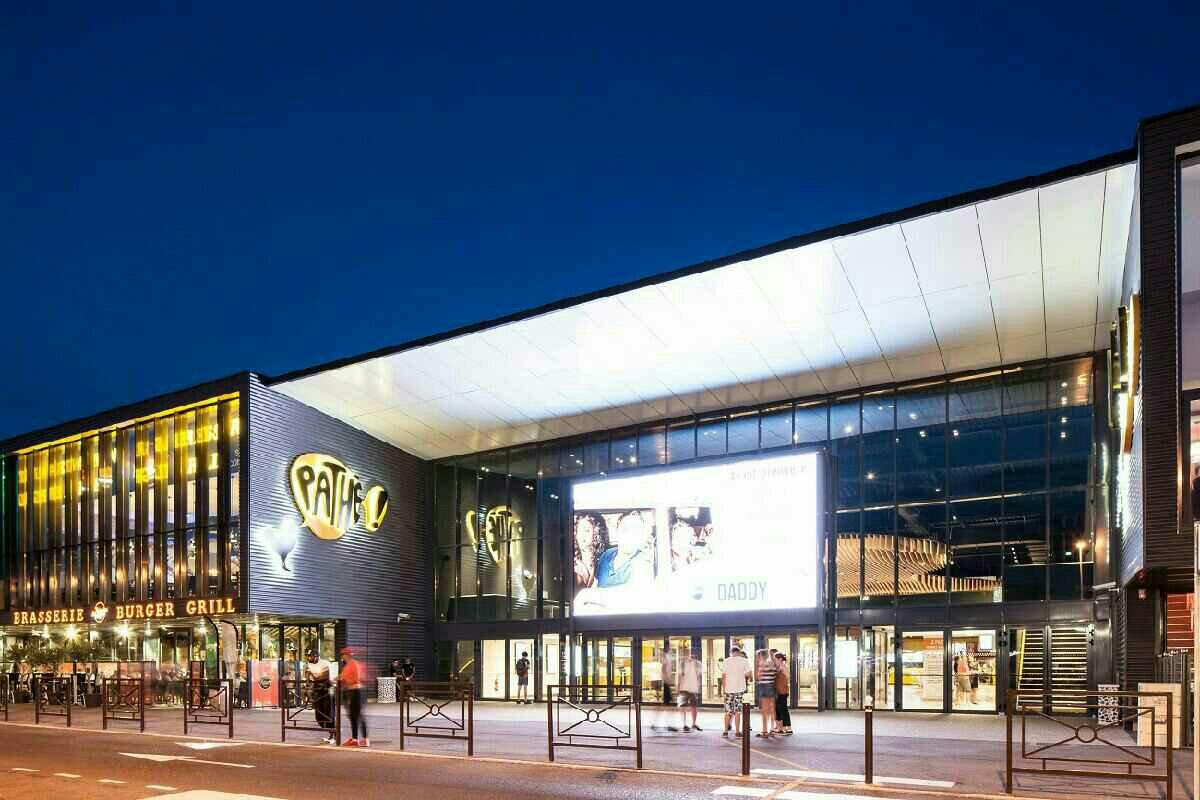
Marjane Holding is preparing to strengthen its position in Morocco’s cinema market.
In June 2026, the Competition Council received notification of a proposed transaction through which Marjane would acquire 100% of Wafa Assurance Movie Theater Company.
The target company operates in cinema exhibition and related activities, including ticketing, subscriptions, food sales, advertising and cultural events.
The operation fits a wider strategy.
Marjane already controls a national retail and commercial-property platform. Adding cinema would allow the group to combine shopping, restaurants, leisure and cultural activity inside the same destinations.
The strategic logic is not simply to sell movie tickets.
It is to give customers more reasons to visit, remain longer and return more frequently.
Shopping Centres Need A New Purpose
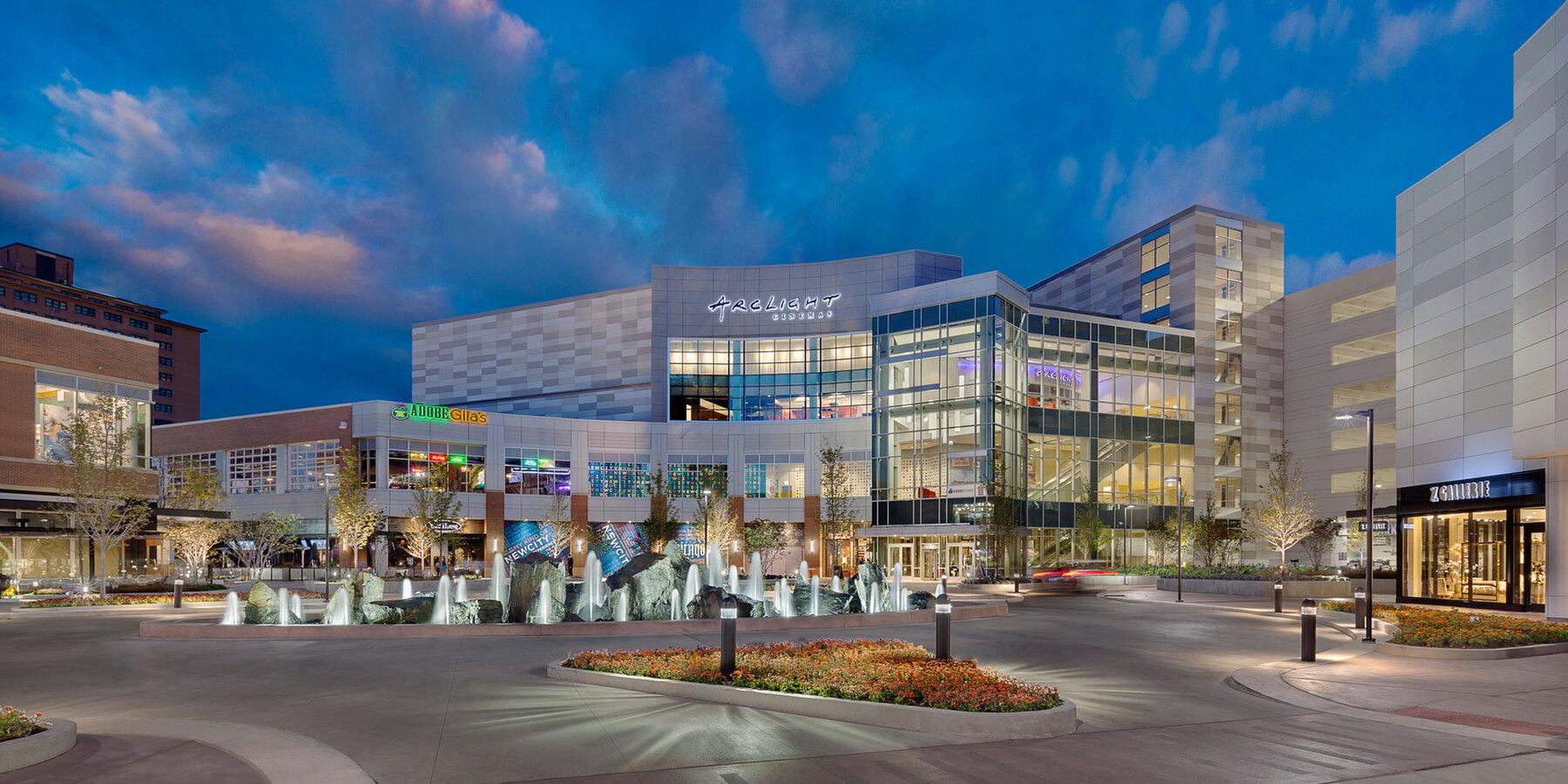
Traditional shopping centres were built around retail.
Customers visited to purchase food, clothing, electronics or household products.
Digital commerce has changed that model.
Many products can now be compared and ordered without entering a physical store.
A shopping centre must therefore offer something that cannot be delivered easily to the home.
Experience.
Social interaction.
Food.
Entertainment.
Events.
Cinema fits naturally into this transition.
A film gives families, couples and young people a reason to travel to a commercial destination even when they do not need to purchase a physical product.
Before or after the screening, they may visit restaurants, cafés, shops or supermarkets.
Cinema therefore generates value beyond its own revenue.
It supports the wider commercial ecosystem surrounding it.
The Transaction Is About Footfall
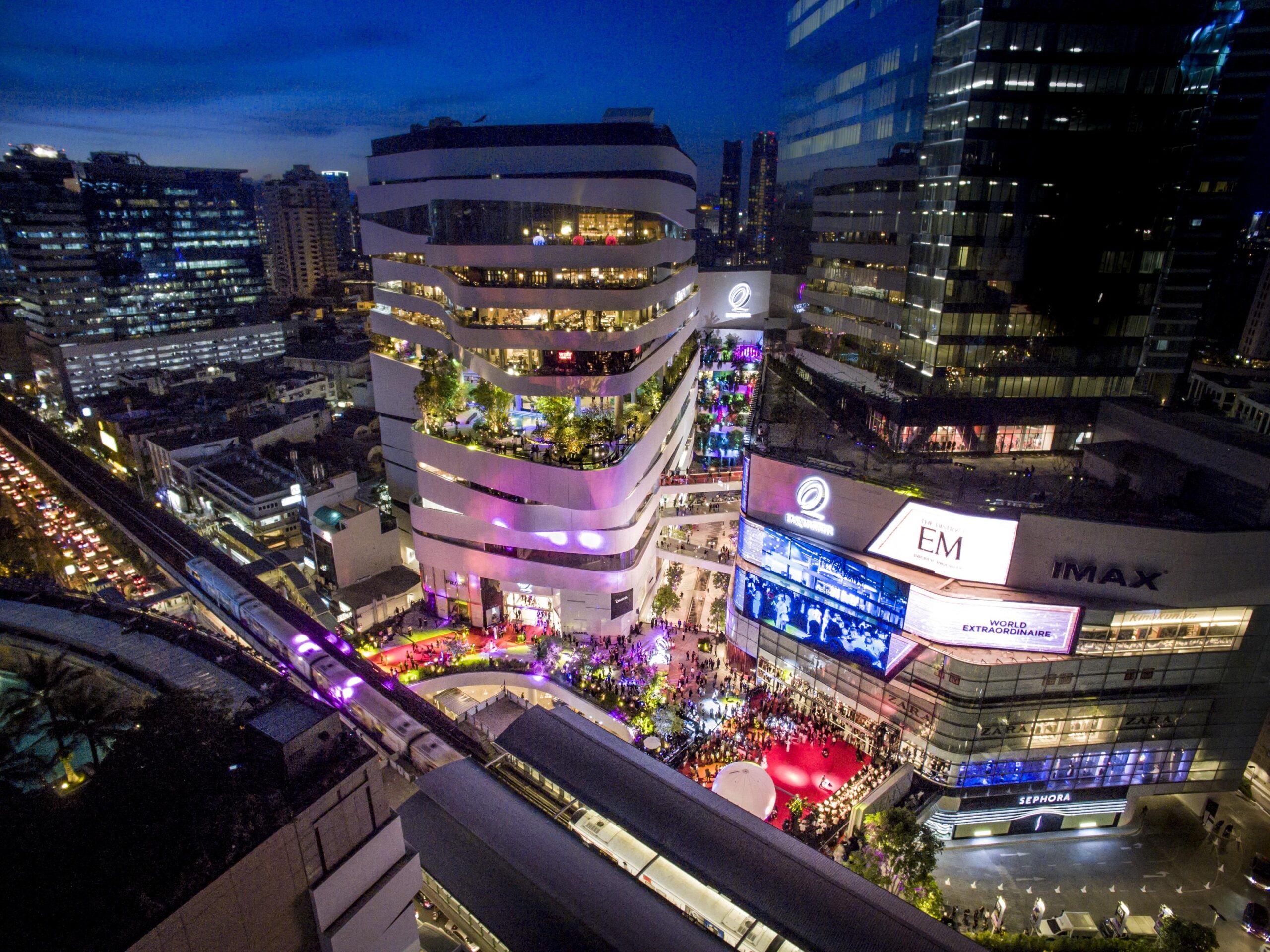
Commercial-property operators depend heavily on footfall.
More visitors create more opportunities for tenants to generate sales.
Strong traffic can support occupancy, rental income and the attractiveness of future developments.
But not every visitor produces the same value.
A supermarket customer may complete a specific purchase and leave quickly.
A cinema customer is more likely to remain for several hours.
The visit may include a meal, entertainment and additional shopping.
This longer stay increases the potential value of the entire destination.
Marjane’s proposed cinema acquisition should therefore be viewed partly as a commercial-real-estate strategy.
The group is not only entering another business sector.
It is adding an activity capable of supporting the performance of its existing assets.
Cinema Creates Evening Activity
Retail demand is distributed unevenly during the day.
Some centres perform strongly during afternoons or weekends but become quieter later.
Cinema can extend activity into the evening.
Screenings continue after ordinary shopping hours.
Restaurants can remain active later.
Parking and security infrastructure can be used across a longer operating period.
This can improve the economics of a shopping centre.
But evening activity requires professional management.
Lighting, transport, security and family comfort become more important after dark.
A centre should feel active without feeling uncontrolled.
The cinema experience begins before the customer enters the auditorium and continues until the person leaves the property safely.
The Film Is Only Part Of The Product
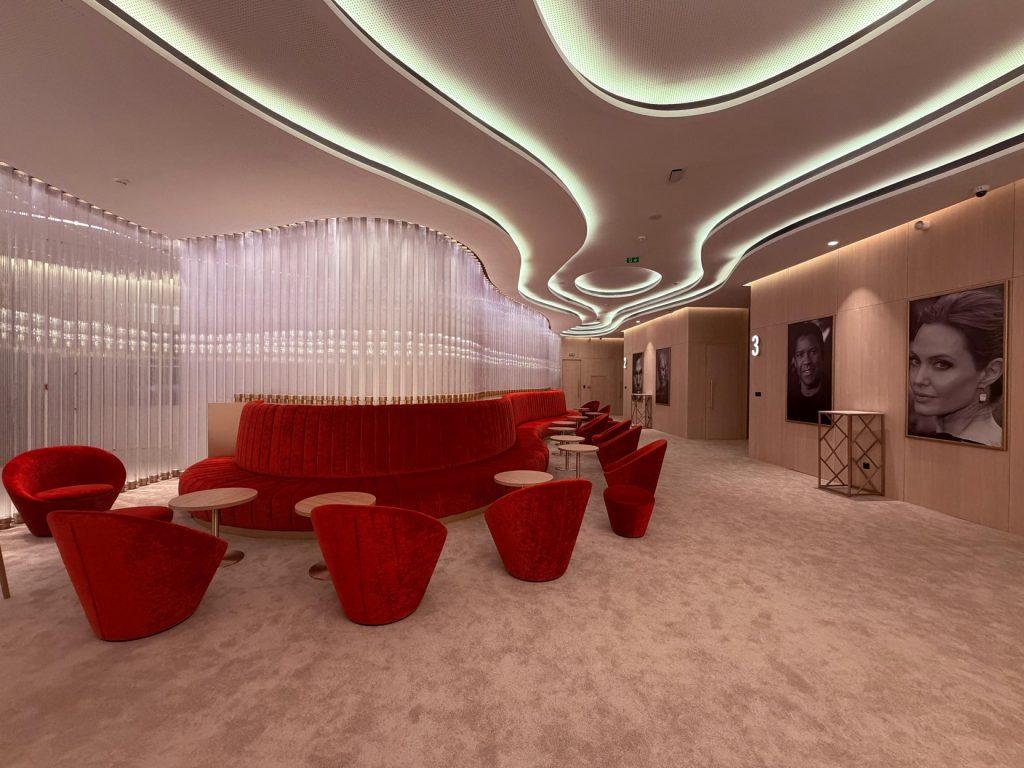
Cinema operators once competed primarily through location and film selection.
Today, the complete experience matters.
Seat comfort.
Screen and sound quality.
Online booking.
Cleanliness.
Food.
Waiting areas.
Parking.
Customer service.
Theatres also compete with high-quality televisions, streaming platforms and home entertainment.
The customer already has access to content.
The cinema must offer an experience valuable enough to justify the journey and ticket price.
Marjane can use its property and retail knowledge to improve this wider journey.
The group understands customer traffic, parking, food service, digital loyalty and commercial partnerships.
Its success will depend on converting those capabilities into a cinema environment rather than treating theatres as ordinary retail units.
Morocco Needs More Cinema Access
Morocco has a strong film culture and an internationally recognised production sector.
But access to modern cinemas remains concentrated in a limited number of cities and commercial zones.
Many residents still live far from a professional theatre.
This restricts the domestic audience available to Moroccan and international films.
A national commercial-property group can potentially reduce that gap.
Marjane already possesses locations, customer traffic and development experience across several regions.
Cinema could become an anchor inside new or existing centres where standalone theatre development might appear riskier.
The opportunity is not to place the same large multiplex everywhere.
Different cities may require different formats.
Large multiplexes in major metropolitan markets.
Smaller multi-screen venues in secondary cities.
Flexible halls capable of supporting films and cultural events.
The model should follow local demand rather than one standard blueprint.
Programming Must Serve Several Audiences
A commercially successful cinema cannot depend entirely on one type of film.
Hollywood blockbusters create large opening-week demand.
Moroccan films connect with domestic audiences and support the national industry.
French, Arabic, African, Indian and animated content may attract different customer groups.
Family films can support daytime and weekend attendance.
Special screenings can fill quieter periods.
The operator must balance popular demand with programming diversity.
This is also where commercial scale can create value.
A larger network may negotiate distribution more effectively and test films across different locations.
Data can show which genres perform in each city.
But algorithms should not determine every screen automatically.
Cinema also has a cultural function.
Some important films need time and promotion before finding an audience.
Moroccan Films Need Better Exhibition Conditions
Moroccan producers face a difficult economic cycle.
A film requires writing, financing, production, marketing and distribution before ticket revenue begins.
Limited screen access can reduce the possibility of recovering that investment.
A growing cinema network can create more space for domestic releases.
But screen availability alone is not enough.
Moroccan films need professional marketing, visible showtimes and suitable release windows.
They should not be placed only in weak periods or inconvenient hours and then judged through low attendance.
Cinema operators and producers can coordinate campaigns earlier.
Trailers, cast appearances, previews and social-media partnerships can build demand before release.
A strong domestic exhibition network can help Moroccan intellectual property become a real commercial asset.
Food And Beverage Can Support Profitability
Ticket sales are central, but cinema economics often depend heavily on food and beverage.
Popcorn, drinks, snacks and premium menu options can generate important margins.
Marjane already understands food procurement, retail pricing and national logistics.
That capability could become an advantage.
The company can develop a cinema offer adapted to Moroccan consumers rather than simply copying international menus.
Traditional flavours.
Family packages.
Several price levels.
Fast service.
The key is balance.
Food should support the experience without making a family visit feel excessively expensive.
Customers compare the complete cost of the outing, not only the advertised ticket price.
Loyalty Can Connect The Group’s Ecosystem
Marjane already interacts with customers through shopping, digital platforms and commercial centres.
Cinema can add another layer to that relationship.
A wider loyalty system could reward customers across several activities.
Shopping points could support cinema benefits.
Film attendance could create restaurant or retail offers.
Families could receive packages connected with school holidays.
The value lies in convenience and relevance.
The risk lies in excessive complexity or intrusive use of customer data.
A loyalty programme should make the visit easier and more rewarding.
It should not require the customer to understand a complicated system of conditions before receiving a small benefit.
Advertising Creates Another Revenue Stream
Cinema audiences are concentrated, attentive and segmented by film choice.
This makes theatres attractive to advertisers.
Brands can purchase pre-screen advertising, lobby visibility, digital placements or sponsored events.
Marjane’s wider commercial relationships may strengthen this business.
Suppliers already selling through its stores may also want cinema visibility.
Restaurants and tenants can promote offers connected with screenings.
National brands can reach audiences across several cities through one network.
But advertising should remain proportionate.
Customers paying for a film do not want an excessive delay before it begins.
Commercial revenue should strengthen the experience rather than weaken it.
Events Can Fill Quiet Periods
Cinema halls do not need to show only films.
They can host corporate presentations, gaming competitions, educational events, live broadcasts, festivals and private screenings.
A company can launch a product using high-quality screens and sound.
Schools can organise educational sessions.
Sports or cultural events can be broadcast live.
Film festivals can reach cities beyond their traditional locations.
This flexibility can improve auditorium utilisation during periods of weaker movie demand.
It also connects the cinema more deeply with the surrounding community.
The operator must still protect the core identity of the venue.
Not every hall should become a general rental room.
The best additional uses are those that benefit from the cinema environment itself.
Technology Must Remove Friction
Customers increasingly expect to discover films, choose seats and pay through a phone.
The digital journey should be simple.
Showtimes must remain accurate.
Seat maps should reflect real availability.
Payment should work reliably.
Tickets should be accessible without unnecessary printing or complicated verification.
Technology can also support subscriptions, targeted offers and customer service.
But the physical operation must match the digital promise.
A reserved seat must be available.
The screening must begin close to the advertised time.
Problems should be resolved quickly.
Digital convenience cannot compensate for weak theatre operations.
Subscription Models Can Build Frequency
Some customers attend only major releases.
Others may visit more frequently when the economic commitment becomes predictable.
Subscription or membership models can support this behaviour.
Monthly access.
Discounted tickets.
Priority booking.
Food benefits.
Family plans.
The business case depends on careful pricing.
A programme should increase attendance without allowing the most frequent users to consume capacity at an unsustainable cost.
Subscriptions also work better when the network offers enough films and convenient locations.
The objective is turning cinema from an occasional event into a regular leisure habit.
The Centre Must Remain Accessible
A shopping-centre cinema often depends on private vehicles.
That can limit access for young people, students and households without cars.
Public transport, taxis and safe pedestrian routes influence attendance.
Late screenings create an additional challenge because ordinary transport services may be less available after the film ends.
Marjane should consider mobility as part of site selection and scheduling.
A cinema that is attractive inside but difficult to reach will serve only part of the potential audience.
Regional expansion should connect entertainment with real urban accessibility.
The Acquisition Must Create Operational Capability
Owning a cinema company is not the same as operating theatres successfully.
Film booking, projection technology, auditorium management and release strategy require specialised expertise.
Marjane should preserve and develop professional cinema capability rather than managing the activity exactly like a supermarket or shopping gallery.
The group can provide capital, locations, procurement and commercial scale.
Specialist teams must protect the entertainment product.
This is especially important as Marjane has also developed a relationship with Pathé around future cinema activity.
International expertise can support standards and technology.
The Moroccan platform must still be adapted to local audiences and economics.
Competition Should Improve The Market
Marjane’s entry can bring additional investment and accelerate cinema development.
It may also increase competitive pressure on existing operators.
Competition can improve seating, programming, digital services and pricing.
But the market should remain open enough for different operators and independent cinemas to survive.
A diversified cinema economy provides greater programming choice.
Large groups bring scale.
Independent venues may provide specialised films, festivals and local cultural relationships.
The objective should not be one uniform cinema experience across the country.
It should be a stronger market with several viable models.
The Cinema-Commerce Test
Marjane’s proposed acquisition of Wafa Assurance Movie Theater Company marks a clear move beyond conventional retail.
The group already controls shops, commercial property, customer traffic and a national consumer relationship.
Cinema can connect those assets through entertainment.
Theatres can extend visitor time.
Support restaurants.
Activate centres during evenings.
Create advertising income.
Strengthen loyalty.
Expand cultural access in additional cities.
But the strategy will succeed only when cinema is treated as a real entertainment business.
Customers need strong programming, comfortable halls, fair pricing and reliable digital service.
Moroccan films need professional exhibition.
Secondary cities need formats adapted to their demand.
Specialist operational expertise must remain central.
Marjane built its scale by giving households reasons to visit its stores.
Its next challenge is giving people reasons to visit even when they do not need to buy anything.
That is the transformation from shopping centre to destination.