
Morocco has proved that it can host international film productions.
It has developed studios, technicians, locations and creative talent capable of supporting major global projects.
But a successful screen industry needs more than production.
Films must also reach audiences.
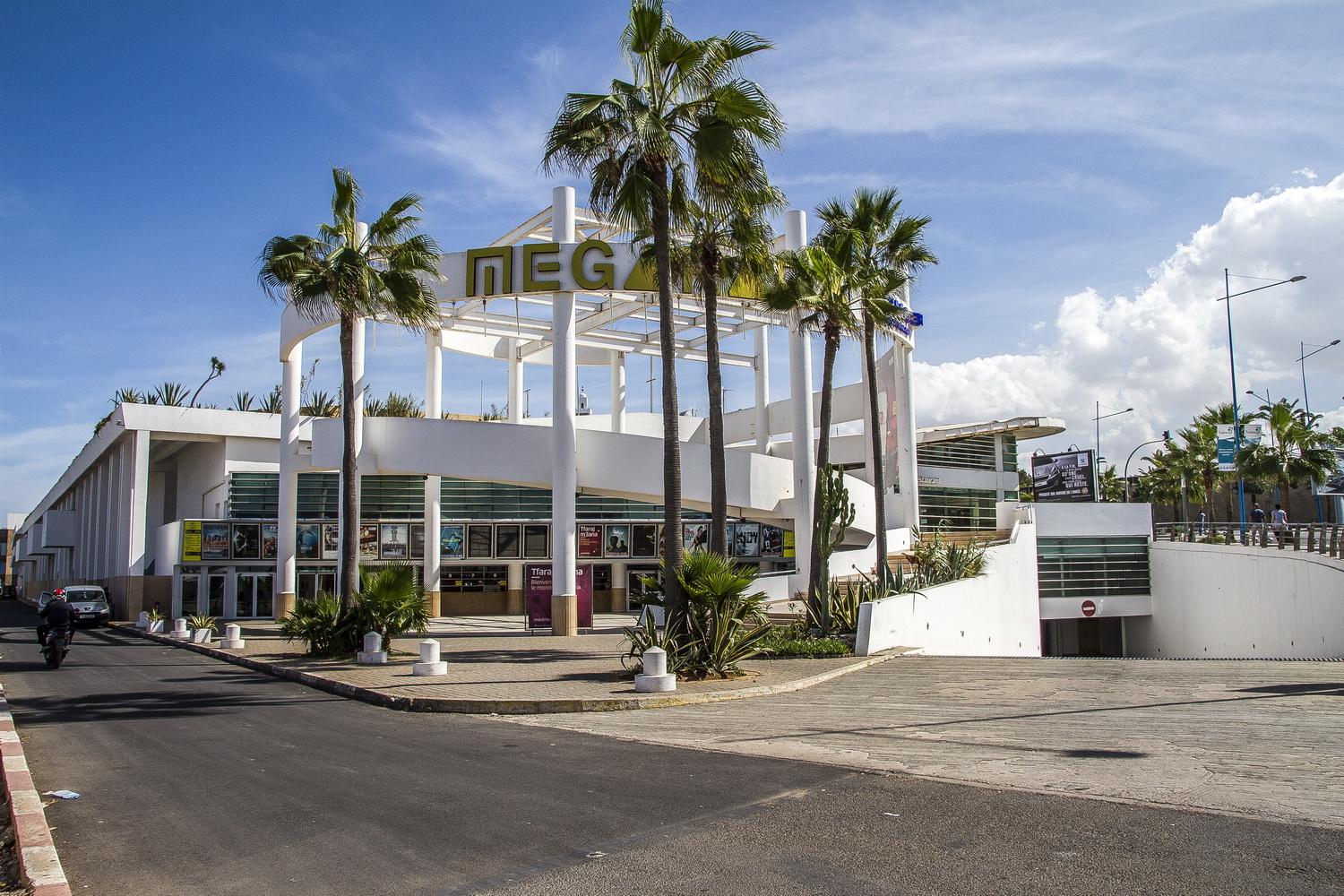
That gives Megarama a strategic position inside Morocco’s entertainment economy.
The cinema operator has established a significant presence across major Moroccan cities and remains one of the country’s most influential exhibitors. Its screens connect filmmakers, distributors, advertisers and audiences through one physical network.
The next opportunity is larger than selling tickets to international blockbusters.
Megarama can help build a commercial route through which Moroccan and African stories receive professional releases, national visibility and enough time to find an audience.
Morocco does not only need more films.
It needs a stronger system for distributing them.
Production Has No Value Without An Audience
A film may require years of work.
Writers develop the story.
Producers secure financing.
Actors and technicians complete the shoot.
Editors, sound teams and composers prepare the final version.
But the economic cycle remains incomplete until the public can see the result.
Distribution determines where the film appears, how it is promoted and how long it remains available.
A weak release can cause a strong production to disappear quickly.
A successful campaign can turn a relatively modest film into a national event.
Cinema operators therefore influence more than screening schedules.
They influence whether local intellectual property receives a genuine commercial opportunity.
Megarama Controls Valuable Audience Access
Cinema screens are limited commercial assets.
Each auditorium can show only a certain number of films every day.
Every screening carries an opportunity cost because showing one title means not showing another.
Megarama must therefore prioritise films expected to generate attendance.
International franchises arrive with large marketing campaigns and established audiences.
Moroccan and African films may enter the market with smaller promotional budgets and less predictable demand.
This creates an imbalance.
Local productions need screens to build an audience, but cinema operators need evidence of demand before allocating those screens.
The solution is not to reserve unlimited capacity for every domestic release.
It is to build a better commercial process around the strongest projects.
Moroccan Films Need Event Releases
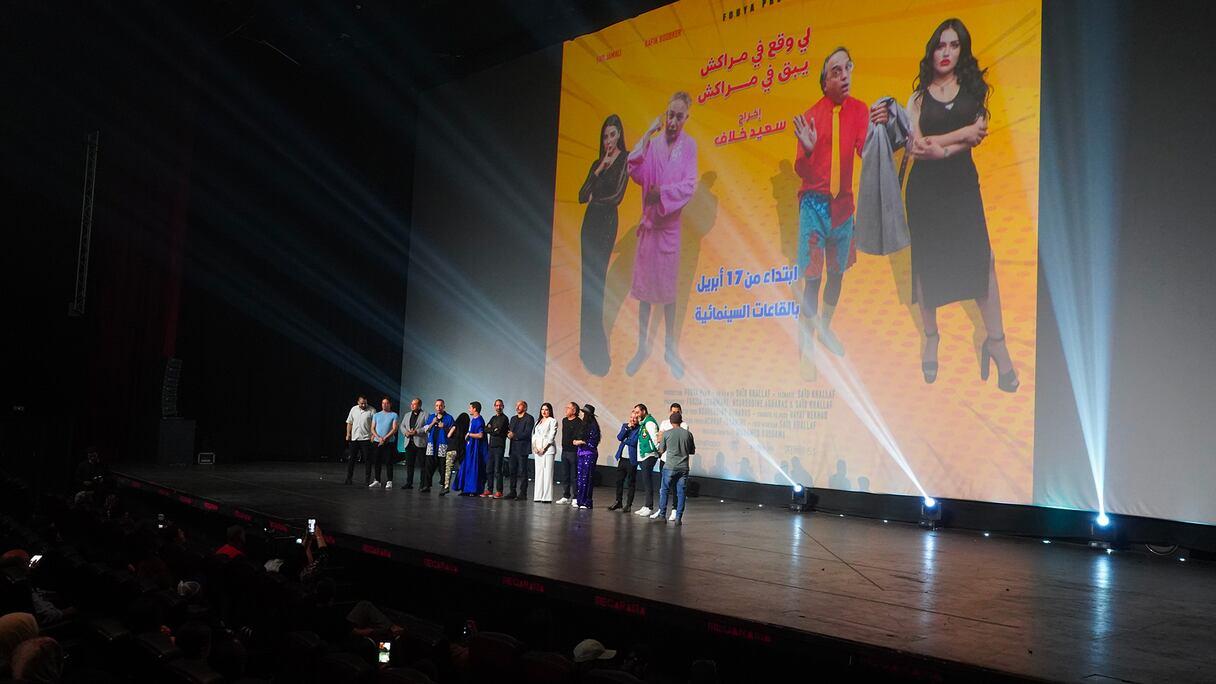
A local film should not simply appear on a schedule without preparation.
The release should feel like an event.
Trailers can begin circulating weeks earlier.
Actors and directors can attend premieres.
Cast interviews can introduce the story.
Universities, cultural institutions and online creators can support audience discovery.
Opening nights can be organised in several cities.
Short discussions after selected screenings can deepen engagement.
This preparation creates urgency.
Audiences understand why the film matters and why it should be seen now rather than months later on television or online.
Megarama can become an active release partner rather than only the location where the film is shown.
Screen Time Must Be Managed Intelligently
Opening weekend is important, but one weekend does not always reveal the full potential of a film.
Some titles attract audiences immediately.
Others depend on reviews and recommendations.
A Moroccan drama may grow more slowly than an international action franchise supported by a global campaign.
Removing a film too quickly can prevent that demand from developing.
Keeping a weak film indefinitely also creates commercial cost.
Data can improve this decision.
Advance bookings.
Occupancy by city.
Audience reactions.
Performance by screening time.
Repeat demand.
A film may perform poorly during weekday afternoons but strongly during weekend evenings.
Another may find a significant audience in one city but not another.
Programming should reflect these differences instead of applying one national decision automatically.
Morocco Is Not One Cinema Market
Audience preferences vary between Casablanca, Rabat, Tangier, Fez and Marrakech.
Age, income, language and local culture influence what people choose to watch.
A comedy may perform strongly in one region.
A historical drama may attract greater interest elsewhere.
French-language content may appeal to one segment while Arabic, Amazigh or English-language productions reach others.
Megarama’s network can provide filmmakers with information that isolated cinemas cannot produce.
The company can test releases across several locations and identify where demand is strongest.
This makes the network valuable not only for exhibition.
It becomes a market-intelligence platform for Moroccan entertainment.
African Films Need Regional Distribution
The opportunity extends beyond Morocco.
African filmmakers often struggle to distribute their work outside their home markets.
A film can receive festival recognition while remaining commercially inaccessible to ordinary audiences across the continent.
The obstacles include fragmented rights, limited marketing budgets and the absence of coordinated cinema networks.
Megarama can help create a route for selected African productions.
A Senegalese, Ivorian, Egyptian, Tunisian or Nigerian film may find an audience in Morocco when the release is promoted correctly.
Moroccan productions can also travel through partnerships with cinema operators elsewhere.
The objective should not be screening African films symbolically for a few days.
It should be identifying projects with genuine cross-border commercial potential.
Subtitles Can Expand The Audience
Language should not prevent strong stories from travelling.
Professional subtitles can allow Moroccan films to reach French-speaking and English-speaking audiences.
African productions can become accessible in Arabic or French.
Diaspora audiences may prefer languages different from those used in the original production.
Subtitling is less expensive than producing another film.
Yet poor translation can weaken the story, humour and emotional impact.
Megarama and distribution partners can establish stronger localisation standards.
A regional content network requires not only screens but also the ability to make stories understandable across markets.
The Diaspora Is A Natural Market
Moroccan cinema has potential audiences across Europe and North America.
Millions of people with Moroccan roots remain interested in the country’s culture, language and social changes.
Younger generations may not consume traditional Moroccan television regularly, but they can respond strongly to modern films reflecting identity, family and contemporary life.
A successful domestic theatrical release can create evidence of demand before international expansion.
Megarama’s audience data can help producers demonstrate that a film already possesses commercial traction.
Partnerships with cinemas abroad could then support limited theatrical events in cities with significant Moroccan communities.
The diaspora should not be treated only as an emotional audience.
It can become part of the business model.
Cinema Must Compete With Streaming
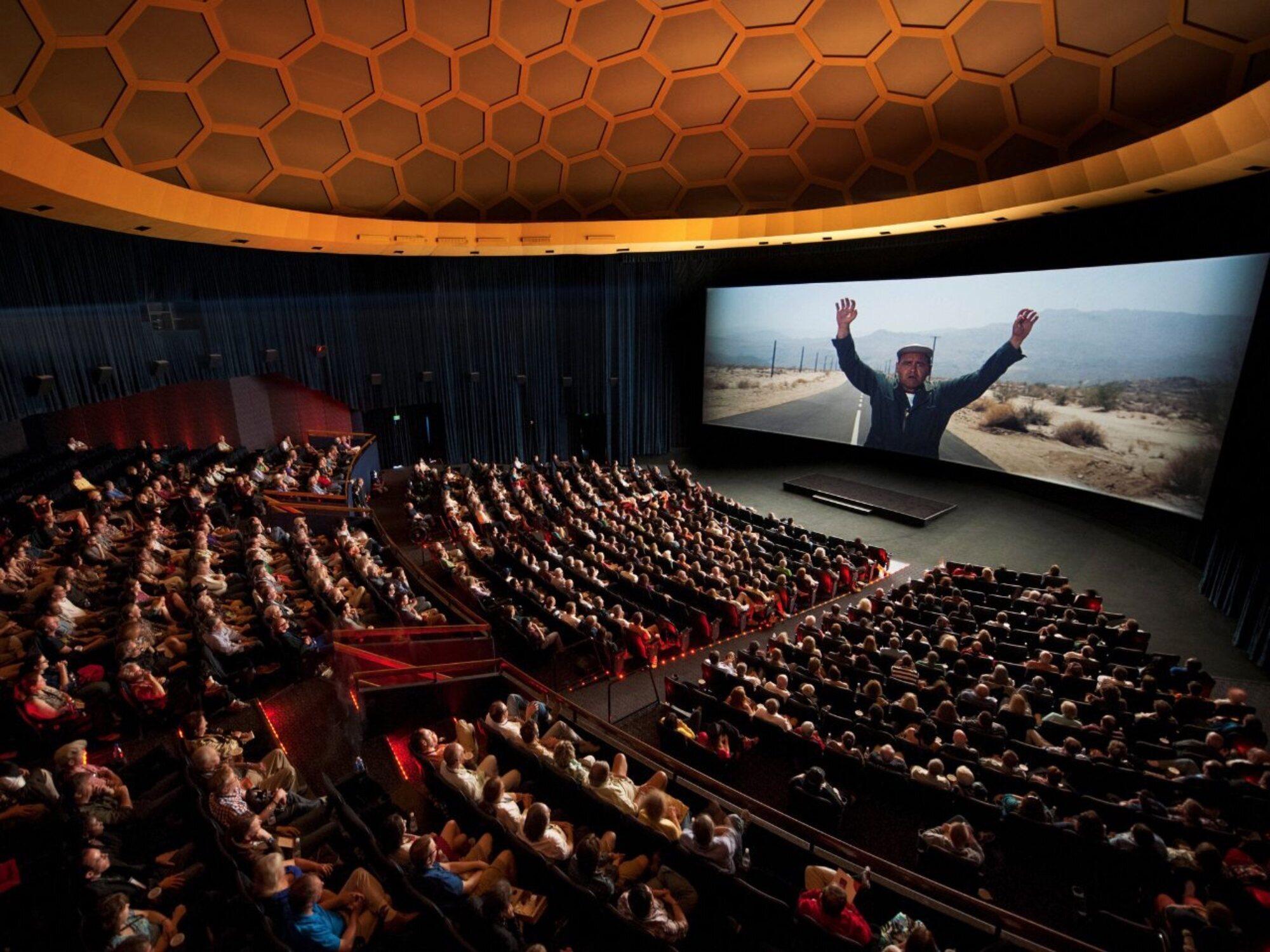
Audiences can watch enormous volumes of content at home.
This means the cinema cannot sell access alone.
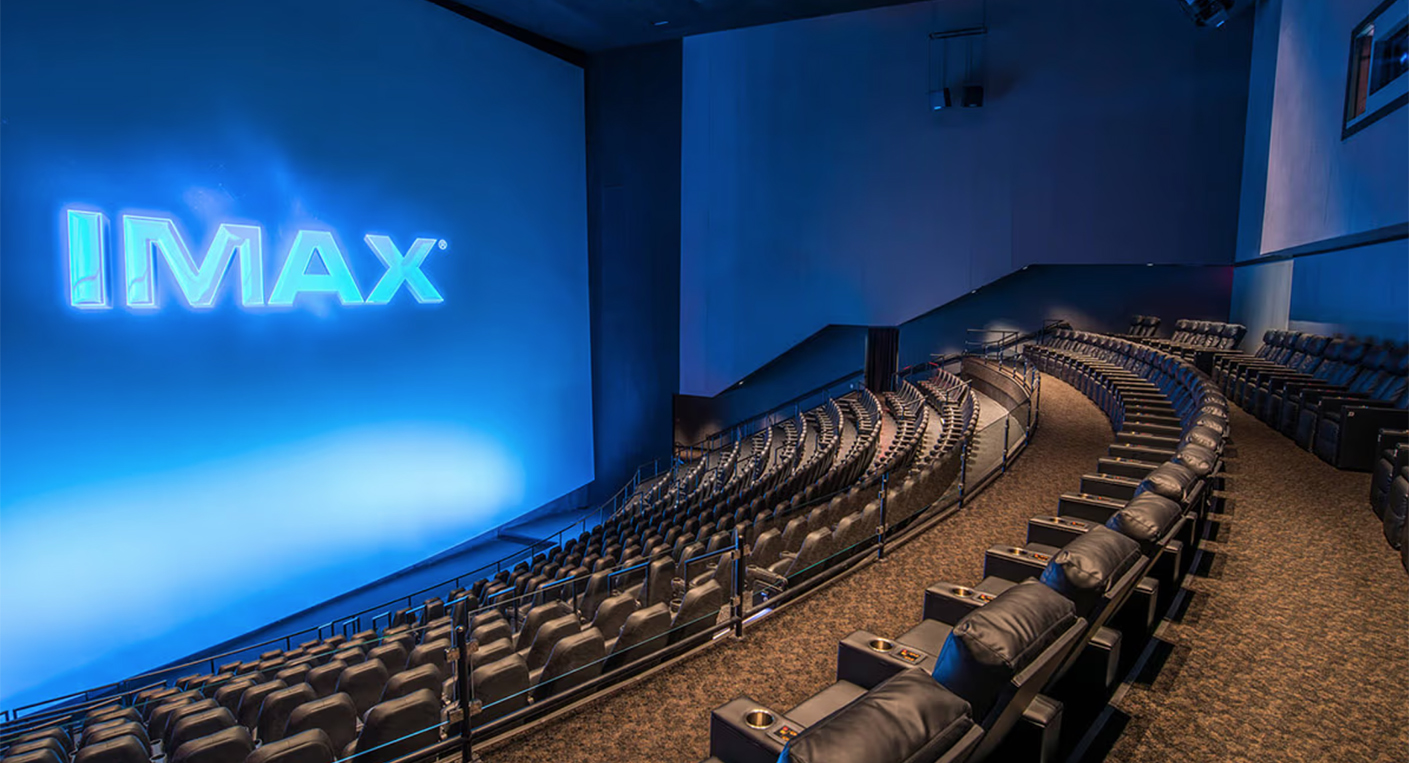
It must sell an experience.
Large screens.
Strong sound.
Comfortable seating.
Collective emotion.
Premieres.
Events.
The feeling of participating in a cultural moment.
This is especially important for local films that may eventually appear on television or streaming platforms.
People need a reason to pay for the theatrical experience first.
Megarama can create that reason through exclusive screenings, cast appearances and stronger presentation.
The cinema becomes more valuable when the event cannot be reproduced completely at home.
Subscriptions Can Encourage Discovery
Customers may hesitate to purchase a separate ticket for an unfamiliar Moroccan or African film.
Membership models can reduce that hesitation.
A monthly subscription or multi-film package makes experimentation easier.
The audience may attend one expected blockbuster and discover a local production through the same programme.
Special passes could connect several Moroccan releases or festival selections.
The pricing must remain commercially sustainable.
But a broader relationship with the customer can increase attendance and reduce dependence on one major title.
Megarama would no longer sell only individual screenings.
It would sell regular participation in cinema culture.
Schools And Universities Can Build Future Audiences
Cinema habits are formed early.
Schools and universities can use films for language, history, culture and media education.
Morning or weekday screenings can also activate auditoriums during quieter periods.
Megarama could work with educational institutions to create curated programmes.
Moroccan classics.
Contemporary national cinema.
African films.
Animation.
Documentaries.
Sessions can include discussions with filmmakers or educational material.
This creates revenue while developing the next generation of cinema audiences.
It also gives young people access to films they may not discover through commercial marketing alone.
Festivals Should Extend Beyond One City
Morocco hosts important film festivals and cultural events.
Their impact can remain geographically concentrated when selected films are screened only in the host city.
Megarama’s network can extend festival programming nationally.
A film presented in Marrakech could later appear through special sessions in Tangier, Rabat, Casablanca or Fez.
Recorded interviews or live digital discussions could accompany the screenings.
This gives more citizens access to cultural events while creating additional commercial life for festival films.
The network turns one temporary event into a broader national programme.
Advertising Can Finance Local Releases
International studios possess substantial promotional budgets.
Local producers often do not.
Cinema advertising and commercial partnerships can help narrow the gap.
A Moroccan company may sponsor the premiere of a national film.
Brands can support discounted student screenings.
A telecom operator may finance a national promotional campaign.
Restaurants and shopping centres can create offers connected with tickets.
Commercial support must remain appropriate to the film and audience.
But stronger partnerships can give local productions the visibility required to compete.
Megarama already connects advertisers with cinema audiences.
That relationship can become part of the financing structure behind Moroccan releases.
Food And Hospitality Can Strengthen The Event
The commercial value of a screening extends beyond the ticket.
Food, premium seating and private events can improve profitability.
A Moroccan premiere can include a reception, media area and sponsor hospitality.
Family films can be connected with affordable group packages.
Late-night releases can include food offers adapted to the audience.
The goal should not be making cinema unnecessarily expensive.
Different products can serve different budgets.
Ordinary tickets protect broad access.
Premium experiences create additional revenue capable of supporting the wider operation.
Filmmakers Need Better Audience Data
Producers often receive box-office totals after release but limited insight into audience behaviour.
More detailed, responsibly aggregated data can improve future projects.
Which age groups attended?
Which cities performed strongest?
When were tickets purchased?
Did trailers convert into bookings?
Which screening times worked?
This information can help producers plan marketing, distribution and future development.
It can also help investors evaluate the commercial potential of Moroccan cinema more realistically.
Data should not replace creative judgment.
It should make the business surrounding creativity more informed.
Independent Producers Need Fair Access
A strong cinema network should remain open to credible projects from outside the largest production companies.
Independent filmmakers often bring new voices, genres and audiences.
But the operator cannot screen every submitted film.
Megarama needs a transparent evaluation process.
Production quality.
Marketing plan.
Target audience.
Distribution readiness.
Advance interest.
Projects meeting professional standards can receive test screenings before wider rollout.
This creates a route into the market without requiring the operator to accept unlimited risk.
The Network Can Support Alternative Content
Cinema auditoriums can host more than conventional feature films.
Concert broadcasts.
Sports events.
Gaming competitions.
Documentaries.
Children’s programmes.
Series premieres.
Corporate presentations.
These formats can fill quieter periods and attract audiences who do not visit cinemas regularly.
They also strengthen Megarama’s position as an entertainment network rather than only a film exhibitor.
The additional activity should remain selective.
The company’s central identity is cinema.
Alternative content creates value when it uses the screen and collective experience meaningfully.
The African Story-Distribution Test
Morocco already possesses filmmakers, actors, technicians and production infrastructure.
What it still needs is a stronger commercial bridge between those creators and the audience.
Megarama can help build that bridge.
Its screens provide national reach.
Its ticketing provides demand information.
Its venues can host premieres, festivals and educational programmes.
Its programming decisions can give Moroccan and African films enough visibility to become real commercial products.
The company does not need to abandon international blockbusters.
Those films generate attendance and remain central to cinema economics.
The opportunity is to use the same professional network to give selected regional stories a stronger route into the market.
A film industry becomes sustainable when stories are not only produced but discovered, watched and paid for.
Morocco has spent years proving that global cinema can be created within the country.
Megarama’s next strategic role is helping Moroccan and African cinema reach the audiences capable of giving those stories a commercial future.