
Seventy years is more than a date on a diplomatic calendar.
It is proof that a relationship has lasted through different eras, governments, economies and global shocks.
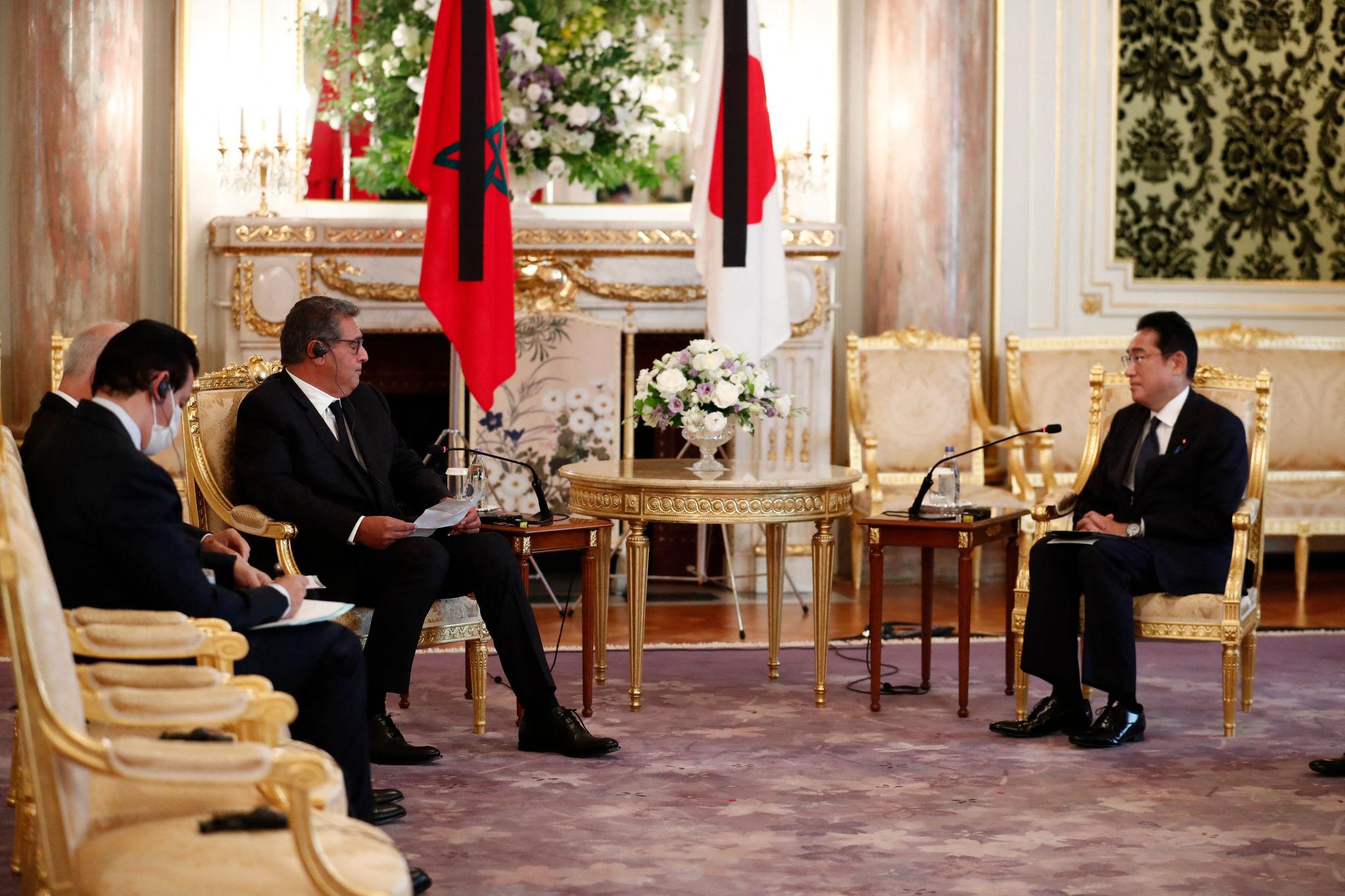
On June 19, 2026, Morocco and Japan celebrated the 70th anniversary of the establishment of diplomatic relations.
But this anniversary is not only about the past.
It is increasingly about the future.
Food security.
Economic security.
Investment.
Technology.
Africa.
The Atlantic.
And a shared interest in stable, long-term cooperation.
A Long Relationship Enters A New Phase
Morocco and Japan have built a relationship over seven decades.
That alone matters.
In a world where alliances shift quickly and supply chains are under pressure, long-term trust has value.
Japan’s Ministry of Foreign Affairs confirmed that the two countries celebrated the 70th anniversary of diplomatic relations on June 19, 2026, with an exchange of letters between their foreign ministers.
That may sound ceremonial.
But diplomacy often works this way.
A letter today can prepare the ground for deeper cooperation tomorrow.
The Timing Feels Important
The anniversary comes at a moment when both countries are looking more seriously at economic security.
For Japan, that means stable partners, reliable supply chains and access to critical agricultural inputs.
For Morocco, it means stronger global partnerships, more investment and a bigger role as a bridge between Africa, Europe and the Atlantic world.
That is why the 70-year mark feels different.
It is not only a celebration.
It is a strategic checkpoint.
Japan Sees Morocco As A Serious Partner
Japan has long been careful in the way it builds international relationships.
It values reliability, stability and long-term planning.
Morocco fits that profile in North Africa.
The Kingdom offers political continuity, Atlantic and Mediterranean access, major infrastructure, industrial growth and a growing role in African partnerships.
For Japan, Morocco can be more than a distant partner.
It can be a platform.
A partner connected to Africa.
A partner close to Europe.
A partner with strategic resources.
Morocco Gains A High-Value Asian Link
For Morocco, Japan offers something very valuable.
Technology.
Industrial expertise.
Agricultural knowledge.
Investment discipline.
Development cooperation.
A global economic reputation.
Japan is not just another country in Asia.
It is one of the world’s major advanced economies.
Stronger ties with Japan can help Morocco diversify its partnerships beyond traditional European links.
That is important for a country that wants to play a bigger global role.
Food Security Is Now Central
The clearest example is food security.
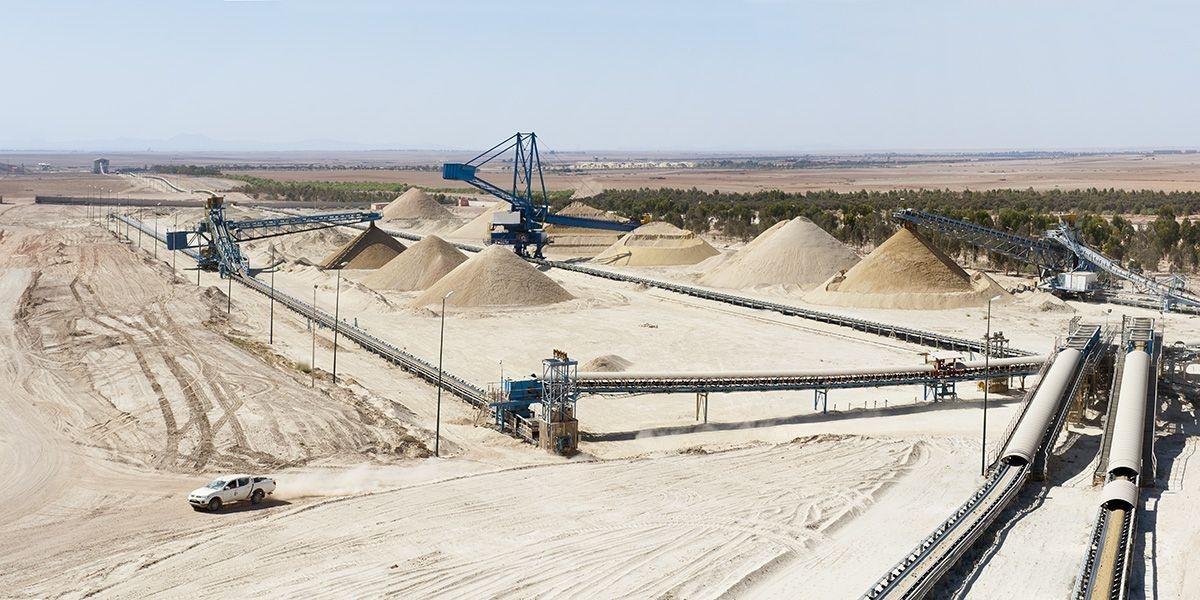
Japan’s Agriculture Minister Norikazu Suzuki recently visited OCP Group’s industrial platform in Jorf Lasfar, underlining cooperation around fertilizer supply and agricultural development.
That connects directly to the bigger Morocco-Japan relationship.
OCP is not only a Moroccan company.
It is a global fertilizer power.
And fertilizer is now a strategic product in a world worried about food prices, farming costs and supply shocks.
OCP Gives Morocco Diplomatic Weight
Morocco’s phosphate and fertilizer strength gives the Kingdom a special place in global food security.
Countries need stable fertilizer supplies to protect agricultural production.
Japan, like many advanced economies, wants reliable partners.
That makes Morocco valuable.
The OCP-Japan link shows how economic cooperation can become strategic diplomacy.
This is not just about exports.
It is about trust in a fragile global food system.
The Joint Communiqué Shows Direction
In May 2026, Moroccan and Japanese foreign ministers held talks and signed a Joint Communiqué described by Morocco’s Foreign Ministry as an operational roadmap for future cooperation.
That matters because it takes the relationship beyond anniversary language.
A roadmap gives structure.
It tells businesses, agencies and institutions where the partnership may go next.
Economic security, cooperation, investment and regional engagement all become part of the conversation.
That is how diplomacy becomes practical.
The Relationship Is Not Only Government-To-Government
Diplomatic ties are official.
But strong relationships also need people.
Culture.
Education.
Business.
Students.
Artists.
Engineers.
Researchers.
Tourists.
Embassies in both countries have marked the anniversary with cultural and commemorative activities, including a logo competition for the 70th anniversary.
These gestures may look small.
But they help people recognize the relationship.
Diplomacy becomes more durable when societies notice it.
Africa Gives The Partnership More Meaning
Morocco’s African role gives Japan another reason to pay attention.
Japan has long engaged with Africa through development cooperation, investment and major diplomatic platforms.
Morocco offers a different kind of African gateway.
It is geographically close to Europe, connected to West Africa and increasingly active in continental economic projects.
For Japan, working with Morocco can support a wider African strategy.
For Morocco, Japanese cooperation can help strengthen its African positioning.
That makes the partnership more strategic than bilateral trade alone.
The Atlantic Dimension Is Growing
Morocco is also building a stronger Atlantic identity.
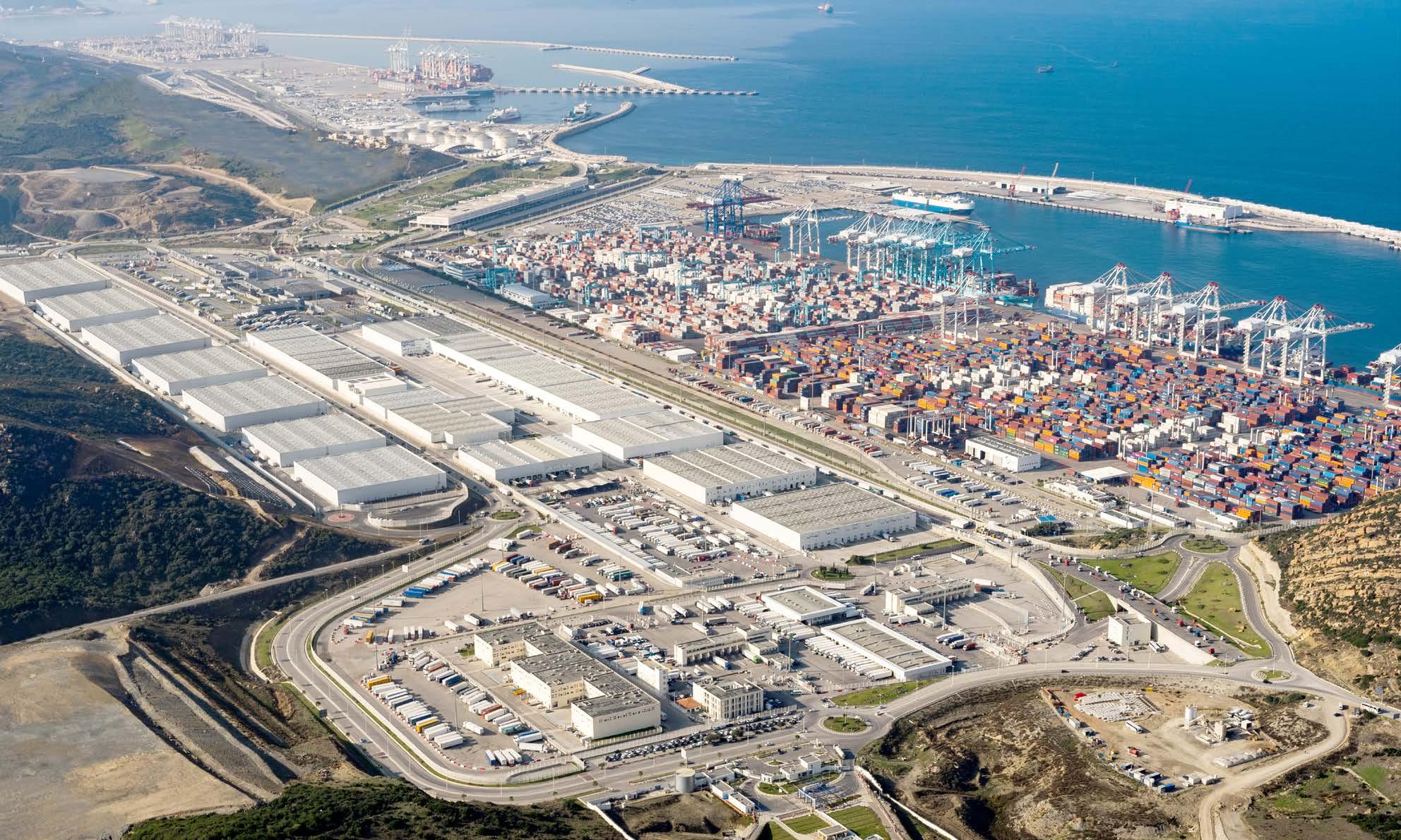
From ports to logistics, from energy to trade corridors, the Atlantic is becoming a key part of the Kingdom’s strategy.
Japan, as a maritime trading power, understands the importance of ports, shipping and supply resilience.
That creates another area of shared interest.
Morocco’s Atlantic initiatives may give Japan a partner with eyes on Africa’s western coast and the wider Atlantic economy.
That is a future-facing angle.
Economic Security Is The New Language
The phrase “economic security” is now appearing more often in global diplomacy.
It means countries are not only thinking about trade volume.
They are thinking about risk.
Who supplies critical goods?
Which routes are safe?
Which partners are stable?
Which industries are strategic?
Japan and Morocco both have reasons to care about these questions.
That is why their 70-year anniversary feels modern.
It is about resilience, not only friendship.
Technology Could Be The Next Layer
Japan’s technology and industrial experience could fit Morocco’s ambitions in several sectors.
Renewable energy.
Water management.
Transport.
Automotive supply chains.
Agriculture.
Digital services.
Disaster resilience.
Urban planning.
These are not fantasy areas.
They match real Moroccan priorities.
A stronger Morocco-Japan relationship could help turn some of these sectors into deeper cooperation.
The challenge is moving from diplomatic language to visible projects.
Morocco’s 2030 Moment Adds Urgency
Morocco is preparing to co-host the 2030 FIFA World Cup with Spain and Portugal.
That gives the country a deadline for infrastructure, tourism, mobility, services and global image.
Japan knows how major events can shape national planning.
It hosted global events and understands the importance of organization, technology and infrastructure discipline.
That experience could make Japanese know-how more relevant as Morocco moves toward 2030.
A Quiet Relationship Can Be Powerful
Morocco-Japan ties are not always loud.
They do not always dominate headlines.
But quiet relationships can be strong.
They can build slowly.
They can avoid drama.
They can focus on practical cooperation.
That may be the real strength here.
Seventy years of ties give both sides a base of trust.
Now the question is how much they can build on it.
The Final Whistle
Morocco and Japan’s 70th diplomatic anniversary is more than a ceremonial milestone.
Marked on June 19, 2026, it comes at a time when both countries are thinking about food security, supply chains, economic resilience and long-term partnerships.
Japan’s interest in OCP, Morocco’s role in Africa and the Kingdom’s Atlantic ambitions all give the relationship new strategic weight.
After 70 years, the story is not only what Morocco and Japan have already built.
It is what they can build next.
 Jamal Mahdad, Founder & Editor-in-Chief