


Morocco has issued a new cyber warning.
And it should make every public institution pay attention.
The alert concerns a massive global data leak known as FortiBleed, which reportedly exposed valid administrator credentials and VPN access information for nearly 75,000 devices worldwide.
Several Moroccan entities may be affected.
That makes this more than a technical story.
It is a public trust story.
Why This Warning Matters
Cybersecurity can sound distant until something breaks.
A hacked system.
A leaked password.
A blocked service.
A stolen database.
A fake login page.
A suspicious email.
Then suddenly, cybersecurity becomes real.
Morocco’s latest warning is important because it touches the systems that institutions use to protect access, manage networks and keep services running.
If credentials are exposed, attackers may not need to break the door.
They may already have a key.
What FortiBleed Means
The reported leak is linked to internet-facing Fortinet FortiGate firewalls and SSL VPN gateways.
These are tools used by organisations to protect networks and allow remote access.
In simple terms, they help institutions manage who can enter their digital systems.
If administrator credentials or VPN access details are leaked, the risk becomes serious.
Attackers may try to use those details to enter networks, move inside systems or steal more information.
That is why quick action matters.
Moroccan Entities Are Among Those Affected
Morocco’s cybersecurity authorities warned that several Moroccan institutions may be affected by the global leak.
Yabiladi reported that around 30 entities based in Morocco were hit, while the broader leak reportedly involved nearly 75,000 devices worldwide.
That does not mean every affected system has been fully hacked.
But it does mean the risk is real.
Any exposed access information must be treated as urgent.
In cybersecurity, waiting can be expensive.
This Is A Global Problem With Local Consequences
The leak may be global, but the consequences are local.
A global cyber incident can reach Moroccan institutions, companies, public services and citizens.
That is how digital risk works.
A weakness in one technology product can affect organisations across many countries at the same time.
This is why public institutions cannot treat cybersecurity as a side issue.
They are connected to a global digital environment.
And that environment is always under pressure.
Public Institutions Carry Extra Responsibility

Public institutions hold sensitive information.
Citizen data.
Employee data.
Administrative systems.
Financial records.
Internal communications.
Health, education, social and service-related information.
When these systems are exposed, the damage can go beyond one office.
It can affect trust.
Citizens expect institutions to protect their information.
That trust is hard to build and easy to damage.
Passwords Are No Longer Enough
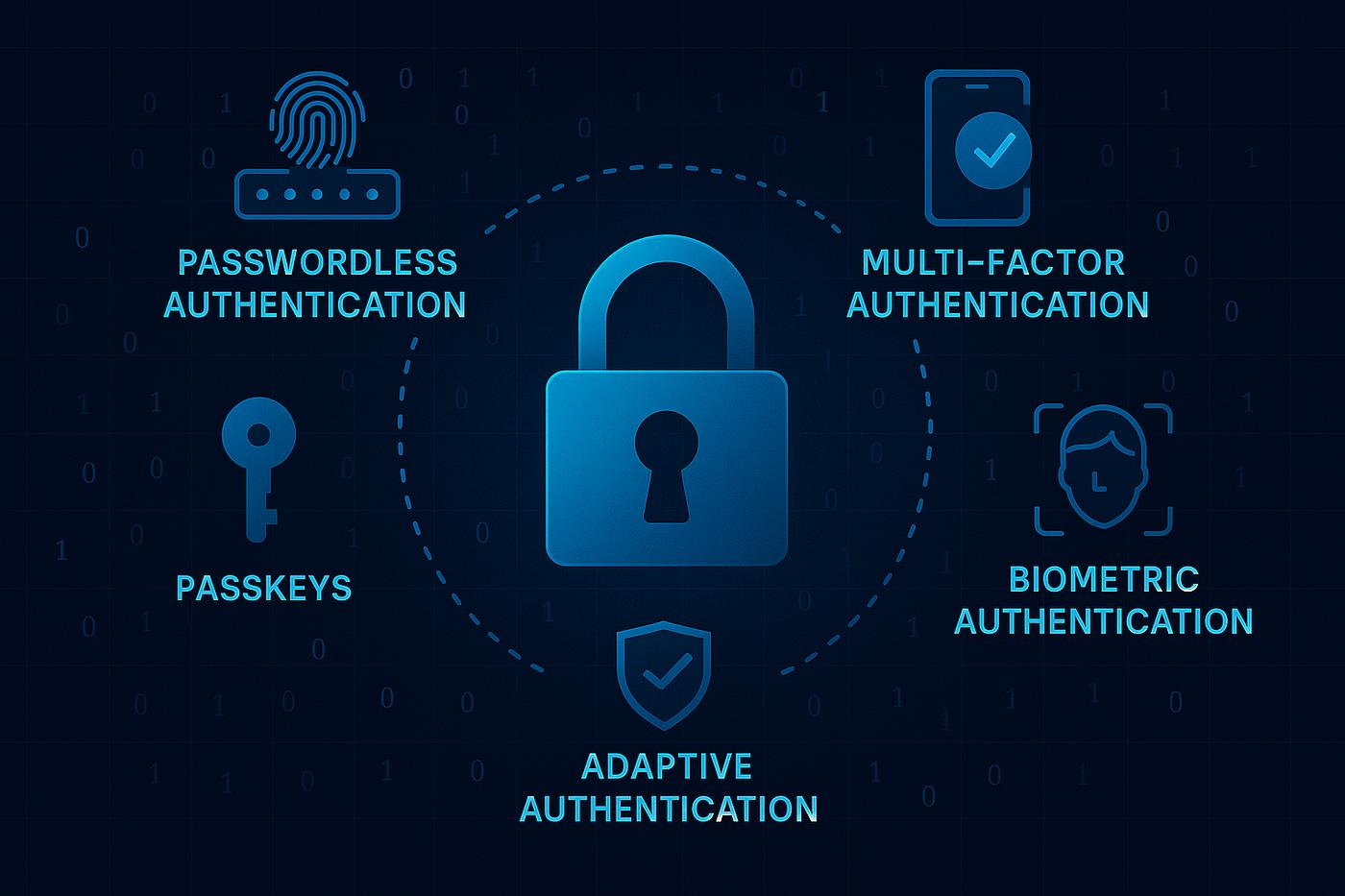
One lesson is clear.
Passwords alone are not enough.
If credentials are leaked, attackers may try to log in like legitimate users.
That is why institutions need stronger controls.
Multi-factor authentication.
Regular password rotation.
Access monitoring.
Network segmentation.
Device patching.
Suspicious login alerts.
Quick incident response.
Cybersecurity is not one tool.
It is a habit, a system and a culture.
VPN Access Can Be A Weak Point
VPNs are useful.
They allow remote work and secure access to internal systems.
But they can also become a risk if credentials are stolen or devices are not properly updated.
A VPN door must be guarded carefully.
Institutions need to know who is connecting, from where, at what time and with what permissions.
If something looks wrong, access should be blocked quickly.
In modern cyber defence, visibility is everything.
The First Step Is To Change The Keys
When access information may be exposed, the first response is simple.
Change the keys.
Reset passwords.
Revoke old sessions.
Rotate administrator credentials.
Review VPN accounts.
Disable unused users.
Check logs.
Patch vulnerable devices.
Look for suspicious activity.
These steps may sound technical, but they are basic digital hygiene.
If a key may be copied, you change the lock.
Why Patching Matters
Many cyber incidents become worse because systems are not updated.
A patch can close a known weakness.
But if organisations delay updates, attackers get time.
Public institutions often run complex systems, and updating them can feel difficult.
But delays create risk.
Cybersecurity teams need authority, budget and speed.
A patch sitting on a checklist does not protect anyone.
It protects only when it is applied.
Morocco Has Already Seen Cyber Pressure
Morocco has faced several cybersecurity concerns in recent years, including major data-related incidents and fraud attempts using leaked or stolen information.
That makes the latest warning part of a bigger pattern.
Cyber threats are becoming more frequent, more organised and more damaging.
Public institutions, banks, schools, hospitals, companies and citizens all have a role to play.
The country’s digital transformation makes cybersecurity more important, not less.
Digital Trust Is Part Of Modern Governance
As more services move online, trust becomes essential.
People use digital portals.
They submit documents.
They receive messages.
They pay fees.
They check administrative information.
They communicate with institutions.
If users fear that systems are unsafe, digital progress slows down.
That is why cybersecurity is not only an IT issue.
It is a governance issue.
A country cannot modernise digitally without protecting the systems people use.
Small Mistakes Can Open Big Doors
Many cyberattacks do not begin with dramatic hacking scenes.
They begin with small mistakes.
An old password.
An unpatched device.
A forgotten admin account.
A weak VPN setting.
A phishing email.
A public server that should not be exposed.
A reused password.
These small weaknesses can become big doors.
That is why institutions need regular audits, training and clear accountability.
Cybersecurity must be boring before it becomes urgent.
Citizens Also Need Awareness
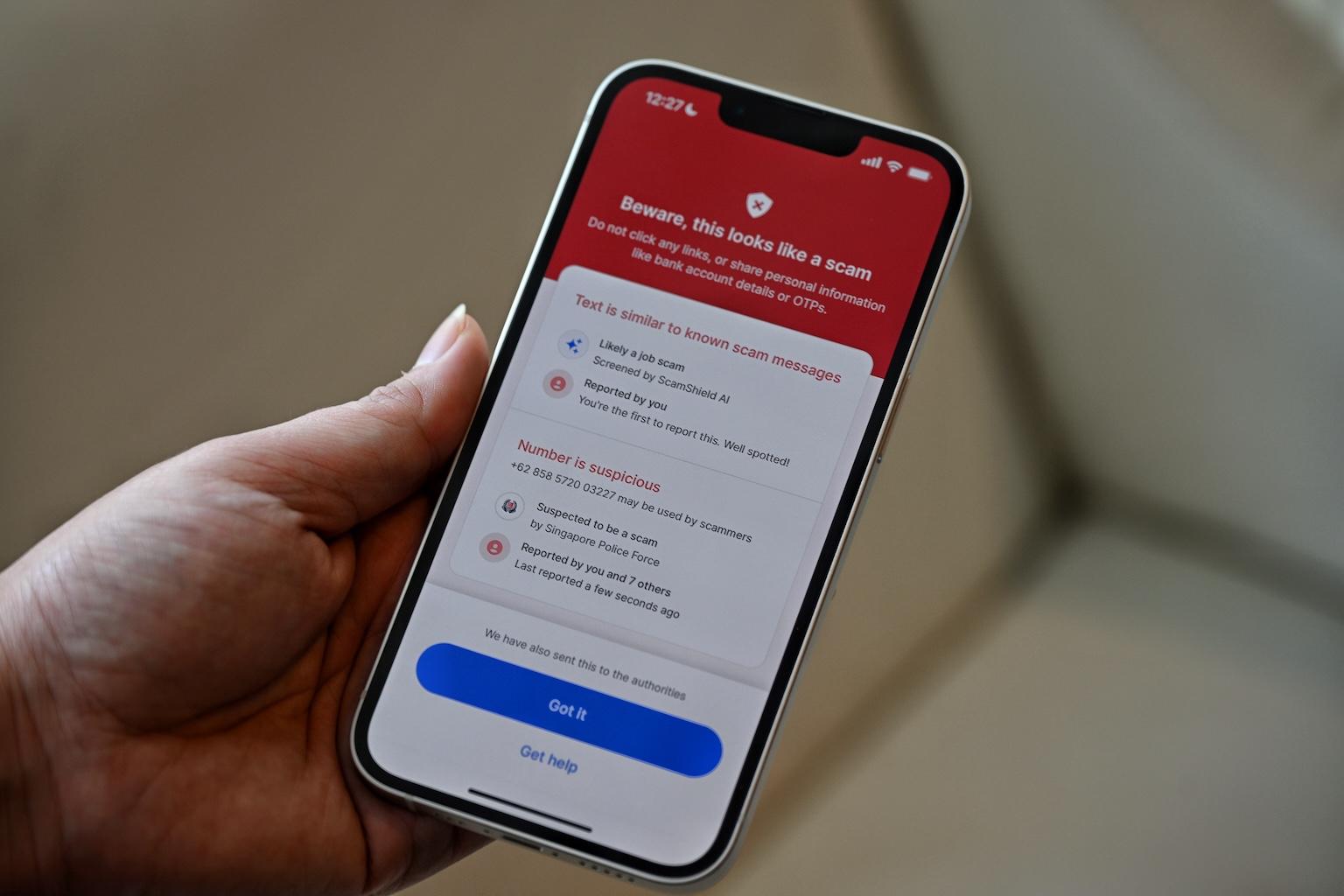
Institutions are the main focus of this alert.
But citizens also need caution.
When data leaks happen, scammers often try to exploit fear and confusion.
Fake emails.
Fake SMS messages.
Fake payment links.
Fake fines.
Fake bank warnings.
Fake government notices.
People should avoid clicking suspicious links and should verify messages through official channels.
A cyber leak can quickly become a fraud wave.
Public Communication Matters
During cyber alerts, communication is important.
People do not need panic.
They need clear information.
Which systems are affected?
What steps are being taken?
What should users do?
What should employees avoid?
Who should report suspicious activity to?
Silence can create rumours.
Clear communication builds confidence.
Cybersecurity is technical, but trust is human.
This Is A Budget Priority Now
Cybersecurity needs money.
Skilled staff.
Monitoring tools.
Training.
Backups.
Secure infrastructure.
Incident response plans.
External audits.
Public institutions cannot protect modern systems with old habits and small budgets.
As Morocco digitises more services, cybersecurity spending becomes part of national resilience.
It is not an optional extra.
It is infrastructure.
The Final Whistle
Morocco’s cyber alert over the FortiBleed data leak is a wake-up call for public institutions.
With valid administrator credentials and VPN access reportedly exposed for nearly 75,000 devices worldwide, and several Moroccan entities potentially affected, the message is clear.
Digital doors must be checked.
Passwords must be changed.
Systems must be patched.
Access must be monitored.
Public trust now depends not only on buildings, counters and paperwork.
It depends on networks, passwords and the invisible systems that keep institutions running.
 Jamal Mahdad, Founder & Editor-in-Chief