

The World Cup used to be easier to understand.
Win your group.
Finish second.
Go home.
Now, fans need tables, calculators, goal difference, third-place rankings and bracket predictions just to understand what happens next.
The 2026 FIFA World Cup is the first edition with 48 teams, and the new format is turning the group stage into a global maths lesson.
For some fans, it is exciting.
For others, it is confusing.
The New Format Changed Everything
The old World Cup format had 32 teams.
Eight groups.
Four teams in each group.
The top two teams advanced to the knockout stage.
Simple.
The 2026 edition is different.
There are 48 teams, split into 12 groups of four.
The top two teams from each group qualify automatically.
Then the eight best third-placed teams also advance.
That creates a new Round of 32.
More teams.
More matches.
More drama.
More confusion.
Why Fans Are Doing Maths
The problem is not only who finishes first or second.
It is what happens to the third-placed teams.
A team can finish third in its group and still qualify.
But only if it is one of the eight best third-placed teams across all 12 groups.
That means fans cannot only watch their own group.
They need to watch other groups too.
A third-place team in Group C may depend on what happens in Group F, Group I or Group L.
That is where the headache begins.
Third Place Is No Longer The End
In older World Cups, finishing third usually meant elimination.
Now it can mean survival.
That changes the emotional meaning of the final group matches.
A team with four points may feel safe.
A team with three points may still hope.
A team with two points may wait for goal difference.
A team that loses may still check other results.
The tournament becomes less final and more complicated.
Fans do not know whether to celebrate, panic or refresh the table again.
The Round Of 32 Adds A New Layer
The new knockout stage begins with a Round of 32.
That means more teams reach the knockout phase than before.
It also means more bracket possibilities.
Who plays whom?
Which group winner faces which third-placed side?
Which runner-up lands in the harder half?
Which route looks easier?
Which route looks impossible?
Fans love routes.
But the new format makes routes harder to predict.
One late goal in another group can change the whole picture.
Morocco Fans Know The Feeling
Moroccan fans are living this now.
The Atlas Lions are level with Brazil on four points in Group C, with Brazil ahead on goal difference.
Morocco face Haiti in their final group match.
Brazil face Scotland.
That means Morocco’s route is not only about Morocco beating Haiti.
It also depends on Brazil’s result, Scotland’s result, goal difference and the wider bracket.
This is why Group C already feels like a puzzle.
Winning The Group Still Matters
Even in the new format, finishing first matters.
A group winner usually gets a stronger psychological boost.
It can also affect the knockout route.
For Morocco, finishing above Brazil would be a massive statement.
It would tell the world that the Atlas Lions are not only chasing qualification.
They are chasing authority.
But the new format means even finishing second may not be disastrous.
That is what makes the maths more complicated.
There are more good outcomes, more bad outcomes and more in-between outcomes.
Third-Place Teams Create Drama
The third-place rule creates excitement because more teams stay alive longer.
That is good for fans of smaller nations.
It keeps more countries engaged.
It makes final group matches more meaningful.
It creates hope.
But it also creates confusion.
A team may not know immediately whether it has qualified.
Fans may watch other matches hours or days later, hoping the results go their way.
That can be thrilling.
It can also feel exhausting.
The Tables Are Everywhere
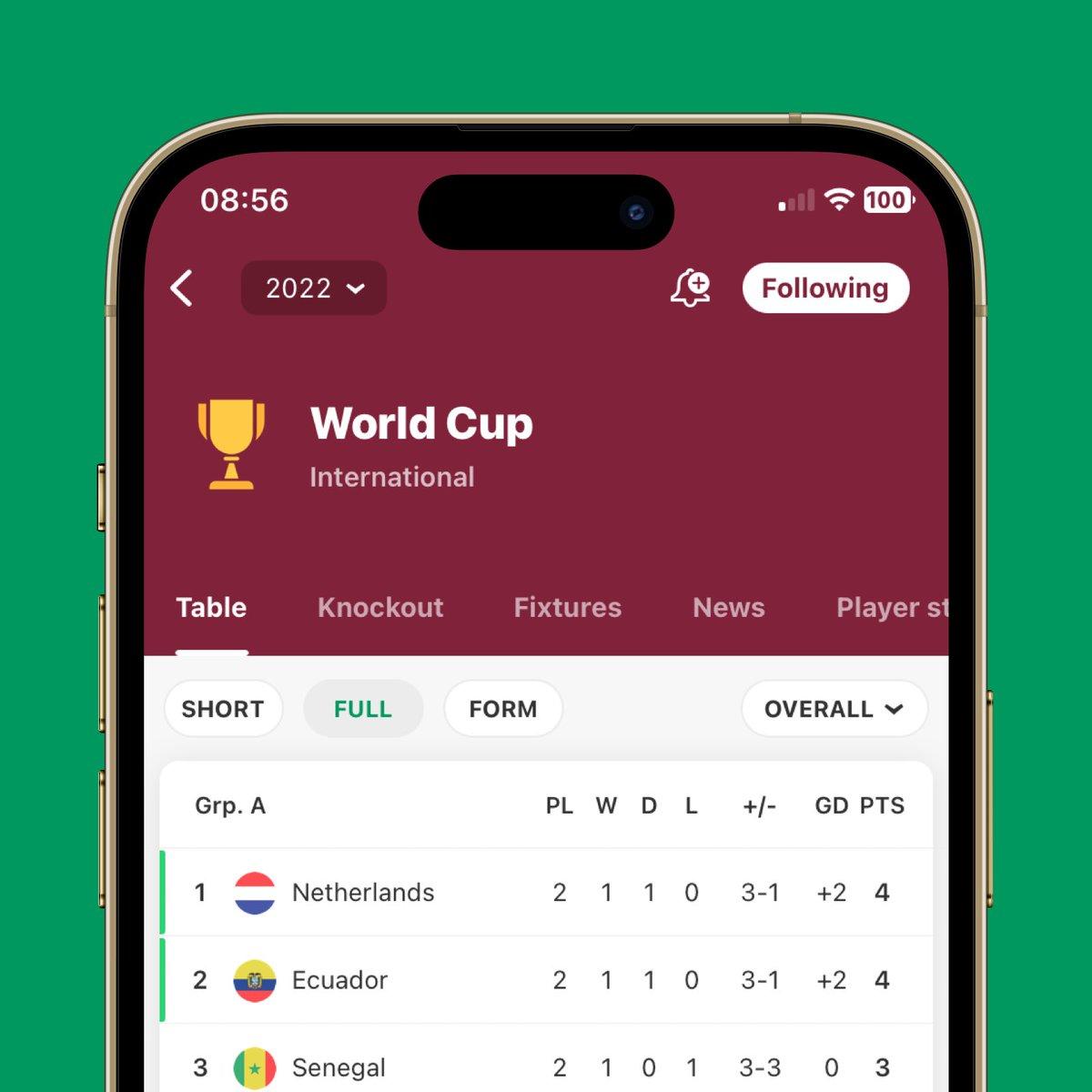
This World Cup is turning everyone into a standings expert.
Social media is full of tables.
Group rankings.
Best third-place charts.
Possible Round of 32 opponents.
Goal difference scenarios.
Points calculators.
Fans are sharing screenshots in WhatsApp groups.
They are arguing over tie-breakers.
They are asking whether three points is enough.
They are trying to understand what one late goal means.
Football has become spreadsheet entertainment.
Goal Difference Is Now A Main Character
Goal difference has always mattered.
But in this format, it feels even more important.
For group winners, it can decide first place.
For third-place teams, it can decide survival.
For fans, it can turn a match from comfortable to stressful.
A team winning 1-0 may still push for a second goal.
A team losing 2-0 may fight to avoid a third.
One goal can decide whether a team gets a dream route or goes home.
That makes every minute feel loaded.
Why The Format Can Feel Unfair
Some fans may also feel the system is unfair.
Not all groups are equal.
Some groups are harder.
Some third-placed teams may have faced stronger opponents.
Others may benefit from easier draws.
Weather, travel and scheduling can also differ.
When eight of twelve third-placed teams advance, comparisons become messy.
That does not mean the format is wrong.
But it does mean debate is guaranteed.
Football fans love debate.
This format gives them plenty.
More Teams Means More Countries Dreaming
There is also a positive side.
The expanded format gives more countries a chance to play at the World Cup.
That means more flags.
More fanbases.
More national stories.
More first-time moments.
More players hearing their anthem on the biggest stage.
For many countries, even reaching the Round of 32 would be historic.
That is the emotional argument for expansion.
The World Cup becomes more global.
But Bigger Is Not Always Simpler
The problem is that bigger tournaments are harder to follow.
More groups mean more matches.
More matches mean more scenarios.
More scenarios mean more confusion.
A casual fan may not watch every group.
They may not know which third-placed teams are safe.
They may not understand why one team celebrates after a draw while another panics after the same result.
The format creates drama, but it asks more from the audience.
Broadcasters Have A New Job
Television and streaming platforms now have to explain the tournament better.
They need live tables.
Clear graphics.
Bracket updates.
Third-place rankings.
Tie-breaker explanations.
Fans do not want to feel lost.
If broadcasters explain the maths well, the format becomes exciting.
If they explain it badly, viewers get frustrated.
This World Cup is not only testing teams.
It is testing presenters, analysts and graphics teams too.
The Internet Loves The Confusion

Confusion is also perfect for viral content.
One account posts a bracket.
Another says it is wrong.
A fan makes a calculator.
A journalist explains tie-breakers.
Someone posts a meme about needing a university degree to understand qualification.
That is modern World Cup culture.
The format may confuse people, but it also gives them something to talk about every day.
The maths becomes part of the entertainment.
The Best Third-Place Race Could Be Wild
The race for the eight best third-placed spots may become one of the most dramatic parts of the group stage.
Some teams will finish their matches and wait.
Others will know exactly what they need.
A late goal in one group could eliminate a country in another.
Fans may celebrate goals scored by teams they do not even support because it helps their bracket.
That is strange.
But it is also very World Cup.
Morocco’s Route Could Shift Quickly
For Morocco, this is why the Haiti match matters so much.
A strong win could help the Atlas Lions chase first place.
A narrow win could still be enough for qualification but may shape the route differently.
A draw could create more uncertainty.
A defeat would make the maths uncomfortable.
That is why Moroccan fans are already looking beyond the match.
They are not only asking if Morocco can qualify.
They are asking where the route could lead.
The New Format Rewards Focus
For teams, the lesson is simple.
Do not rely on maths.
Win matches.
Score goals.
Avoid heavy defeats.
Control what you can control.
The best way to avoid third-place confusion is to finish first or second clearly.
That is what strong teams will try to do.
The format may be complicated for fans.
For players, the message remains basic.
Get points.
The Final Whistle
The new 48-team World Cup format is confusing fans everywhere because it has changed how the group stage works.
With 12 groups of four, the top two teams from each group and the eight best third-placed teams advance to a new Round of 32.
That means more hope, more drama and more countries staying alive.
But it also means more tables, more tie-breakers and more knockout maths.
For fans, the World Cup is no longer only about watching the match.
It is about understanding the route.
And in 2026, that route is already making heads spin.
 Jamal Mahdad, Founder & Editor-in-Chief