
Morocco’s summer is not only about beaches, hotels and airport arrivals.
It is also about tables.
Restaurant tables.
Café tables.
Rooftop tables.
Seaside tables.
Medina tables.
Street-food counters.
As tourist numbers rise again in 2026, Morocco’s food scene could be heading into one of its busiest seasons yet.
Tourists Do Not Only Book Rooms
Every tourist needs more than a hotel bed.
They need breakfast.
Coffee.
Lunch.
Water.
Snacks.
Dinner.
Dessert.
Late-night food.
Airport meals.
Road-trip stops.
Beach cafés.
That is why tourism quickly becomes a food story.
When arrivals rise, restaurants feel it.
When hotels fill, cafés feel it.
When medinas get busy, food sellers feel it.
Tourism does not stop at reception.
It moves straight to the table.
Morocco’s Numbers Are Strong
Morocco welcomed more than 7.7 million tourists during the first five months of 2026, according to official data reported by local media.
That was a 7% increase compared with the same period last year.
May alone brought around 1.7 million visitors, up 13% from May 2025.
Those numbers matter because they arrived before the full summer peak.
If the momentum continues, restaurants in major cities and coastal destinations could feel a strong season.
2025 Was Already A Record Year
The pressure did not start this summer.
Morocco welcomed a record 19.8 million tourists in 2025, up 14% from the previous year, according to the tourism ministry.
Tourism revenues also climbed strongly, reaching 124 billion dirhams between January and November 2025.
That tells restaurants something important.
Morocco is not waiting for tourism to recover.
It is already in expansion mode.
And food businesses are part of that expansion.
Restaurants Are The First To Feel Footfall
Tourism creates footfall.
Footfall creates orders.
Orders create kitchen pressure.
A busy travel season can turn a quiet street into a money street.
It can turn a simple café into a daily stop.
It can turn a small fish restaurant into a must-try place.
It can turn a breakfast terrace into a waiting-list spot.
Restaurants feel tourism fast because eating is immediate.
A visitor may delay shopping.
They cannot delay meals for long.
The Cities That Could Feel It Most
Some destinations are likely to feel the food rush first.
Marrakech with its rooftops, riads, gardens and evening dining.
Agadir with beach restaurants and family holidays.
Essaouira with seafood, music and summer visitors.
Tangier with cafés, views and ferry-linked movement.
Casablanca with business travel and airport traffic.
Fes with medina food and cultural tourism.
Rabat with calmer city breaks.
Each city has a different table.
But all can benefit when tourism rises.
Medina Food Has A Special Pull
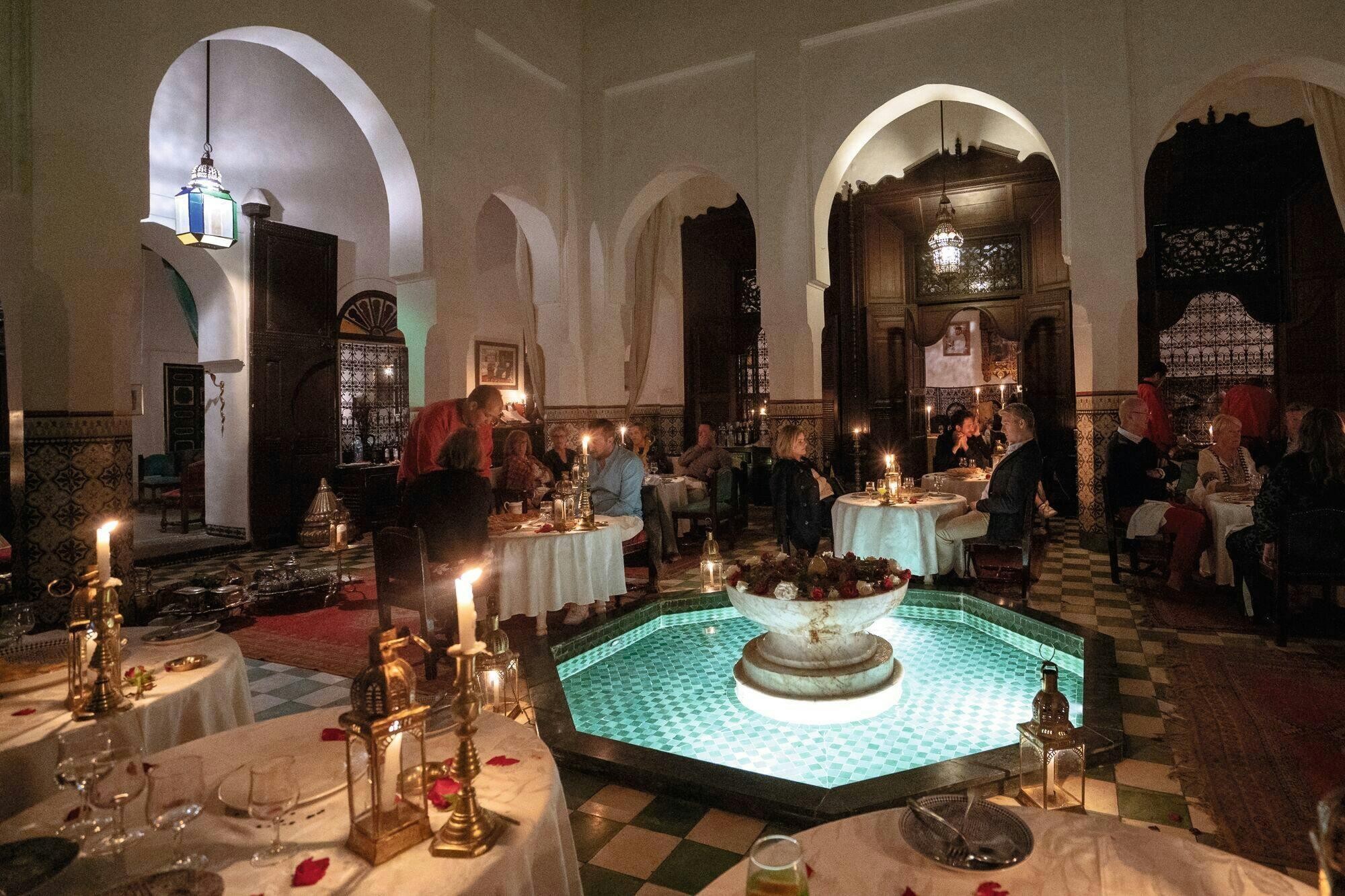
Many visitors come to Morocco for atmosphere.
The medina gives them that.
Narrow lanes.
Spices.
Bread ovens.
Grilled meat.
Mint tea.
Fresh juice.
Pastries.
Tagines.
Couscous.
The food is not separate from the travel experience.
It is the travel experience.
For tourists, eating in a medina can feel more memorable than buying a souvenir.
That is why traditional food businesses can win big in summer.
Seaside Dining Could Be A Winner
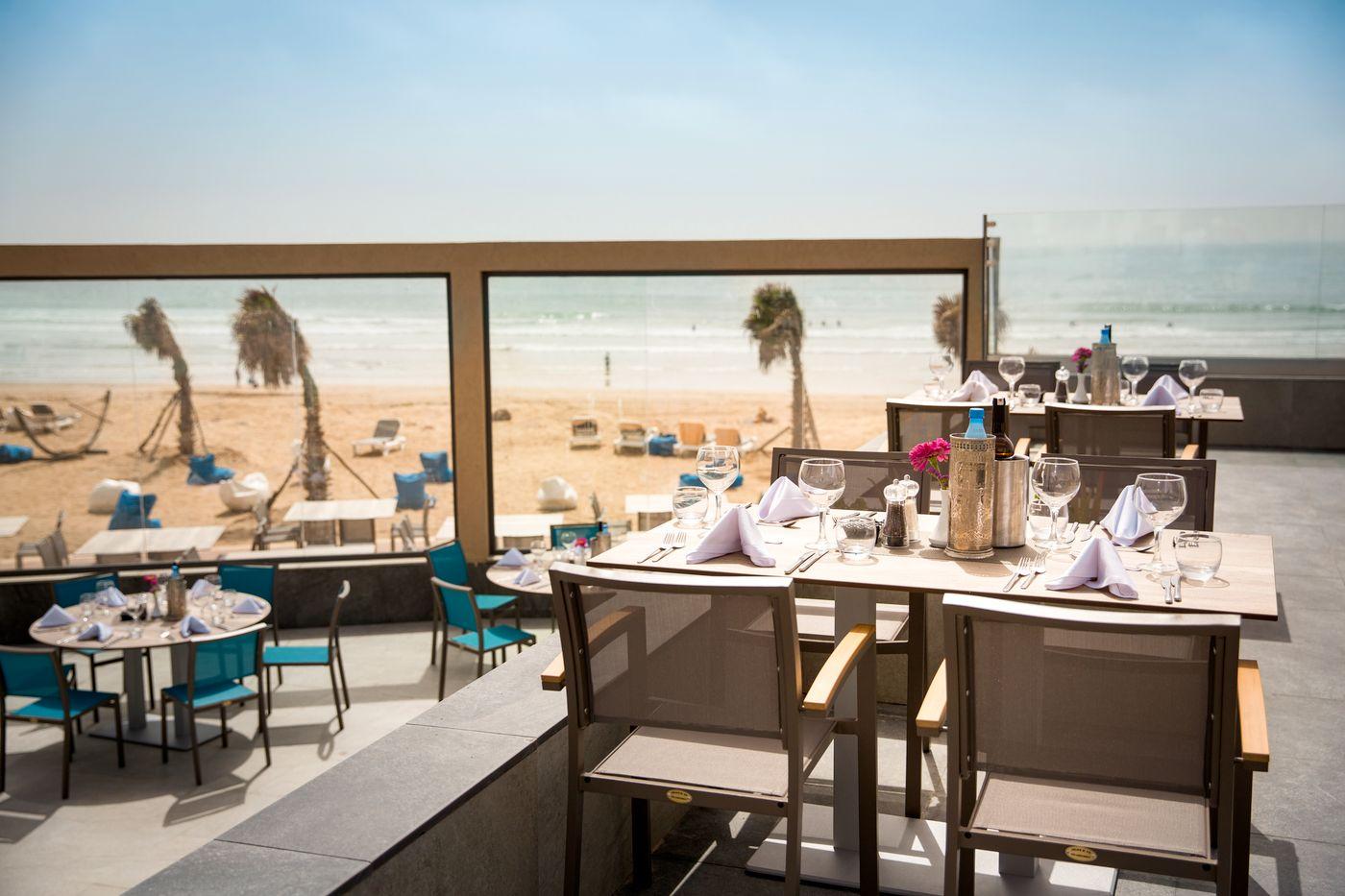
Summer also pushes people toward the coast.
Essaouira.
Agadir.
Al Hoceima.
Tangier.
Tetouan.
Saidia.
Dakhla.
Visitors want sea air and seafood.
They want grilled fish, salads, cold drinks, ice cream and long dinners after sunset.
A strong tourism season can therefore boost beach cafés, fish restaurants and seaside snack spots.
When the weather heats up, the coast becomes a giant dining room.
The Moroccan Breakfast Moment
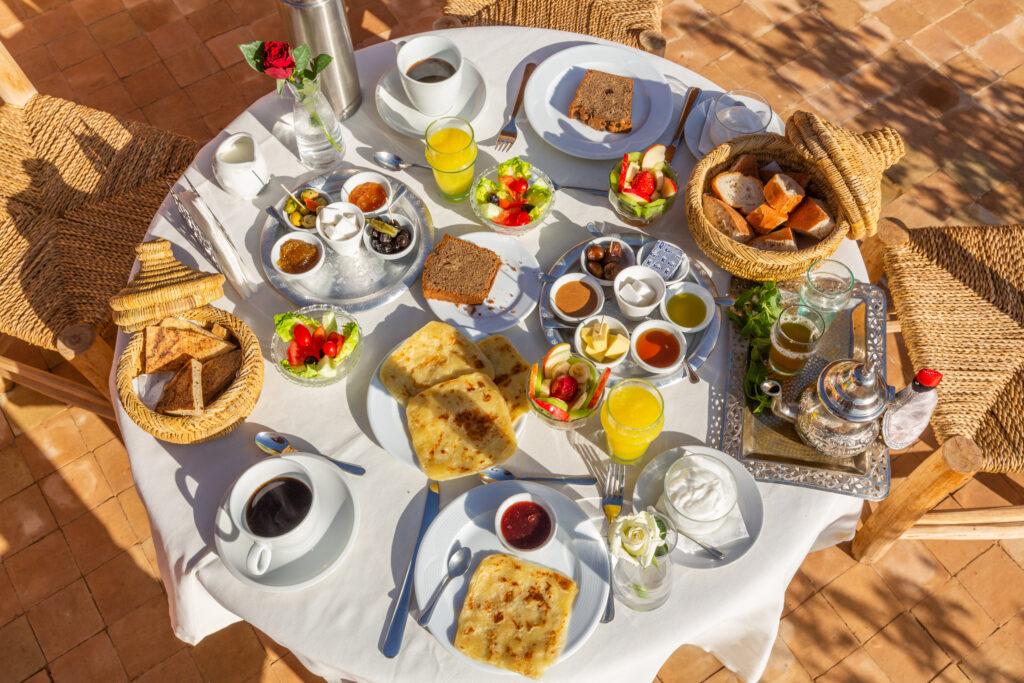
Breakfast is becoming a travel product too.
Moroccan pancakes.
Msemen.
Baghrir.
Honey.
Olive oil.
Amlou.
Fresh bread.
Cheese.
Eggs.
Mint tea.
Orange juice.
Tourists love it because it feels local, colourful and easy to photograph.
Hotels know this.
Riads know this.
Cafés know this.
A strong tourism season can turn breakfast into one of the most profitable moments of the day.
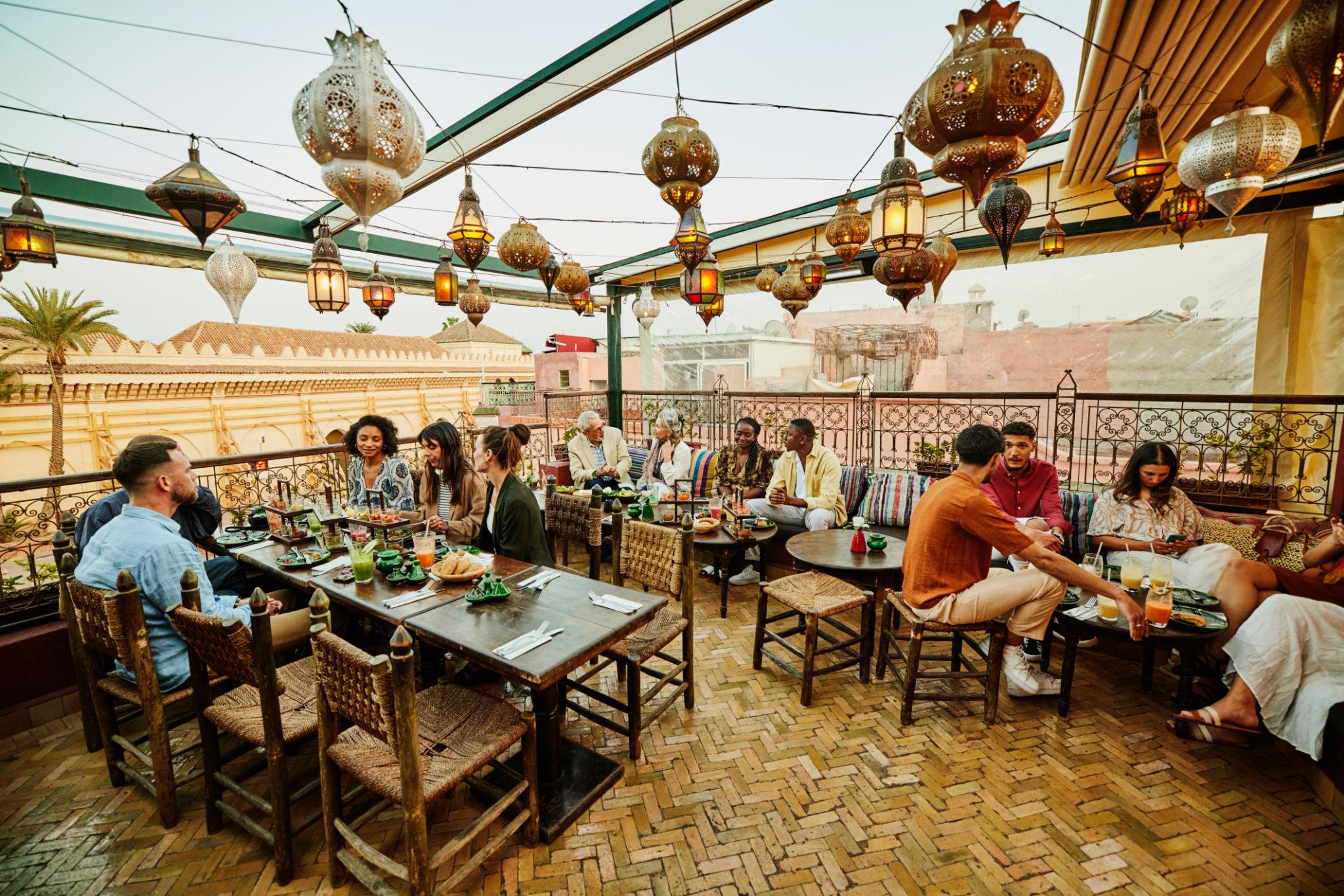
Rooftops And Views Sell Fast
In cities like Marrakech, Tangier and Fes, restaurants with views have a clear advantage.
Tourists do not only want food.
They want a picture.
A sunset.
A skyline.
A medina rooftop.
A sea view.
A table that feels like a memory.
That means restaurants with strong locations can charge more, fill faster and trend online.
In summer, the best tables may not be the closest to the kitchen.
They may be the closest to the view.
Small Restaurants Can Benefit Too
A tourism boom is not only for luxury restaurants.
Small places can win too.
A local sandwich shop.
A juice stand.
A family-run café.
A tajine spot.
A bakery.
A seafood grill.
A roadside stop.
Many tourists look for authentic, affordable and simple food.
They want places where locals eat.
They want real flavour.
That gives small businesses a chance to compete against bigger names.
Good food travels fast online.
Social Media Can Fill A Restaurant Overnight
Instagram and TikTok now shape where people eat.
A single video of a Moroccan breakfast, seafood plate or rooftop dinner can bring new customers.
Tourists often search food before they arrive.
They save places.
They follow travel pages.
They ask for recommendations.
They choose restaurants based on photos, reviews and short videos.
That means the summer table is also a digital table.
Food businesses that look good online can gain a major advantage.
The Staffing Challenge Is Real
Busy restaurants need workers.
Cooks.
Waiters.
Cleaners.
Hosts.
Delivery staff.
Cashiers.
Managers.
Seasonal tourism can create jobs, but it also creates pressure.
Restaurants must train teams quickly.
Service must stay friendly.
Food must stay consistent.
Hygiene must stay strong.
A full restaurant is only good news if the experience is good enough to bring people back.
Prices Must Stay Smart
A tourism boom can tempt some businesses to raise prices too quickly.
That can be risky.
Tourists compare.
Locals notice.
Bad reviews travel fast.
A restaurant may earn more in one night but lose reputation for the season.
The smartest food businesses balance profit with value.
Morocco’s food appeal is partly built on generosity.
Big flavours.
Warm service.
Fair prices.
That should not disappear when demand rises.
Local Families Matter Too
Summer restaurants do not serve only foreign tourists.
They serve Moroccan families, diaspora visitors and domestic travelers.
Moroccans returning from Europe often spend heavily in cafés, restaurants and beach towns.
Local families also travel during school holidays.
That means the summer table is mixed.
Foreign visitors.
MRE families.
Domestic tourists.
Young people.
Food lovers.
A strong restaurant season depends on all of them.
Tourism Helps Suppliers Behind The Scenes
The food boom does not stop at the restaurant door.
It supports suppliers too.
Farmers.
Fishermen.
Butchers.
Bakers.
Drink distributors.
Spice sellers.
Laundry services.
Equipment suppliers.
Delivery drivers.
Cleaning companies.
When restaurants are busy, the supply chain moves.
That is why tourism can support food jobs far beyond the dining room.
Quality Could Decide The Winners
Not every restaurant will benefit equally.
The winners will be the ones that manage the rush.
Fast service.
Clean spaces.
Clear menus.
Good reviews.
Fair pricing.
Fresh ingredients.
Strong location.
Friendly staff.
Consistent food.
Tourists remember good meals.
They also remember bad ones.
In a busy summer, reputation can be built or broken quickly.
Morocco’s Food Brand Is Strong
Moroccan food already has international power.
Tagine, couscous, mint tea, grilled sardines, pastilla, harira and street snacks are part of the country’s image.
A tourism boom gives Morocco a chance to turn that image into stronger restaurant business.
Food is one of the easiest ways for visitors to fall in love with a country.
A great meal can do what an advert cannot.
It creates emotion.
The Final Whistle
Morocco’s tourism boom could give restaurants one of their busiest seasons yet.
With more than 7.7 million tourists arriving in the first five months of 2026, and a record 19.8 million visitors in 2025, the summer table looks powerful.
Hotels may take the bookings.
Airports may count the arrivals.
But cafés, restaurants, snack bars, rooftops and seaside grills will feel the hunger.
For Morocco’s food businesses, this summer could be more than busy.
It could be a chance to turn visitors into repeat customers, good reviews and long-term growth.