
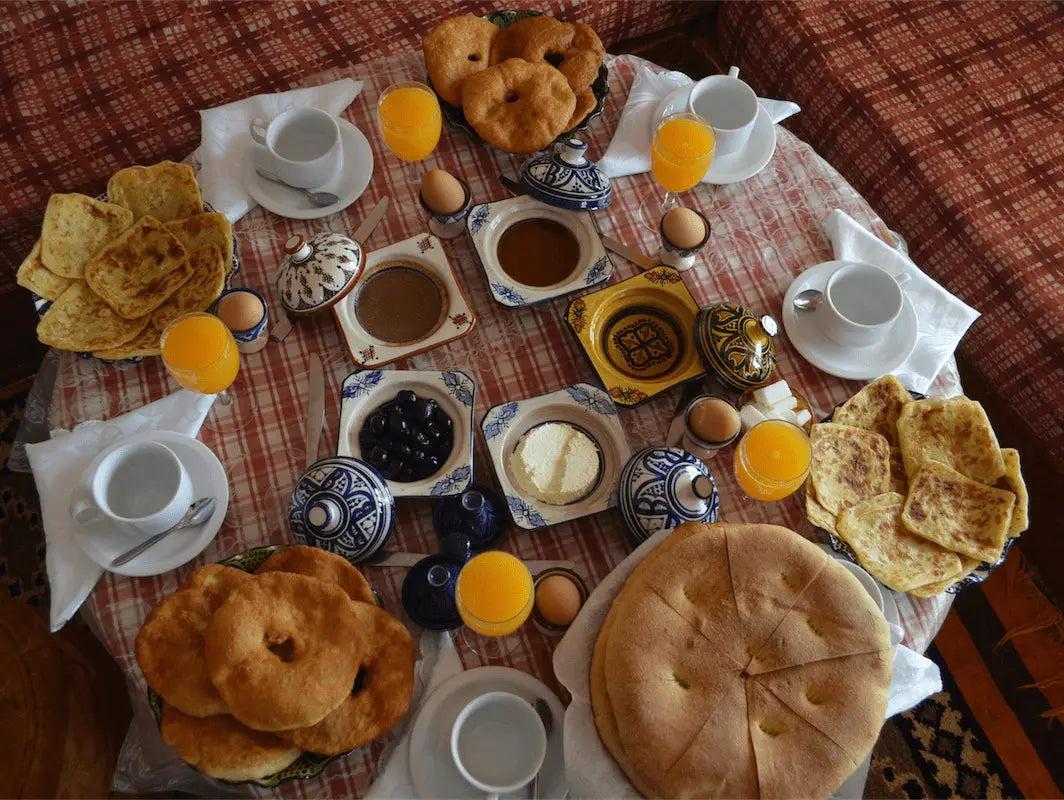
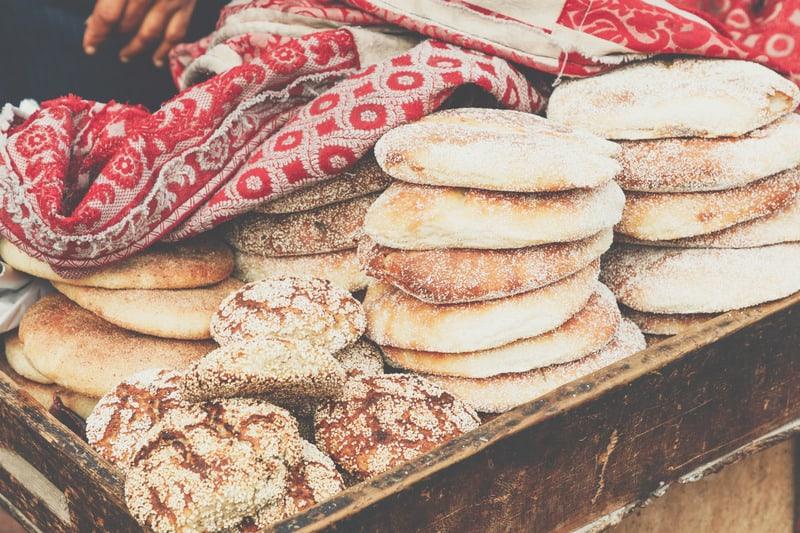
Bread is not just food in Morocco.
It is daily life.
It is breakfast.
It is lunch.
It is dinner.
It is family tables, corner bakeries, sandwiches, tagines, soup, tea, school snacks and neighbourhood ovens.
That is why wheat matters so much.
Even when Morocco’s local harvest improves, global supply shocks can still matter for the Kingdom’s bread basket.
Bread Begins With Wheat
Moroccan households understand the importance of bread without needing an economics lesson.
A meal often feels incomplete without it.
Bread sits next to olive oil.
It carries tagine sauce.
It goes with eggs, cheese, lentils, beans, soup, grilled meat and mint tea.
So when wheat markets move, the story does not stay in ports or commodity reports.
It eventually reaches kitchens.
That is why wheat is one of the most sensitive food products in Morocco.
Morocco Has A Better Harvest Outlook
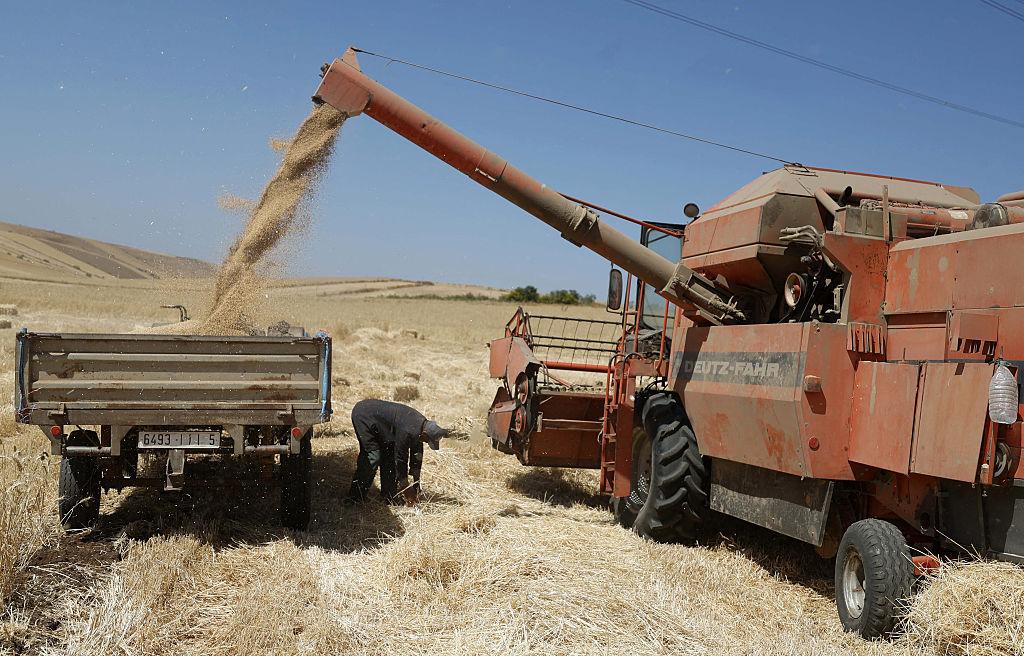
The good news is that Morocco’s cereal harvest outlook has improved in 2026 after better rainfall.
Reuters reported that Morocco expected its cereals harvest, including soft wheat, to double to around 9 million metric tons this season after abundant rainfall helped end years of drought pressure.
That is a major relief.
A stronger local harvest can help reduce pressure on imports and give the domestic market more breathing room.
But it does not remove global risk completely.
Imports Were Temporarily Suspended
Morocco moved to suspend soft wheat imports between June 1 and July 31, a step described as a way to protect the local harvest.
That makes sense.
When local wheat is arriving, authorities do not want imported wheat to flood the market and hurt domestic farmers.
The measure supports local production at a sensitive moment.
But it also shows how carefully Morocco must manage the balance between local harvests and imported supply.
Too much imported wheat can hurt farmers.
Too little supply can pressure mills and consumers.
Morocco Still Watches The World
Even with a better harvest, Morocco remains connected to global wheat markets.
The country has often relied on imports to cover part of its soft wheat needs, especially after drought years.
That means global supply shocks still matter.
Bad weather in exporting countries.
War risks.
Port disruptions.
Shipping delays.
Export restrictions.
Currency pressure.
Energy prices.
All of these can affect the cost and flow of wheat.
A Moroccan loaf may be local on the table, but the wider wheat story is global.
Global Stocks Offer Some Comfort
There is some positive news internationally.
Reuters reported that global food inventories are strong, with wheat reserves at their highest level in five years.
That can help soften the impact of climate shocks such as a possible strong El Niño.
When stocks are healthy, markets may be less likely to panic.
Importing countries can feel more secure.
Prices may be less explosive than during years of tight supply.
But strong stocks are not a guarantee.
They are a cushion, not a shield.
Ukraine Still Matters
Ukraine remains one of the world’s important grain exporters.
That means any disruption in Ukrainian ports or Black Sea shipping can create concern far beyond Europe.
Reuters recently reported that increased Russian attacks on Ukrainian seaports and vessels could reduce monthly grain shipments by as much as one third.
That kind of risk matters for global wheat markets.
Even if Morocco is not buying every ton from Ukraine, global prices react to supply threats.
Wheat is traded internationally.
A shock in one region can move prices everywhere.
The United States Is Also Under Pressure
The United States is another major wheat producer.
Reuters reported that the USDA cut its outlook for the 2026/27 U.S. winter wheat crop because of drought in the Plains.
That shows the climate risk is not only local.
It is global.
A drought in Morocco can affect Moroccan harvests.
A drought in the U.S. can affect global expectations.
Floods, heatwaves and rainfall problems in major producing countries can all change the wheat picture.
Food security is now a worldwide weather story.
Shipping Delays Can Add Costs

Wheat is not only about farms.
It is also about logistics.
Ships.
Ports.
Storage.
Mills.
Trucks.
Customs.
If ships wait offshore, costs rise.
If ports are congested, deliveries slow.
If freight rates rise, import bills can increase.
Earlier reports noted that Moroccan importers faced shipping delays and extra costs when vessels waited outside ports.
That matters because wheat is heavy, bulky and needed regularly.
The chain must keep moving.
Why The Bread Basket Is Sensitive
Bread is politically, socially and emotionally sensitive in many countries.
Morocco is no exception.
When bread and flour feel stable, families feel more secure.
When basic food becomes expensive or uncertain, anxiety rises quickly.
That is why governments watch wheat closely.
It is not only a commodity.
It is a stability product.
The bread basket is one of the clearest links between global markets and daily household life.
Subsidies Help Manage Pressure
Morocco has used import subsidies and policy tools to manage soft wheat supply and protect consumers.
Reuters reported in 2025 that Morocco extended soft wheat import subsidies after drought-hit conditions increased the need for imports.
These tools can help smooth shocks.
They can support importers.
They can help maintain supply.
But subsidies also cost money.
They are not magic.
They are part of a wider balancing act between farmers, importers, millers, bakers, consumers and the state budget.
Farmers Need Protection Too
Consumers need affordable bread.
But farmers also need fair conditions.
If imported wheat enters at the wrong time or at prices that undercut local producers, farmers can suffer.
That is why Morocco’s import suspension during the harvest period matters.
It sends a message that local production needs space.
A strong food system cannot depend only on imports.
It must also protect domestic agriculture.
The challenge is balancing both sides.
Millers Need Predictability
Millers sit in the middle of the chain.
They need reliable wheat supply to keep flour moving.
They also need predictable prices, clear rules and sufficient stock.
If imports stop, local supply must be available.
If global prices rise, procurement becomes harder.
If shipping delays happen, planning becomes stressful.
For millers, wheat policy is not an abstract issue.
It is daily operations.
And their work affects bakeries and households.
Bakers Feel The Pressure Last
By the time wheat reaches bakeries, many costs are already built in.
Wheat cost.
Flour milling.
Transport.
Energy.
Rent.
Labour.
Equipment.
Margins.
If the chain is under pressure, bakeries may feel it through operating costs.
Even when bread prices are managed, bakeries still need to survive.
That is why the wheat story is not only about farmers or importers.
It also touches the small baker who opens before sunrise.
Families Notice Small Changes
Families may not follow global wheat futures.
But they notice changes.
The price of flour.
The size of a loaf.
The cost of breakfast.
The price of sandwiches.
The weekly grocery bill.
The quality of bread.
The availability of favourite products.
These small details shape the feeling of food security.
A global supply shock can seem distant until it changes the family basket.
Climate Makes The Story Bigger
The wheat story is becoming more climate-sensitive.
Droughts, heatwaves, irregular rainfall and extreme weather can affect production in many countries at once.
That makes planning harder.
Morocco knows this from experience.
Years of drought increased import needs and made rainfall a national concern.
A better harvest in 2026 is welcome.
But one good season does not erase the climate challenge.
Why Diversification Matters
Food security depends on diversification.
Local production.
Different import sources.
Good storage.
Efficient ports.
Reliable mills.
Smart subsidies.
Modern irrigation.
Better seeds.
Careful water management.
A country that depends too much on one source becomes vulnerable.
Morocco’s wheat strategy must therefore be flexible.
The world is too uncertain for simple answers.
The Final Whistle
Morocco’s bread basket is safer when local harvests are strong and global markets stay calm.
The improved 2026 cereal harvest outlook is good news, and the temporary suspension of soft wheat imports in June and July helps protect local farmers.
But global supply shocks still matter.
Ukraine port risks, U.S. drought pressure, shipping delays, climate uncertainty and international price movements can all affect the wheat chain.
For Moroccan families, wheat is not just a commodity.
It is bread on the table.
And that is why the world’s wheat story will always matter in Morocco.