
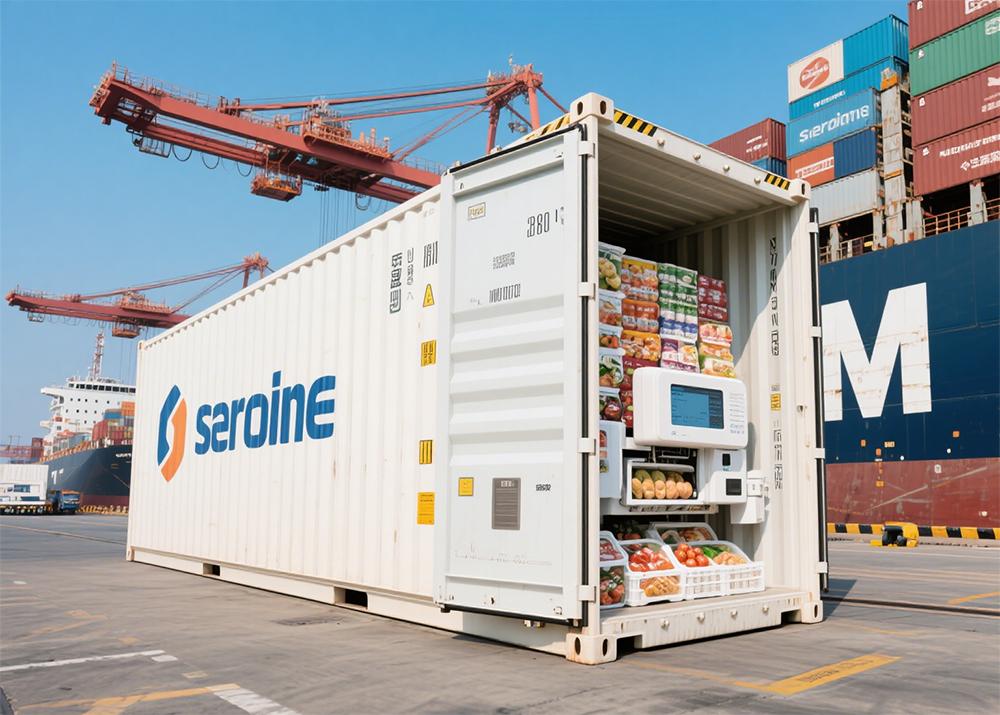
The food on a Moroccan table does not always begin in Morocco.
Some of it arrives through ports, paperwork, inspections, certificates and control systems before it reaches shops, restaurants and families.
Now, Morocco is trying to make that process faster and more digital.
PortNet, in partnership with ONSSA, has launched a new digital service allowing importers to submit customs-related documents and sanitary control data online.
For consumers, that may sound technical.
But it could affect something very simple: how quickly safe imported food reaches the market.
Why Food Imports Matter
Morocco produces a lot of food.
But it also imports important products.
Wheat.
Sugar.
Tea.
Oils.
Dairy ingredients.
Animal feed.
Processed foods.
Some fruits.
Some frozen goods.
Some specialty products used by hotels, restaurants and supermarkets.
That means import procedures matter.
If the system is slow, businesses feel it.
If documents are missing, shipments can wait.
If checks are delayed, products can sit longer before reaching the market.
A smoother system can help the whole chain move better.
The New Service Is About Digital Documents
The new service allows importers to submit customs documents and sanitary and phytosanitary data online.
That is important because food imports need more than a normal commercial invoice.
They can involve health certificates, origin documents, product details, sanitary checks, inspection requests and other regulatory information.
When these steps are handled digitally, the process can become more organised.
Less paper.
Less back-and-forth.
Less confusion.
More visibility.
That is the promise.
ONSSA Is The Food Safety Gatekeeper
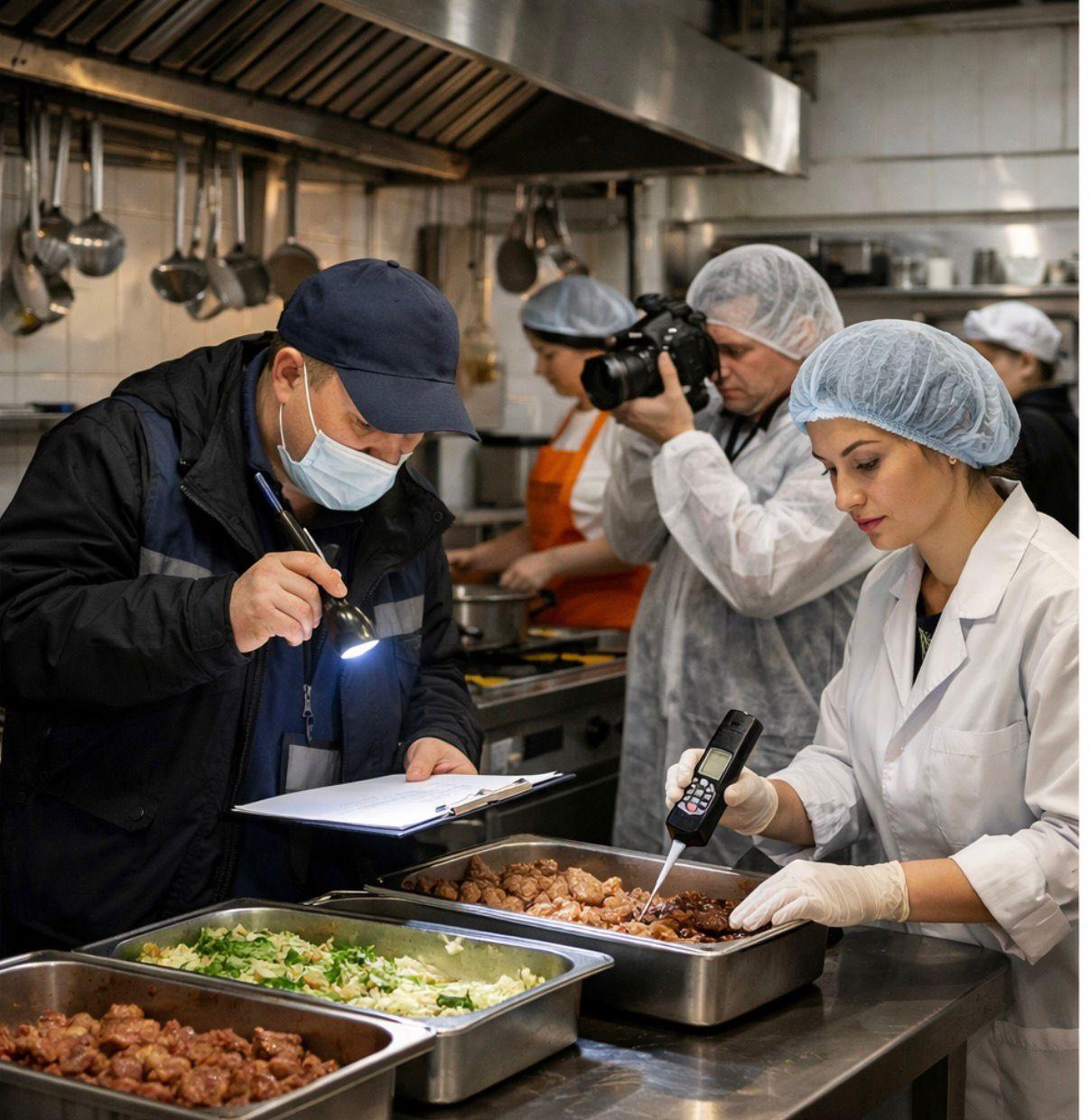
ONSSA, Morocco’s National Office for Food Safety, plays a central role in food and agricultural import controls.
Its job is not only to help trade move.
It must also protect consumers, animals, plants and the food system.
That means imported food has to meet sanitary and phytosanitary requirements.
A digital service does not remove controls.
It can make controls more efficient.
That is an important difference.
Faster should not mean weaker.
It should mean smarter.
PortNet Makes The Trade Chain More Connected
PortNet is Morocco’s national single-window platform for foreign trade procedures.
Its role is to connect different players in the import and export chain.
Importers.
Exporters.
Customs.
Ports.
Banks.
Inspection bodies.
Logistics operators.
By adding food-related sanitary data into a digital process, Morocco is trying to make trade procedures more connected.
For businesses, that can mean fewer delays and better tracking.
For authorities, it can mean clearer information earlier in the process.
This Could Help Importers Plan Better
Food importers often work with time-sensitive products.
Fresh goods.
Chilled goods.
Frozen goods.
Ingredients needed by factories.
Supplies needed by hotels and restaurants.
If approvals or inspections take longer than expected, planning becomes difficult.
A digital submission system can help importers prepare earlier and reduce uncertainty.
That does not guarantee every shipment will move instantly.
But it can help businesses know where things stand.
In food trade, predictability is valuable.
Restaurants And Supermarkets Could Feel The Impact
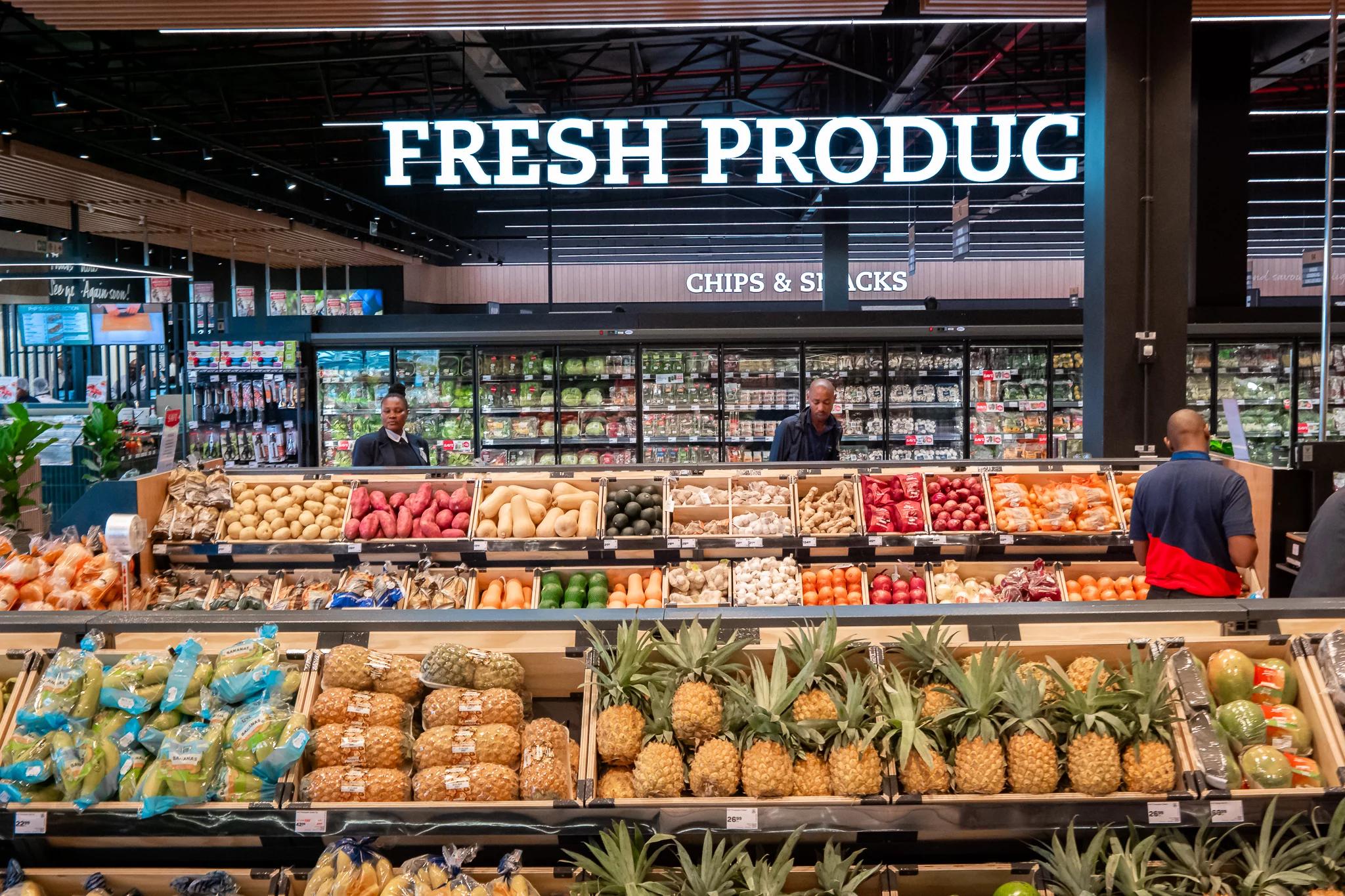
The average customer may never hear about this service.
But they could feel its impact indirectly.
A supermarket wants imported products on shelves.
A restaurant wants specialty ingredients on time.
A hotel wants reliable supply for guests.
A bakery may need imported inputs.
A food distributor needs stock to move smoothly.
If import procedures become faster and clearer, these businesses can operate with fewer surprises.
That can support availability.
And in food, availability matters.
Speed Matters More In Summer
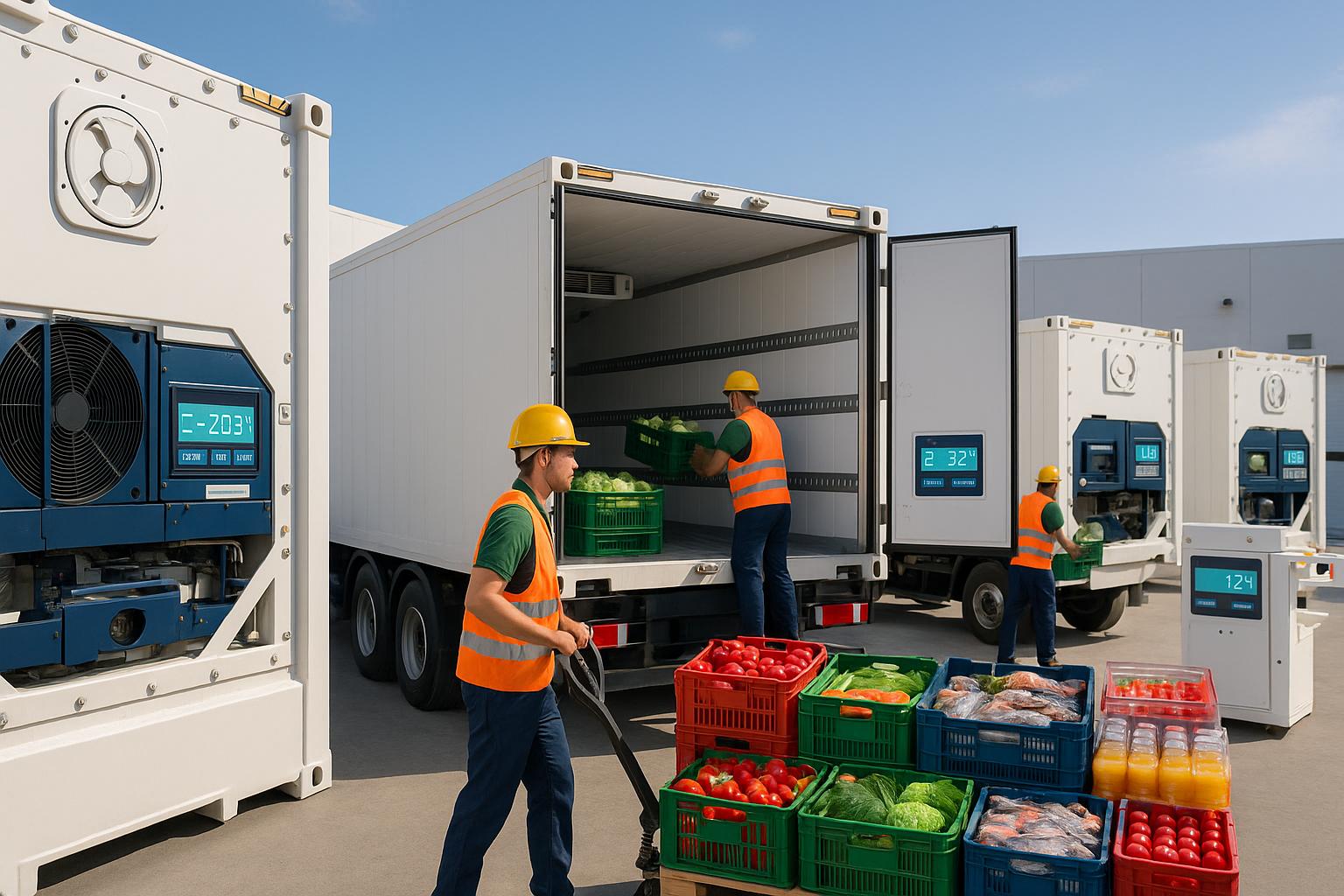
Timing becomes even more important during summer.
Heat can put pressure on fresh and chilled products.
Storage, transport and cold chain management become more sensitive.
A digital process that helps reduce unnecessary waiting can support better handling of food shipments.
Of course, digital paperwork alone cannot solve cold chain problems.
Refrigeration, transport and inspection quality still matter.
But smoother administration can reduce one part of the delay risk.
Food Safety Still Comes First
The key point is food safety.
Consumers do not only want faster imports.
They want safe imports.
That means controls must remain strong.
Imported food should be checked properly.
Documents should be verified.
Products should meet Moroccan requirements.
A digital system should help authorities manage that work, not bypass it.
The best import system is both fast and strict.
That is the balance Morocco needs.
Digital Trade Is Part Of A Bigger Shift
This service is also part of a bigger trend.
Morocco has been digitising more public and trade procedures.
Businesses increasingly expect online filing, electronic tracking and faster processing.
Paper-heavy systems can slow commerce and create frustration.
Digital systems can improve transparency and reduce repeated manual steps.
For food imports, that shift is especially useful because the chain involves many actors.
When everyone works from clearer data, the process can improve.
Small Businesses Could Benefit Too
Large importers usually have teams, brokers and systems.
Smaller businesses may struggle more with administrative complexity.
If a digital service makes requirements clearer and submissions easier, smaller operators could benefit.
That matters because food distribution is not only controlled by big companies.
Many small and medium-sized businesses participate in import, wholesale, retail and restaurant supply.
Simpler procedures can help them compete more fairly.
The Market Basket Connection
Food import procedures may seem far from the family basket.
But they are connected.
If imported wheat, oil, tea, animal feed or processed foods face delays, pressure can move through the supply chain.
Sometimes that pressure affects availability.
Sometimes it affects prices.
Sometimes it affects business planning.
A smoother import process does not automatically make food cheaper.
But it can help reduce friction.
And less friction is good for the market.
Morocco’s Food System Is Mixed
Morocco’s food system is both local and global.
Local farmers supply vegetables, fruit, meat, dairy, olives, grains and many traditional products.
Global trade supplies other products, inputs and seasonal needs.
That mix is normal.
Most countries depend on both domestic production and imports.
The challenge is managing the system well.
Local production needs support.
Imports need control.
Consumers need safety.
Businesses need speed.
Why This Is A Food Story
At first glance, a digital import service sounds like a business or customs story.
But it belongs in food because it affects what reaches the table.
A product does not become part of daily life only when someone buys it.
It passes through a chain first.
Documents.
Ports.
Controls.
Transport.
Storage.
Distribution.
Shelves.
Kitchens.
The smoother and safer that chain becomes, the better the food system works.
The Final Whistle
Morocco’s new digital food import service could make an important part of the food chain faster and clearer.
Launched by PortNet in partnership with ONSSA, the service allows importers to submit customs-related documents and sanitary control data online.
For businesses, that could mean better planning and fewer administrative delays.
For authorities, it could mean stronger visibility over food imports.
For consumers, the impact may be simple: safer products reaching markets, supermarkets and restaurants more smoothly.
Food may end on the table.
But before it gets there, the paperwork matters too.