

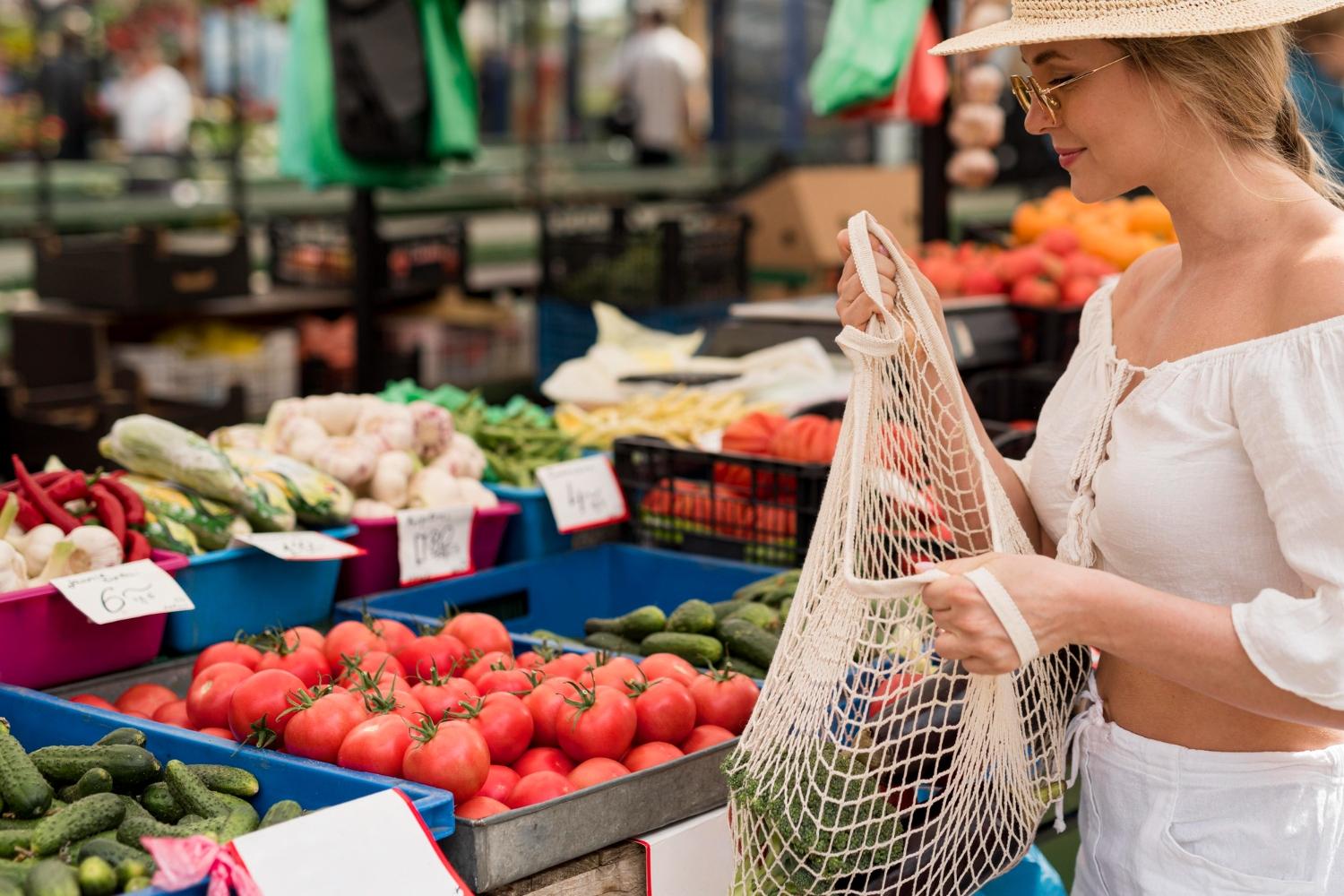
When the temperature hits hard, food changes faster.
Milk turns risky.
Fish needs extra care.
Chicken cannot wait too long.
Leftovers become more sensitive.
And the fridge suddenly becomes one of the most important tools in the house.
With Morocco under orange-level heat alerts and temperatures expected to reach up to 45°C in some areas, fresh food safety is becoming a daily concern for families, markets, restaurants and small shops.
This is not only about what people eat.
It is about how safely food moves from market to table.
Heat Changes The Food Clock
In normal weather, people may take their time.
They buy groceries.
They pass by another shop.
They stop for coffee.
They go home later.
But during a heatwave, fresh food cannot wait in the same way.
Fish, meat, chicken, dairy, eggs, cooked meals and some leftovers become more sensitive when temperatures rise.
The food clock gets shorter.
What was safe for a while in cooler weather can become risky much faster in extreme heat.
That is why summer food habits need more attention.
The Cold Chain Starts Before The Fridge
Many people think food safety starts at home.
But the cold chain begins earlier.
It starts with storage.
Transport.
Market display.
Shop refrigerators.
Delivery vans.
Restaurant kitchens.
Then finally the family fridge.
If one part of the chain breaks, food can become less safe before the customer even cooks it.
That is why summer heat puts pressure on everyone: producers, transporters, shopkeepers, restaurant owners and households.
Markets Feel The Pressure First
Moroccan markets are full of fresh food.
Fish.
Chicken.
Meat.
Milk.
Yoghurt.
Cheese.
Eggs.
Fruit.
Vegetables.
Cooked snacks.
During hot weather, vendors need to protect products from direct sun and reduce the time fresh items spend in warm conditions.
Customers also change habits.
They shop earlier.
They choose quickly.
They go home faster.
They look more closely at smell, colour and freshness.
A hot day turns normal shopping into a safety check.
Fish Needs Special Care
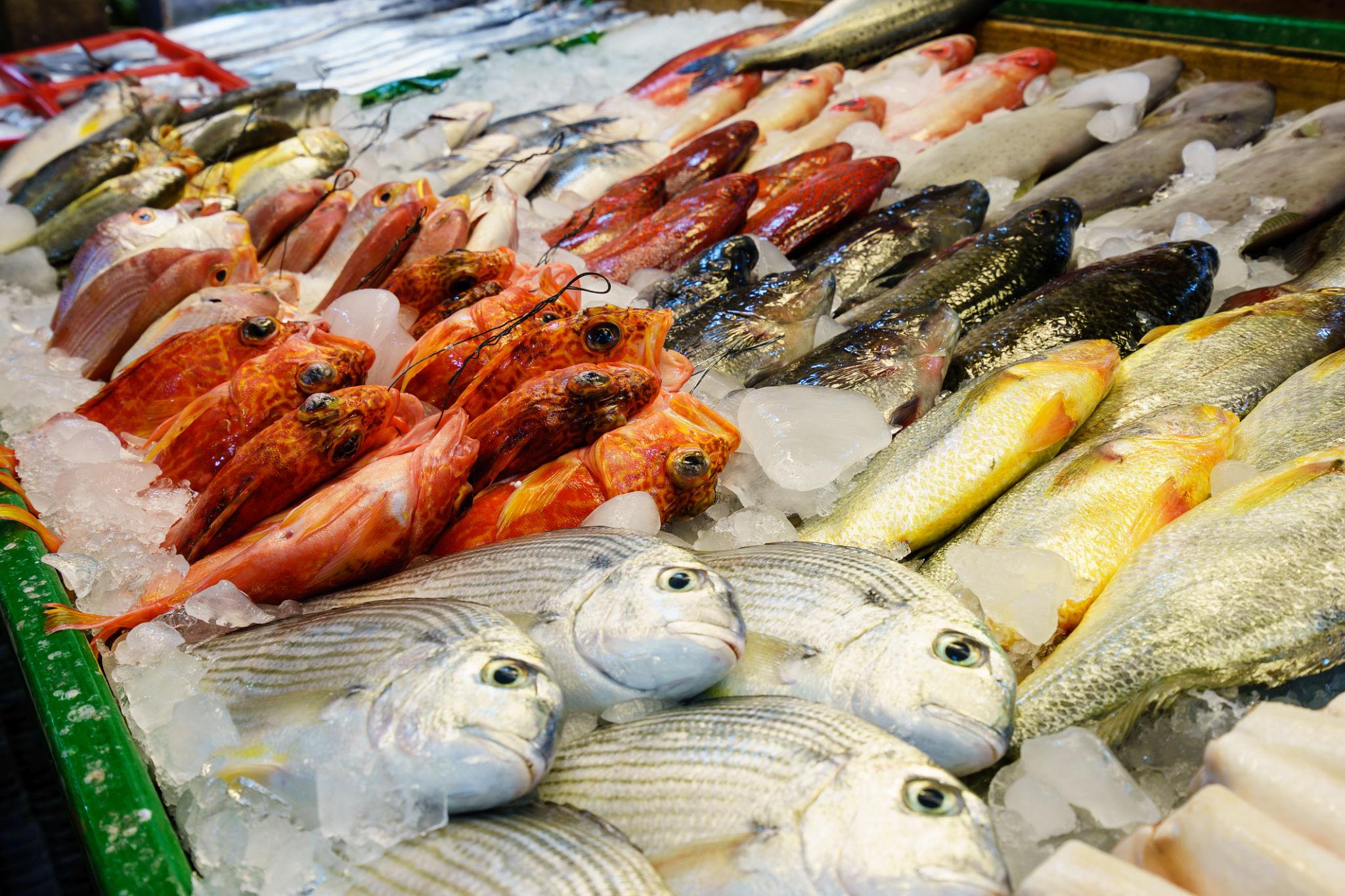
Fish is one of the most sensitive foods in summer.
Morocco’s coastal culture makes fish a key part of many diets, from grilled sardines to seafood meals in restaurants and homes.
But fish needs cold handling.
If it sits too long in heat, quality can fall quickly.
That does not mean people should avoid fish.
It means they should buy carefully, keep it cold and cook it properly.
In summer, the best fish meal begins with smart handling before cooking starts.
Chicken Cannot Be Casual
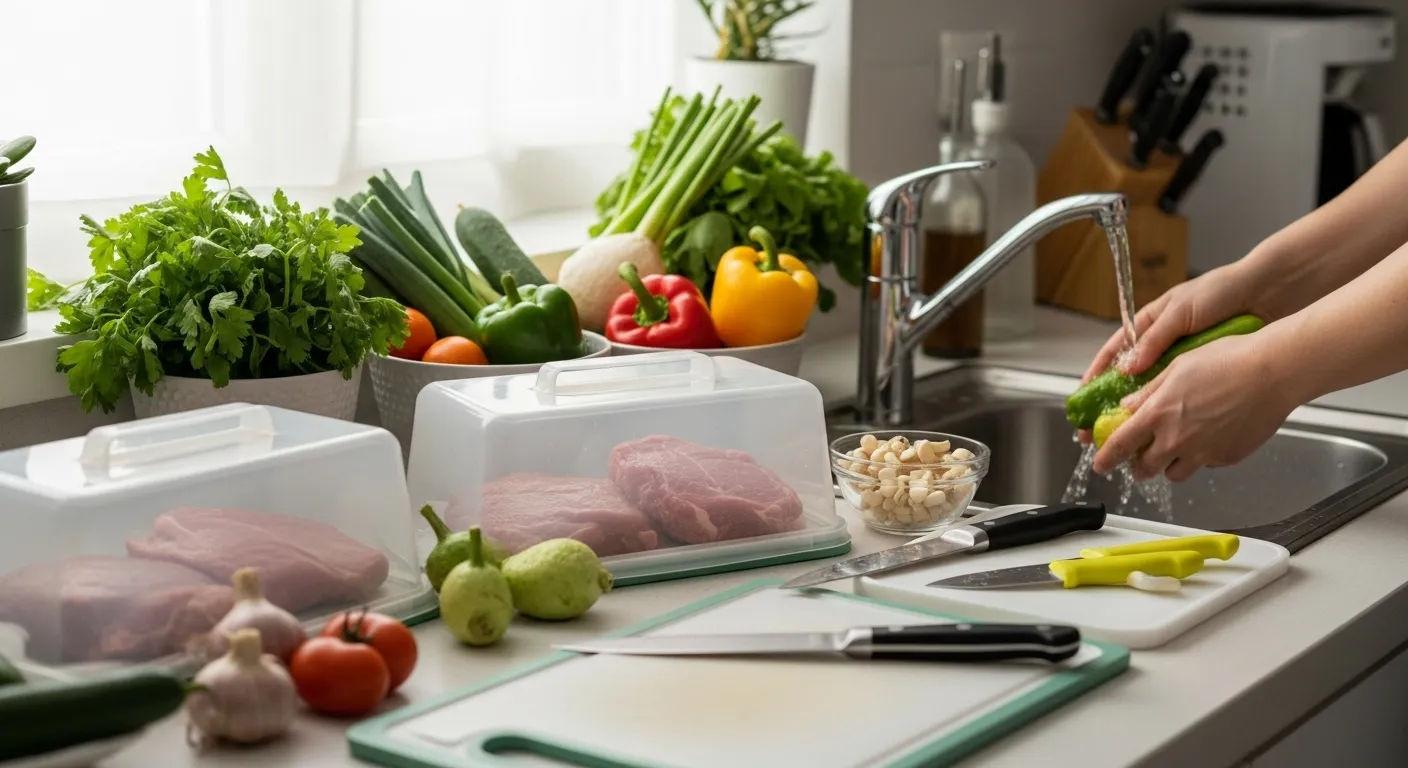
Chicken is another product that needs careful handling.
It is a staple in Moroccan homes, used in tagines, grills, sandwiches, rotisserie meals and family lunches.
But raw chicken must be kept separate from ready-to-eat food.
Hands, knives and cutting boards need cleaning after contact.
Cooking must be thorough.
And raw chicken should not sit around in a hot kitchen.
The warmer the day, the more discipline is needed.
Dairy Is A Heatwave Warning Item
Milk, yoghurt, cheese and desserts can also become sensitive during hot weather.
Families with children often buy dairy products regularly.
That makes storage important.
A long ride home in a hot car can affect quality.
A fridge door opened too often may struggle to stay cold.
A product left on a table too long can become risky.
Dairy is simple to enjoy, but in summer it needs respect.
Leftovers Need A Faster Decision
Leftovers are part of daily family life.
A tagine from lunch.
Rice from dinner.
Soup.
Sauce.
Chicken.
Pasta.
Cooked vegetables.
But in hot weather, leftovers should not stay out too long.
The USDA says perishable food should not be left out for more than two hours, and no more than one hour when temperatures are above 90°F, around 32°C.
That rule becomes very relevant in a Moroccan heatwave.
If food is cooked, the safest habit is simple: cool it properly, divide large portions and refrigerate quickly.
The WHO Five Keys Still Work
The World Health Organization promotes five simple keys to safer food.
Keep clean.
Separate raw and cooked.
Cook thoroughly.
Keep food at safe temperatures.
Use safe water and raw materials.
These rules may sound basic, but they become more important during extreme heat.
Summer food safety is not about panic.
It is about discipline.
Clean hands.
Clean surfaces.
Cold storage.
Thorough cooking.
Fast refrigeration.
Small habits can prevent big problems.
Restaurants Have To Work Harder
Restaurants and snack shops face their own summer pressure.
A busy lunch service during a heatwave is not easy.
Kitchens become hotter.
Ingredients need careful storage.
Cold drinks run faster.
Refrigerators work harder.
Deliveries must be handled quickly.
Customers expect freshness, but heat makes freshness harder to protect.
Good restaurants understand this.
They know that summer food safety is part of customer trust.
Delivery Makes Timing Even More Important
Food delivery adds another challenge.
A meal that leaves a kitchen hot or cold must reach the customer safely.
During extreme heat, delays can matter more.
Cold desserts, dairy drinks, sushi-style foods, seafood, chicken and fresh salads need extra care.
That does not mean delivery is unsafe.
It means restaurants, couriers and customers all need to think about time.
In a heatwave, faster is safer.
Home Fridges Are Under Pressure
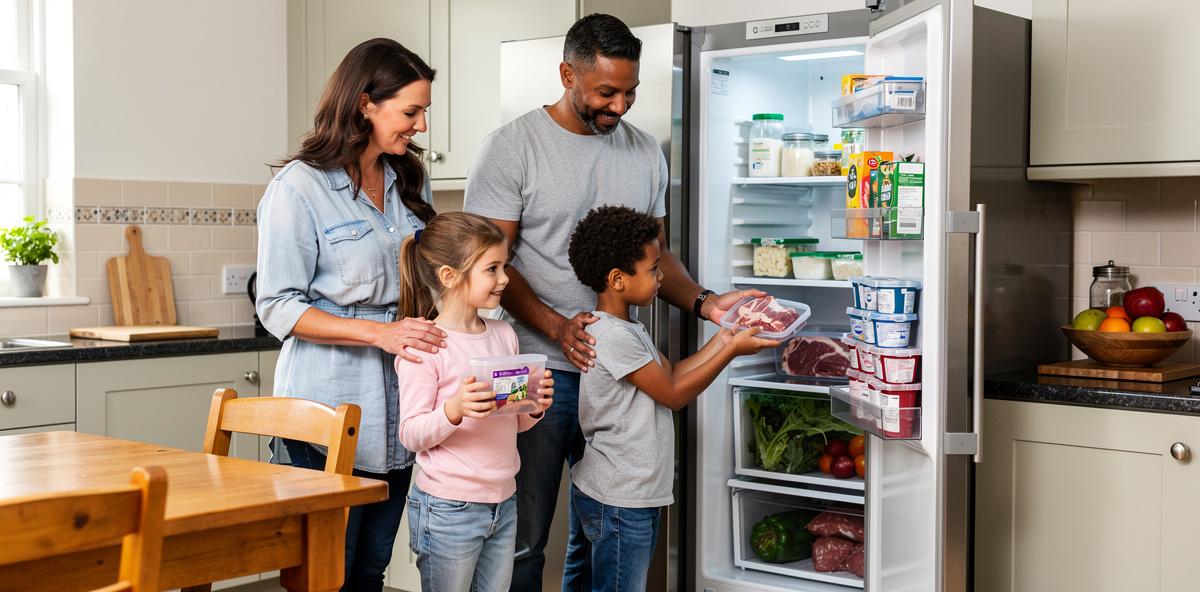
The fridge becomes a heatwave hero.
But it also has limits.
If it is too full, cold air may not circulate well.
If the door is opened every few minutes, temperature can rise.
If hot food is stored in one large deep pot, it may cool slowly.
If electricity cuts happen, food safety becomes more complicated.
Families can help by using smaller containers, keeping the door closed and checking that the fridge is actually cold enough.
Food Safety Is Also About Money
Food waste hurts families.
If milk spoils, money is lost.
If chicken smells wrong, dinner plans change.
If leftovers are unsafe, food must be thrown away.
During a cost-of-living period, no family wants waste.
That is why cold chain habits are not only about health.
They are also about protecting the household budget.
Safe storage helps people save money.
Children And Elderly People Need Extra Care
Foodborne illness can hit vulnerable people harder.
Children.
Elderly relatives.
Pregnant women.
People with weaker immune systems.
People with chronic health conditions.
That makes food safety a family issue.
A meal that only causes mild stomach trouble for one person may be more serious for another.
During high heat, families should be especially careful with food served to vulnerable people.
Simple Habits Can Make A Big Difference
The best advice is practical.
Buy fresh food last before going home.
Use cooler bags if possible.
Avoid leaving groceries in a hot car.
Keep raw meat and chicken separate.
Cook thoroughly.
Do not leave cooked food out for hours.
Refrigerate leftovers quickly.
Throw away food that smells suspicious.
Wash hands and surfaces.
These are not complicated rules.
They are heatwave rules for everyday kitchens.
Summer Makes The Chain Visible
Most of the year, people do not think about the cold chain.
They just buy food and cook.
But extreme heat makes the chain visible.
You start noticing the fridge.
The ice.
The delivery time.
The market stall.
The smell of fish.
The way chicken is wrapped.
The time food spends on the table.
That awareness is useful.
It helps families make better choices.
The Final Whistle
Morocco’s summer heat is putting fresh food safety in focus.
With orange-level alerts and temperatures expected to reach up to 45°C, the way food is bought, stored, transported, cooked and refrigerated matters more than usual.
Fish, chicken, dairy and leftovers all need extra care.
The message is simple.
In a heatwave, fresh food needs speed, cold and cleanliness.
From the market to the fridge, the cold chain is not just a technical phrase.
It is what keeps the family table safe.
 Mohamed Boubkari, Co-Founder & Editorial Partner