
For many Moroccan families, the economy begins with one simple question.
How much did the basket cost today?
Not GDP.
Not exports.
Not big investment numbers.
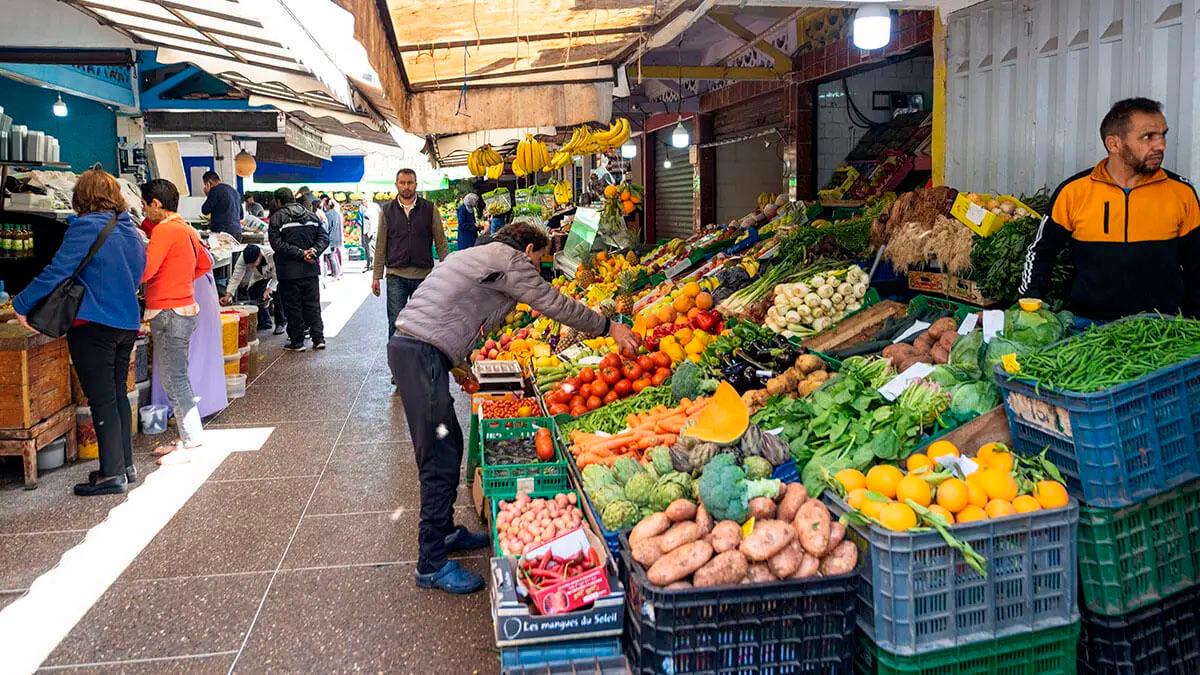
The real test is the market basket: vegetables, fruit, bread, milk, eggs, chicken, fish, oil, flour, tea and the small daily items that decide how far a household budget can stretch.
This summer, more families are watching those prices closely.
The Basket Tells The Real Story
Food prices are personal.
A family can ignore an economic forecast.
It cannot ignore the cost of dinner.
When tomatoes rise, people notice.
When chicken drops, people notice.
When fish becomes expensive, people change the menu.
When fruit feels high, parents buy less.
That is why the market basket matters so much.
It is the daily scoreboard of family life.
Inflation Looks Moderate, But Families Still Feel Pressure
Morocco’s official inflation rate rose to 1.7% in April 2026, up from 0.9% in March, according to the national statistics agency.
That number may look moderate compared with the inflation shocks seen in other countries.
But households do not experience inflation as one clean percentage.
They feel it item by item.
A little more for transport.
A little more for school needs.
A little more for cooking gas, electricity, rent or fuel.
A little more for food.
Small increases can feel big when they arrive together.
Food Prices Still Matter Most
Reuters reported that food prices increased by 0.6% year-on-year in April, while non-food prices rose by 2.5%.
For many families, even a small movement in food prices matters because food is bought constantly.
Families do not buy a car every week.
They do buy bread.
They buy vegetables.
They buy milk.
They buy eggs.
They buy oil.
They buy meat, chicken or fish when the budget allows.
That repetition makes food inflation powerful.
Even small changes add up.
Summer Changes The Household Budget
Summer can make the basket more complicated.
Children are home more often.
Families host guests.
People travel between cities.
Weddings and family events increase spending.
Tourist areas can feel more expensive.
Coastal towns become busier.
Heat can change what people buy and how often they shop.
That makes summer a season where food budgets are watched more carefully.
A family may not write every number down.
But they know when the basket feels heavier on the wallet.
Transport Costs Can Hit Food Indirectly
Food does not move by magic.
It moves by trucks, vans, taxis, fuel and logistics.
That is why transport prices matter for the market basket.
Reuters reported that transport costs jumped 8.4% in April, largely linked to fuel-price pressure.
That can affect more than drivers.
When transport becomes more expensive, it can put pressure on supply chains.
That pressure can eventually show up in food prices, especially for products that move long distances from farms, ports or wholesale markets.
Families Compare Prices More Than Before
Many Moroccan households have become more careful shoppers.
They compare neighbourhood shops.
They check weekly markets.
They ask relatives where prices are better.
They switch between brands.
They buy smaller quantities.
They replace expensive items with cheaper ones.
This is not panic.
It is adjustment.
Families are learning to manage uncertainty.
A good price today may not be the same next week.
That is why shopping has become more strategic.
The Protein Question Is Always Sensitive
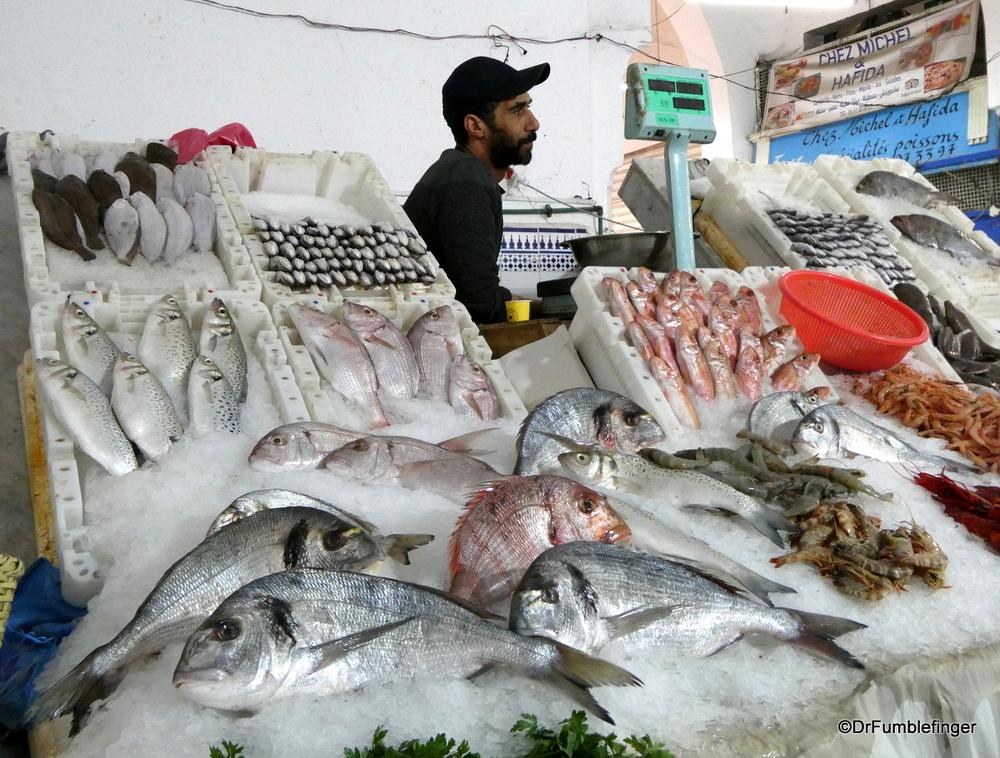
Protein is often the hardest part of the basket.
Chicken.
Eggs.
Fish.
Beef.
Lamb.
Dairy.
When these items move, families feel the difference quickly.
Chicken prices have recently brought relief in some markets, but poultry farmers have also warned that very low prices can hurt producers.
Fish can vary by city, season and weather.
Red meat can be difficult for many budgets.
That is why families often mix choices.
One day chicken.
Another day eggs.
Another day lentils or beans.
The basket becomes a balancing act.
Vegetables Can Move Fast
Vegetable prices can also change quickly.
Weather, supply, transport and seasonal production all matter.
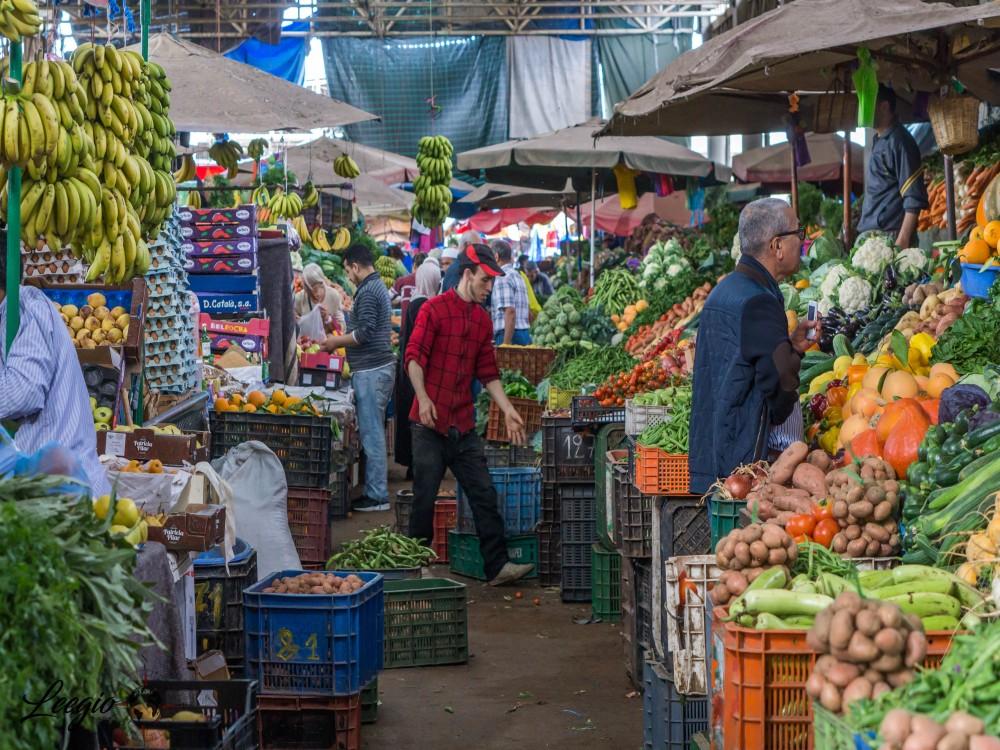
Tomatoes, onions, potatoes, peppers, carrots and herbs are not luxury items in Moroccan kitchens.
They are the base of daily cooking.
When they rise, every household notices.
When they fall, people feel relief.
But that relief can be temporary.
Markets can move fast, especially during summer demand or supply changes.
Fruit Is Becoming A Careful Choice
Fruit is another emotional part of the basket.
Parents want it for children.
Families want it for guests.
It is part of Moroccan hospitality.
But when prices rise, fruit becomes a more careful decision.
Watermelon.
Melon.
Peaches.
Apples.
Bananas.
Oranges.
Each item has its own season and price story.
Some families buy less.
Some buy cheaper fruit.
Some wait for better market days.
That is how the cost of living changes daily habits.
Bread, Tea And Oil Still Anchor The Table
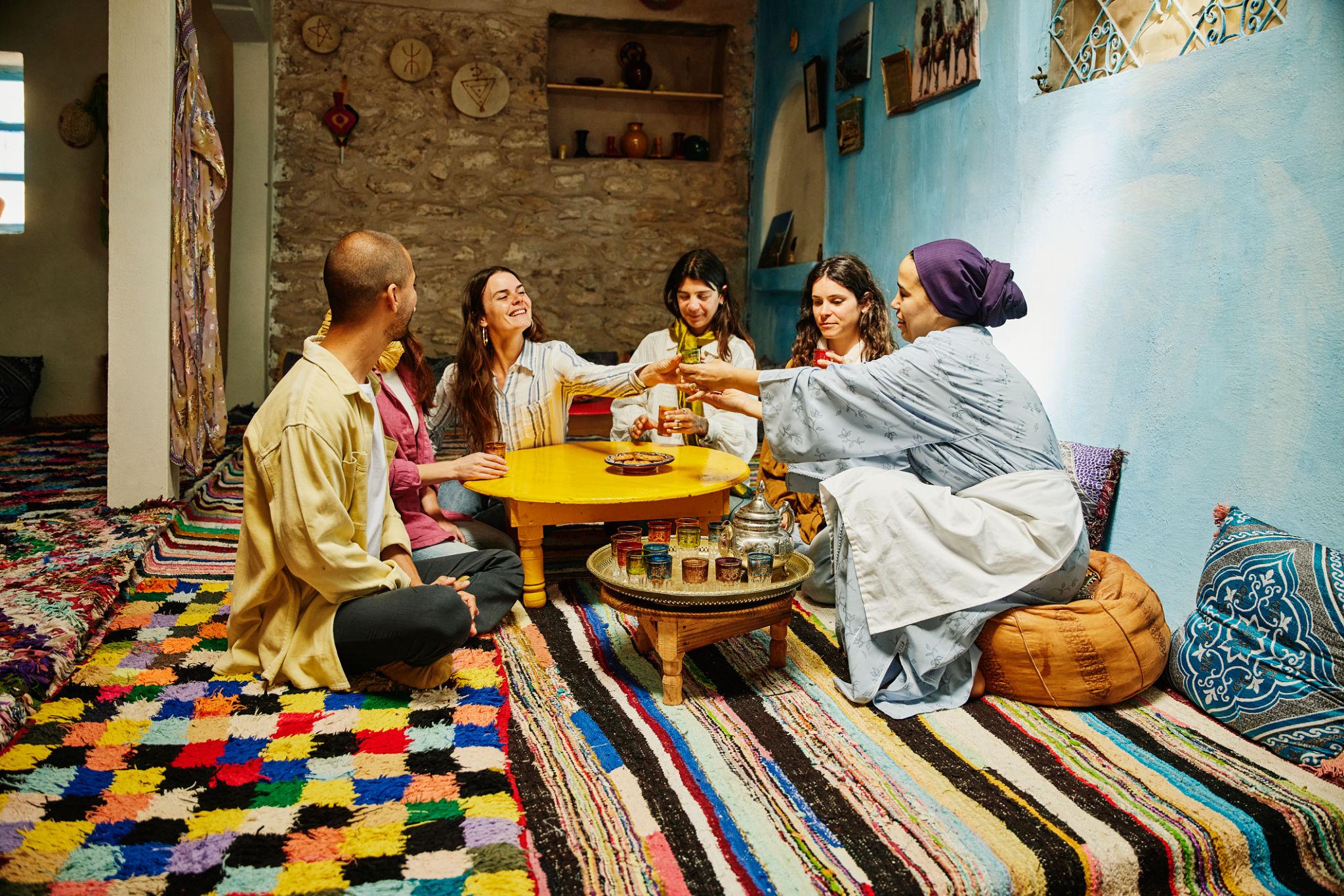
Some items carry special weight in Moroccan homes.
Bread.
Tea.
Oil.
Flour.
Sugar.
These are not just products.
They are part of the rhythm of daily life.
Breakfast.
Lunch.
Mint tea.
Family visits.
Small shops.
A table without these basics feels incomplete.
That is why stability in essential items matters so much.
When families feel basic products are stable, they feel more secure.
When basics move, anxiety rises quickly.
Government Support Remains Important
Morocco has used subsidies and budget support to protect some key prices and services.
Reuters reported that the government announced an additional 20 billion dirhams for 2026 to help maintain stable prices for public transport, cooking gas and electricity.
That matters because households do not only pay food bills.
They pay the full cost of life.
If transport, gas and electricity rise too sharply, food budgets can suffer even when grocery prices are not exploding.
Household pressure is connected.
Why Families Do Not Trust One Good Week
A cheaper week at the market is welcome.
But families know one good week does not solve the problem.
Prices can fall, then rise again.
A product can be cheap in one city and expensive in another.
A neighbourhood shop can differ from a weekly souk.
A family shopping for six people feels pressure differently from a single person.
That is why many households remain cautious.
They are not only looking at today’s price.
They are wondering what next week will cost.
The Basket Is About Dignity Too
Food spending is not just mathematics.
It is dignity.
Parents want to feed children well.
Families want to host guests properly.
People want to celebrate without feeling ashamed.
A full table carries emotional value in Moroccan culture.
That is why food prices can create stress beyond the wallet.
They touch family pride, hospitality and daily comfort.
A market basket is never just a market basket.
It is part of home life.
The Final Whistle
Moroccan families are watching food prices more closely this summer because the market basket remains the most visible sign of the cost of living.
Official inflation may look moderate, with Morocco’s annual rate at 1.7% in April 2026, but households feel pressure through daily purchases: vegetables, fruit, bread, milk, eggs, oil, chicken, fish and transport-linked costs.
A cheaper item can bring relief.
A sudden rise can change the week’s meals.
For families, the economy is not only measured in reports.
It is measured at the market, one basket at a time.
 Mohamed Boubkari, Co-Founder & Editorial Partner