
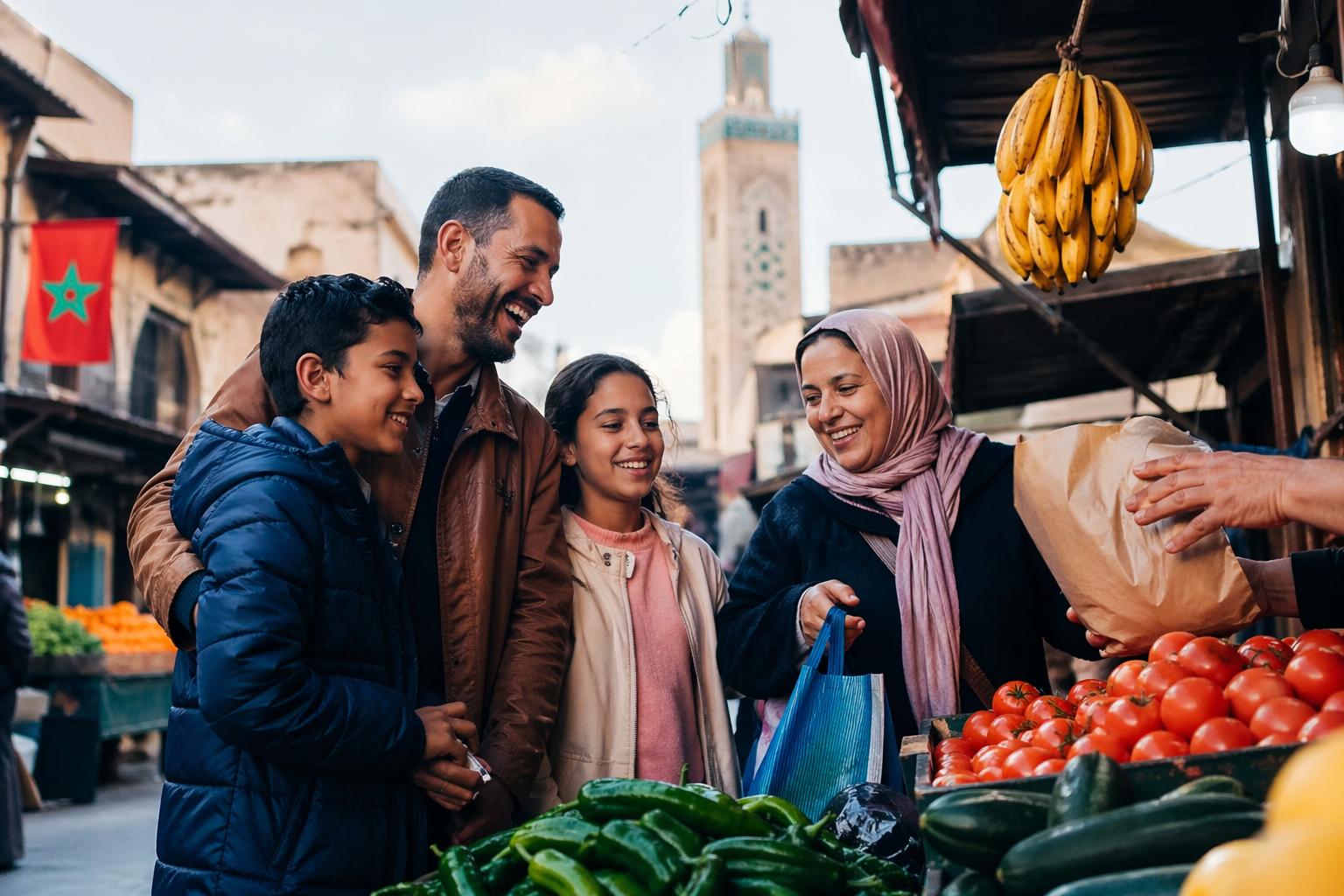
Forget fancy restaurant menus for a second. For many families in Morocco, the food story that matters most is the price of chicken. After months of pressure on household budgets, chicken prices have dropped sharply in parts of the country, bringing relief to shoppers looking for affordable protein. But behind the cheaper market price, poultry farmers are warning of a serious crisis. For consumers, this may feel like good news. For producers, it may feel like survival.
Prices Have Fallen Sharply At Farm Level
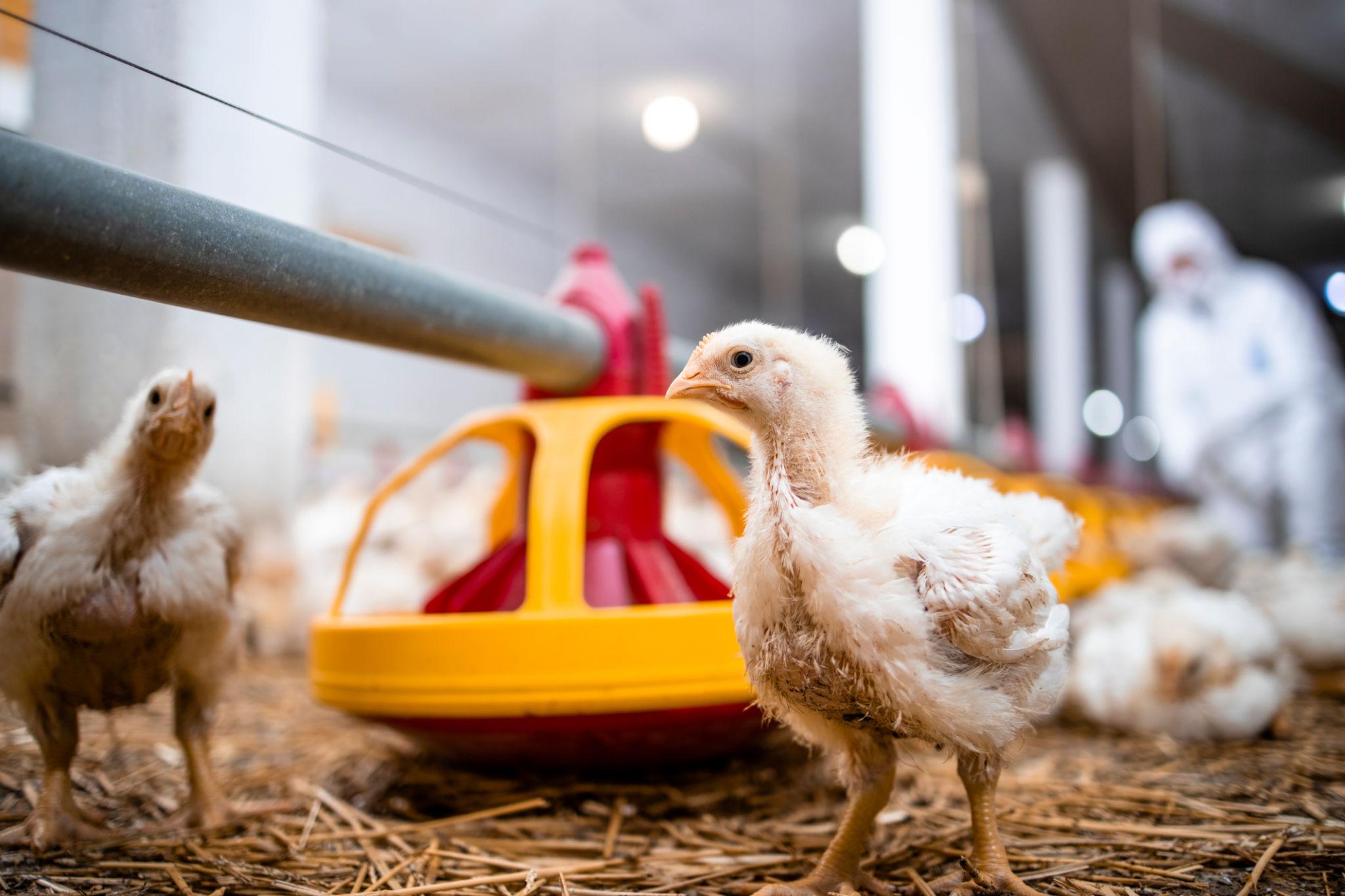
The biggest pressure is happening at farm level. Hespress English reported that farmgate chicken prices have fallen to less than 7 dirhams per kilogram, while production costs are estimated between 15 and 17 dirhams per kilogram. That gap is huge — it means some poultry farmers are selling below what it costs them to produce. The problem is that very low prices can damage the people producing the food: poultry producers warn that the sector is facing a deep crisis because prices have dropped below production costs, and that is not sustainable for long. Farmers still need to pay for feed, chicks, workers, energy, medicine, transport and farm maintenance. Reports point to a temporary imbalance between supply and demand — industry voices say production increased significantly in recent months, creating too much supply in the domestic market.
Feed Costs Still Matter
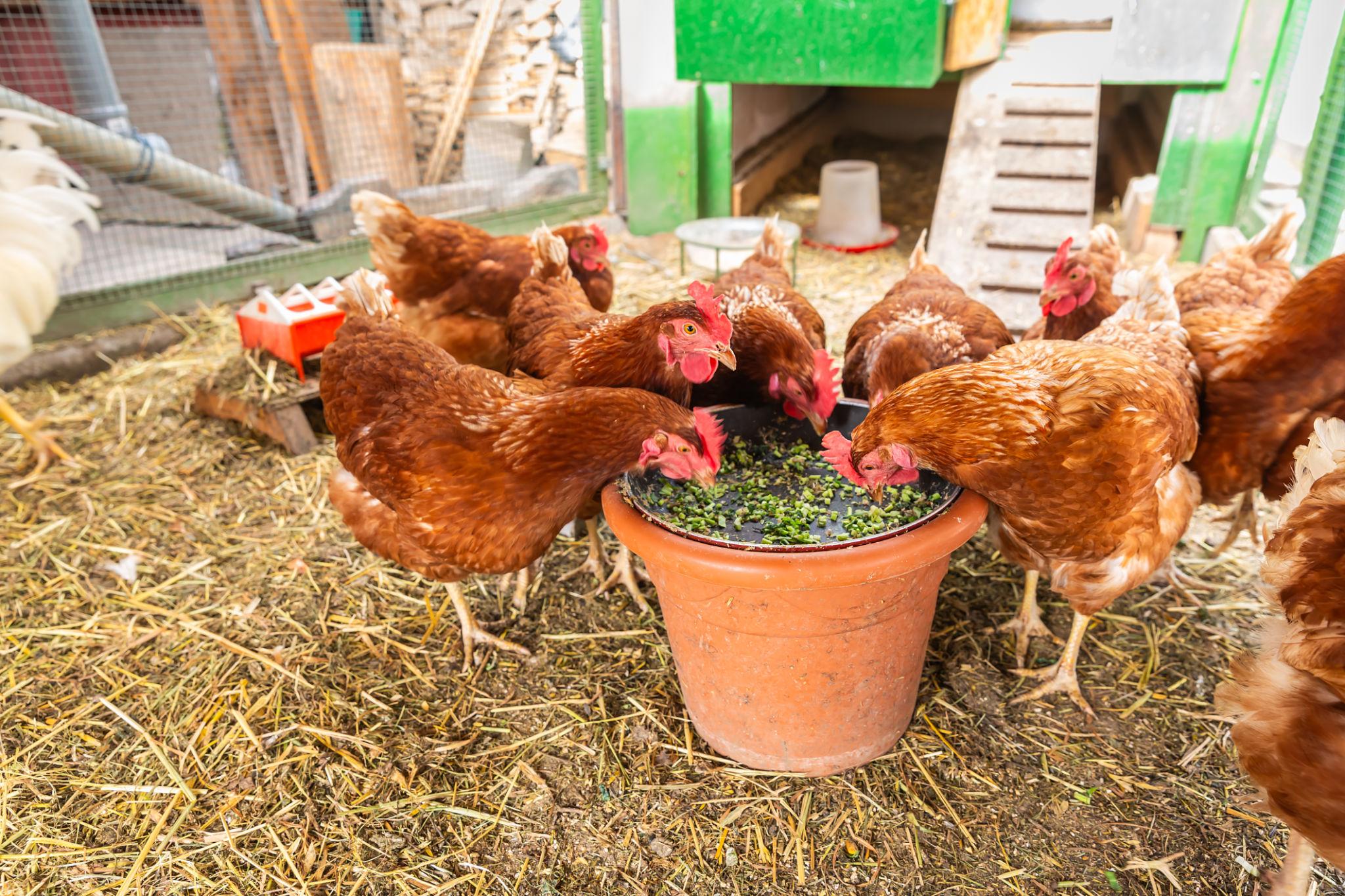
One of the biggest costs in poultry farming is feed. Even if chicken prices fall, feed bills do not always fall at the same speed — farmers often buy feed, chicks and inputs before they know what the final market price will be, creating risk. If market prices collapse after production costs are already paid, producers take the hit. This is why poultry farming can be financially stressful: the cycle moves fast, but the costs are real. Poultry farmers are warning that the current situation could push some producers toward bankruptcy — a serious word showing the issue is no longer only about cheaper chicken at the market, but about whether farms can continue operating.
Households Still Need Affordable Protein
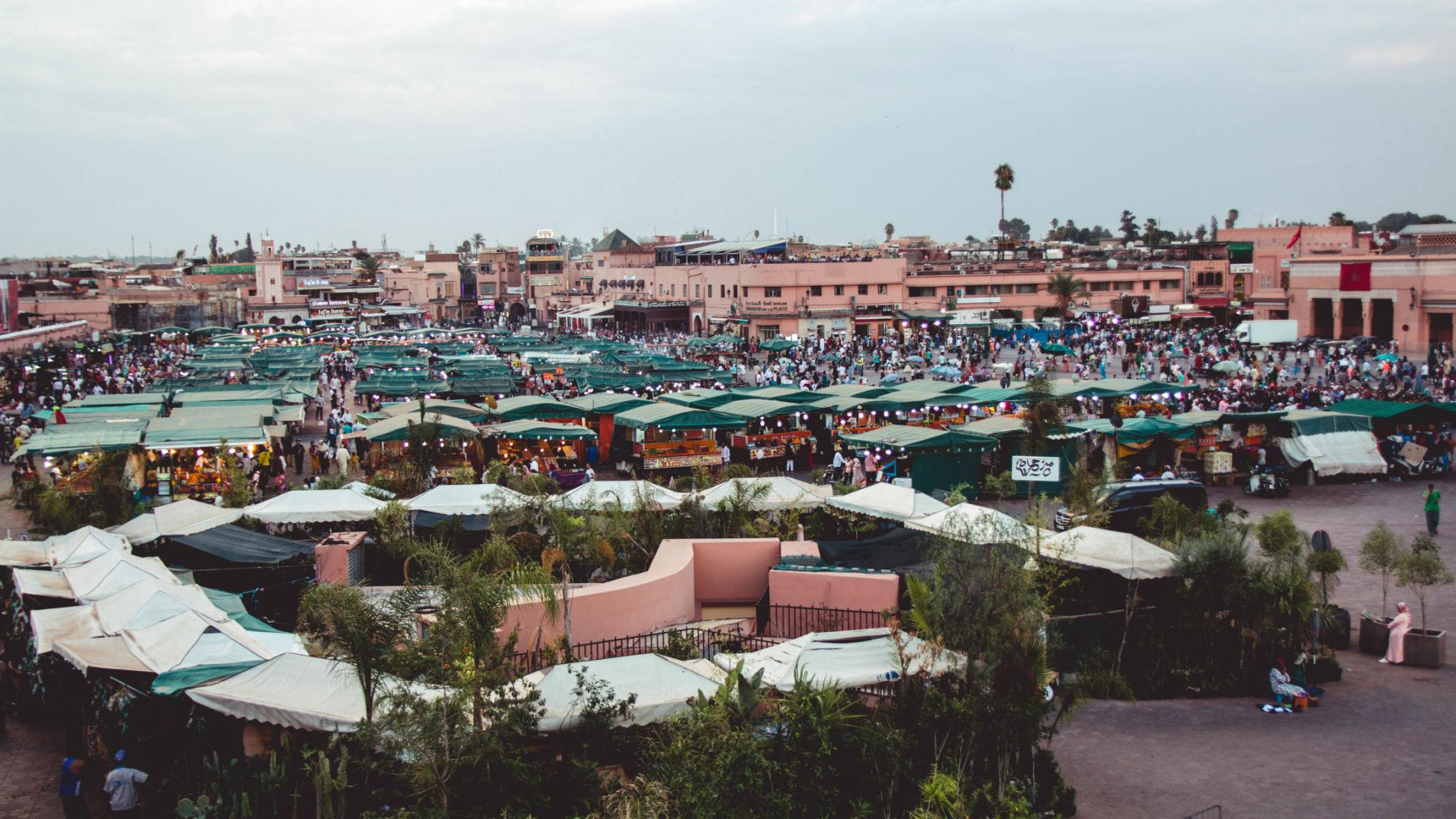
At the same time, Moroccan families need affordable food. Chicken is one of the most important sources of protein for many households — beef and lamb can be expensive, fish prices can vary widely, eggs, legumes and chicken often help families manage budgets. That is why the current drop matters to consumers: it gives breathing space. But the challenge is making sure that relief does not come at the cost of a future supply shock — if too many farmers lose money, some may reduce production or leave the sector, reducing supply later and potentially pushing prices back up. The best outcome is not extreme prices in either direction. Very high prices hurt families. Very low prices hurt farmers. The goal is stability — stable prices help households plan, help farmers invest, and help markets avoid sudden shocks. That is why poultry prices are more than a daily market conversation. They are part of food security.