
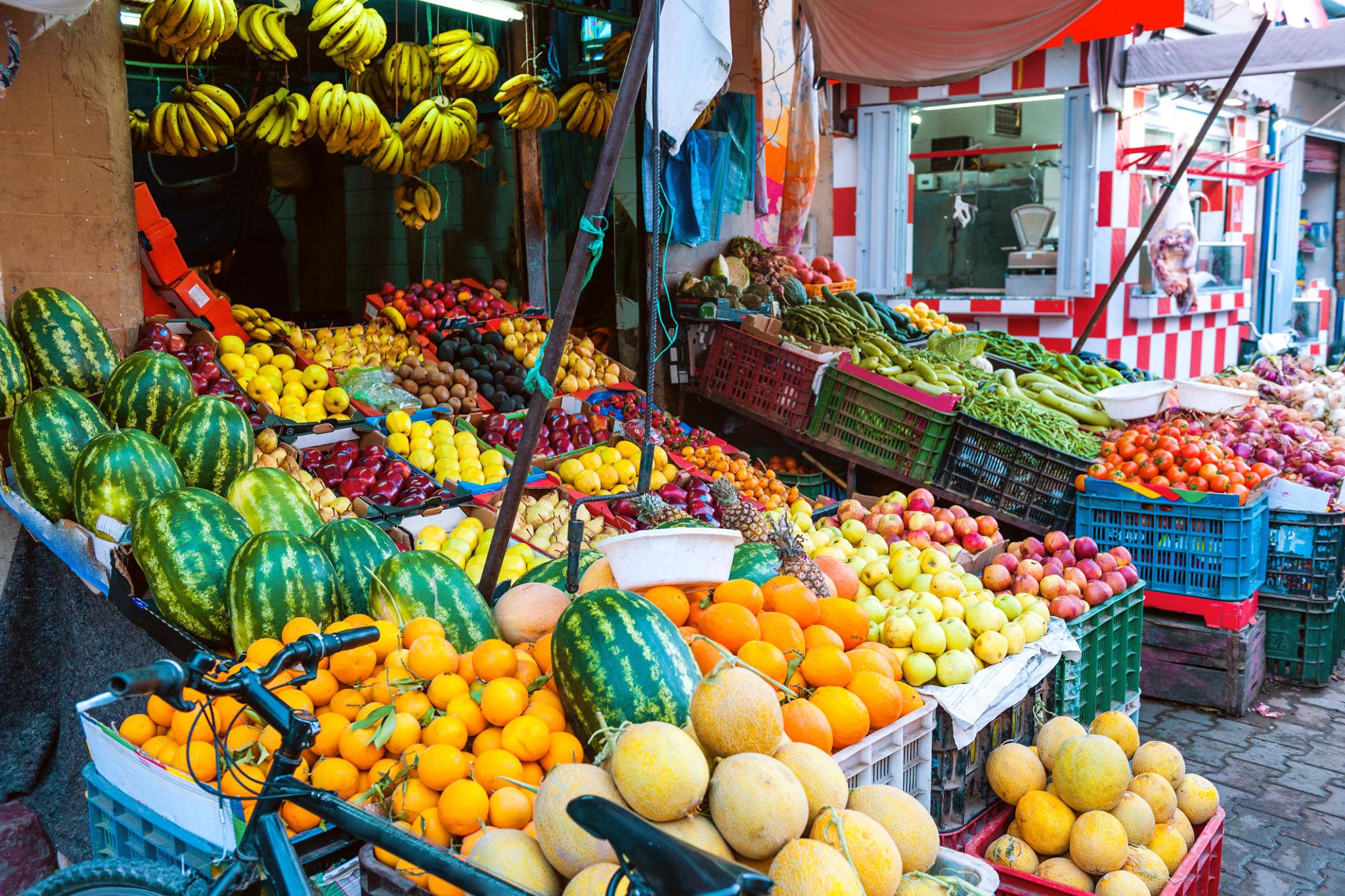
Forget luxury restaurants for a second. For many families in Morocco, the real food story is happening at the market. Tomatoes, onions, peppers, potatoes, fruit and vegetables have recently fallen in price in parts of Morocco, giving shoppers some welcome relief. But market professionals warn this cheaper moment may not last long. The recent drop appears to be linked to seasonal supply — Morocco’s local market has seen a marked fall in fresh produce prices, especially for early vegetables. The reason is not necessarily a deep structural change, but more likely a seasonal glut.
Why Prices Are Falling Now
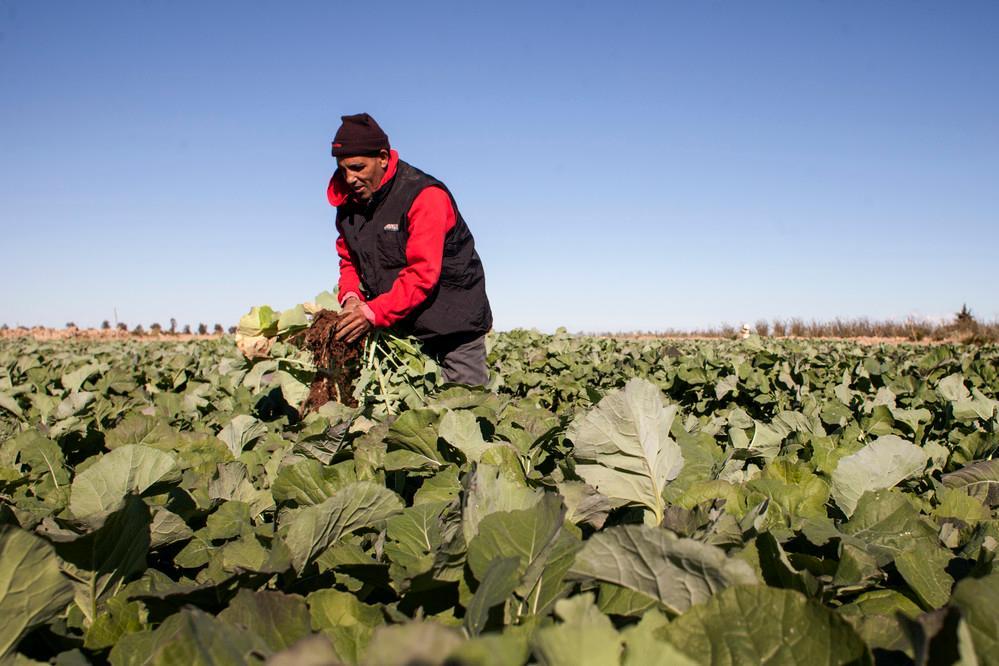
When supply rises faster than demand, prices can fall — good for shoppers, but potentially painful for producers who still pay for seeds, water, labour, transport, packaging and market access. If prices fall too far, shoppers may enjoy cheaper vegetables while producers struggle to cover their costs. That is the hidden side of a market price drop. The key warning is timing: market sources expect the current situation to reverse within weeks as stocks run out and a new cycle begins. Exports also play a role — when export activity increases again, more goods may leave the local market, reducing supply at home and pushing prices back up.
Tomatoes Are Always Watched Closely
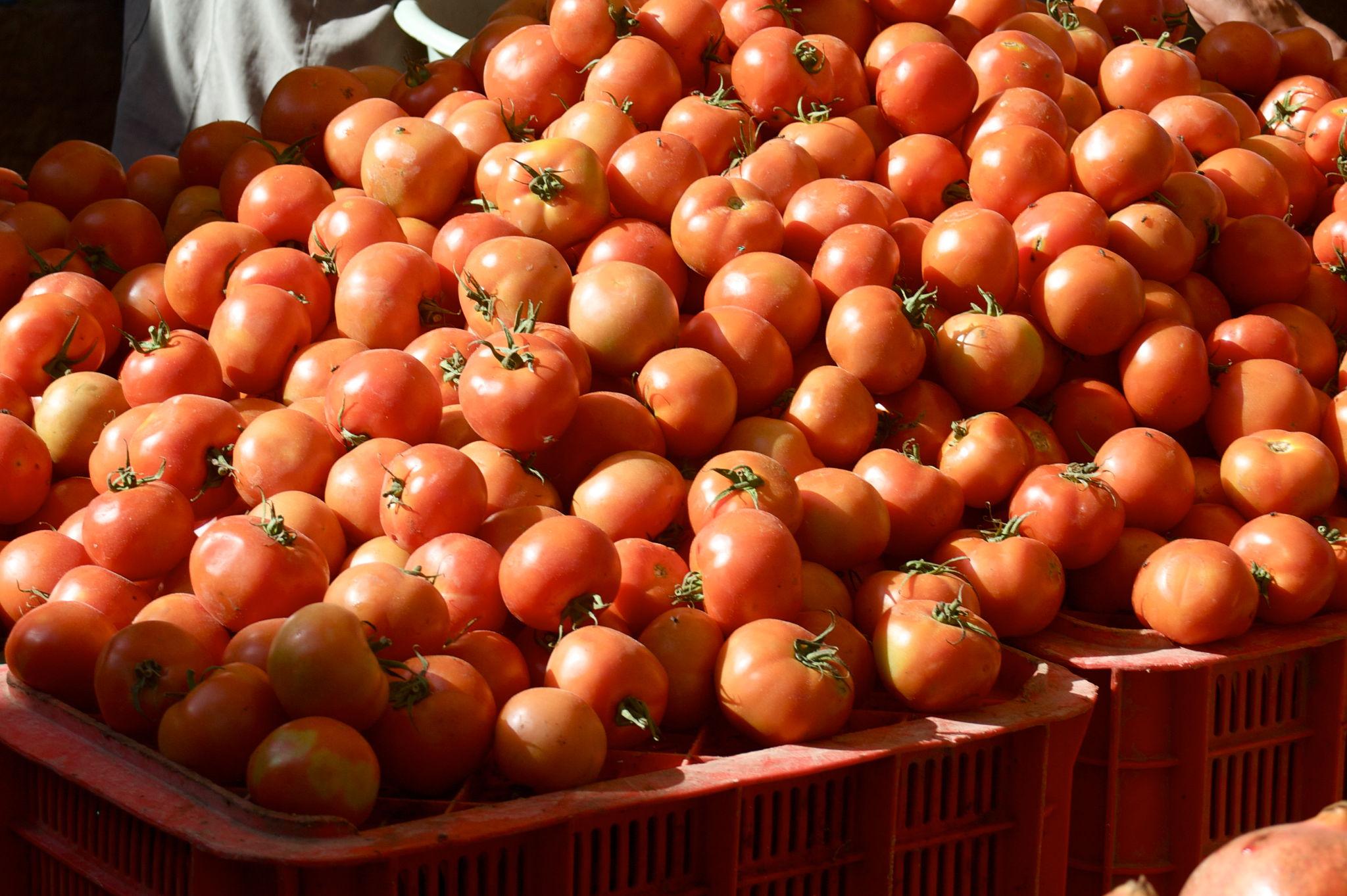
Few products get attention like tomatoes. They are used in everyday cooking across Morocco — salads, sauces, tagines, sandwiches, family meals. When tomato prices move, people notice fast. The same goes for onions and potatoes, which are basic kitchen items in many households. These products are not luxury extras — they are part of daily cooking. Reuters reported that Morocco’s annual inflation rate rose to 1.7% in April 2026, up from 0.9% in March. Food prices rose 0.6% year-on-year, while non-food prices rose 2.5%. Transport prices jumped 8.4%, largely linked to higher fuel costs.
Fuel Can Touch Food Prices Too
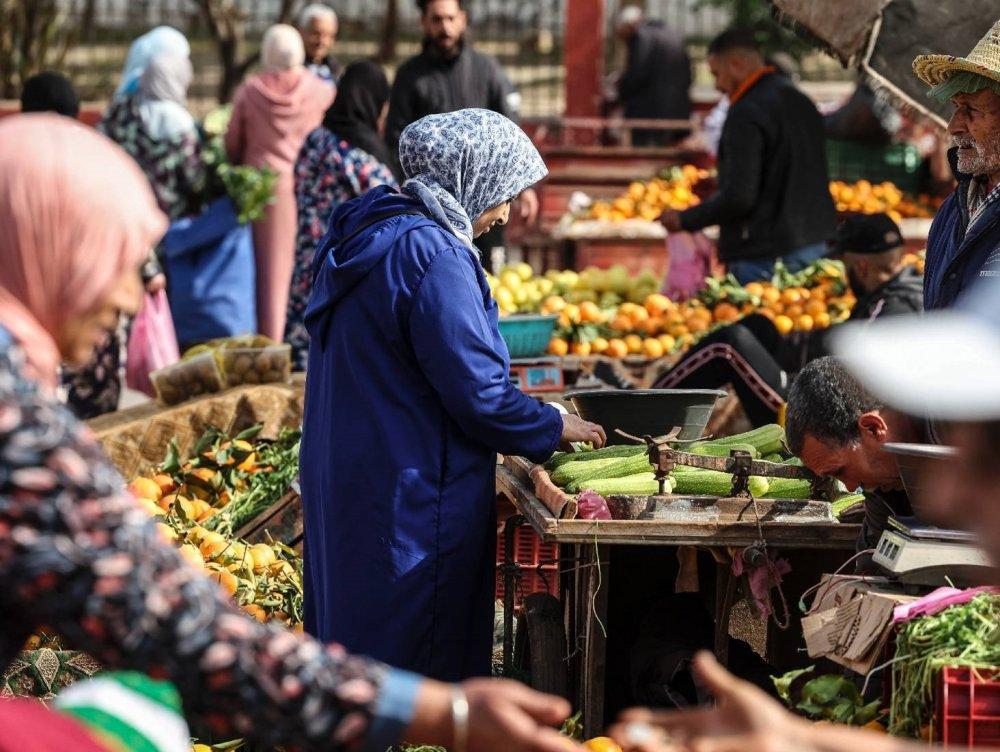
Food does not move by magic — it needs trucks, cold storage, markets, fuel, drivers and roads. If transport costs rise, that pressure can reach food markets: a farmer may pay more to move produce, a wholesaler may face higher logistics costs, a retailer may protect margins and the shopper may see the result at the stall. That is why food prices are connected to more than weather and harvests — they are also connected to energy and transport. Seasonal food can help families manage budgets: when a product is abundant, prices fall; when supply tightens, prices rise. Many Moroccan households adjust meals around what is affordable and available. For Moroccan families, the message is simple: enjoy the cheaper basket while it lasts, but do not assume the market will stay this way for long.