

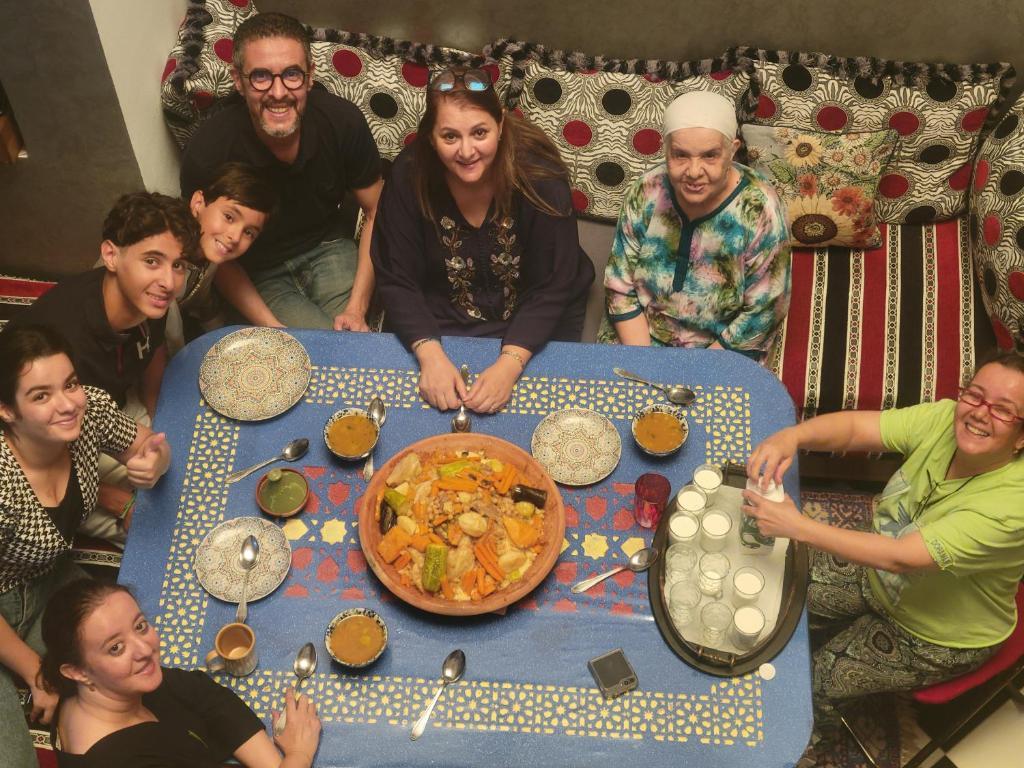
In Morocco, Friday has a taste.
It smells like steamed semolina.
It looks like seven vegetables.
It sounds like family arriving at the door.
And it often ends with everyone leaning over one big shared plate.
Couscous is not just Morocco’s most famous dish.
It is a weekly ritual.
And even in summer, when the days are hot and routines change, couscous still rules the family table.
Friday Still Belongs To Couscous
Ask many Moroccans what Friday food means, and one answer comes fast.
Couscous.
After the midday prayer, families gather.
Parents, children, grandparents, cousins, neighbours and guests may all sit together.
The dish arrives big, warm and generous.
Everyone knows the rhythm.
The vegetables.
The chickpeas.
The meat or chicken.
The broth.
The soft couscous grains.
It is comfort, memory and identity in one plate.
More Than A Meal
Couscous is food, but it is also a social event.
It brings people to the same table.
It slows the day down.
It gives families a reason to meet.
It turns lunch into a moment.
That matters in a world where people eat quickly, scroll constantly and rush between tasks.
Couscous does the opposite.
It asks people to sit.
Share.
Talk.
Wait.
Eat together.
That is why it still feels powerful.
A Dish With UNESCO Weight
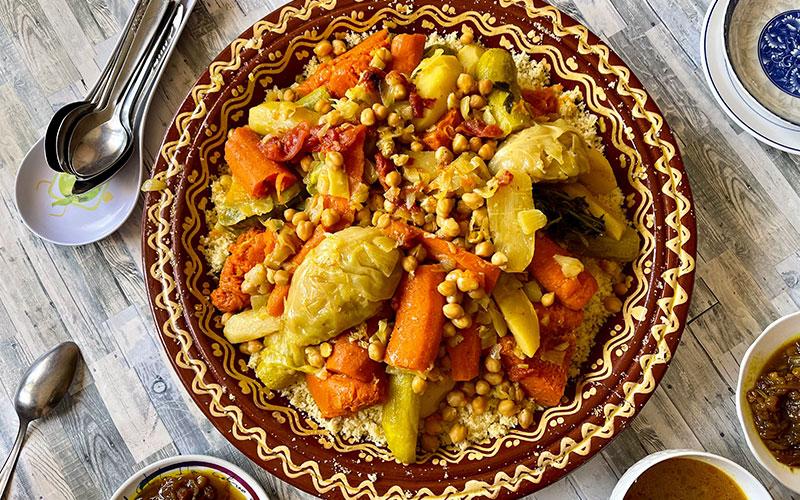
Couscous is not only loved at home.
It is recognised internationally.
UNESCO has inscribed the knowledge, know-how and practices linked to the production and consumption of couscous on the Representative List of the Intangible Cultural Heritage of Humanity.
The inscription was submitted jointly by Morocco, Algeria, Mauritania and Tunisia.
That gives the dish a wider North African identity.
But in Morocco, the Friday couscous table has its own emotional force.
It is heritage you can eat.
Why Summer Does Not Kill The Tradition
Summer changes many food habits.
People want lighter meals.
Cold drinks.
Fruit.
Salads.
Late dinners.
Beach snacks.
Ice cream.
But couscous stays.
Even in hot months, families still prepare it.
Why?
Because couscous is not only about hunger.
It is about Friday.
It is about home.
It is about routine.
It is about a table that feels complete.
Some dishes survive because they are delicious.
Couscous survives because it means something.
The Seven-Vegetable Classic
One of the most famous Moroccan versions is couscous with seven vegetables.
Carrots.
Courgettes.
Pumpkin.
Turnips.
Cabbage.
Chickpeas.
Onions.
The exact mix can change by family, city or season.
Some add meat.
Some use chicken.
Some prefer lamb.
Some make it with tfaya, the sweet onion and raisin topping.
Some keep it simple.
But the idea is the same.
A generous plate built for sharing.
Every Family Has Its Own Version
There is no single couscous.
There is your mother’s couscous.
Your grandmother’s couscous.
Your neighbour’s couscous.
The countryside version.
The city version.
The wedding version.
The quick version.
The slow version.
The one with more broth.
The one with more vegetables.
The one everyone argues is the best.
That is part of the beauty.
Couscous is national, but it is also personal.
The Steam Is Part Of The Magic
Traditional couscous is not instant food.
It takes time.
The grains are steamed.
Fluffed.
Steamed again.
The broth cooks slowly.
The vegetables soften.
The smell fills the house.
That process matters.
It creates anticipation.
People know lunch is coming before they see it.
The kitchen becomes the centre of the home.
In a fast-food world, couscous still respects time.
Why Children Remember It
Many Moroccans remember couscous from childhood.
The big plate.
The family crowd.
The vegetables they avoided.
The meat they hoped to get.
The adults talking.
The smell in the hallway.
The quiet after everyone eats too much.
These memories stay.
That is why couscous is more than a recipe.
It is part of growing up Moroccan.
A child may leave home later.
But Friday couscous often stays in the heart.
Couscous Connects The Diaspora
For Moroccans abroad, couscous can feel even more emotional.
In Amsterdam.
Paris.
Brussels.
Madrid.
London.
Montreal.
New York.
A Friday plate can bring Morocco back into the room.
The ingredients may come from a local shop.
The family may live far from home.
The weather may be different.
But the table tells the same story.
Couscous becomes a bridge between Morocco and the diaspora.
Restaurants Know Friday Is Special
Tourist restaurants may serve couscous every day.
But in Morocco, Friday is the classic day.
Many restaurants know customers expect it.
Some families order it when they do not have time to cook.
Some workers eat it during a Friday lunch break.
Some visitors plan their food day around it.
For tourists, eating couscous on a Friday can feel like joining a real Moroccan rhythm.
That makes it a food experience, not just a menu choice.
The Summer Family Table Still Needs It
Summer can scatter families.
Some travel.
Some go to the beach.
Some host relatives.
Some welcome diaspora visitors.
Some stay up late and wake up slowly.
But Friday couscous can bring the routine back.
Even during school holidays, travel weeks and hot afternoons, the dish can anchor the family.
It says: this is still Friday.
This is still home.
This is still us.
A Plate Built For Sharing
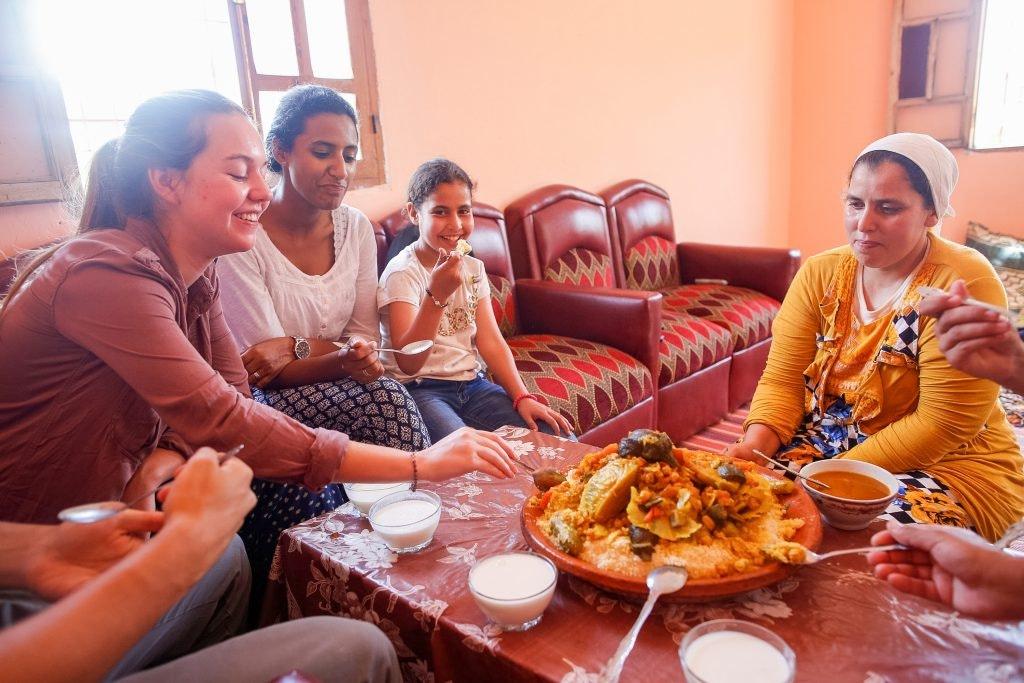
Couscous is not designed for one lonely fork.
It belongs to a shared table.
That is part of its power.
People eat from the same plate.
They reach carefully.
They choose vegetables.
They add broth.
They talk between bites.
A shared dish creates a different feeling from individual plates.
It is less private.
More communal.
More Moroccan.
The food itself teaches togetherness.
Why It Still Beats Modern Trends
Food trends come and go.
Burgers.
Sushi.
Tacos.
Bubble tea.
Avocado toast.
Korean chicken.
Dubai chocolate.
Moroccan cities now have everything.
But couscous remains unbeatable because it is not trying to be trendy.
It is already rooted.
It does not need a marketing campaign.
It has mothers, grandmothers, families and Fridays.
That is stronger than any food trend.
The Healthy Side Is Often Forgotten
Couscous can also be balanced.
Semolina gives energy.
Vegetables bring colour and fibre.
Chickpeas add protein.
The broth carries flavour.
Meat or chicken can be added, but the dish does not need to be heavy if prepared carefully.
In summer, families can make it lighter with more vegetables and less fat.
That flexibility helps it survive across generations.
The Best Couscous Is Emotional
People argue about the best couscous.
Which city does it best?
Which vegetables belong?
Should tfaya be included?
Should it be lamb, beef or chicken?
How much broth is enough?
But the truth is simple.
The best couscous is often the one linked to memory.
The one made at home.
The one eaten with family.
The one that tastes like childhood.
That is why food is never only technical.
It is emotional.
Tourists Discover The Ritual
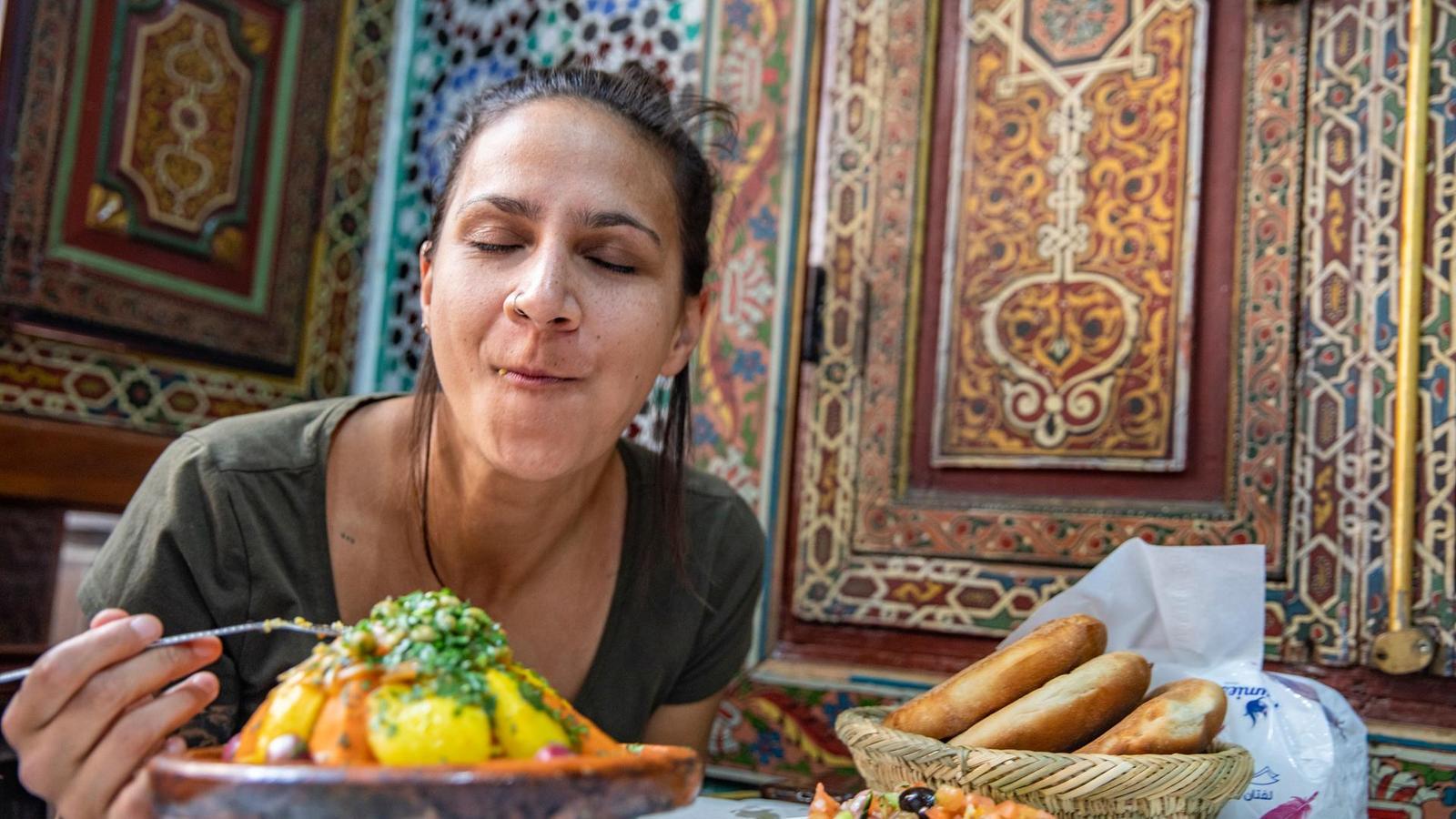
For visitors, couscous can be a gateway into Moroccan culture.
It is easy to recognise.
Easy to photograph.
Easy to enjoy.
But the real meaning appears when they understand the Friday tradition.
Couscous is not only something on a plate.
It is connected to time, faith, family and community.
That makes it one of the best dishes for explaining Morocco to the world.
A Dish That Refuses To Disappear
Modern life is fast.
Families are busy.
Cities are changing.
Young people order delivery.
Work schedules are harder.
But couscous refuses to disappear.
It adapts.
Some families cook it every Friday.
Some make it when relatives visit.
Some order it.
Some save it for special gatherings.
But the symbol remains strong.
Friday and couscous still belong together.
The Final Whistle
Morocco’s most famous Friday dish still rules summer family tables because couscous is more than food.
It is routine.
Memory.
Heritage.
Comfort.
Family.
A shared plate that brings people together when life moves too fast.
UNESCO recognises couscous as part of North Africa’s intangible cultural heritage, but Moroccan families have always known its real value.
It is not only in the grains.
It is in the gathering.
And that is why, even in summer, couscous remains king of the Friday table.