

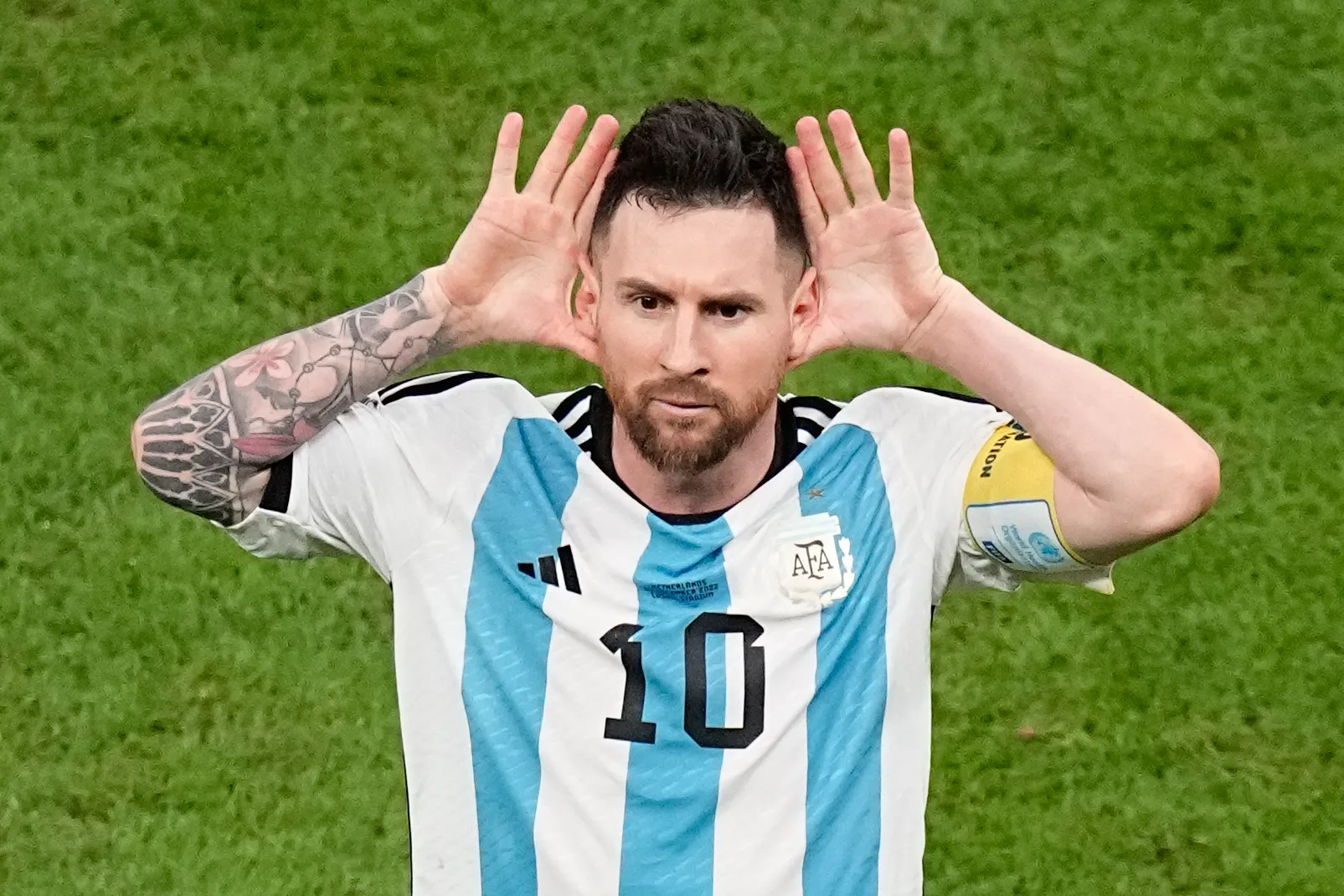
The Spanish-Speaking Final is not just a World Cup final.
It is a family argument with a trophy in the middle.
Argentina and Spain will meet at MetLife Stadium in New Jersey, but the emotional geography of this match stretches far beyond the United States. It runs through Buenos Aires, Madrid, Barcelona, Rosario, Seville, Valencia, immigrant households, divided families, shared language, old history and two football cultures that understand each other almost too well.
This is not Argentina against a distant opponent.
This is not Spain against a stranger.
It is a final played in the same language, but with very different accents, memories and football identities.
The Spanish-Speaking Final Carries Rare History
The Spanish-Speaking Final matters because it is extremely rare.
AP reports that Argentina vs Spain will be the first all-Spanish-speaking World Cup final since the inaugural tournament in 1930, when Uruguay defeated Argentina in Montevideo.
That gives the match a special historical frame.
Almost a century later, the World Cup has returned to a final where the language is shared, but the meaning is divided. Spanish connects the two nations, but football separates them for one night.
The anthem changes.
The shirt changes.
The accent changes.
The emotional inheritance changes.
And that is what makes this final feel different from a normal Europe vs South America clash.
Argentina Bring The Champion’s Fire
Argentina arrive as defending world champions.
That status changes everything.
They are not trying to prove they belong on the stage. They are trying to protect a crown and possibly build one of the greatest national-team eras in modern football. A second consecutive title would place this Argentina side in rare historical territory.
Reuters reported that Lionel Scaloni said Argentina’s supporters are driving the team to want another World Cup triumph, with the emotional force of the fans still central to the squad’s motivation.
That is Argentina’s power.
The team does not carry only tactics.
It carries millions of people who treat the national team as memory, identity and emotional survival.
Spain Bring The Wall
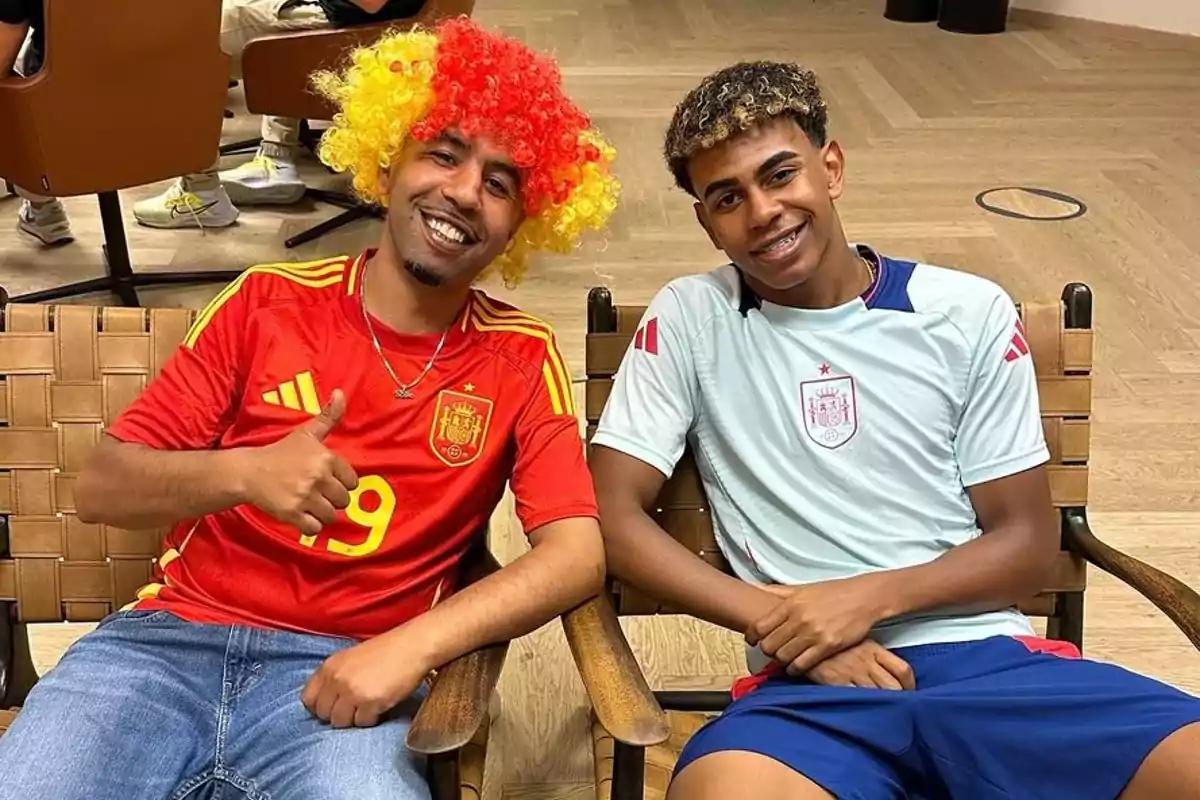
Spain arrive with a different kind of authority.
They are not built only on emotion. They are built on control. Their semifinal win over France showed a team capable of closing space, managing rhythm and turning elite opponents into frustrated passengers.
Spain are dangerous because they can make a final feel smaller.
They can reduce chaos.
They can slow emotional storms.
They can make the opponent chase shadows, lose patience and force risky decisions.
Against Argentina, that will be the central tactical battle.
Argentina want the final to breathe, burn and explode.
Spain want to compress it into structure.
Messi Makes It Personal
Every Argentina final is still a Messi final.
Even now, even at this stage of his career, Lionel Messi changes the emotional size of the match. His presence turns a football game into a generational event. For Argentina, he is not only a captain. He is the man who carried an entire country’s football trauma into redemption.
Against Spain, his story becomes even more layered.
Messi built much of his football life in Spain. His name is tied to Barcelona, La Liga, Camp Nou, Spanish football culture and the country where he became a global icon.
That makes this final almost cinematic.
Argentina’s greatest son of football is facing the country that helped shape him into history.
Spain Know Messi Better Than Anyone
This is what makes the matchup dangerous for Argentina.
Spain do not view Messi as an unknown myth.
Spanish football watched him for years. Spanish defenders, coaches, analysts and fans understand his zones, his rhythm, his left foot, his pauses and his ability to turn quiet moments into fatal ones.
That knowledge does not make stopping him easy.
But it removes surprise.
Spain will know that Messi does not need 90 minutes of dominance. He needs one passing lane, one delayed movement, one wrong defensive distance, one free kick, one moment where the game slows around him.
That is the nightmare for Spain.
They can control the final for long periods and still lose it in one Messi action.
Argentina Understand Spain’s Weakness
Argentina will not try to out-Spain Spain.
That would be a mistake.
Spain are comfortable in possession, patient in circulation and excellent at forcing opponents to run without the ball. Argentina’s best chance may come from controlled aggression: pressing selectively, attacking transitions quickly and turning emotional momentum into pressure.
Argentina must make Spain defend facing their own goal.
They must force Spain’s midfield to run backwards.
They must create moments where Spain’s structure becomes stretched and their defenders have to make individual decisions under pressure.
Spain want order.
Argentina must create disorder without losing discipline.
That is the champion’s challenge.
A Final Of Shared Language, Different Football Cultures
The shared Spanish language does not mean shared football identity.
Argentina’s football culture is emotional, defiant and theatrical. It values suffering, street intelligence, aggression, creativity and the ability to win through pain. The word “garra” matters because it describes more than effort. It describes a national idea of resistance.
Spain’s football culture, especially in its modern elite form, values control, spacing, technical superiority and collective discipline. It wants to make the ball the centre of authority.
Both cultures love beauty.
But they define beauty differently.
For Argentina, beauty can be a dribble through chaos.
For Spain, beauty can be a team suffocating space through perfect positioning.
This final puts those ideas against each other.
Divided Families Will Feel This More Than Most
AP reported on the divided loyalties among Argentines and Spaniards, noting the deep migration links between the two countries and the many Argentines who settled in Spain during periods of dictatorship and economic crisis.
That is why this final will be emotional in homes far from the stadium.
Some families will have Argentine parents and Spanish-born children.
Some will have relatives in both countries.
Some will have grown up with La Liga and Argentina shirts at the same time.
Some will cheer Messi but live in Madrid.
Some will love Spain but carry Argentine blood.
This is the “family war” behind the title.
It is not hatred.
It is conflict inside affection.
The Colonial Shadow Is Still There
The Spain-Argentina relationship is also historical.
Argentina’s independence from Spain belongs to a long political past, but language, culture, surnames, migration and identity still connect the two countries. Football does not reopen that history directly, but it gives it symbolic form.
A World Cup final is never only about what happens on the pitch.
It becomes a stage where nations tell stories about themselves.
For Spain, this is a chance to confirm a new generation and reconnect with the glory of 2010.
For Argentina, it is a chance to defeat the old centre of the Spanish-speaking world and prove again that its football identity stands alone.
The language is shared.
The pride is separate.
Spain Want To End Argentina’s Era
Spain know what is at stake.
If Argentina win, the story becomes enormous: back-to-back World Cups, Messi’s final mythology extended, Scaloni’s team entering history and Argentina becoming the defining international side of this era.
Spain can stop all of that.
That is powerful motivation.
A Spain victory would not only deliver a second World Cup title. It would interrupt Argentina’s dynasty before it becomes untouchable. It would announce that the next cycle belongs to Spain’s younger, more structured and tactically mature generation.
This is not only a final.
It is a transfer of football authority waiting to happen.
Argentina Want To Make History Permanent
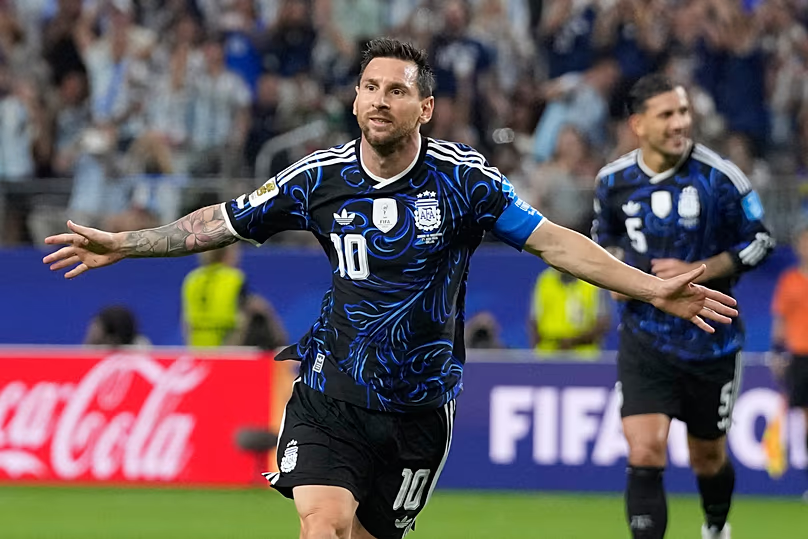
Argentina already gave Messi his World Cup in 2022.
But another title would do something different.
It would prove that Argentina’s success was not only a perfect emotional peak in Qatar. It would show that the team became a durable winning machine, capable of defending its crown in a larger, more demanding 48-team tournament.
That is why Sunday matters so much.
A win would turn memory into dynasty.
It would move this Argentina side from beloved champions to historic champions.
It would also give Messi one more impossible chapter, the kind that makes future generations struggle to separate fact from legend.
The U.S. Stage Changes The Atmosphere
The final being played in New Jersey adds another layer.
This is not Buenos Aires.
This is not Madrid.
This is not Barcelona.
This is not Montevideo.
The final will take place in the United States, inside a global commercial and diaspora setting where Argentines, Spaniards, Latin Americans, Europeans and neutral fans will all meet in one stadium environment.
That makes the Spanish-speaking final feel even bigger.
It is being played outside the Spanish-speaking world, but carried by Spanish-speaking emotion.
New York and New Jersey become the neutral stage for a cultural final that belongs to millions far beyond the stadium.
The Fan Battle May Be Argentina’s Edge
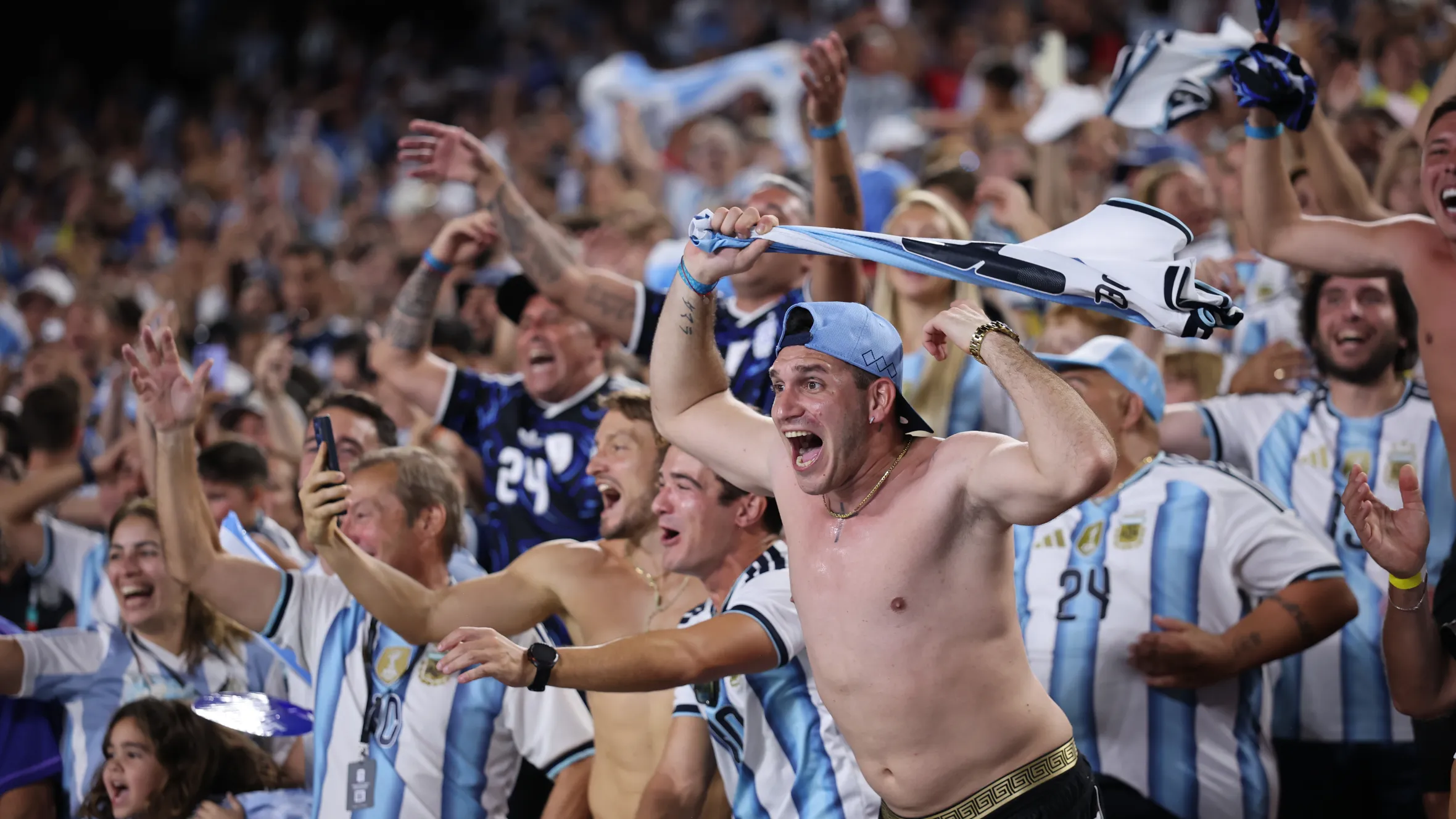
Argentina’s fans are famous for turning neutral stadiums into emotional pressure chambers.
Songs, flags, drums, tears, rituals and national obsession travel with the team. Scaloni’s comments about supporters driving the team show how central that energy remains to Argentina’s identity.
Spain have passionate supporters too.
But Argentina’s tournament fan culture has become one of the strongest visual forces in world football.
In a tight final, that matters.
A roar after a tackle can lift tired legs.
A song after a difficult spell can reset belief.
A wall of blue and white can make a neutral stadium feel like home.
The Tactical Final Is Simple, The Emotional Final Is Not
On paper, the tactical clash is clear.
Spain must control the ball, deny Messi central spaces, avoid emotional transitions and make Argentina defend for long periods.
Argentina must disrupt Spain’s rhythm, attack quickly when space appears, protect Messi from isolation and turn the match into moments rather than patterns.
But emotionally, the match is much harder to read.
Finals are not played only by systems.
They are played by nerves.
Spain may have control but feel the weight of stopping Messi.
Argentina may have experience but face a Spain team that does not give emotional oxygen easily.
The first goal could change everything.
This Is The Final FIFA Wanted
From a storytelling perspective, Argentina vs Spain is almost perfect.
Defending champions against European champions.
Messi against the Spanish football world that shaped him.
South America against Europe.
Shared language, divided pride.
Old history, new generation.
Emotion against control.
A final like this sells itself.
No artificial drama is required. The match already contains enough tension for broadcasters, fans, sponsors and every football writer on the planet.
The danger is that the game becomes too cautious.
The hope is that the emotional weight forces both sides to attack history rather than fear it.
The Bottom Line
The Spanish-Speaking Final is one of the most symbolic World Cup finals in modern history.
Argentina and Spain share a language, but they arrive with different football identities, different memories and different ambitions. Argentina want to defend their crown and make the Messi-Scaloni era permanent. Spain want to stop that dynasty and announce a new cycle of control, structure and youth.
AP notes that this is the first all-Spanish-speaking final since 1930, giving the match a rare historical echo.
That is why this final feels larger than the scoreboard.
It is Europe against South America.
It is Spain against the country that made Spanish its own football language.
It is Messi against a place that helped build him.
And for millions of divided families, it is the most beautiful kind of football conflict.
One language.
Two flags.
One trophy.