
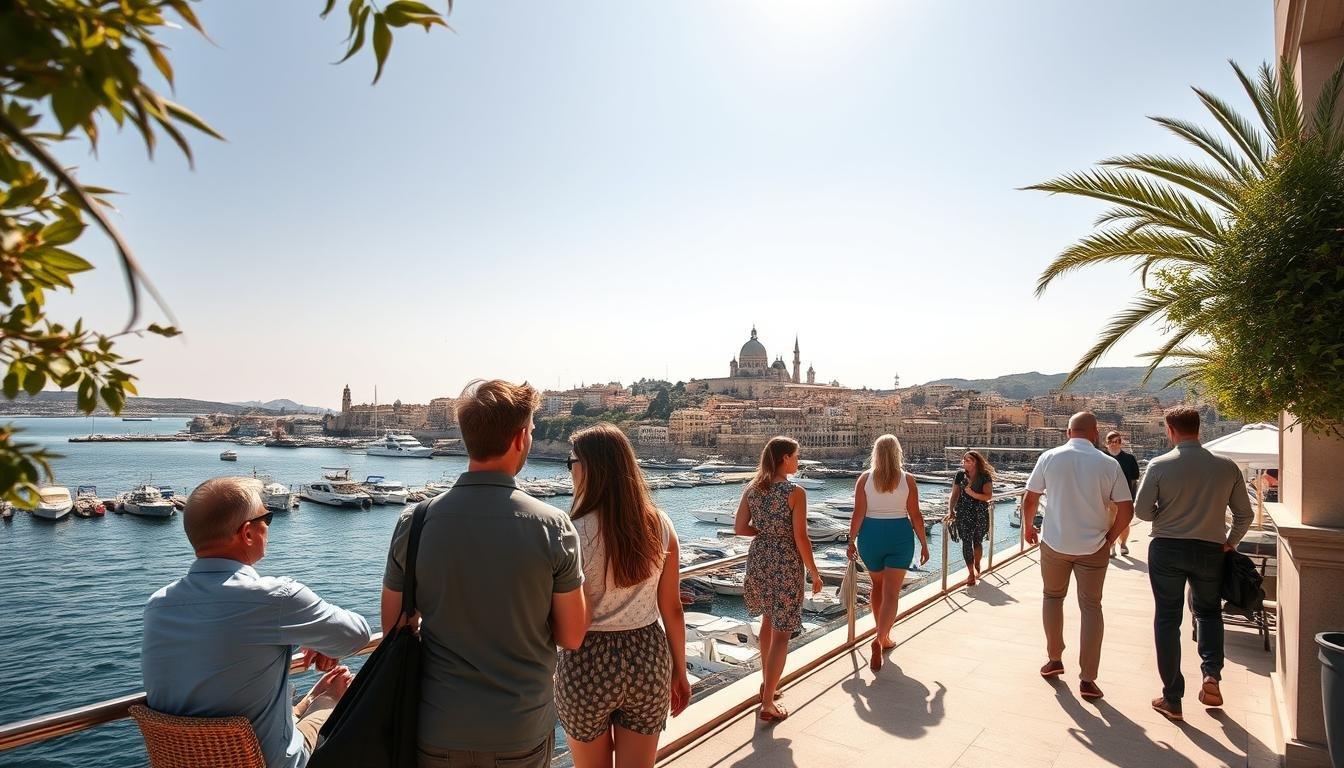
The Coolcation Boom is turning Europe’s summer travel map into a climate test.
For decades, the strongest holiday promise was simple: more sun, more heat, more outdoor life. Southern Europe built much of its tourism economy around that formula, selling July and August as the peak season for beaches, terraces, city breaks and Mediterranean glamour.
That model is not disappearing, but it is being questioned.
After another extreme heatwave across Europe, tourists are beginning to ask a more practical question before booking: will the destination still feel comfortable when they arrive?
Coolcation Boom Is Changing The Travel Calendar
The Coolcation Boom is not only about choosing colder places. It is about changing when and how people travel.
A traveller who once booked southern Europe automatically in July may now look at May, September or October. A family that once accepted heat as part of the summer experience may now prioritise sleep, shade and lower health risk. A luxury guest may still want beauty, but not at the price of exhaustion.
This changes the business model for tourism.
Peak season may become less concentrated. Shoulder seasons may gain value. Coastal, mountain and northern destinations may win demand that once belonged almost automatically to the hottest parts of Europe.
For hotels, airlines and cities, the old calendar can no longer be treated as fixed.
Heat Is Becoming A Booking Filter
Travel used to be sold through desire.
Now it is increasingly filtered through risk.
Tourists are not only asking whether a destination is beautiful. They are asking whether they can walk through it, sleep in it and enjoy it without planning every movement around heat warnings.
That matters because tourism is built on comfort.
A city can have museums, restaurants, shopping streets and historic sites, but if visitors avoid the afternoon because the streets are too hot, the value of the destination changes. Restaurants lose terrace hours. Retail loses foot traffic. Guides lose bookings. Families shorten itineraries.
Extreme heat does not only affect the body. It changes the economics of the day.
Western Europe’s Record Heat Is A Warning
The summer signal is already visible.
Reuters reported that Western Europe recorded its hottest June on record, with average temperatures reaching 20.74°C, more than 3°C above the 1991-2020 average according to the EU’s Copernicus Climate Change Service.
That is not a normal seasonal inconvenience.
It is a warning for travel planning, urban design and the hospitality industry. Heatwaves disrupt transport, reduce mobility, increase health risks and make standard visitor behaviour less predictable.
For tourism markets that rely on heavy summer volumes, this means climate comfort is no longer a side issue. It is becoming part of destination competitiveness.
Tourists Are Moving Toward Air, Water And Altitude
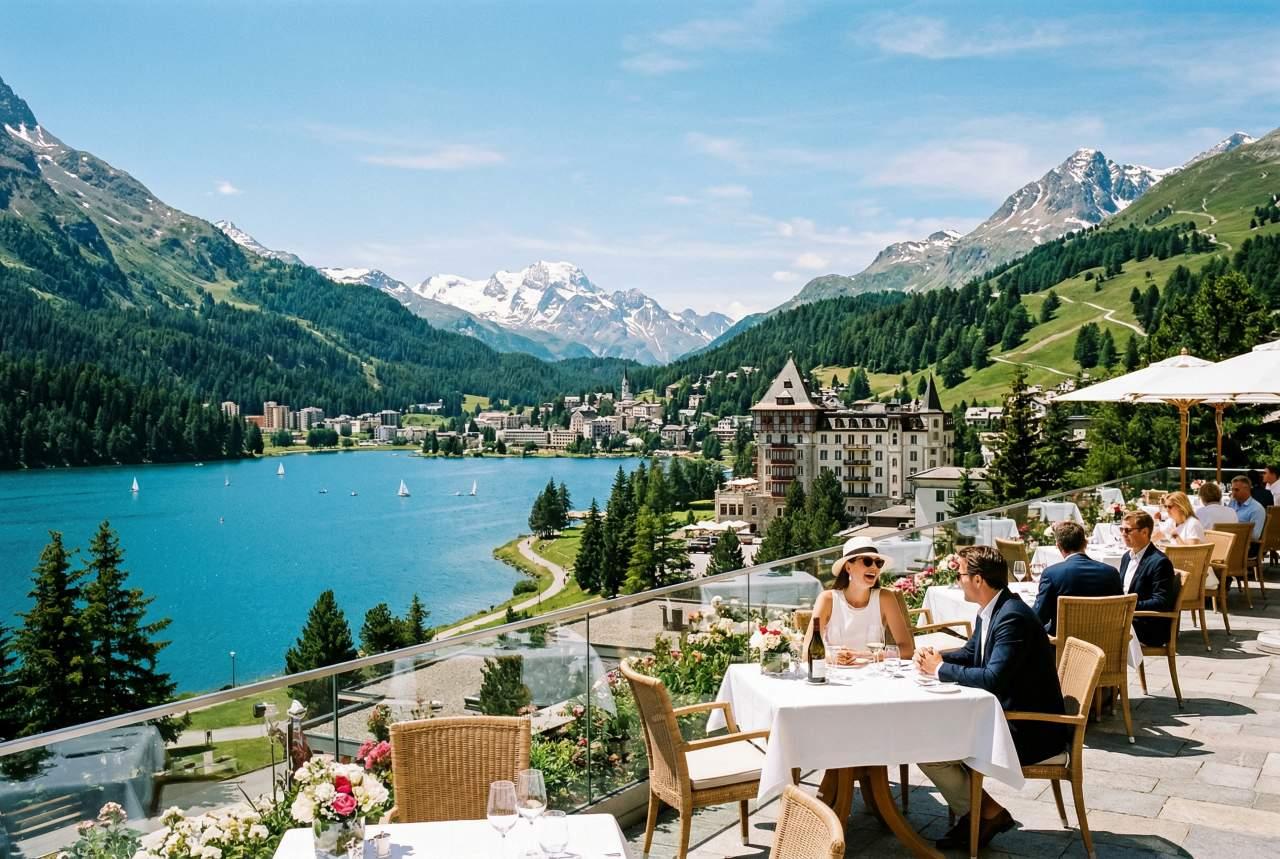
The winners in the new travel map may be destinations that offer air, water and altitude.
Coastal towns, mountain regions, lake areas, northern cities and Atlantic routes can gain from travellers seeking more breathable summer conditions. This does not mean every cooler destination is ready for mass demand, but it does mean the logic of summer travel is changing.
Le Monde reported that during France’s June heatwave, overall mobility fell, while coastal and mountain areas saw a moderate rise in visitors. That pattern matters because it shows how heat can influence movement even before people make long-term booking changes.
The future may not be a mass escape from Europe’s famous destinations. It may be a gradual repricing of comfort.
Luxury Travel Is Redefining Comfort
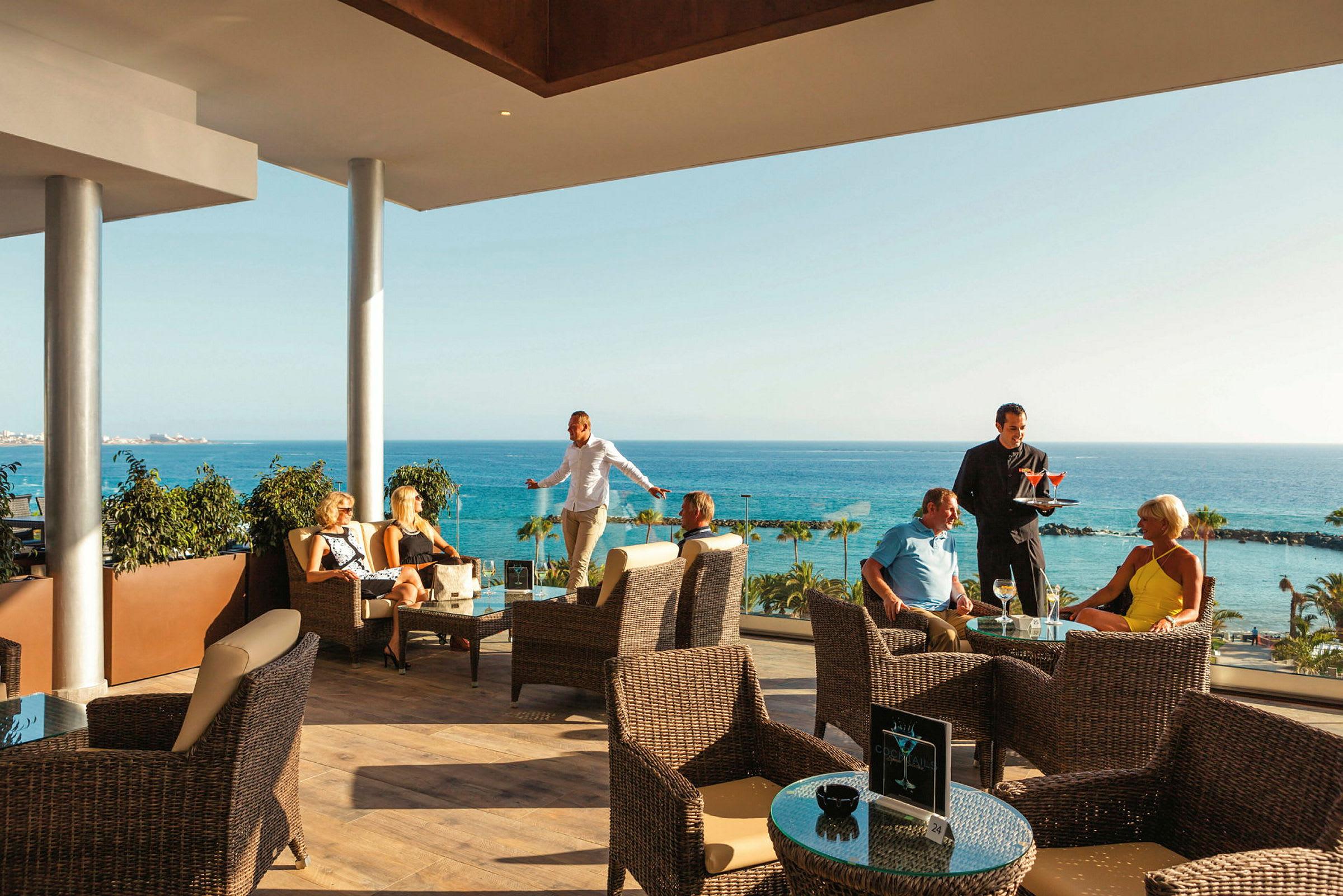
The Coolcation Boom is especially important for luxury travel.
High-end tourists pay for control. They expect comfort, smooth service, strong air-conditioning, shaded outdoor space, flexible scheduling, wellness options and destinations that do not make every activity feel physically difficult.
Luxury is no longer only a bigger room or a better view.
It is the ability to enjoy the destination without fighting the climate.
This creates pressure on hotels. Properties will need better cooling systems, shaded design, indoor wellness programming, evening experiences, water management and climate-sensitive guest advice.
A hotel that ignores heat may lose pricing power, even if the brand remains famous.
Morocco Can Gain From The Shift
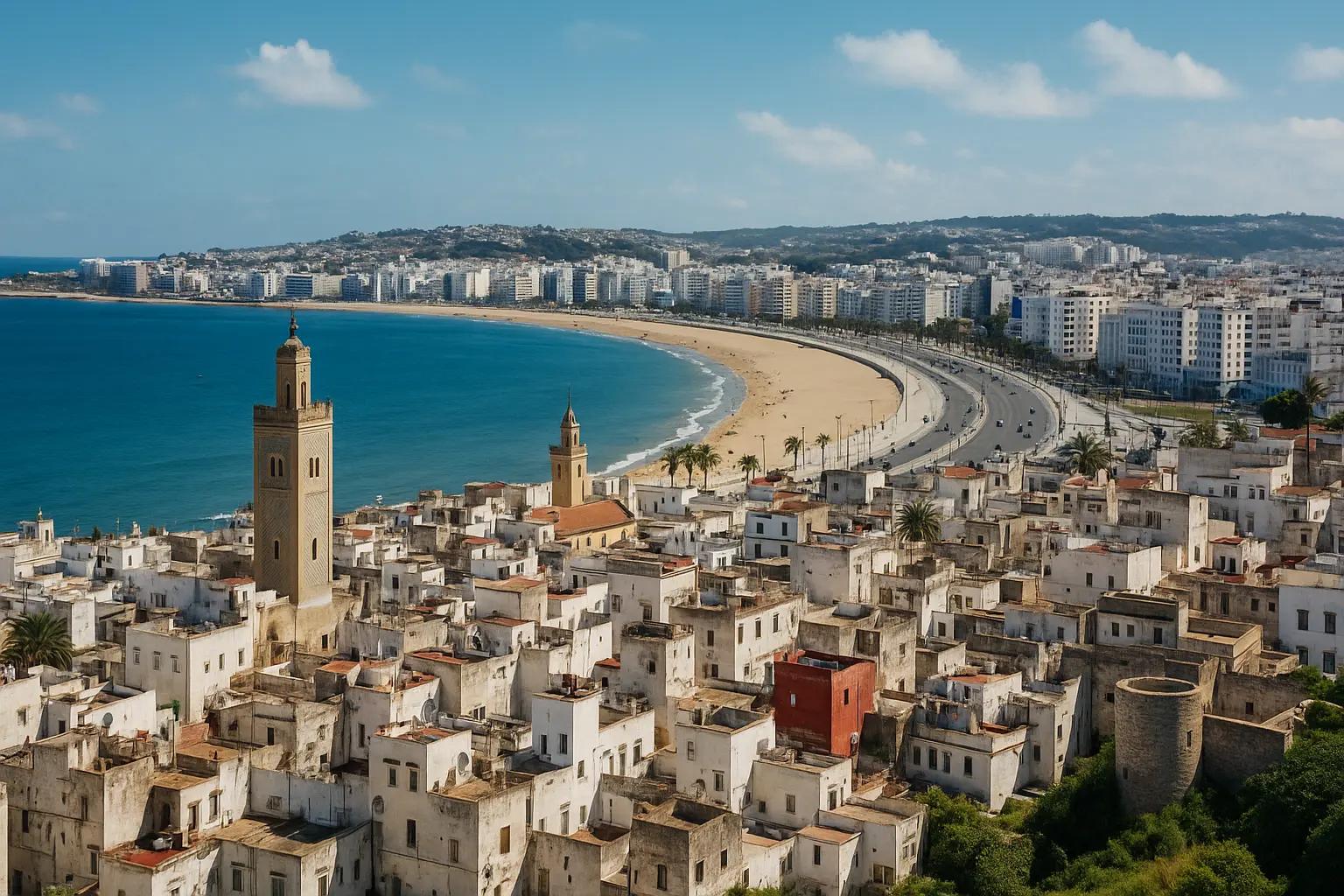
For Morocco, the Coolcation Boom is both an opportunity and a warning.
The country cannot pretend heat is not part of its own tourism challenge. Marrakech, inland routes and desert experiences require smarter seasonality, especially for families, older travellers and luxury guests who expect comfort.
But Morocco also has strategic advantages.
The Atlantic coast, northern cities, mountain regions and shoulder-season tourism can become stronger parts of the national offer. Tangier, Rabat, Essaouira, Agadir, Dakhla and mountain-linked itineraries can all benefit if Morocco packages them as climate-smart travel options rather than secondary destinations.
This matters before 2030.
The World Cup will bring global attention, but long-term tourism value will depend on whether Morocco can offer different experiences at the right time of year.
Marrakech Needs Timing, Not Less Promotion
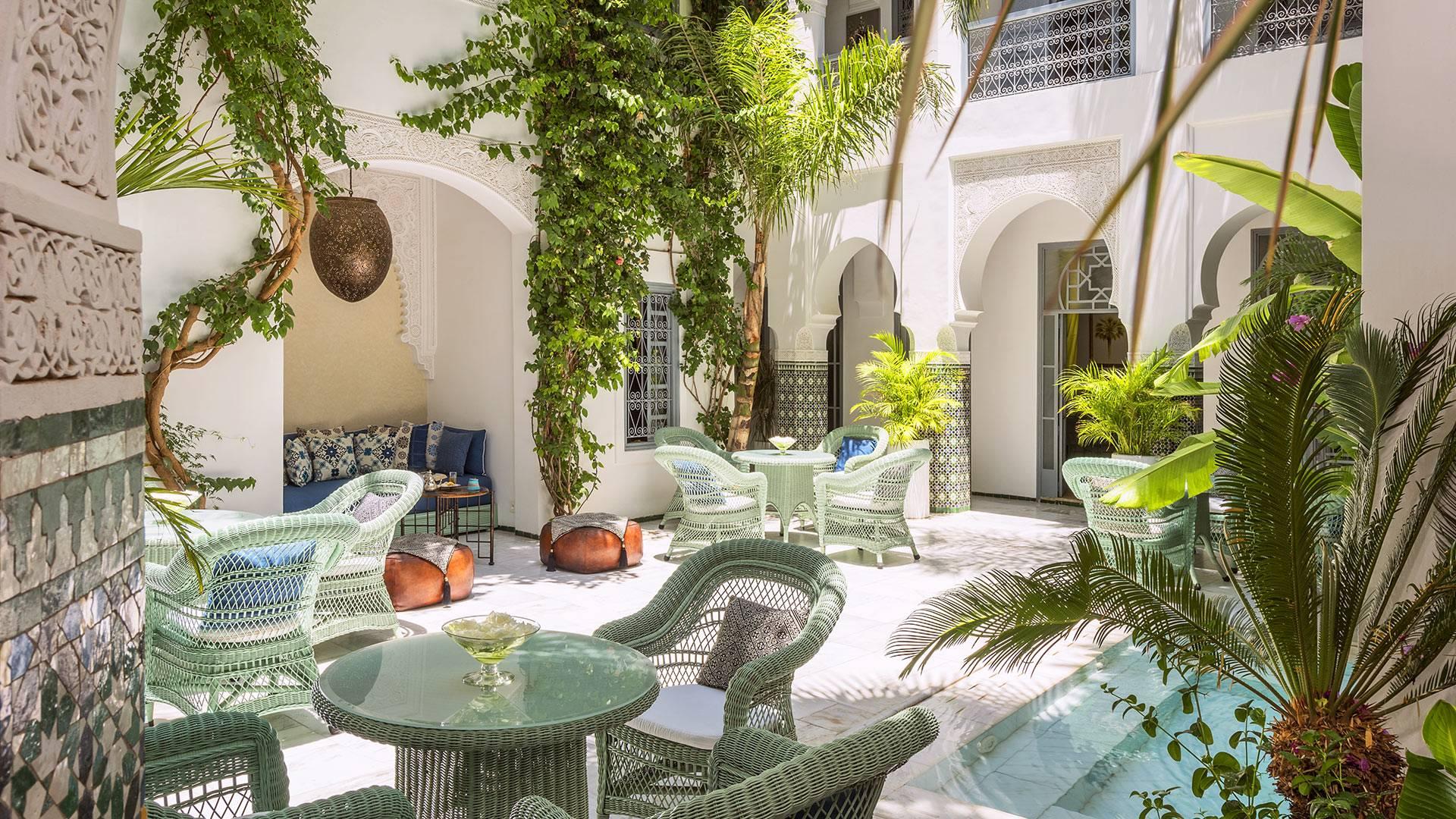
Marrakech remains one of Morocco’s strongest global tourism brands.
The answer is not to promote it less.
The answer is to promote it more intelligently.
Autumn, winter and spring can become even more valuable for the city. Riads, gardens, restaurants, luxury hotels, cultural routes and wellness experiences may perform better when visitors can enjoy the city without extreme heat limiting their movement.
This is where destination strategy becomes more precise.
Instead of selling one Morocco in one season, the country can sell multiple Moroccos across the year: coastal Morocco in summer, cultural Morocco in cooler months, desert Morocco in the right windows and mountain Morocco when travellers want air and altitude.
Airlines And Hotels Must Read The Signal
The travel industry will need to adjust faster than many expect.
Airlines may see demand shift toward different routes and months. Hotels may need to rethink pricing, staffing and programming. Tour operators may have to redesign itineraries around morning and evening activity windows. Cities may need more shade, cooling zones and transport resilience.
These are not abstract sustainability topics.
They are commercial questions.
If a destination becomes too uncomfortable in peak summer, the market will not wait for official strategies. Travellers will change behaviour first, and the industry will have to follow.
The New Tourism Advantage Is Climate Intelligence
The next competitive advantage in travel may be climate intelligence.
Destinations that understand heat, seasonality and visitor comfort can protect demand. Those that continue selling old summer fantasies may face pressure from more flexible markets.
Climate intelligence means more than saying a destination is sustainable.
It means knowing when visitors should come, how they should move, where they can find comfort, and how hotels, restaurants and cities can keep the experience attractive during extreme weather.
That is where serious tourism strategy now begins.
The Bottom Line
The Coolcation Boom is reshaping Europe’s summer travel map.
Record heat in Western Europe, reduced mobility during heatwaves and rising demand for cooler destinations show that tourists are no longer choosing only based on beauty, price or fame. They are choosing based on comfort, timing and climate risk.
For Morocco, the message is clear.
The country should not fear this shift, but it must manage it intelligently. Its Atlantic coast, northern cities, mountains and shoulder-season experiences can become stronger assets before 2030, while hotter inland destinations need smarter timing and better climate-ready hospitality.
The old summer map was built around sun.
The new one is being built around comfort.