
The Morocco 2030 Audit begins with one uncomfortable truth: the Atlas Lions are now strong enough to be judged by elite standards, but not yet deep enough to survive every elite test.
France’s 2-0 quarter-final victory did not erase Morocco’s progress. It clarified the next phase of it.
This was not a collapse. It was a diagnosis.
Morocco competed, resisted and carried the emotional weight of a nation that now expects to go deep at the World Cup. But when the decisive window arrived, France showed what separates a serious team from a tournament machine: depth, speed, ruthless finishing and late-game control.
Morocco 2030 Audit: The Defeat Was A Management Report
The Morocco 2030 Audit is not about blaming one player, one coach or one moment.
It is about understanding what the France defeat revealed before the bigger national target of 2030, when Morocco will co-host the World Cup with Spain and Portugal.
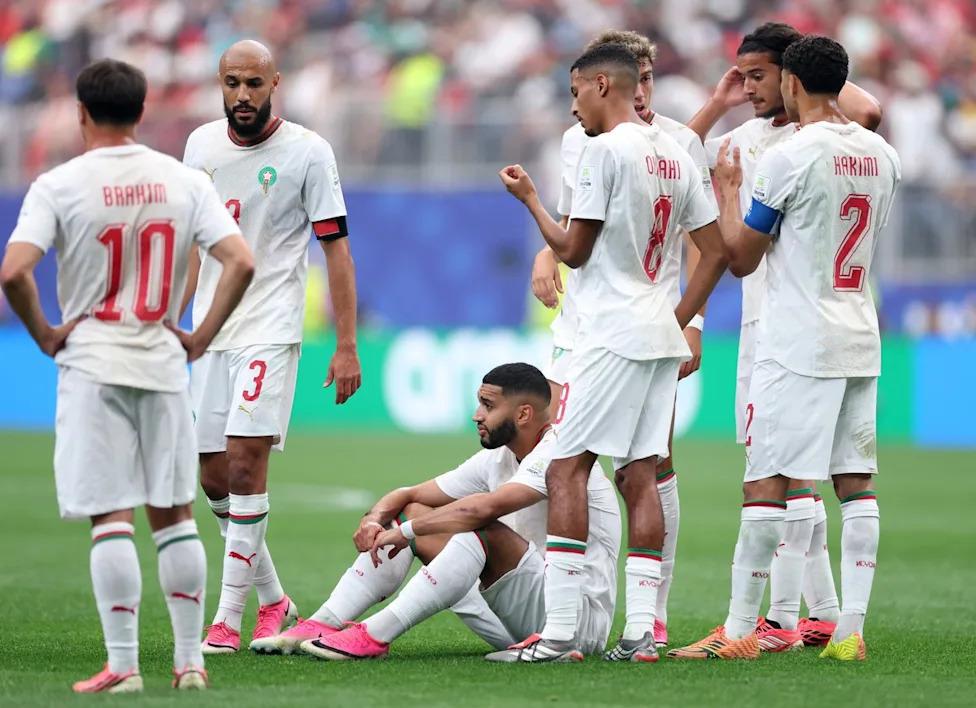
For almost an hour, Morocco stayed in the match. The structure was disciplined, the emotional control was visible, and the team avoided the kind of early panic that can destroy knockout football.
Then France accelerated.
Kylian Mbappé and Ousmane Dembélé changed the match in the second half, and Morocco suddenly had to chase a game that had been tactically alive moments earlier.
That is the lesson. At the highest level, six minutes can become a full verdict.
The Starting Eleven Can Compete
Morocco’s first strength remains clear: the starting eleven can live with elite opposition.
The Atlas Lions are no longer a romantic underdog hoping to survive. They are organised, tactically mature and emotionally built for high-pressure nights. The first half against France proved that Morocco can delay danger, manage space and keep a major opponent uncomfortable.
That matters.
Many teams talk about competing with football’s biggest nations. Morocco has now done it repeatedly across two World Cup cycles.
But competing is not the same as controlling. Morocco can enter the elite room. The next challenge is staying there when the match changes speed.
The Bench Is The Real Gap
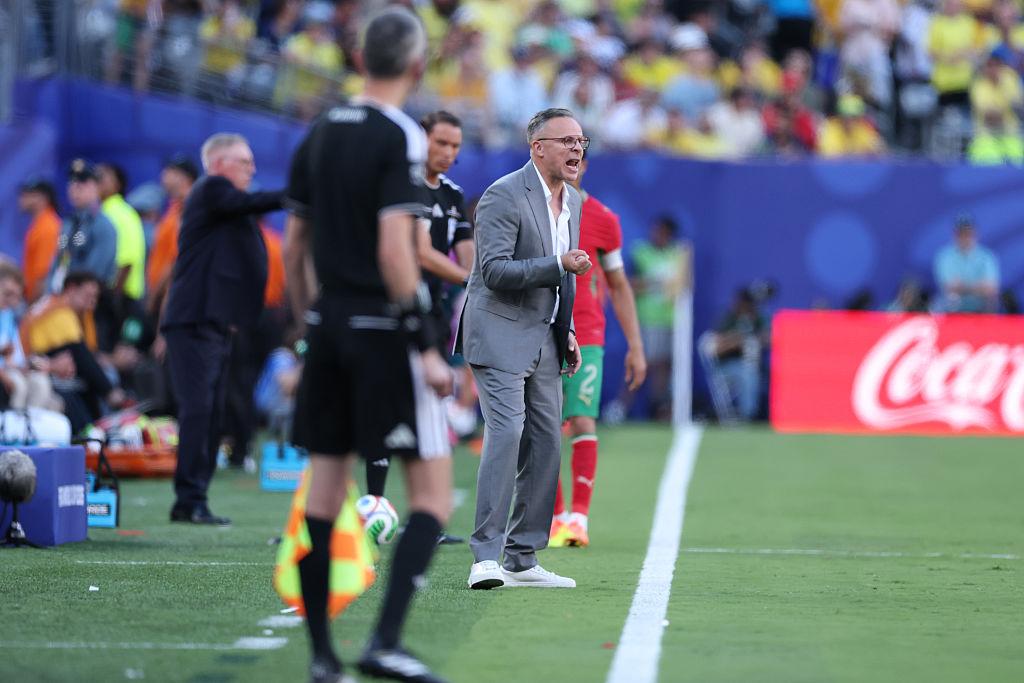
The France defeat exposed the biggest issue in Morocco’s current project: squad depth.
This is where the analysis must be direct.
Morocco did not lose only because France had better stars. Morocco lost because France had more ways to change the rhythm of the match. When the game became faster, more physical and more stretched, France had the tools to increase pressure without losing quality.
Morocco had fewer options.
That is the difference between a strong national team and a squad built to win the final stages of a World Cup. The best teams do not only rely on their starting eleven. They carry impact from the bench, tactical alternatives and players who can change the final 30 minutes.
Morocco’s next step is not only producing talent. It is producing layers of talent.
Saibari’s Absence Revealed A Structural Problem
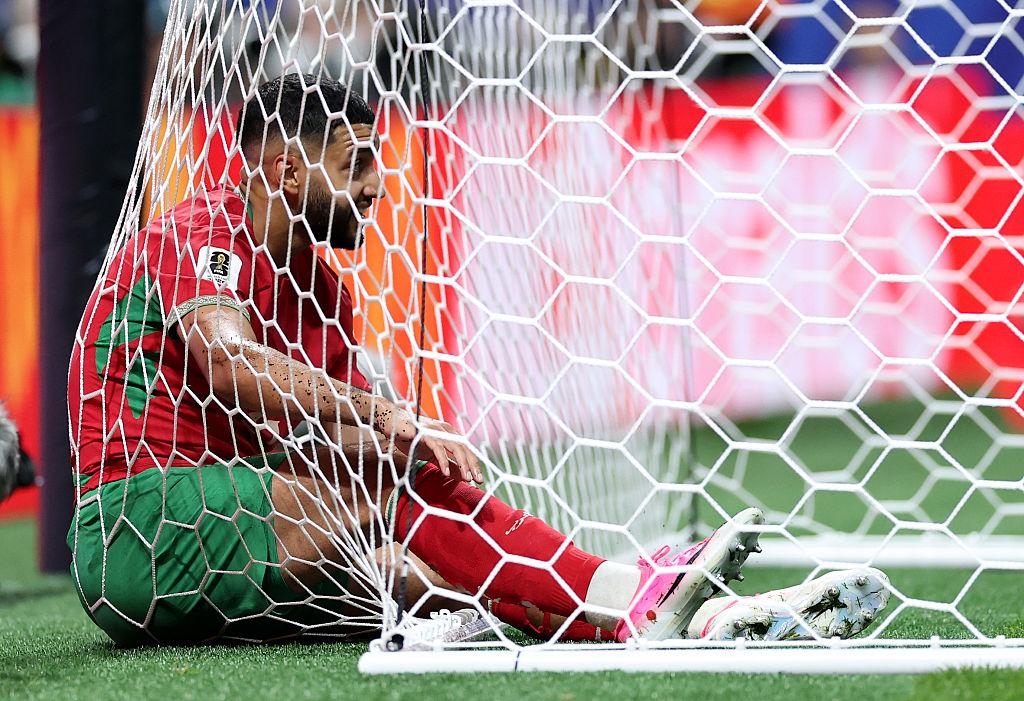
The absence of Ismael Saibari should not be treated as a footnote.
It was not an excuse for the defeat. It was evidence of a deeper structural problem.
Saibari gives Morocco pressing energy, vertical movement and a link between midfield and attack. Against France, those details matter because they help a team escape pressure and force the opponent to defend in uncomfortable directions.
Without him, Morocco lost part of its attacking balance.
A World Cup semi-final contender cannot become too dependent on one missing profile. If one absence reduces the team’s ability to stretch an opponent, the issue is not only medical. It is structural.
The Morocco 2030 Audit must therefore ask a serious question: how does the national team build enough attacking variety that one injury does not shrink the entire system?
France Punished The Exact Moment Morocco Needed Control
Elite football does not always punish weakness for 90 minutes.
Sometimes it punishes one loose period.
That is what France did.
Morocco did not fall apart. The team lost control during the exact phase when France increased the tempo and forced harder decisions. Once the first goal arrived, Morocco had to open slightly. Once Morocco opened, France had more space to attack.
This is the brutal logic of knockout football.
Against ordinary teams, Morocco may recover from that moment. Against France, the match can be gone before the team has time to reset.
That is why late-game management must become a priority before 2030. Morocco needs more tools to slow matches down, refresh pressure and protect emotional balance when the opponent strikes first.
The 2030 Standard Is Now Higher
The most important change is psychological.
Morocco is no longer judged as a pleasant surprise.
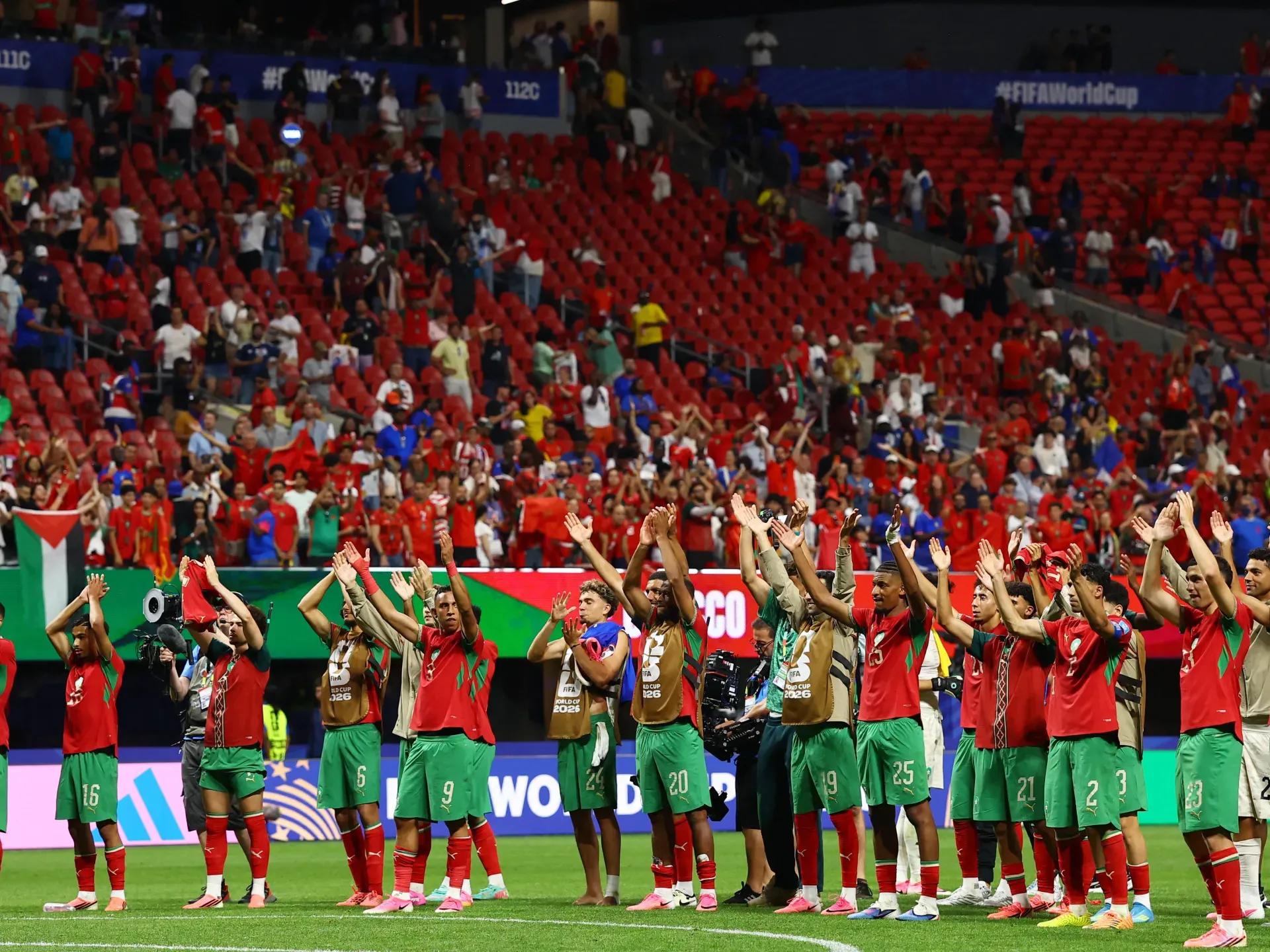
After the historic 2022 semi-final run and another deep campaign in 2026, the national team has created a new standard. Supporters now expect Morocco to challenge serious opponents, not simply celebrate participation.
That is progress, but it also brings pressure.
A quarter-final exit can still be impressive, yet it now feels incomplete because Morocco has taught its own public to dream bigger.
This is exactly what elite sporting nations experience. Success raises expectations. Expectations demand harder analysis. Harder analysis forces better planning.
For Morocco, that is not a problem. It is the next stage of maturity.
Morocco’s Soft Power Still Grows
The defeat to France hurt, but it did not damage Morocco’s global football image.
If anything, it confirmed that Morocco is now part of the serious World Cup conversation. The Atlas Lions have built a recognisable identity: disciplined, emotional, tactically organised and backed by one of the most visible diasporas in international football.
That matters beyond sport.
Football is now one of Morocco’s strongest soft-power channels. It moves the country into conversations across Europe, Africa, the Arab world and North America. It gives Morocco visibility that tourism campaigns cannot easily buy.
But soft power must now be supported by sporting infrastructure.
The world already respects Morocco’s story. The next step is making the team deep enough to turn that respect into more wins.
The Federation’s Real Homework
The homework before 2030 is clear.
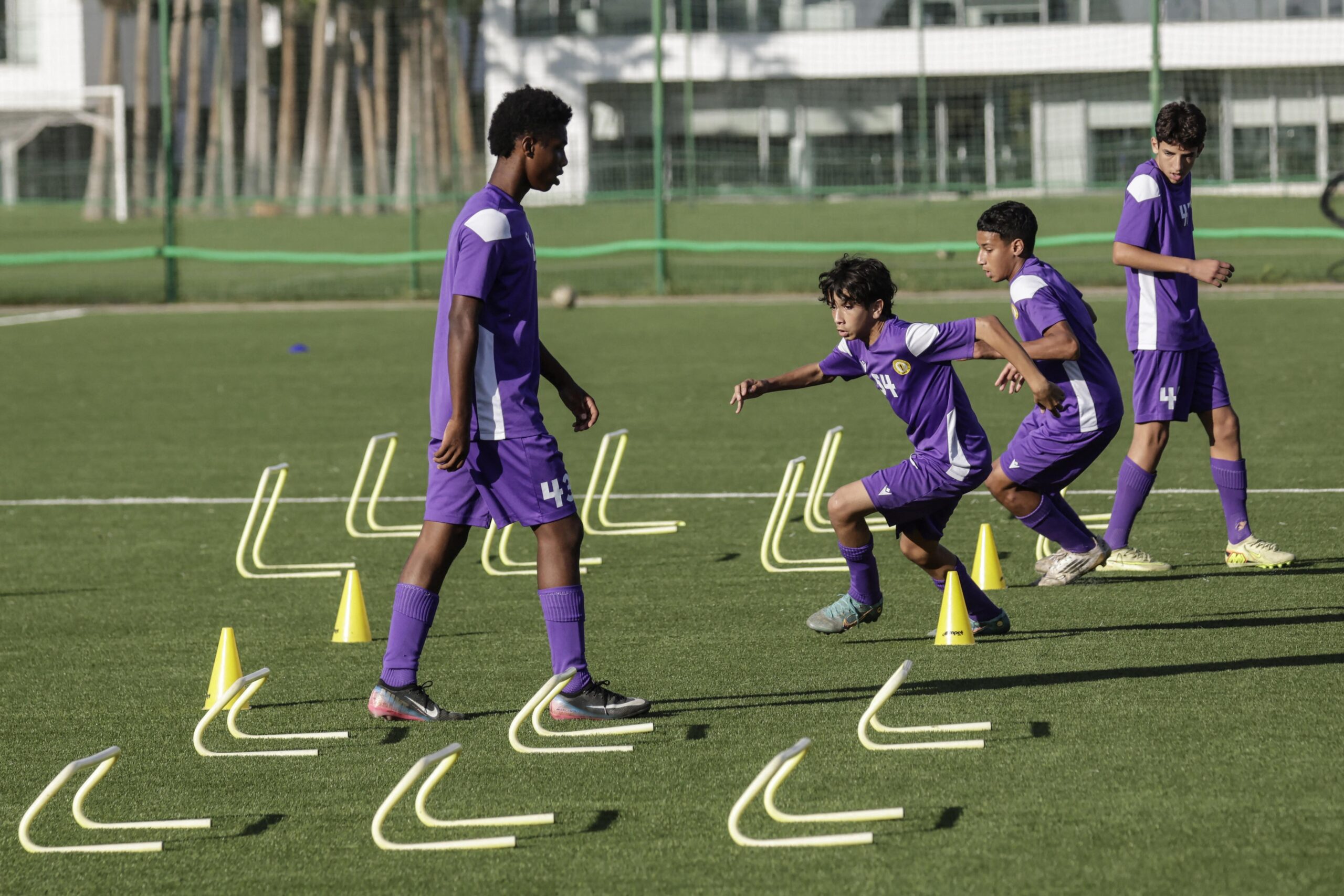
Morocco must continue improving youth development, elite conditioning, tactical education and squad competition. The country needs more players capable of entering a major knockout match and changing its direction.
That means the federation cannot measure success only by qualification, emotion or global praise.
It must measure depth.
How many players can replace a starter without changing the system too much?
How many attackers can offer different profiles?
How many midfielders can control pressure in the final 30 minutes?
How many defenders can survive elite speed when the match opens?
These are the questions that matter now.
The Defeat Should Be Used, Not Softened
There is a temptation after a painful exit to protect the national mood.
That is understandable.
But Morocco does not need soft analysis anymore. It needs serious analysis because the team has earned serious expectations.
The France defeat should not be turned into tragedy. It should be used as a performance report.
The report says Morocco has identity, belief and international credibility. It also says the bench must become stronger, the attacking options must become deeper, and late-game control must improve against the world’s fastest teams.
That is not negative.
That is the price of wanting more.
The Bottom Line
The Morocco 2030 Audit is clear: the Atlas Lions are close enough to the elite to be respected, but not yet deep enough to be protected from elite punishment.
France’s 2-0 win exposed five brutal lessons: the starting eleven can compete, the bench remains the real gap, Saibari’s absence revealed a structural problem, six minutes can decide everything, and the standard before 2030 is now much higher.
Morocco leaves the tournament with status, pride and a stronger global image.
But the next target is no longer admiration.
The next target is depth.