
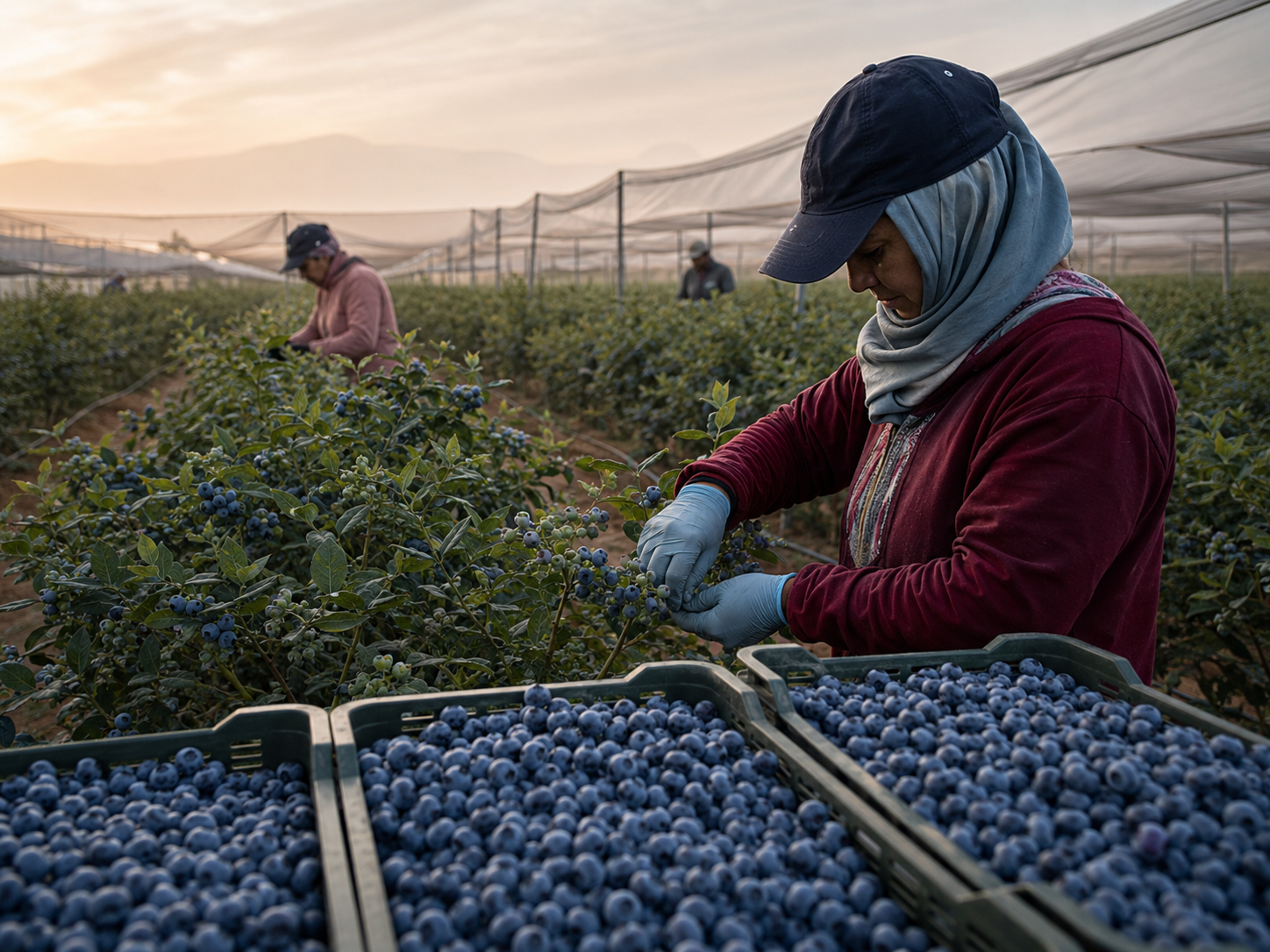
Morocco’s berry industry has transformed from a largely strawberry-based business into one of Africa’s fastest-growing fresh-food success stories — and blueberries are now leading the charge.
Morocco is exporting blueberries at a scale few consumers realise.
Over the past two decades, the country’s berry industry has expanded rapidly from strawberries into raspberries and blueberries, with production spreading across regions including Loukkos, Kenitra and Agadir.
Today, Moroccan fresh blueberry exports are approaching 100,000 tonnes a year.
That makes Morocco the leading African exporter of blueberries, according to FreshPlaza.
And the country has another advantage that is difficult to replicate.
Its berries can reach major European distribution centres in less than two days.
FROM STRAWBERRIES TO BLUEBERRIES
Morocco’s berry story did not begin with blueberries.
For years, strawberries dominated the sector.
But growers gradually diversified.
Raspberries gained ground.
Then blueberries.
The shift was helped by new farming techniques, improved irrigation, protected agriculture and better plant genetics.
That combination allowed producers to increase yields while expanding into regions with different climates and growing conditions.
The result is a berry industry that now looks very different from the one Morocco had 20 years ago.
EUROPE IS LESS THAN 48 HOURS AWAY
Geography gives Morocco a powerful advantage.
Fresh berries are highly perishable.
Every hour matters.
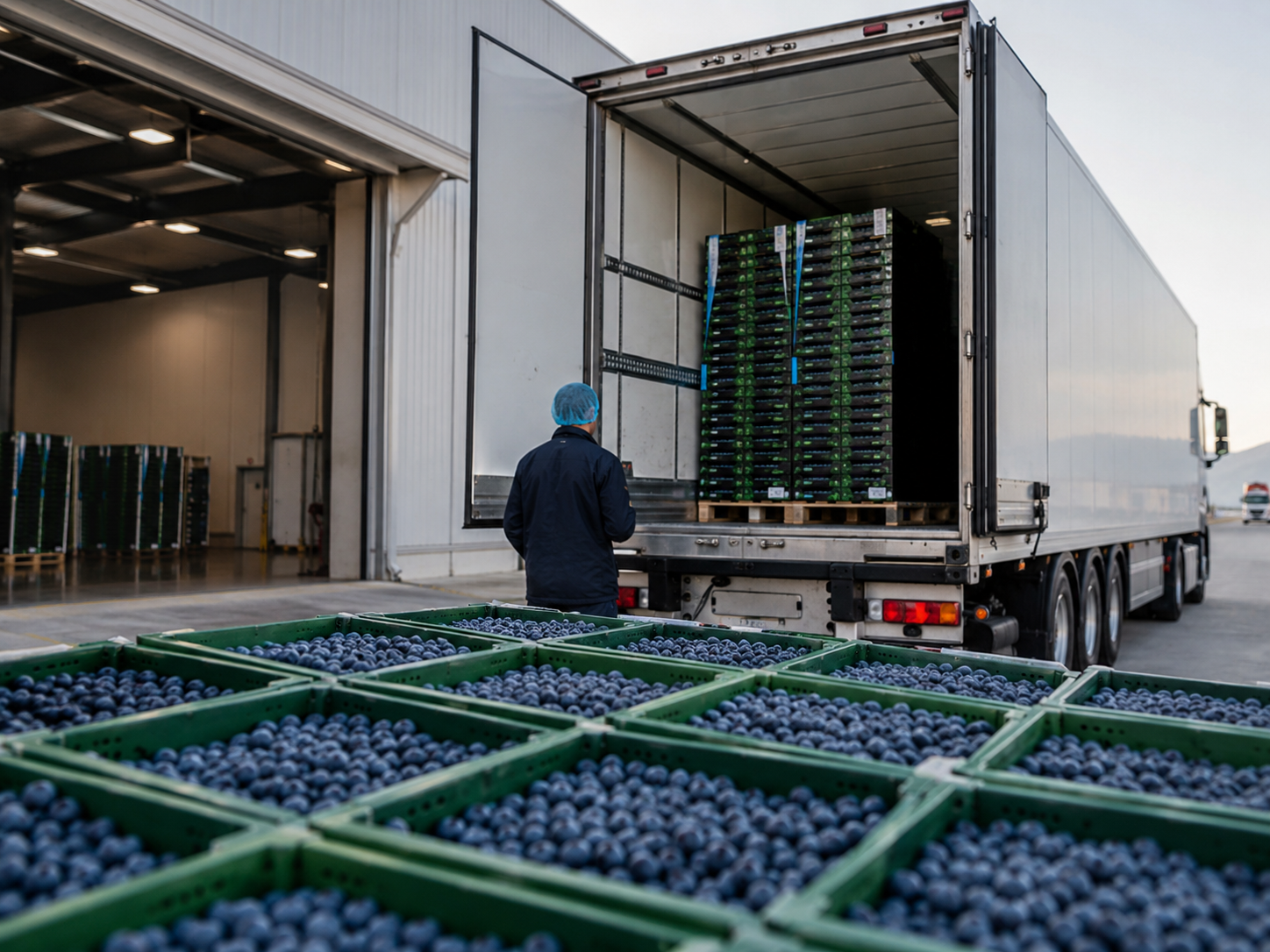
Moroccan producers can move fruit to distribution centres in Spain, France, Germany and the United Kingdom in under 48 hours.
That makes the country unusually competitive against suppliers that have to ship fruit much longer distances.
For European supermarkets, freshness matters.
So does reliability.
And Morocco sits close enough to Europe to supply both.
MOROCCO’S SEASON FILLS A GAP
Timing matters too.
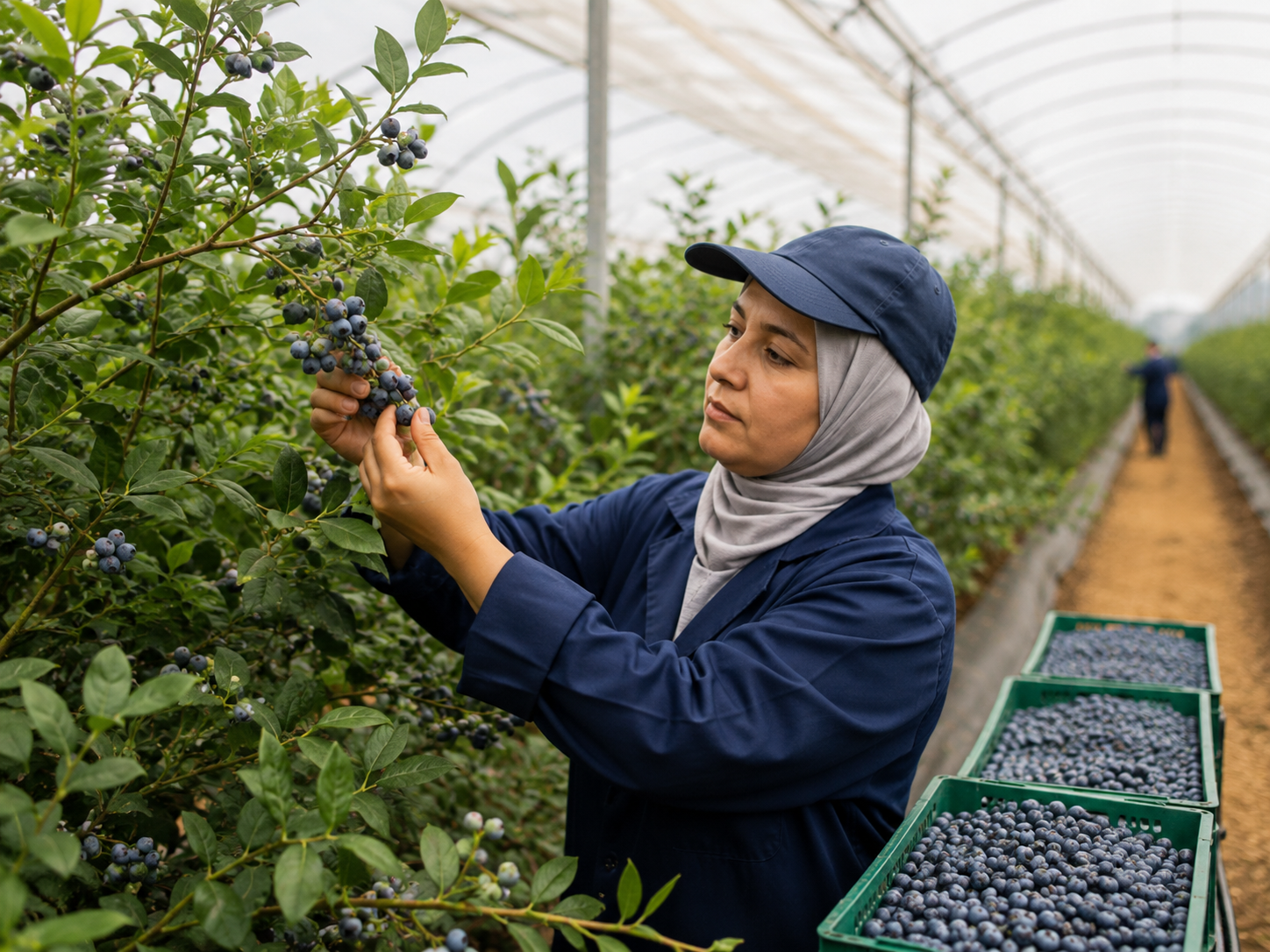
Morocco’s main production window runs between January and May.
That period overlaps with a seasonal slowdown in supply from parts of the southern hemisphere.
That gives Moroccan growers an opportunity.
When European demand remains strong but alternative supplies become tighter, Morocco can step in.
It is one of the reasons the country has become such a significant player in the European berry market.
NORWAY IS ALREADY BUYING BIG
The growth is visible beyond the biggest European markets.
During the 2025/2026 season, Morocco supplied more than half of Norway’s fresh raspberry and blackberry imports.
Shipments reached 707 tonnes, up 22% from the previous season.
That is a striking figure for a country many consumers still associate more with citrus, tomatoes and olives than berries.
It also shows that Morocco is not simply expanding production.
It is gaining market share.
INTERNATIONAL MONEY IS FOLLOWING THE FRUIT
Foreign investors have noticed.
Elite Agro Holding, through its subsidiary Elite Harvest Maroc, recently opened its seventh farm in Morocco.
The new operation in Kenitra covers around 200 hectares and is dedicated to blueberries and raspberries.
The group says its direct investments in Morocco now exceed 500 million Emirati dirhams.
According to the company, those investments have helped create more than 8,000 jobs.
That turns the berry story into more than agriculture.
It becomes investment.
Employment.
Logistics.
Exports.
And food supply.
TANGIER IS BECOMING PART OF THE STORY
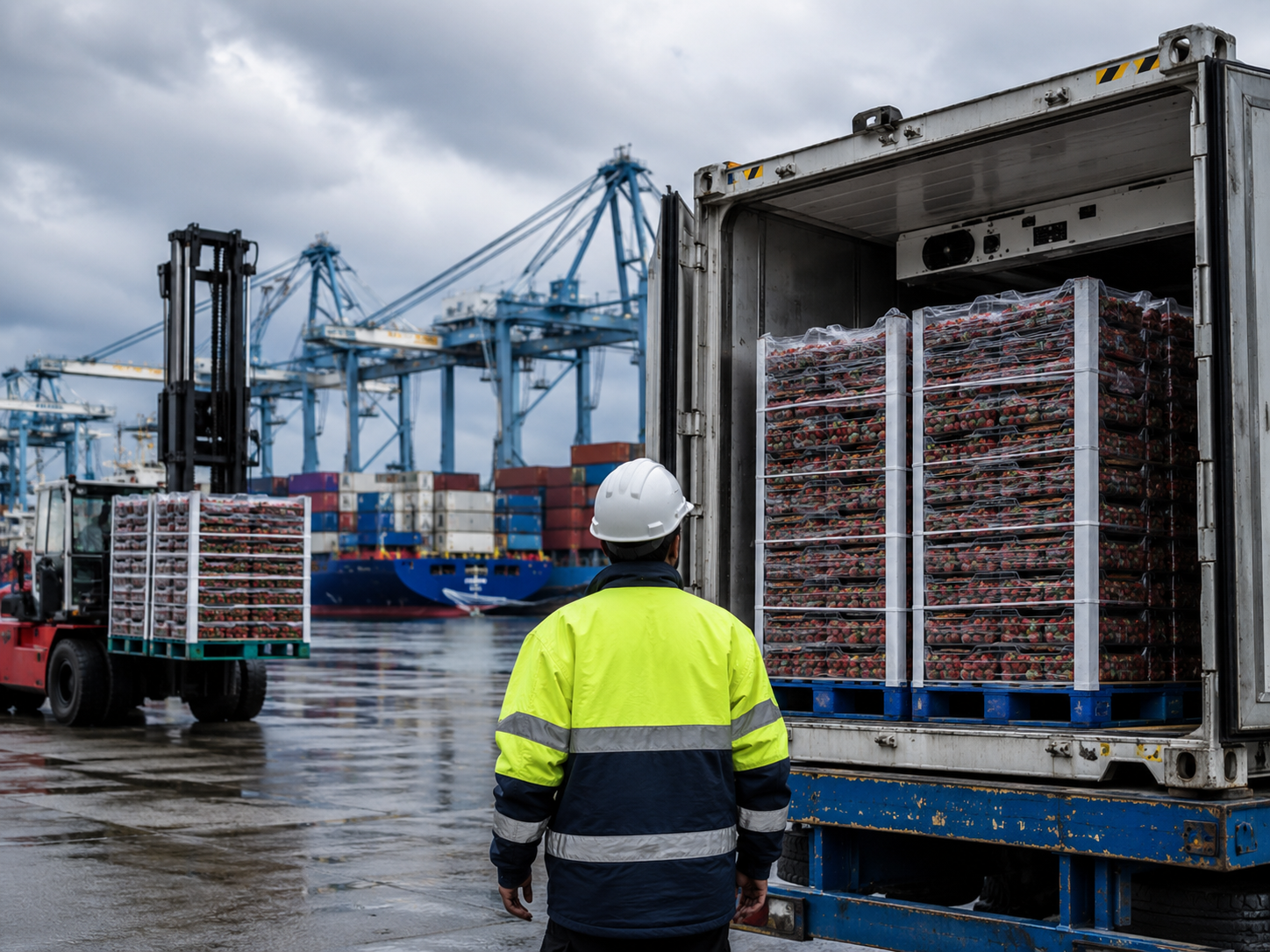
The next phase of Morocco’s berry industry will be discussed in Tangier in September.
The city will host the XLIII International Seminar on Red Fruits Morocco 2026, bringing together producers, exporters, researchers and suppliers.
Tangier is not a random choice.
Northern Morocco is close to some of the country’s major growing regions.
And Tangier Med gives exporters access to one of Africa’s biggest logistics hubs.
The port is connected with more than 180 ports worldwide.
For fresh produce, that connectivity is extremely valuable.
The faster fruit moves, the more value growers can preserve.
BUT THE BOOM HAS WEAK POINTS
Fast growth does not eliminate risk.
The latest season exposed how vulnerable the sector can be to extreme weather and logistics problems.
Flooding in northern Morocco damaged greenhouses, plants and crops in areas including Kenitra, Sidi Slimane and Larache.
Worker availability was also affected.
Some exporters were forced to destroy fruit after shipments remained stuck around Tangier long enough to miss European delivery windows.
That is the difficult reality of fresh produce.
A car factory can store components.
A berry exporter cannot wait indefinitely.
CLIMATE IS BECOMING PART OF THE BUSINESS MODEL
Morocco’s berry producers therefore face a double challenge.
They need to grow.
But they also need to become more resilient.
Water efficiency matters.
Heat tolerance matters.
Flood protection matters.
Logistics matter.
And new varieties may have to cope with increasingly unpredictable weather.
That is why the Tangier seminar will focus not only on growth but also on sustainability, climate change, production technology, logistics and profitability.
The next phase may be harder than the first.
THE REAL STORY IS SCALE
A seminar about berries does not sound like a major international story.
The numbers do.
Nearly 100,000 tonnes of blueberries exported every year.
European markets reached in under 48 hours.
Hundreds of millions of dirhams in international investment.
Thousands of jobs.
And the position of Africa’s leading blueberry exporter.
That is no longer a niche agricultural story.
It is a food-export industry.
And Morocco has quietly become one of the continent’s biggest players.