
Morocco has no shortage of gamers.
The more important question is whether it can build enough gaming companies.
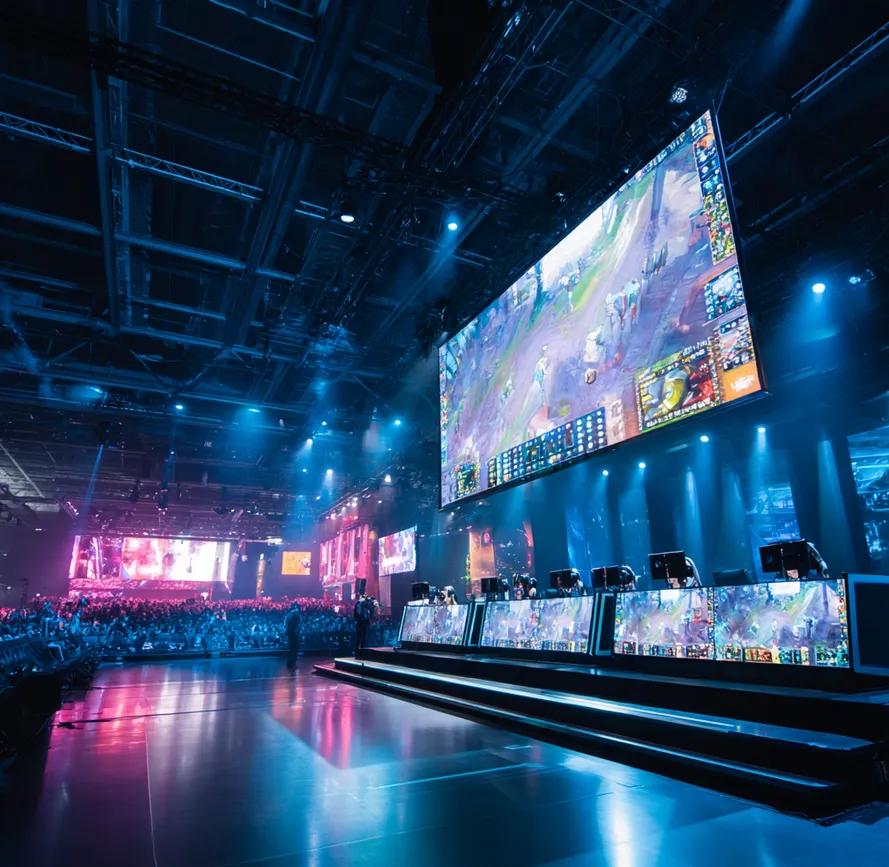
The third Morocco Gaming Expo, held in Rabat from 20 to 24 May 2026, was explicitly organised around the theme “Moroccan Talent”, bringing together developers, studios, startups, investors, training organisations and international gaming companies. The official ambition is increasingly clear: position Morocco as a regional hub for the gaming industry.
That changes the conversation.
Gaming should no longer be treated only as entertainment consumed by young Moroccans.
It can become an export industry.
A Moroccan studio can create a game once and sell it in Casablanca, Paris, Riyadh, Jakarta or Los Angeles.
There is no container.
No port.
No physical inventory crossing a border.
The intellectual property travels digitally.
That is precisely what makes the sector strategically interesting.
Morocco’s challenge is now to turn talent into companies capable of owning, financing and exporting that intellectual property.
Garena Sees Something In Morocco
One of the strongest signals came from Garena, publisher of Free Fire and one of the major gaming companies operating across emerging markets.
At Morocco Gaming Expo 2026, Garena’s regional leadership highlighted the vitality of Morocco’s gaming ecosystem and the potential of Moroccan talent as the company develops its presence across the Middle East and Africa.
That matters.
International companies do not look at Morocco only as a population of potential players.
They increasingly see developers, creators, esports communities and commercial potential.
But attracting global publishers is only one part of the opportunity.
The more ambitious objective is creating Moroccan companies capable of becoming publishers themselves.
Hosting the industry is valuable.
Owning part of the industry is more valuable.
Gaming Is An Intellectual-Property Business
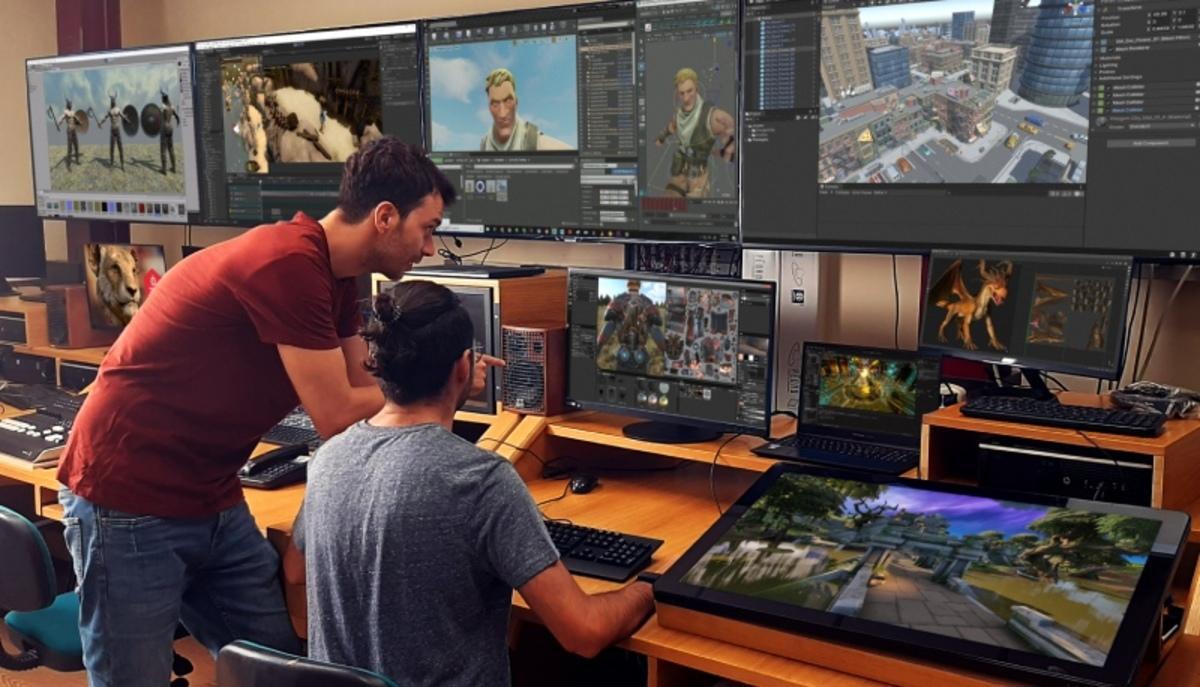
A traditional factory creates value every time it manufactures another physical product.
A successful video game works differently.
Development costs may be concentrated before launch.
Once the product exists, millions of additional players can potentially access it at relatively low marginal cost.
That creates extraordinary scalability.
One Moroccan development team could theoretically create a title that generates revenue globally for years.
Downloads.
Subscriptions.
Advertising.
In-game purchases.
Licensing.
Esports.
Merchandising.
Sequels.
The economic prize is not simply coding jobs.
It is ownership of the game itself.
Morocco therefore needs developers to think beyond providing services to foreign companies.
Some should build intellectual property that remains Moroccan-owned.
Startups Need To Survive Long Enough To Finish Games
Game development has an uncomfortable financial structure.
Teams can work for months or years before generating meaningful revenue.
Programmers need salaries.
Artists need salaries.
Music and sound cost money.
Testing costs money.
Marketing requires capital.
Then the game launches.
And it may fail.
This makes gaming difficult for conventional startup financing.
A software company selling services can generate customer revenue relatively quickly.
A game studio may consume capital while producing an unfinished asset.
Morocco therefore needs investors who understand creative risk.
Not every game will work.
The economic model depends on a portfolio where a small number of successes can compensate for projects that underperform.
Without patient capital, talented developers may remain freelancers instead of building studios.
100,000 Dirhams Shows The Ecosystem Is Starting To Connect
One example of corporate participation arrived this year through inwi’s Startup Gamification Challenge, organised with the Ministry of Youth, Culture and Communication and Morocco Gaming Industry.
The winning startup was offered 100,000 dirhams together with support to develop a proof of concept for inwi’s digital ecosystem.
The amount itself is modest relative to the cost of developing a major game.
The model is more important.
A large Moroccan company identifies a business problem.
Gaming startups compete to solve it.
A startup receives money, validation and a first corporate relationship.
This can help create a bridge between young creative companies and established Moroccan corporations.
Gaming technology does not need to remain inside games.
Gamification can be used in banking.
Telecoms.
Education.
Retail.
Tourism.
Training.
Customer loyalty.
That creates another revenue market for Moroccan studios while they develop their own intellectual property.
Studios Need Revenue Between Big Releases
One reason gaming companies fail is dependence on a single project.
A studio spends two years creating one game.
If the game disappoints, the company can disappear.
A stronger Moroccan model could combine several activities.
Original games.
Work-for-hire development.
Gamification.
Animation.
3D design.
Advertising projects.
Serious games for corporations.
Training simulations.
These services can generate revenue while original intellectual property remains under development.
The long-term value may come from owning successful games.
Service revenue can keep the company alive long enough to create them.
That balance could be particularly appropriate for Morocco’s emerging studios.
Morocco Already Has Creative Inputs
A successful game requires much more than programming.
Storytelling.
Music.
Visual design.
Animation.
Architecture.
Fashion.
History.
Language.
Character development.
World building.
Morocco already possesses extraordinary cultural material.
Medinas.
Desert landscapes.
Amazigh heritage.
Atlantic cities.
Andalusian influences.
African connections.
Mythology.
Music.
Traditional architecture.
Contemporary urban culture.
None of this means Moroccan studios should only make games explicitly about Morocco.
But cultural originality can distinguish products in a global market full of similar-looking content.
The strongest entertainment exports often come from countries confident enough to transform local culture into globally accessible products.
Anime And Gaming Show The Power Of Cultural Export
Japan offers the obvious example.
Gaming and anime did not simply generate entertainment revenue.
They exported cultural identity.
Characters became global brands.
Cities became tourism destinations.
Music travelled internationally.
Merchandise created additional industries.
South Korea later achieved something similar through gaming, music and television.
Morocco should not attempt to copy either country.
The lesson is economic.
Creative industries can generate influence and revenue simultaneously.
A successful Moroccan game can make millions of people curious about Moroccan places, music or visual culture without functioning as a tourism advertisement.
Culture becomes economically scalable.
Esports Creates A Second Economy
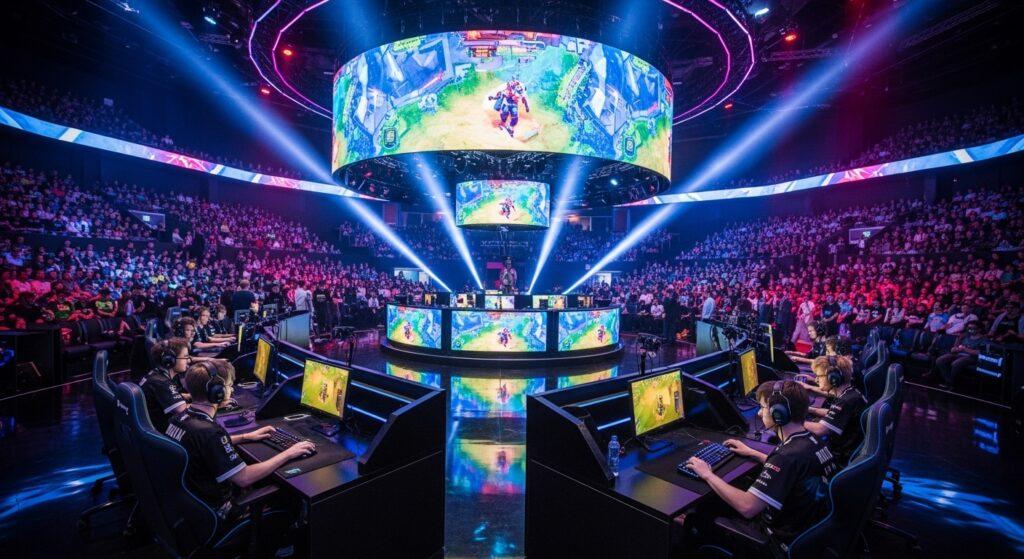
Morocco Gaming Expo 2026 also placed significant emphasis on esports, hosting national tournaments and finals around games including Fortnite, Valorant and EA Sports FC, with competitions broadcast live to larger audiences.
Esports creates an additional business layer.
Teams.
Players.
Coaches.
Broadcasters.
Tournament organisers.
Sponsors.
Content creators.
Venues.
Merchandise.
Advertising.
A strong esports ecosystem can therefore generate jobs even when the games themselves are created abroad.
But Morocco should connect esports with domestic game development.
Imagine a future Moroccan competitive title being played professionally across African markets.
That would combine game ownership, media rights, sponsorship and esports inside one intellectual-property system.
That is where the economics become much larger.
Streamers Are Part Of The Distribution Network
Gaming companies once depended heavily on television advertising and specialist magazines.
Today, creators can determine whether a game becomes visible.
Twitch.
YouTube.
TikTok.
Discord.
Short-form video.
A Moroccan studio launching a title therefore needs relationships with creators from the beginning.
Streamers are not simply entertainers around gaming.
They are distribution infrastructure.
A creator showing a game to hundreds of thousands of followers can generate downloads immediately.
Morocco’s gaming strategy should therefore connect developers and content creators rather than treating them as separate industries.
One produces the game.
The other produces attention.
Both are necessary.
French And Arabic Give Morocco An Advantage
Moroccan studios occupy an interesting linguistic position.
Arabic provides access to a huge gaming audience across North Africa and the Middle East.
French creates another bridge into Europe and Francophone Africa.
English opens the global market.
This matters because localisation is a major issue in gaming.
Many international titles still offer limited Arabic localisation.
Menus.
Dialogue.
Customer support.
Community management.
Moroccan companies can develop expertise around this gap.
Localization itself can become an exportable service.
Translation.
Voice acting.
Cultural adaptation.
Testing.
Community operations.
A studio does not necessarily need to create the next global blockbuster to participate profitably in the gaming value chain.
Africa Could Become Morocco’s Strategic Market
Morocco’s ambition to become a regional gaming hub makes Africa particularly important. The official Morocco Gaming Expo platform explicitly positions the event as a meeting point for developers, startups, investors and international partners seeking to build an outward-looking industry.
African gaming audiences will continue growing as smartphones, internet access and digital payments expand.
This creates an enormous potential market.
But many international gaming companies still design primarily around North American, European or Asian users.
Moroccan developers may understand African consumer realities differently.
Mobile-first behaviour.
Payment constraints.
Language.
Connectivity.
Local football culture.
Regional storytelling.
A studio that solves these realities effectively could build products relevant far beyond Morocco.
Mobile Gaming Lowers The Entry Barrier
Morocco does not need to begin by competing directly with the largest console productions in the world.
AAA games can require enormous teams and budgets.
Mobile gaming provides another route.
Smaller teams can develop products.
Distribution happens through existing app stores.
Markets across Africa and the Middle East are heavily smartphone-oriented.
Free-to-play models can reduce the barrier for customers.
This does not make success easy.
Competition is extreme.
User acquisition can be expensive.
Games still need strong design and retention.
But the capital requirement can be more realistic for emerging Moroccan studios.
Garena’s success with Free Fire across mobile-first markets demonstrates the scale that can exist in this segment.
Training Must Produce Specialists
Morocco’s gaming ecosystem is increasingly supported by specialised education and training initiatives, but industry reporting continues to identify financing, fragmentation and international visibility as major gaps.
Training therefore needs to become highly practical.
Game design.
Unity.
Unreal Engine.
3D modelling.
Animation.
Technical art.
Sound design.
Narrative design.
Monetisation.
Quality assurance.
Production management.
Marketing analytics.
Studios need teams containing several different specialisations.
One talented programmer cannot build an internationally competitive company alone.
The educational system should increasingly train complete production ecosystems.
Investors Need To Understand Games Differently
Gaming startups should not always be valued like ordinary software companies.
Revenue may be volatile.
Hits can create extraordinary returns.
Products can fail quickly.
Communities can become valuable assets.
Intellectual property can generate revenue across multiple formats.
Traditional financial metrics still matter.
But investors also need to evaluate:
Retention.
Daily active users.
Acquisition cost.
Average revenue per user.
Community growth.
Engagement.
Wishlist numbers.
Development pipeline.
Publishing agreements.
These are specialised metrics.
The more Moroccan investors understand them, the easier it becomes for local studios to raise capital without immediately searching abroad.
Publishing Is A Missing Strategic Layer
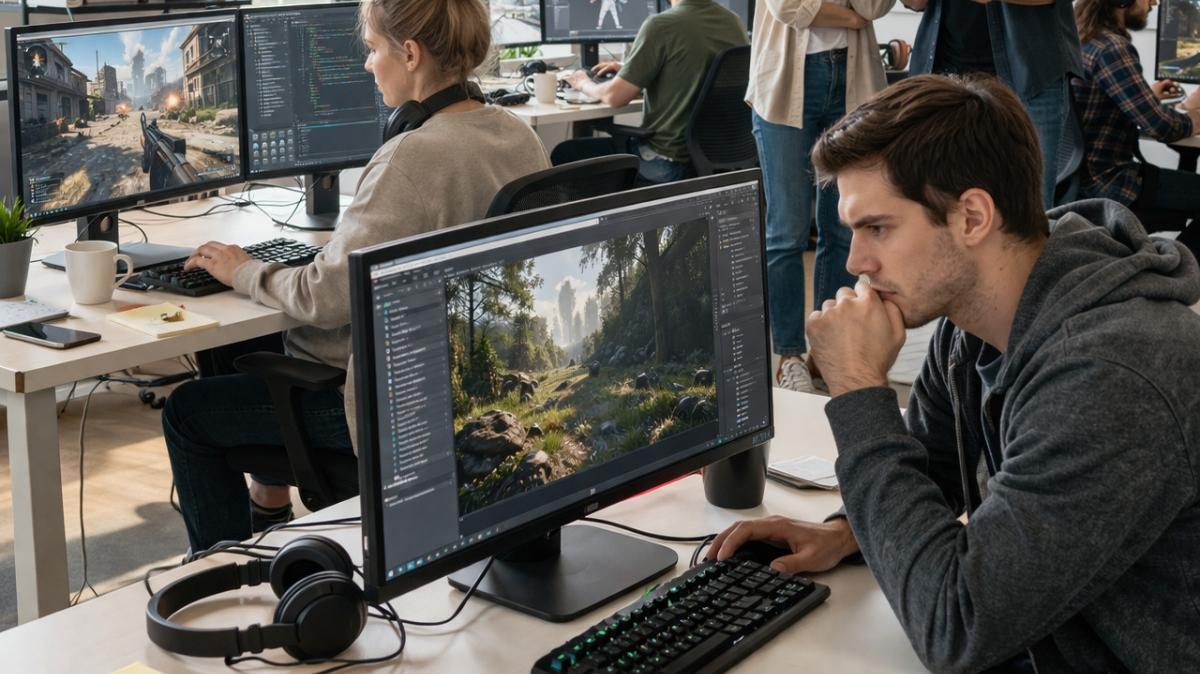
Developers build games.
Publishers help turn games into businesses.
Financing.
Marketing.
Distribution.
Localization.
Platform negotiations.
Customer acquisition.
Community management.
A Moroccan developer may create an excellent product but lack the resources to sell it internationally.
That creates space for specialised publishing companies or investment platforms.
Morocco does not necessarily need dozens immediately.
It needs enough commercial infrastructure so that talented studios do not remain isolated after finishing development.
A game nobody discovers has almost no economic value.
Global distribution capability is therefore as important as programming capability.
Morocco Gaming Expo Must Produce Deals
Events matter because ecosystems need places to meet.
Morocco Gaming Expo has now completed three editions and describes itself as the country’s central platform connecting creators, developers, studios, startups, investors and international industry partners.
The next measure of success should increasingly be commercial.
How many investment deals began there?
How many publishing agreements?
How many international partnerships?
How many studios secured customers?
How many games launched?
How many jobs were created?
Attendance creates visibility.
Transactions create an industry.
The strongest technology and entertainment conferences become valuable because participants know business can happen there.
Morocco should aim for the same.
Gaming Can Become A High-Value Export Without A Factory
Morocco has spent years building physical export industries.
Cars.
Aerospace components.
Food products.
Textiles.
Phosphates.
Gaming offers a fundamentally different model.
The principal inputs are talent, computers, creativity and intellectual property.
A successful studio does not require a massive industrial zone.
It requires skilled people and access to capital.
That means Casablanca, Rabat, Tangier, Marrakech or other cities can potentially create export businesses without building another traditional factory.
For young Moroccan graduates, this matters.
The global digital economy offers careers that did not exist locally a generation ago.
Talent Is No Longer Enough
Morocco Gaming Expo 2026 placed Moroccan Talent at the centre of its identity.
That was the right theme.
But talent alone does not create an industry.
Talent needs companies.
Companies need capital.
Capital needs credible business models.
Studios need publishers.
Games need distribution.
Creators need audiences.
Investors need exits.
The ecosystem must connect.
Morocco already has players, developers, esports communities, international interest and increasing institutional support. The 2026 expo even showcased new projects developed by Moroccan studios directly inside its main competitive arena.
The next stage is more difficult.
Morocco needs companies capable of taking those projects outside the country.
Not simply Moroccan developers working on international games.
But Moroccan studios owning games sold internationally.
Not simply Moroccan esports players competing on foreign platforms.
But Moroccan intellectual property capable of creating its own communities.
Not simply gaming events.
But gaming businesses.
That is when Morocco’s gaming ambition will become economically meaningful.
The country already has the talent.
Now it needs companies big enough to sell that talent to the world — while keeping more of the value in Morocco.