

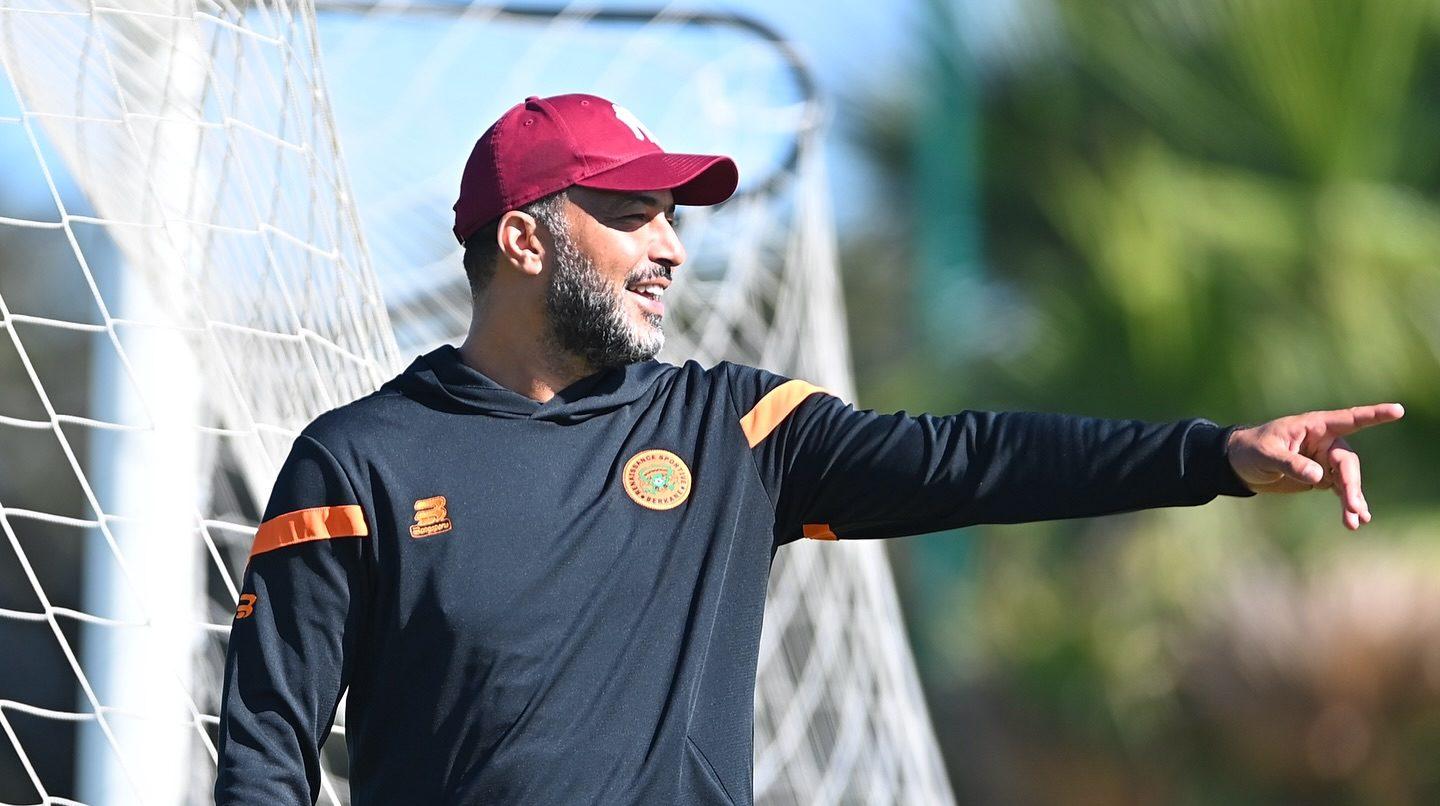
Renaissance Berkane has made one of the most interesting coaching appointments in African club football this summer.
On 4 August 2026, the Moroccan club appointed Bubista, the former Cape Verde national-team coach, on a two-year contract.
The 56-year-old arrives after taking Cape Verde to its first FIFA World Cup, where the team reached the round of 32 after drawing with Spain and Uruguay before losing to Argentina after extra time. He was also named African Coach of the Year in 2025.
For Berkane, this is more than a change on the bench.
The club won Morocco’s league in 2025, finished runners-up in 2026 and reached the CAF Champions League semi-finals last season. It will return to Africa’s leading club competition again next season.
That places the club at an important threshold.
Renaissance Berkane no longer needs to prove that it can occasionally compete with Africa’s biggest teams.
It must now build an organisation capable of doing so consistently.
Bubista’s appointment can become part of that transformation.
A National-Team Coach Brings A Different Perspective
Club football and international football demand different skills.
A club coach works with players every day.
A national-team coach receives limited preparation time and must build competitive structures quickly.
Bubista spent years working within those constraints.
Cape Verde does not possess the player population or financial resources available to Africa’s largest football nations.
Its success therefore required disciplined selection, tactical clarity and an ability to maximise the value of a relatively small talent pool.
Those qualities can be highly relevant to Berkane.
The club will compete domestically and across Africa, dealing with different opponents, climates, travel schedules and styles of football.
Bubista has already spent years studying African players and national teams.
That continental knowledge can become a strategic asset.
Berkane Must Build Beyond The Starting Eleven
Winning a league title or progressing deeply in the Champions League requires more than eleven strong players.
A modern club needs depth.
Domestic competitions, African travel and cup matches can produce an intense schedule.
Injuries accumulate.
Players lose form.
Suspensions occur.
International call-ups remove key individuals.
A team depending too heavily on a small core can decline quickly.
Bubista’s first challenge should therefore be broader squad construction.
The club needs two credible options in important positions.
Young players require controlled opportunities.
Recruitment should anticipate departures rather than react after they happen.
Squad depth is expensive when built through emergency transfers.
It becomes more efficient when the club maintains a continuous recruitment pipeline.
Scouting Africa Can Become A Competitive Advantage

Berkane’s geographic position and continental experience give it an opportunity to recruit more intelligently across Africa.
The continent contains enormous talent, but scouting remains uneven.
Many clubs still rely heavily on agents, recommendations or tournament performances.
A more systematic approach can identify players earlier.
Age.
Contract status.
Playing minutes.
Physical profile.
Technical characteristics.
Injury history.
Tactical suitability.
Development potential.
The club does not need to sign established stars from every market.
It can identify players before their value increases.
Bubista’s knowledge of African football can strengthen this process, particularly when combined with a permanent scouting department rather than informal personal contacts.
The objective should be institutional knowledge that remains even when the coach eventually leaves.
Recruitment Must Fit A Football Identity
A common mistake in football is signing good players who do not fit together.
One coach wants aggressive pressing.
Another prefers deeper defensive organisation.
Recruitment continues independently of both.
The squad eventually contains several different football philosophies.
Berkane needs greater continuity.
What type of football should the first team play?
What characteristics should a Berkane midfielder possess?
How should full-backs contribute?
What physical profile is needed for continental matches?
Once those principles are established, recruitment becomes more precise.
The sporting director, scouts, academy and coach can work from the same framework.
Bubista should influence that identity.
But it should ultimately belong to the club.
A strong institution survives coaching changes without rebuilding its entire squad every two years.
Data Should Support Scouting, Not Replace It
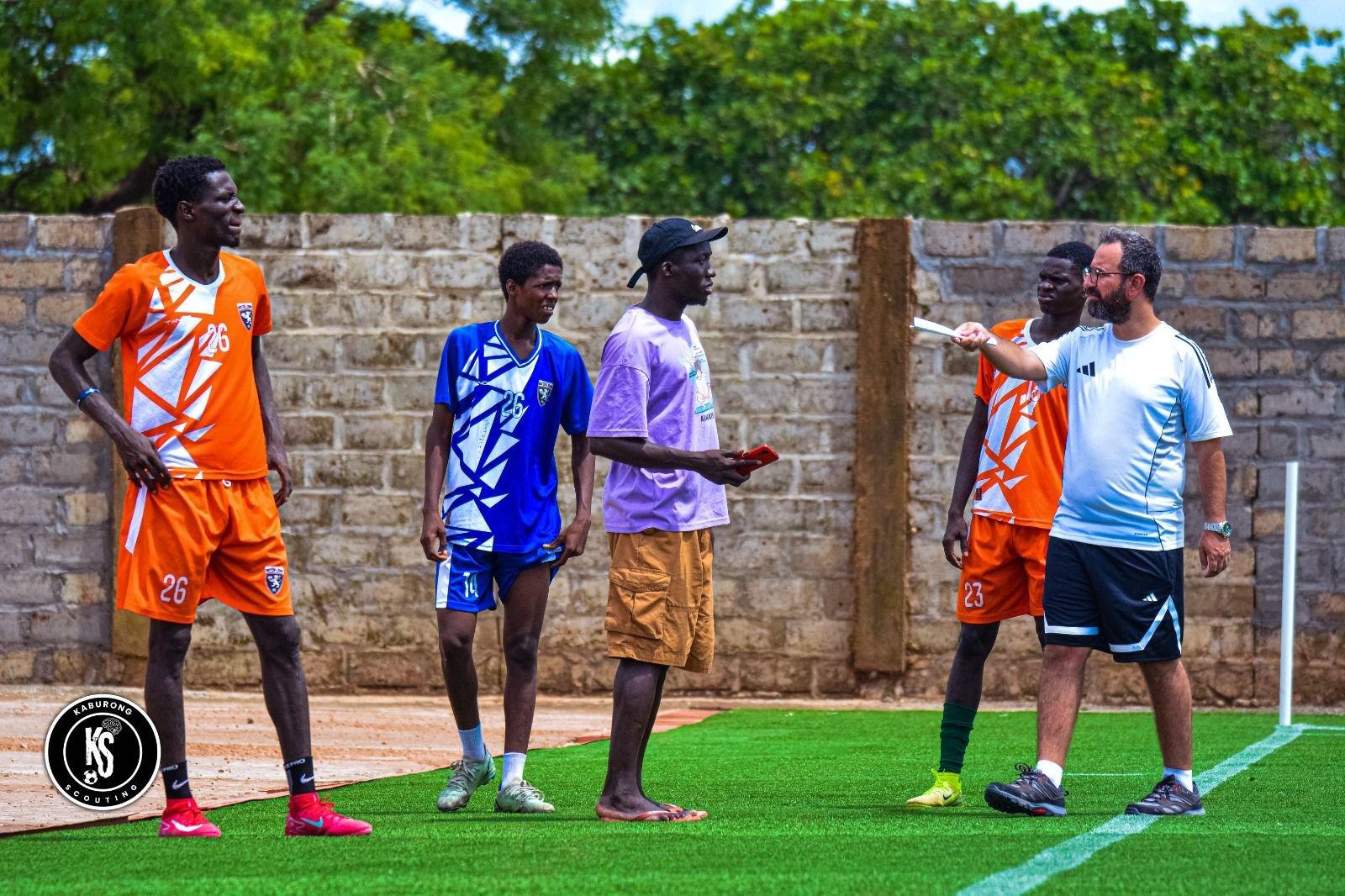
African football increasingly generates more performance data.
Berkane can use it to reduce uncertainty.
Minutes played.
Passing progression.
Defensive actions.
Chance creation.
Sprint output.
Age curves.
These indicators can help scouts compare players across different leagues.
But African football also contains conditions that numbers may not explain completely.
Pitch quality.
Tactical roles.
League strength.
Team style.
Travel.
Environmental conditions.
A player producing modest numbers in a defensive team may possess greater potential than the statistics initially suggest.
The strongest recruitment department combines data with live observation and local knowledge.
Technology should help Berkane ask better questions.
It should not make the final decision alone.
The Academy Must Feed The First Team
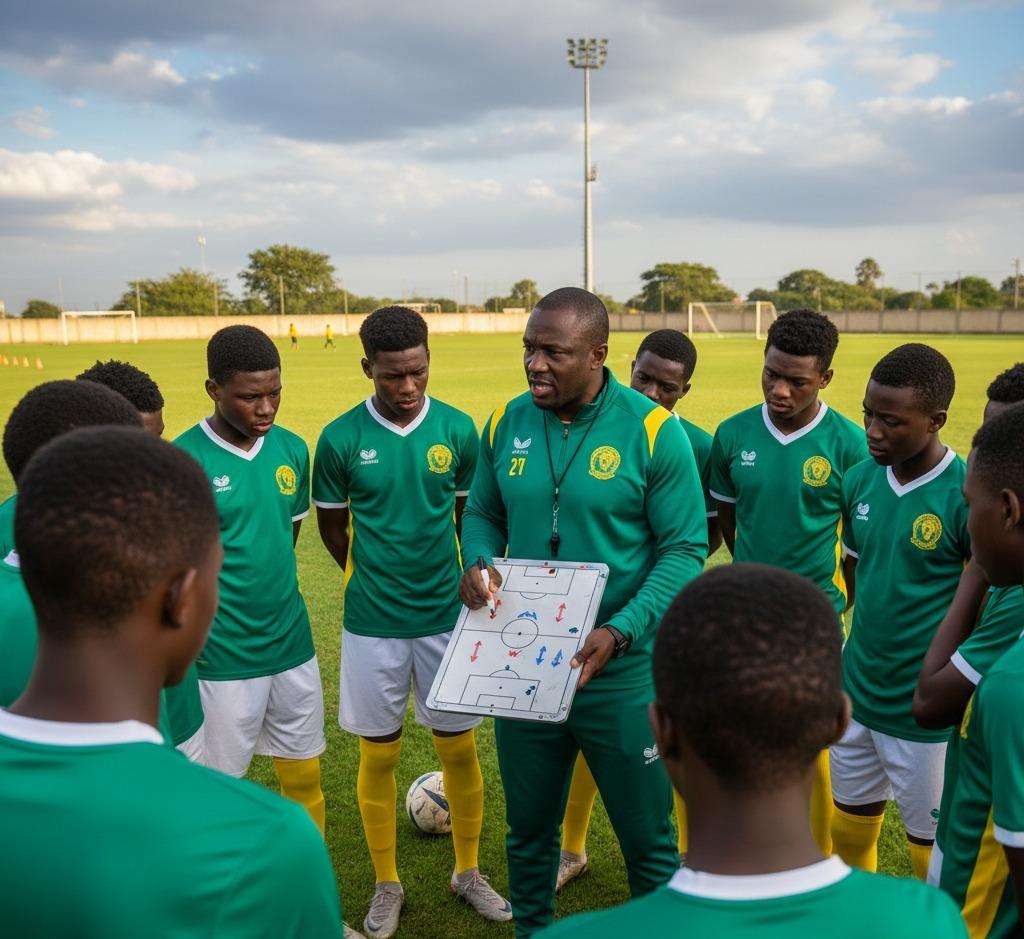
A club competing for titles can find it difficult to give young players time.
Every dropped point matters.
Coaches often prefer experienced footballers because the immediate risk feels lower.
But permanent dependence on external recruitment becomes expensive.
Berkane needs a stronger pathway from its youth structure into senior football.
That requires coordination.
Academy teams should understand the first team’s playing principles.
Promising players should train periodically with senior professionals.
Loan moves should be chosen according to development needs rather than simply removing players from the squad.
Physical development, nutrition and education should also be monitored.
The academy becomes economically valuable when it regularly produces players capable of contributing or generating transfer income.
One successful graduate can finance years of youth development.
Player Trading Can Finance Ambition
African clubs often struggle to compete financially with teams in Europe, the Gulf or larger domestic markets.
Berkane cannot eliminate that gap.
It can use it strategically.
Recruit a player early.
Develop him.
Provide continental exposure.
Sell at a higher value.
Reinvest part of the proceeds.
This model can support sporting ambition without requiring permanent increases in operating spending.
But timing matters.
Selling every important player immediately can weaken results.
Holding players too long can allow contracts to expire or value to decline.
The club needs a clear transfer policy.
Which players are central to the next sporting cycle?
Which can be replaced internally?
Which offers justify accepting short-term sporting disruption?
Football success and player trading should be managed together rather than as competing objectives.
Continental Competition Requires Operational Excellence
The CAF Champions League creates challenges extending beyond tactics.
Travel arrangements.
Visas.
Hotels.
Training facilities.
Recovery.
Nutrition.
Medical support.
Equipment logistics.
A badly organised trip can affect performance before the match begins.
Berkane’s repeated continental participation gives it experience that newer clubs do not possess.
That knowledge should be documented and professionalised.
Which routes create the least fatigue?
What food needs to travel with the team?
How early should players arrive in different climates?
Which recovery protocols work after long flights?
Small operational advantages matter when sporting margins are narrow.
The Champions League is partly a logistics competition.
Sports Science Can Protect The Squad
More matches create greater physical pressure.
Berkane needs accurate monitoring of training loads and recovery.
Players should not all follow identical programmes.
A midfielder completing ninety minutes every few days has different needs from a substitute seeking match fitness.
GPS information, medical screening and recovery data can help coaches reduce unnecessary injury risk.
But sports science must remain practical.
Collecting enormous quantities of data creates little value when nobody changes training decisions because of it.
Bubista and his staff need information that can be understood quickly and converted into action.
The strongest sports-science department makes the coach’s decisions easier.
Home Matches Should Become A Commercial Asset
Continental success attracts attention.
Attention creates commercial opportunity.
A Champions League night can generate ticket sales, hospitality, sponsorship exposure, merchandise and digital content.
Berkane should maximise that value professionally.
Easy ticket purchasing.
Efficient stadium entry.
Official merchandise.
Family areas.
Corporate hospitality.
Content before and after matches.
The supporter relationship should continue between fixtures.
Membership programmes and digital communication can help transform occasional visitors into recurring customers.
Sporting ambition becomes more sustainable when the club earns more from the audience created by winning.
Sponsors Need A Continental Story
A company sponsoring Renaissance Berkane does not receive exposure only in Morocco when the team plays continental football.
CAF competitions create audiences across Africa.
This strengthens the club’s commercial proposition.
Berkane can offer sponsors several levels of activation.
Shirt visibility.
Digital content.
Hospitality.
Community programmes.
Academy partnerships.
Regional campaigns linked to away matches.
The club should understand the commercial objectives of each partner instead of selling logo placement alone.
A sponsor seeking West African visibility may value different assets from a company focused on Morocco.
Better commercial segmentation can increase sponsorship value without overcrowding the club’s identity.
The Coach Must Develop The Institution
The risk with any high-profile appointment is building too much around one individual.
Bubista brings reputation and experience.
The club should use that knowledge institutionally.
Moroccan assistant coaches can work closely with him.
Analysts can learn his preparation methods.
Academy staff can understand what qualities he values.
Recruitment teams can refine player profiles.
This turns the two-year contract into more than two seasons of coaching.
When Bubista eventually leaves, Berkane should retain part of the knowledge he brought.
That is how recruitment of expertise creates long-term value.
Expectations Must Remain Realistic
Berkane’s recent success creates pressure to keep progressing.
But the CAF Champions League contains clubs with greater budgets, deeper historical experience and large supporter bases.
No coaching appointment guarantees a continental title.
Results can also depend on injuries, draws and individual moments.
The club should therefore judge progress through more than trophies.
Domestic consistency.
Champions League competitiveness.
Player development.
Transfer value.
Academy progression.
Commercial revenue.
Squad age profile.
These indicators reveal whether the organisation is becoming stronger even during a season when the final trophy does not arrive.
The Champions-League Reset
Bubista’s arrival is a significant signal.
Renaissance Berkane has recruited a coach who recently led one of Africa’s smaller national teams to the World Cup and received continental recognition for that achievement.
But the appointment will create lasting value only if Berkane uses it to improve the system around the coach.
Better African scouting.
A clearer football identity.
Stronger academy pathways.
More disciplined player trading.
Sports science.
Continental logistics.
Commercial growth.
Knowledge transfer.
Berkane has already moved from regional club to Moroccan champion and serious African competitor.
The next stage is harder.
It must become an institution capable of remaining competitive even as coaches and players change.
Bubista can help win matches.
The larger opportunity is for Renaissance Berkane to use his appointment to build a football structure capable of winning long after his two-year contract ends.