
Wydad Athletic Club’s latest financial report reveals one of the clearest business signals in Moroccan football.
During the 2025-2026 season, the professional football company generated approximately 127.4 million dirhams in operating revenue.
That total was down sharply from the previous year, largely because exceptional competition bonuses and subsidies fell.
But underneath that decline, something more important happened.
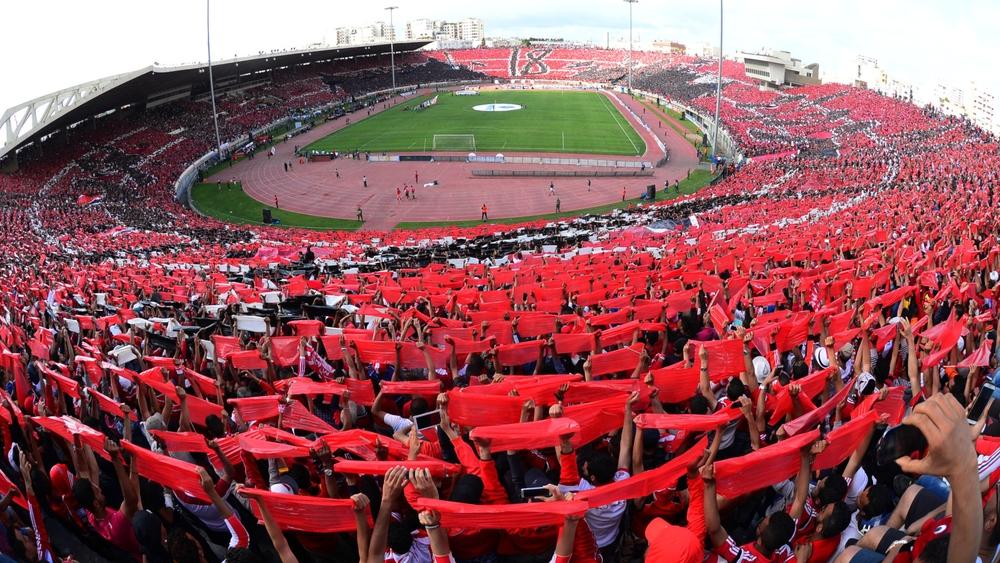
Ticketing and matchday revenue rose 57.5% to 37.5 million dirhams.
Sponsorship and advertising increased almost 30% to approximately 27 million dirhams.
Merchandising royalties rose nearly fivefold to 7.7 million dirhams.
Those figures tell a different story from the headline revenue decline.
Wydad is beginning to generate more money directly from the people and companies that value the club.
Supporters.
Sponsors.
Merchandise buyers.
That is exactly where a stronger football business should be built.
Matchday Revenue Is Becoming The Core
Ticketing became Wydad’s largest operating revenue source during the season.
Domestic home matches generated approximately 18.4 million dirhams.
African competitions contributed another 10.5 million dirhams.
Season-ticket cards generated more than 7.3 million dirhams.
This matters because ticket revenue is fundamentally different from exceptional tournament bonuses.
It is repeatable.
A club can influence it directly.
Better football attracts supporters.
Better ticketing makes attendance easier.
Better stadium experiences can increase spending.
Stronger membership encourages repeat visits.
Competition bonuses remain valuable, but they depend heavily on sporting results and tournament participation.
A club cannot build its entire financial model around extraordinary seasons.
Wydad needs recurring revenue capable of supporting the organisation even when trophies or international bonuses fluctuate.
A Supporter Is More Than One Ticket
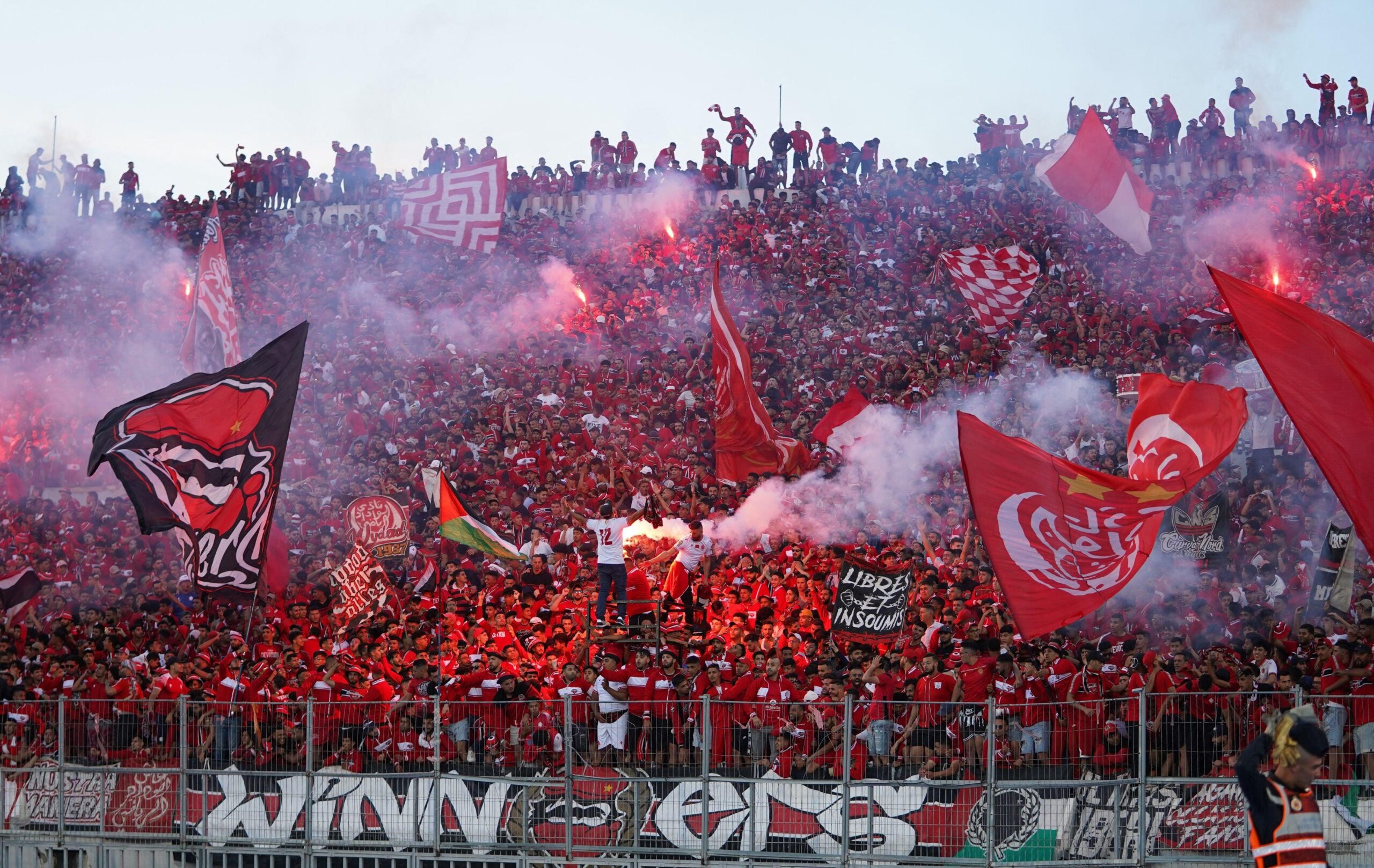
Football clubs often think about supporters primarily as spectators.
Commercially, that leaves significant value unused.
One supporter can have several relationships with the club.
Match ticket.
Season ticket.
Official shirt.
Membership.
Digital content.
Hospitality.
Food and beverage.
Club events.
Children’s products.
The strongest football businesses connect these relationships.
A supporter purchasing ten match tickets during a season should not remain commercially anonymous.
A season-ticket holder should receive a stronger relationship with the club than someone purchasing once.
A family attending several matches may want a different experience from a supporters’ group behind the goal.
This does not mean monetising every interaction aggressively.
It means understanding that loyalty has economic value.
Wydad already possesses the difficult part.
The audience exists.
The next step is building better products around that audience.
Digital Ticketing Can Become Infrastructure
Wydad has already developed digital ticket distribution for major matches.
The next stage is making the system part of a complete supporter account.
One identity.
Ticket history.
Season subscriptions.
Stadium access.
Merchandise purchases.
Potential loyalty benefits.
Digital ticketing can also improve planning.
The club can understand how early supporters buy.
Which sections sell first.
Which matches produce the strongest demand.
How many season-ticket holders actually attend.
Where unused capacity remains.
That information helps pricing and stadium operations.
The goal should not be complicated dynamic pricing that makes ordinary supporters feel exploited.
It should be better capacity management.
Football clubs should know their customers at least as well as airlines or entertainment companies understand theirs.
Sponsorship Growth Shows Commercial Demand
Wydad generated approximately 27 million dirhams from sponsorship and advertising, up almost 30% year on year. (Médias24)
That is another important signal.
Brands still see value in association with the club.
But modern sponsorship should move beyond placing logos on shirts and advertising boards.
Sponsors increasingly want measurable engagement.
Digital campaigns.
Hospitality.
Supporter activations.
Social content.
Competitions.
Product launches.
Community projects.
A sponsor selling consumer goods may want access to supporters very differently from a bank or industrial company.
Wydad can therefore create separate commercial packages around different objectives.
The club should know how many people sponsors reach through stadium attendance, digital platforms and club content.
Better measurement can justify higher partnership values.
Merchandising May Be The Biggest Untapped Opportunity
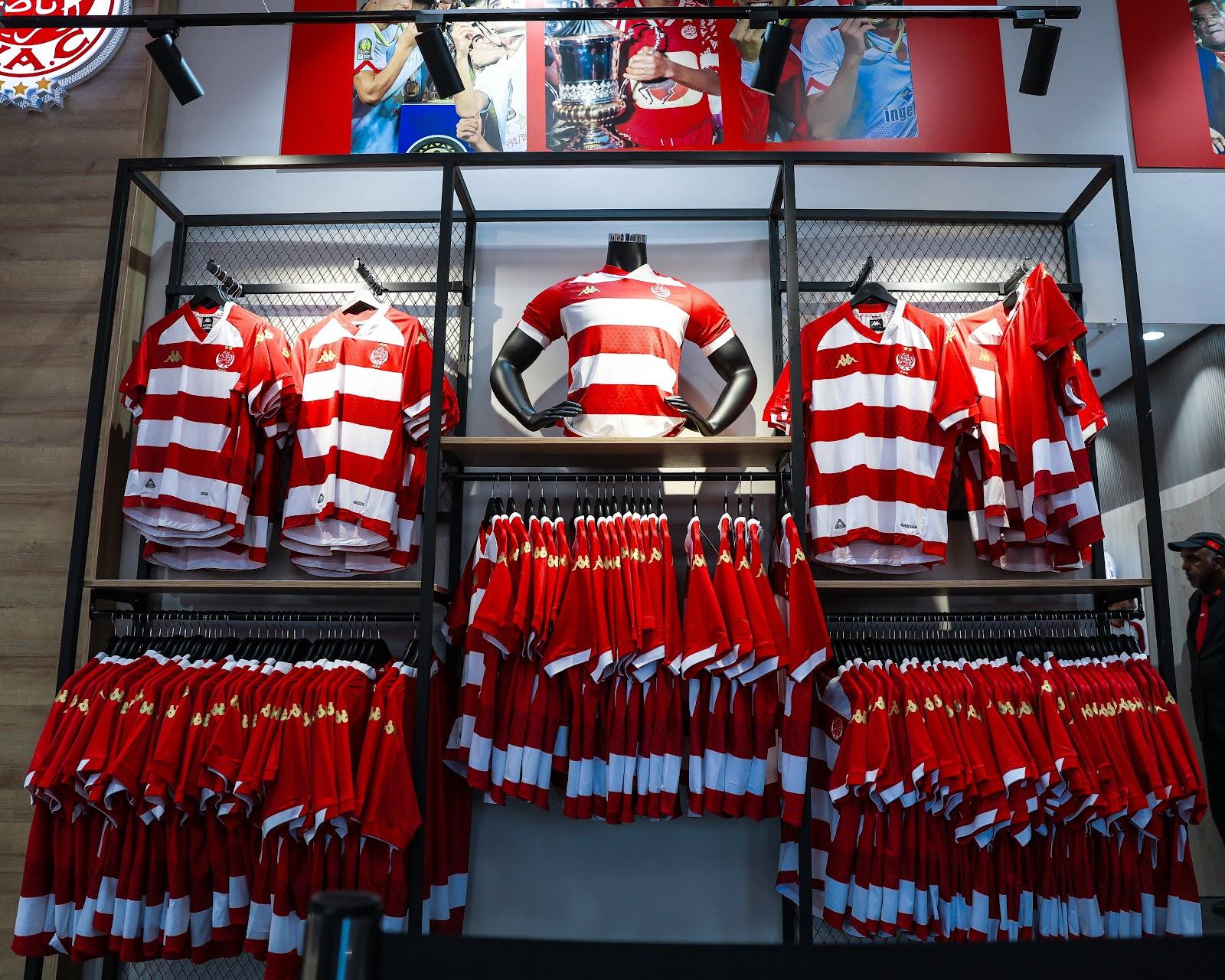
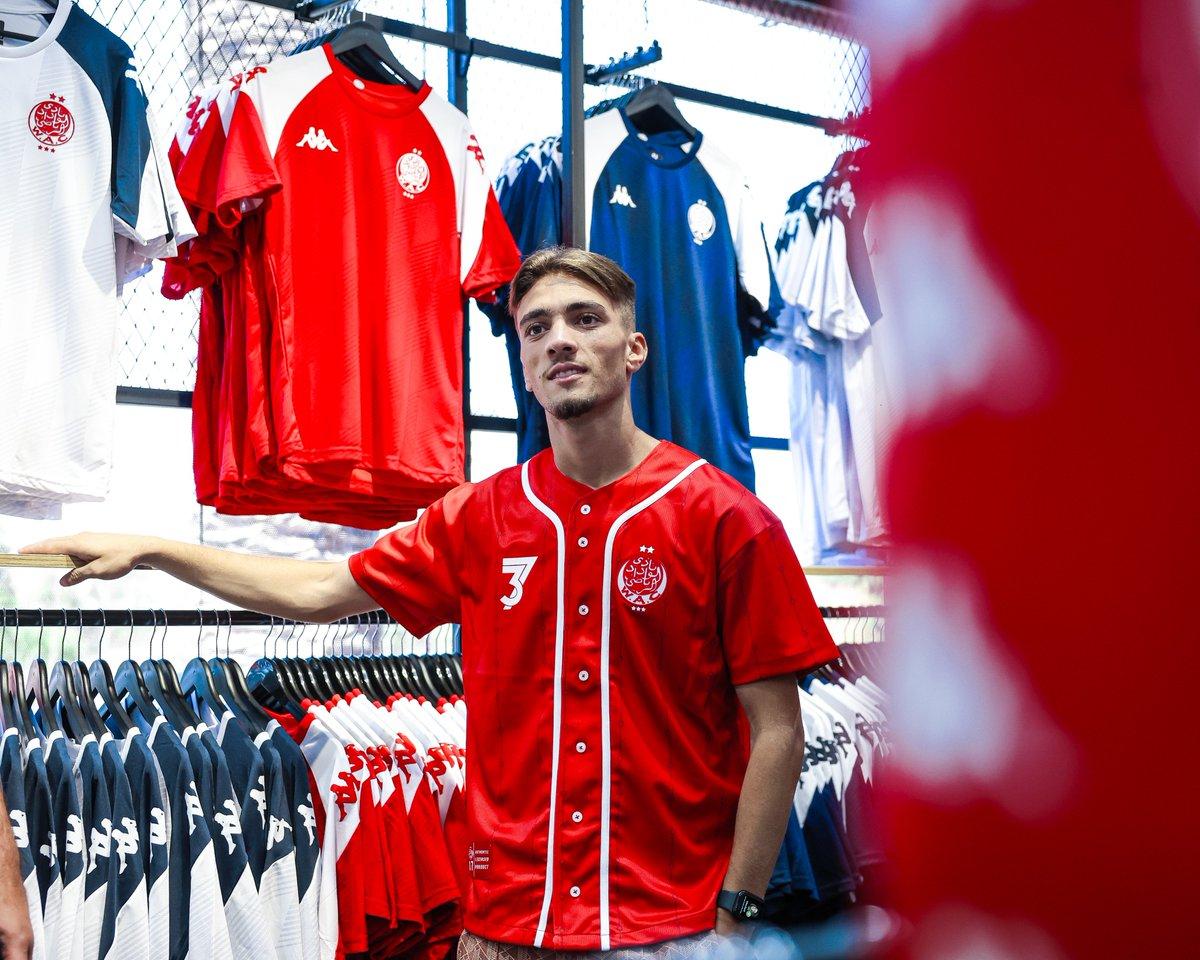
The financial report shows merchandising royalties from Kappa rising from approximately 1.55 million dirhams to 7.67 million dirhams. (Médias24)
That growth is dramatic.
It also suggests there may be much more potential.
Wydad possesses one of Morocco’s most recognisable football identities.
Red shirts.
Historic crest.
Large domestic following.
Diaspora supporters.
Continental recognition.
Official merchandise should therefore extend beyond the annual match shirt.
Training wear.
Retro collections.
Children’s products.
Lifestyle clothing.
Caps.
Accessories.
Limited editions.
Collaborations with Moroccan designers.
Football fashion has become a global consumer category.
Supporters increasingly wear club products away from stadiums.
A strong merchandising strategy converts sporting identity into everyday retail.
Counterfeit Products Are A Commercial Problem
Large football clubs everywhere face unofficial merchandise.
Wydad is no exception.
The solution cannot rely only on enforcement.
Official products need to become easier to purchase.
Online.
At matches.
In official stores.
Through selected retail partners.
Different price levels can also matter.
Not every supporter can purchase an expensive professional shirt.
The club can offer authentic lower-cost products without weakening the premium jersey.
Scarves.
T-shirts.
Caps.
Children’s items.
Small accessories.
When official merchandise becomes accessible, some customers who currently purchase unofficial products can enter the formal club economy.
Authenticity should be easier, not only legally preferable.
The Diaspora Is A Revenue Market
Wydad’s audience extends beyond Casablanca and Morocco.
Moroccans in France, Belgium, the Netherlands, Spain, Canada and elsewhere remain emotionally connected with domestic football.
Digital commerce makes that audience economically reachable.
The challenge is logistics.
International shipping.
Payment methods.
Returns.
Product availability.
A supporter in Brussels or Amsterdam should be able to buy an official Wydad shirt without relying on an informal reseller or waiting for a trip to Morocco.
Diaspora supporters may also value exclusive digital memberships or special match packages when visiting Morocco.
This is a customer segment with high emotional attachment and potentially significant purchasing power.
It should be treated professionally.
Hospitality Can Increase Revenue Without Raising Ordinary Ticket Prices
Football clubs often face a difficult balance.
They need more matchday revenue.
Supporters want affordable access.
Corporate hospitality provides one solution.
Premium seats.
Lounges.
Food.
Parking.
Business networking.
Sponsor experiences.
These products can generate much more revenue per seat without increasing the price of ordinary areas.
The key is segmentation.
The stadium should contain affordable sections for core supporters and premium products for customers willing to pay more.
This allows the club to increase total yield without turning attendance into a luxury product.
For Wydad, major domestic and African matches create obvious hospitality demand.
The experience must be professionally delivered if companies are expected to purchase repeatedly.
Football Revenue Cannot Depend On Player Transfers
Wydad received approximately 24.7 million dirhams from player transfers and loans during the season.
At the same time, the club acquired contracts for thirteen players at a total cost of approximately 46.8 million dirhams. (Médias24)
Player trading is a legitimate part of football economics.
But it can become dangerous when recruitment continually costs more than outgoing transfers generate.
The club needs a clearer asset-development model.
Recruit young players.
Develop them.
Use them competitively.
Sell selectively at stronger valuations.
Academy graduates are particularly valuable because acquisition costs are lower.
A successful academy can create sporting performance and financial return simultaneously.
Buying finished players continuously makes the model more expensive.
Transfer Debt Is The Warning Signal
The latest accounts also contain a less positive indicator.
Amounts owed to other clubs linked to player transfers more than doubled, rising from approximately 17.2 million dirhams to 41 million dirhams. (Médias24)
This is where commercial growth and sporting ambition must remain connected.
A club can increase ticketing and sponsorship while still creating financial pressure through recruitment.
Transfer agreements often involve instalments.
The immediate cost may therefore appear manageable while future obligations accumulate.
Wydad needs to evaluate every signing through both football and cash-flow lenses.
What is the transfer fee?
Salary?
Signing bonus?
Agent cost?
Payment schedule?
Potential resale value?
One player is not one number.
The complete contractual commitment matters.
Payroll Must Follow Sustainable Revenue
Personnel costs rose materially during the season, reaching roughly 59.5 million dirhams, excluding some signing-related items. (Médias24)
A competitive club needs quality players.
That costs money.
The issue is not whether wages should grow.
It is whether recurring revenue grows enough to support them.
Ticketing.
Sponsorship.
Merchandising.
Media.
Hospitality.
Player development.
These are healthier foundations for payroll than exceptional subsidies or temporary competition bonuses.
Wydad’s business model becomes stronger when fixed sporting costs are supported by dependable commercial income.
Football becomes vulnerable when permanent expenses are funded through temporary revenue.
Media Rights Remain Underdeveloped
Audiovisual income fell to around 6 million dirhams in the latest season. (Médias24)
For a club with Wydad’s audience, that highlights a broader challenge in Moroccan football.
Globally, media rights can become one of the largest revenue sources for professional clubs.
Morocco’s domestic football still has significant room to increase the commercial value of its broadcast product.
Better scheduling.
Production.
Digital highlights.
International distribution.
Diaspora access.
Multilingual content.
League-wide commercial packaging.
Individual clubs cannot solve this alone.
But Wydad can strengthen its own media operation and make its audience more visible to future rights partners.
The more measurable the demand, the stronger the commercial argument.
The Stadium Experience Must Create Repeat Demand
The most encouraging financial signal is the 57.5% rise in ticketing.
Maintaining that growth requires more than sporting results.
Supporters remember the complete matchday.
Ticket purchase.
Transport.
Entry.
Security.
Seating.
Food.
Cleanliness.
Toilets.
Exit.
A dramatic victory may overcome many operational frustrations once.
It should not be the permanent business strategy.
The club and stadium operators need to reduce friction around attendance.
When attending becomes easier, families and occasional supporters become more willing to return.
Hardcore supporters may attend regardless.
Commercial growth comes partly from converting the wider audience into more regular customers.
The Club Needs Stronger Financial Visibility
The latest report also demonstrates why football governance matters.
The professional SAS and the wider Wydad association remain financially distinct, while significant balances exist between them. The professional company owed approximately 70.5 million dirhams to the association at the end of June 2026. (Médias24)
A modern football business needs clear financial visibility.
Which activity generates revenue?
Which entity carries costs?
What obligations are due?
What cash is actually available?
Transparency makes planning easier for management and strengthens credibility with sponsors, banks and commercial partners.
Professionalisation does not remove the emotional identity of a football club.
It protects it.
The 37.5 Million Dirham Signal
Wydad’s 2025-2026 accounts contain both encouragement and warning.
Total professional operating revenue fell to around 127.4 million dirhams as exceptional competition-related income declined.
Yet the revenue categories that a club can build around directly moved strongly in the opposite direction.
Ticketing: +57.5%.
Sponsorship and advertising: +29.9%.
Merchandising royalties: almost five times higher. (Médias24)
That is the strategic signal.
Wydad already has sporting history and one of Morocco’s strongest supporter bases.
Its next step is turning that passion into a more predictable football economy.
More season-ticket holders.
More official merchandise.
Better sponsorship products.
Stronger hospitality.
Greater diaspora sales.
Better player development.
More disciplined transfer commitments.
By 2030, Morocco will possess some of the world’s most modern football infrastructure.
Its leading clubs should arrive there with equally modern business models.
Wydad’s latest accounts suggest the supporter economy is already beginning to grow.
Now the club has to make that growth sustainable.