

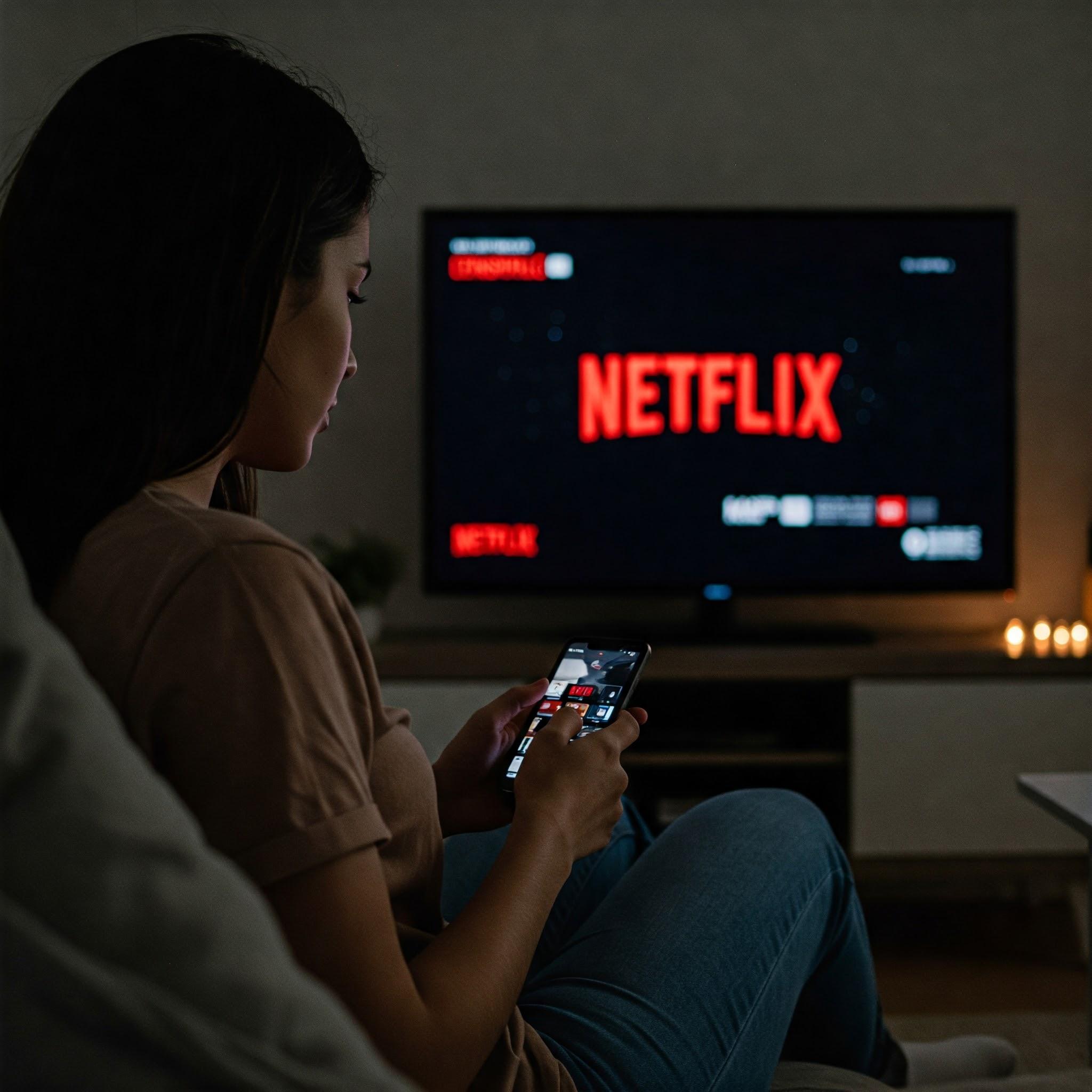
The Short Video Invasion has reached Netflix, and that says more about the future of entertainment than another ordinary content deal.
For years, Netflix trained the world to binge premium series, documentaries and films. It made streaming feel cinematic, global and subscription-driven. But the attention economy has moved again. Viewers are not only sitting down for long sessions. They are watching in fragments, scrolling through feeds, sampling creators, consuming clips and turning short videos into a daily habit.
Netflix does not want to replace YouTube overnight.
It wants a piece of the behaviour YouTube owns.
Short Video Invasion Is About Daily Habit
The Short Video Invasion matters because entertainment platforms are no longer fighting only over subscribers.
They are fighting over routine.
A subscriber may pay for Netflix and still spend more daily time on YouTube, TikTok or Instagram. That is the strategic problem. The payment relationship is not the same as the attention relationship.
Short-form and mid-form videos give platforms more reasons to be opened during ordinary moments: lunch breaks, commutes, late-night scrolling, quick entertainment gaps and casual discovery sessions.
That is why Netflix’s move into publisher-backed short videos should not be dismissed as filler.
It is an attempt to make Netflix feel more useful between big releases.
Netflix Wants To Fill The Space Between Series
The first move is obvious.
Netflix needs more content that does not require a full commitment.
A prestige drama asks the viewer for attention, mood and time. A film asks for even more. But a short lifestyle video, celebrity segment, how-to episode or food clip can be consumed quickly, with less decision-making and less emotional investment.
That matters because one of the biggest problems in streaming is choice fatigue.
Users open an app, browse too long, then leave without watching anything. Short videos reduce that friction. They give the platform easier entry points.
If Netflix can make users watch something small, it may keep them inside the app long enough to watch something bigger later.
YouTube Owns The Everyday Screen

The second move is defensive.
YouTube has become one of the strongest entertainment habits in the world because it is not only a platform for shows. It is a platform for whatever the viewer wants at that moment: tutorials, podcasts, news clips, reviews, reactions, music, gaming, creators, interviews and short videos.
That range is powerful.
Netflix has premium identity, but YouTube has everyday utility.
The difference matters. People go to Netflix when they want to watch Netflix. People go to YouTube when they want to watch almost anything.
That is the gap Netflix is trying to narrow.
Publisher Deals Give Netflix Instant Supply
The third move is supply.
Netflix can build new formats itself, but licensing publisher videos gives it a faster route into the short-video economy. Deals with companies such as BuzzFeed Studios, Condé Nast, Hearst Magazines, People Inc. and Penske Media give Netflix access to content categories that already work online: food, lifestyle, celebrity, culture, how-to and entertainment.
This is useful because short video is not only about length.
It is about rhythm.
Digital publishers understand packaging, headlines, quick hooks and repeatable formats. They know how to create content that feels casual enough for daily viewing but polished enough for mainstream audiences.
Netflix is buying speed, not only videos.
The 3-To-20 Minute Format Is Strategic
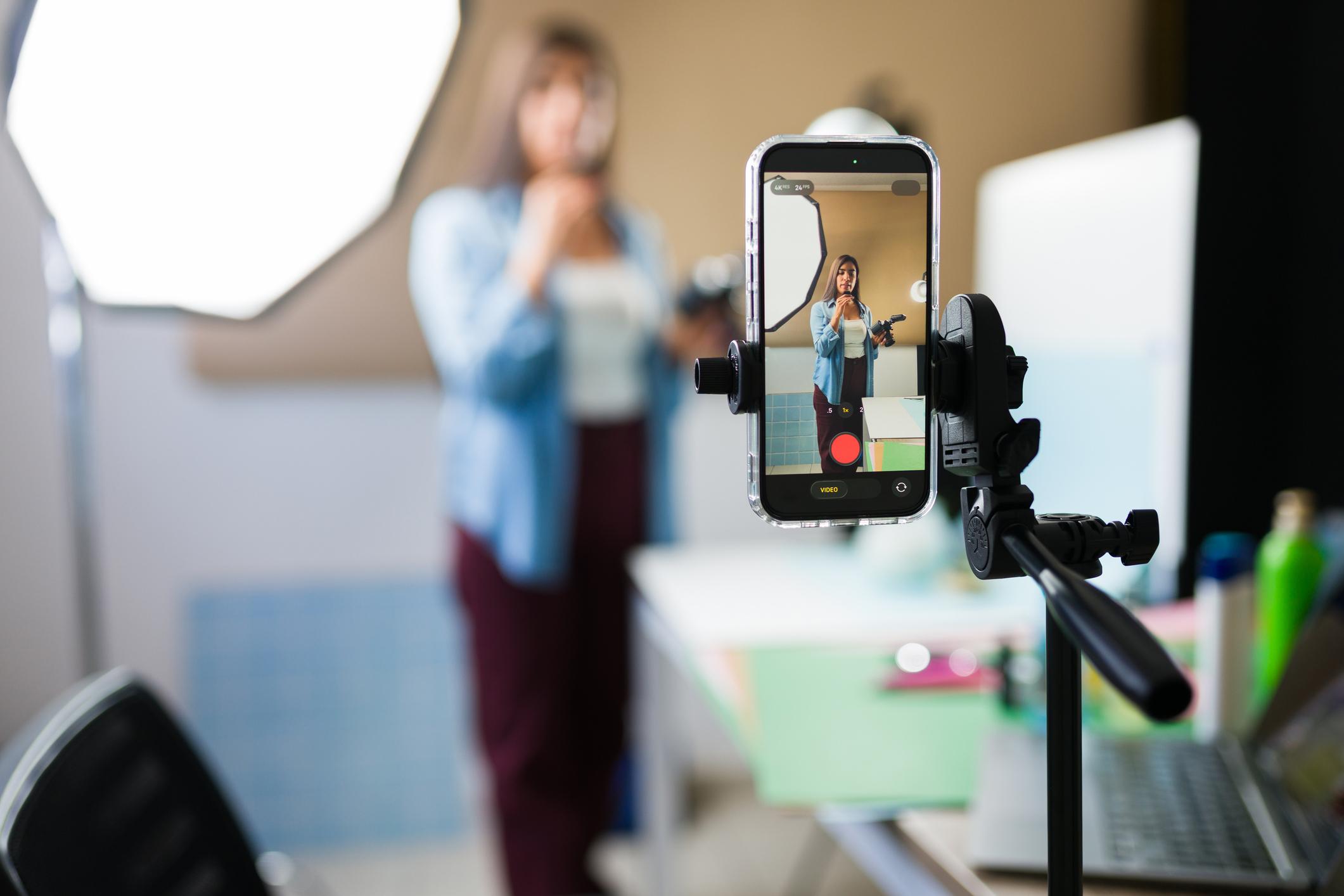
The reported 3-to-20 minute video range is important.
That is not the same as TikTok’s fastest scroll or YouTube Shorts’ vertical feed. It sits between ultra-short content and traditional television. This middle zone may be where Netflix feels more comfortable.
The platform does not need to become TikTok.
It can become a home for short enough content that feels easy, but long enough to fit Netflix’s more curated identity.
That middle format also works for video podcasts, celebrity interviews, food segments, beauty content, travel explainers and lifestyle formats that do not require a full season commitment.
It is short-form behaviour with a premium-streaming wrapper.
The Real Fight Is Watch Time
The fifth move is the most important.
This is a watch-time battle.
Streaming companies often talk about subscribers, but user attention is the deeper currency. A person who pays but rarely opens the app becomes vulnerable to cancellation. A person who opens the app every day becomes more valuable.
YouTube’s strength is daily repetition.
TikTok’s strength is addictive discovery.
Netflix’s strength is premium content and global distribution.
The question is whether Netflix can add habit to premium.
If short videos help Netflix become part of the viewer’s ordinary day, the company gains more than another content category. It gains defence against churn.
Short Video Also Changes Advertising
Short and mid-form content can also support Netflix’s advertising ambitions.
Ad-supported streaming needs inventory. A catalogue of long premium shows creates valuable ad slots, but short videos can create more frequent engagement opportunities. They can also attract brands that want lifestyle, food, fashion, beauty, travel or celebrity environments rather than only drama or film placements.
That makes publisher content commercially useful.
A cooking video, entertainment clip or fashion segment can be easier to match with advertisers than a dark crime drama or a complex original series.
The advertising logic is clear.
More daily viewing creates more moments to sell.
The Risk Is Brand Confusion
There is a risk.
Netflix built its reputation around premium entertainment. If the platform fills too much space with content that feels like recycled YouTube, users may question what Netflix is supposed to be.
That is the danger of copying the internet too closely.
Netflix must avoid becoming a warehouse for content that already feels more natural elsewhere. The platform needs curation, quality control and a clear reason for these videos to live inside Netflix rather than simply on YouTube, TikTok or Instagram.
The move can strengthen Netflix’s daily habit.
But if poorly executed, it can weaken its premium identity.
Creators Are The Missing Piece
One major question remains: how far Netflix will go with creators.
Publisher deals are a controlled entry point. They bring recognisable media brands and safer formats. But the real energy of YouTube and TikTok comes from creators who build direct audience relationships.
Creators are not just content suppliers.
They are communities.
They bring comments, loyalty, personality, speed and cultural intimacy. Netflix has traditionally been stronger with polished production than creator-native culture.
If Netflix wants to compete seriously with YouTube’s daily habit, it may eventually need deeper creator integration, not only publisher licensing.
The Living Room Is No Longer Enough
Netflix’s old battlefield was the living room.
That battlefield still matters, but the entertainment day is now spread across devices and moments. A viewer may watch Netflix on television at night, YouTube on a phone during the day, TikTok in short breaks and podcasts in the background.
The screen has fragmented.
That means Netflix must defend more than the evening.
It must defend the small moments that decide whether the app remains top of mind. Short videos are one way to do that.
The company is not only chasing YouTube’s content.
It is chasing YouTube’s frequency.
The Media Industry Is Being Rebundled
The Short Video Invasion also shows how media is being rebundled.
Digital publishers once relied heavily on websites, social platforms, search traffic and ad networks. Many struggled as algorithms changed, advertising shifted and traffic became less reliable. A Netflix licensing deal gives publishers a new distribution path and potentially a more stable revenue opportunity.
For Netflix, publishers bring ready-made formats.
For publishers, Netflix brings scale, payment and a premium environment.
This is not the old cable bundle.
It is a new streaming bundle of habits: video podcasts, lifestyle clips, food content, celebrity formats and short digital shows placed inside a paid entertainment app.
Morocco And MTD Should Watch The Format
For Moroccan media, this shift is important.
Short and mid-form video are becoming central to how audiences discover brands. A media platform that only publishes written articles may build authority, but video can build habit faster.
For Morocco Times Daily, the lesson is practical.
Daily buzz articles can become short videos, explainers, Instagram reels, YouTube Shorts, LinkedIn clips and vertical summaries. The article creates the authority. The short video creates the reach.
Netflix’s move confirms that even the world’s biggest streaming platform understands the same logic.
Attention is not won once.
It is won daily.
The Bottom Line
The Short Video Invasion shows that Netflix is no longer fighting only for premium binge time.
By licensing short and mid-form videos from major publishers, Netflix is trying to compete with the daily habits created by YouTube, TikTok and creator-driven media. The goal is not simply to add more content. It is to make the platform easier to open, easier to sample and harder to cancel.
The opportunity is clear: more engagement, more advertising inventory and more reasons for users to stay inside Netflix.
The risk is also clear.
If Netflix adds short videos without a strong identity, it may look like it is copying the platforms that already own the format.
The next streaming fight will not be won only by the biggest series.
It will be won by the platform that becomes part of the viewer’s day.