
The most dangerous ingredient in fast food is not always the one customers can taste.
Sometimes it is doubt.
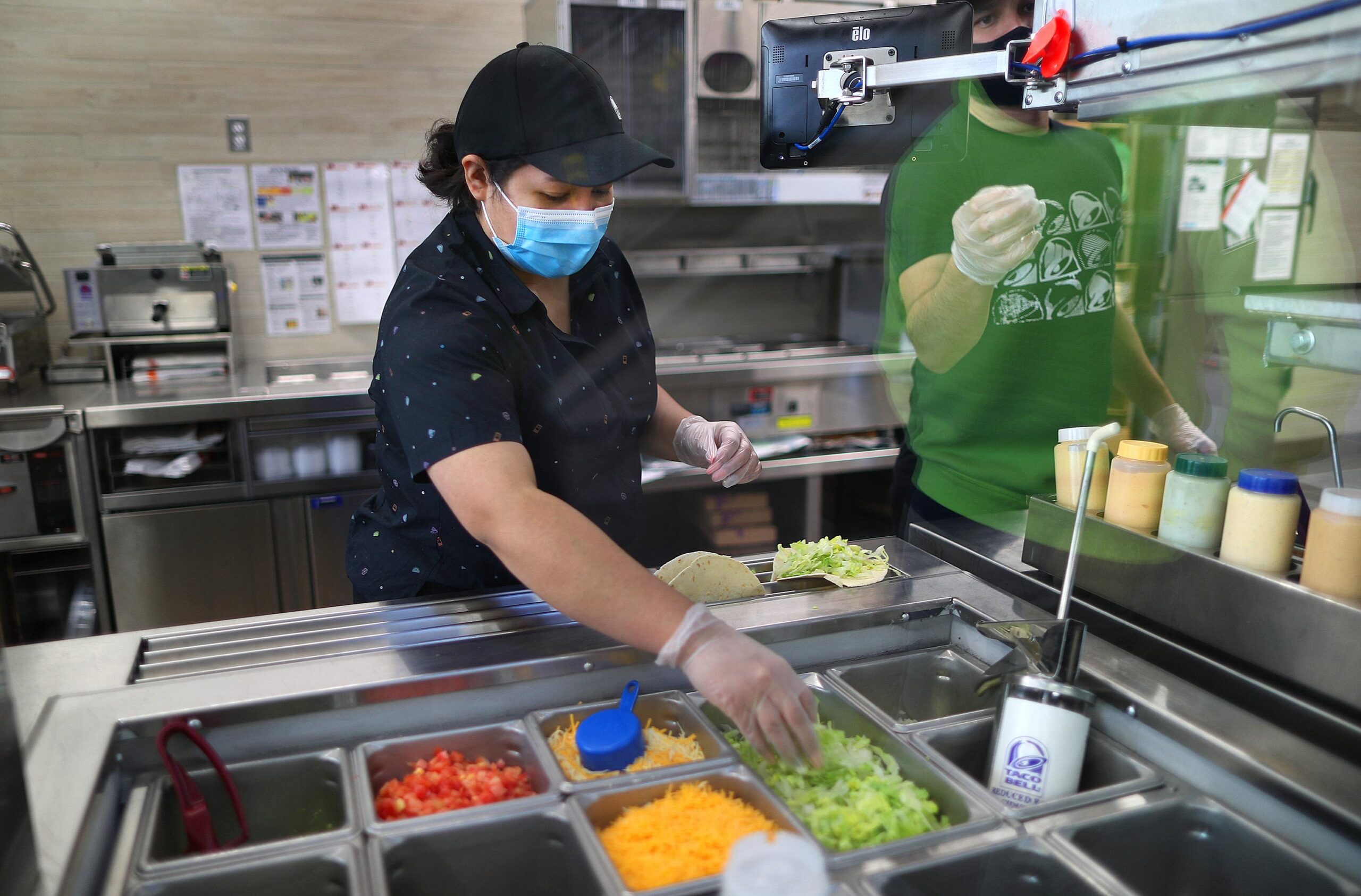
A lettuce outbreak linked to Taco Bell has now become more than a food-safety investigation. It has become a trust crisis involving a major restaurant chain, a major produce supplier, a federal regulator and a public trying to understand how a product can be implicated even after a lab result is walked back.
That is the hardest part of modern food safety.
The science can change.
The headlines arrive first.
The brand damage starts immediately.
Lettuce Trust Crisis Hits Fast Food
The Lettuce Trust Crisis matters because fast food depends on invisible confidence.
Customers rarely inspect the supply chain behind a taco, salad, bowl or sandwich. They trust that the lettuce was grown safely, processed correctly, shipped cold, handled properly and served without contamination.
When that confidence breaks, the product becomes suspicious.
The FDA says traceback investigation data in a multistate cyclosporiasis outbreak points to shredded iceberg lettuce from Taylor Farms de Mexico, while Taco Bell has indicated it stopped using that lettuce as of July 17, 2026.
That is enough to create a serious consumer reaction.
Even if the investigation continues.
Even if the lab story becomes more complicated.
Even if no one has died.
In food, uncertainty can be enough to change behaviour.
The False Positive Makes The Story Harder
The case became more confusing when the FDA reclassified a laboratory finding.
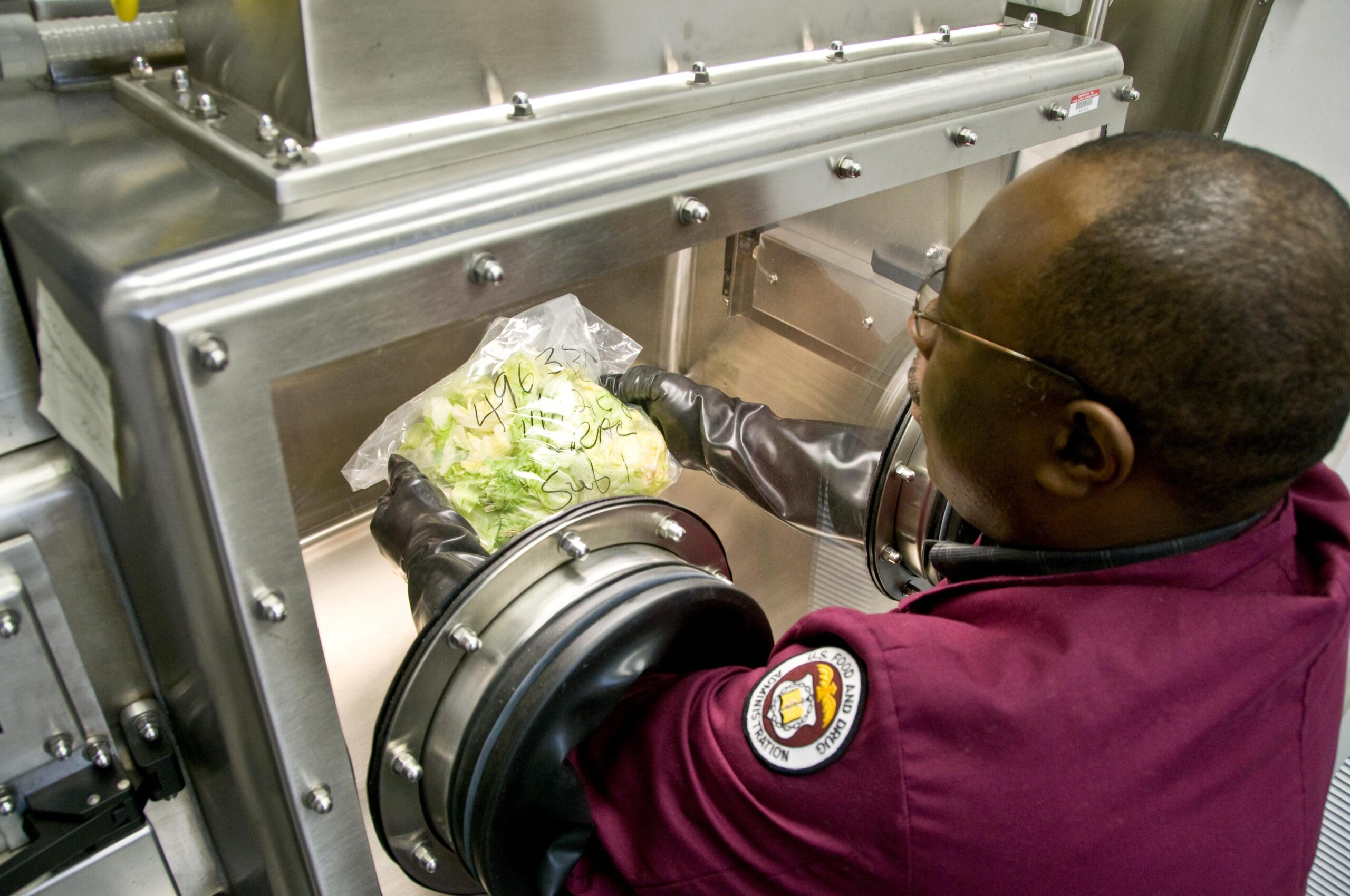
The agency initially said a lettuce sample tested positive for cyclospora, then later said experts re-reviewed the result and concluded it should be considered a false positive. But the FDA also said that change did not alter the basis of the ongoing outbreak investigation.
That is difficult for the public to process.
A false positive sounds like the supplier has been cleared.
The FDA’s position says something different.
The lab sample may not confirm contamination, but traceback and epidemiological evidence still point investigators toward the lettuce supply chain.
That distinction is scientifically important.
But commercially, it is messy.
Consumers do not always separate lab evidence from supply-chain evidence. They hear “false positive” and wonder whether the warning was wrong. They hear “investigation still focused” and wonder whether the food is unsafe.
This is how trust erodes.
Taco Bell Becomes The Public Face
Taylor Farms may be central to the supply chain.
The FDA may be central to the investigation.
But Taco Bell is the name most consumers recognise.
That creates a familiar problem in food outbreaks. The restaurant brand becomes the face of the crisis even when the contamination may have occurred far earlier in the supply chain.
A customer does not say, “I ate shredded iceberg lettuce from a central Mexico facility.”
They say, “I ate at Taco Bell.”
That is why fast-food brands are so vulnerable to produce outbreaks. They sell convenience and familiarity. When a familiar meal becomes linked to illness, the brand has to manage fear quickly, clearly and visibly.
The supply chain may be complex.
The public memory is simple.
Cyclospora Is Not A Normal Food Scare
Cyclospora is especially difficult because it does not have the same public recognition as salmonella or E. coli.
Many consumers may not know what it is, how it spreads, how it is detected or how long symptoms can last. That uncertainty makes the story more alarming.
The FDA describes the investigation as a five-state outbreak involving Cyclospora illnesses linked to iceberg lettuce.
That matters because unfamiliar foodborne illnesses can increase anxiety.
When people understand a risk, they may respond calmly.
When the name itself sounds mysterious, fear spreads faster.
Fast-food brands depend on routine. A rare-sounding parasite breaks routine instantly.
The Supply Chain Is The Real Story
The outbreak shows how fragile the modern fast-food supply chain can be.
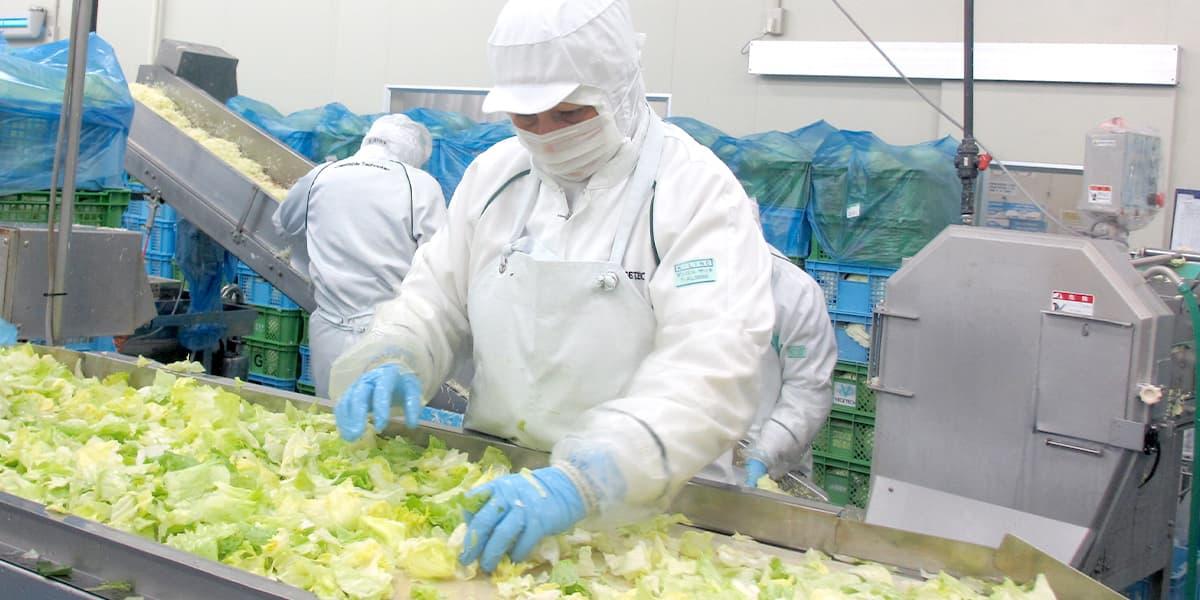
A national restaurant brand needs consistency. It needs lettuce that looks the same, tastes the same, arrives on time, fits menu specifications and can be distributed across regions at scale. That requires large suppliers, centralized processing and cross-border logistics.
Efficiency creates speed.
It also creates exposure.
If a problem enters the supply chain, it can reach many locations before anyone fully understands the source. That is why traceback investigations matter so much. Regulators must identify where the product came from, where it went, who handled it and whether any of it remains in use.
A lettuce leaf in a taco is small.
The system behind it is enormous.
Fast Food Has A Freshness Paradox
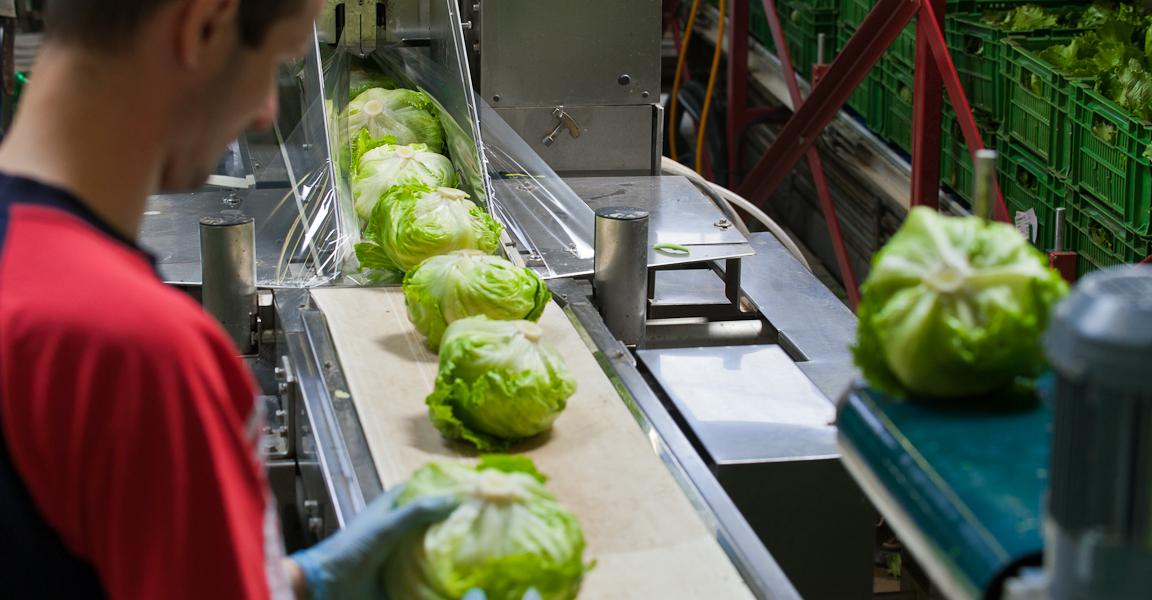
Fast-food chains increasingly market freshness.
Fresh toppings.
Fresh lettuce.
Fresh bowls.
Fresh salads.
Fresh crunch.
But fresh produce is also one of the hardest food-safety categories to control because it is often eaten raw. Cooking can kill many pathogens. Lettuce does not get that final safety step.
That is the paradox.
Customers want fresh ingredients.
Restaurants want fresh branding.
But raw produce carries risk from field to processing facility to distribution center to restaurant line.
The fresher the image, the more damaging the outbreak.
A burger can be seen as processed.
Lettuce is supposed to feel clean.
When lettuce becomes the suspected problem, the emotional damage is sharper.
The Recall Is Only The First Step
Removing implicated product from the market is necessary.
But it does not immediately restore trust.
The FDA says Taylor Farms issued a recall and that the agency is working with the firm to ensure implicated product has been removed from the market.
That is the operational step.
The reputational step is harder.
Consumers need to know whether current food is safe, whether affected locations changed supply, whether employees were informed, whether the chain is cooperating and whether the outbreak is still growing.
A recall can remove lettuce.
It cannot instantly remove anxiety.
Foot Traffic Can Move Quickly
Food scares can influence where people eat.
AP reported that foot traffic was down at a number of dining chains compared with day-of-week averages, according to Placer.ai location data, while the outbreak investigation continued.
That is the commercial risk.
Customers do not need perfect information to change lunch plans.
They may simply choose another chain for a week.
They may avoid lettuce.
They may avoid Taco Bell in affected states.
They may post jokes or warnings online.
They may ask workers whether the lettuce is safe.
In fast food, traffic is habit. Once a habit is interrupted, the brand has to win it back.
Social Media Turns Confusion Into Speed
A false-positive update is exactly the kind of story social media struggles to handle.
The first headline says the supplier’s lettuce tested positive.
The next update says the test was a false positive.
Then the FDA says the investigation still points to the same supply chain.
Each step is true in a specific context.
But online, context collapses.
Some users will say the supplier was falsely blamed. Others will say the FDA is hiding something. Others will say Taco Bell should not be trusted. Others will turn the outbreak into memes.
This is the new food-safety environment.
Regulators must investigate scientifically.
Brands must respond commercially.
Social media judges immediately.
The FDA Faces A Communication Test
The FDA’s role is difficult.
It must warn the public quickly when there is a credible risk. It must also correct the record when a test result is reclassified. Both actions are necessary.
But timing matters.
If the agency releases a lab result and then walks it back, public confidence can suffer, even if the correction reflects good scientific review.
The FDA now has to explain two ideas at the same time.
The positive lab result was not confirmed.
The broader investigation still points to the implicated lettuce.
That is a hard message, but it is essential.
Food safety communication must be fast.
It must also be precise.
Taylor Farms Faces The Supplier Trust Problem
For Taylor Farms, the issue is not only one customer.
A major produce supplier sells confidence to restaurants, retailers and food-service companies. Its clients need to believe it can manage growing, processing, testing, recall coordination and regulator communication.
The Business Insider report on the outbreak notes that Taylor Farms is a major supplier whose products appear across multiple food channels, while the FDA continued to focus on the company’s lettuce despite the false-positive lab update.
That is why supplier reputation matters.
A consumer may never buy directly from the supplier.
But restaurant chains do.
Retailers do.
Procurement teams do.
In B2B food supply, trust is currency.
The Mexico Origin Adds A Political Layer
The FDA’s investigation points to shredded iceberg lettuce from Taylor Farms de Mexico locations in central Mexico.
That geographic detail can easily become politicised.
Food supply chains cross borders constantly. Produce moves from fields to processing facilities to restaurants across North America. Cross-border food trade is normal and essential.
But during outbreaks, origin details can create blame narratives.
Mexico.
Imports.
Regulation.
Border inspection.
Corporate sourcing.
These topics quickly move beyond food science into politics.
A responsible article must be clear: origin is relevant for traceback, not a license for lazy blame. The issue is safety, process, testing and accountability, not nationality.
Consumers Want Simple Answers
The public wants direct answers.
Is the lettuce safe?
Which locations were affected?
What dates matter?
What symptoms should people watch for?
Should they see a doctor?
Is Taco Bell still using the supplier?
What exactly was recalled?
Those are reasonable questions.
But outbreak investigations rarely move at the speed consumers want. Traceback takes time. Lab testing can be complex. Case counts can lag. Product movement can be difficult to map. New information can change previous assumptions.
That gap between public urgency and investigative caution is where frustration grows.
People want certainty.
Food safety often gives probability first.
Brands Must Overcommunicate During Outbreaks
In a food-safety crisis, silence looks defensive.
A brand must communicate more than it normally would.
Not with vague statements.
With concrete facts.
What product was removed.
When it was removed.
Which states were affected.
What replacement supply is being used.
How the company is cooperating with regulators.
Where consumers can find updates.
What steps are being taken to prevent recurrence.
Fast-food customers may not read long statements, but journalists, social media users and loyal customers will. Clear communication gives them something accurate to share.
Confusion fills every gap.
The Bigger Industry Lesson
This outbreak is not only about Taco Bell.
Every chain using fresh produce should watch the case closely.
Raw ingredients remain a major vulnerability in fast food, casual dining and ready-to-eat meals. The industry has improved traceability, recall systems and supplier controls over time, but outbreaks still happen.
The question is whether companies can detect and isolate risk quickly enough.
Supply-chain resilience is not only about avoiding shortages.
It is about avoiding contamination, knowing product origins and responding before a local problem becomes a national headline.
Food safety is now part of brand management.
The Cost Of One Ingredient
Lettuce is cheap compared with many menu items.
But one ingredient can carry an entire brand crisis.
A chain can have strong advertising, loyal customers, efficient stores and popular products. Then one contaminated or suspected ingredient can dominate the news cycle.
That is the brutal economics of food trust.
The cheapest visible ingredient can create the most expensive reputational damage.
This is why procurement and safety systems are not back-office details.
They are brand insurance.
The False Positive Should Not Be Ignored
The false-positive issue deserves attention because it shows the importance of scientific caution.
Food testing can be complex. Rapid screening tests can produce results that require confirmation or expert review. A responsible regulator must be willing to correct itself when a result is unreliable.
That correction is not weakness.
It is scientific discipline.
But the communication around it must be strong enough to prevent misunderstanding. A false positive does not automatically erase epidemiological evidence. It also does not give regulators permission to communicate carelessly.
The public needs both speed and accuracy.
That is the hardest combination in a crisis.
The Bottom Line
The Lettuce Trust Crisis shows how quickly fast-food confidence can break.
The FDA says its traceback investigation still points to shredded iceberg lettuce from Taylor Farms de Mexico served at Taco Bell in several states, even after a lab result was reclassified as a false positive. Taco Bell has indicated it stopped using that lettuce as of July 17, 2026.
That is the core problem.
The science is still developing.
The supply chain is under scrutiny.
The brand damage has already begun.
Fast food sells speed, familiarity and routine.
A lettuce outbreak turns all three into questions.