

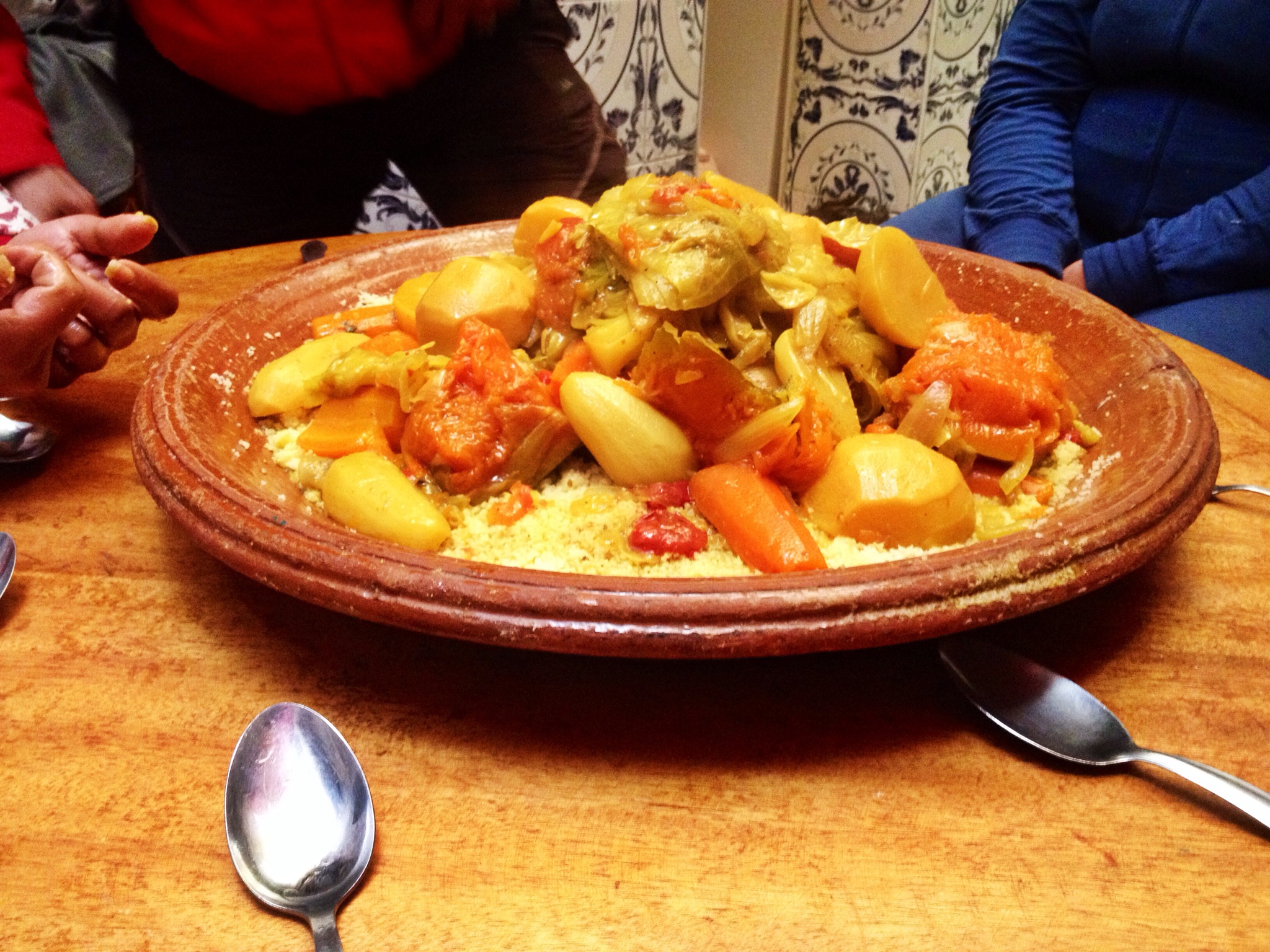
Forget fancy restaurants and expensive tasting menus.
In Morocco, one of the country’s most emotional food moments often happens at home, around one giant plate.
Friday couscous is not just lunch.
It is family.
It is tradition.
And for millions of Moroccans, it is the meal that still feels like home.
The Friday Table Means Something
Across Morocco, Friday has a special rhythm.
People finish prayers.
Families gather.
The smell of steamed couscous, vegetables, chickpeas and slow-cooked meat fills the house.
Then the big plate arrives.
In Casablanca, Rabat, Tangier, Marrakech and small villages across the country, the feeling is instantly familiar.
This is not food you rush.
This is food you sit down for.
Couscous Is Bigger Than A Dish
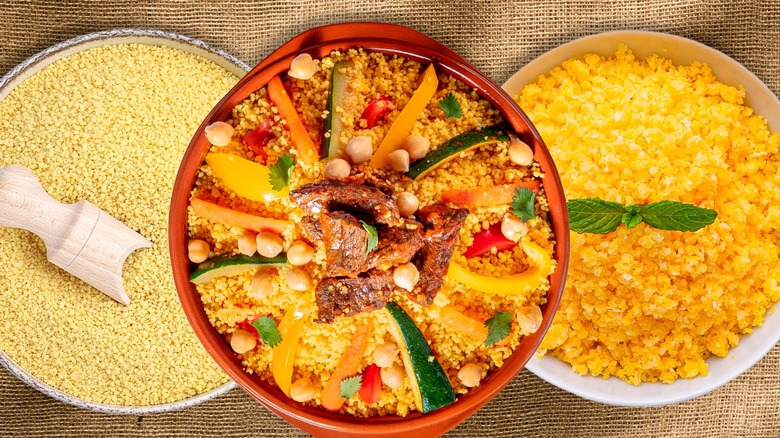
Couscous may look simple to outsiders.
Tiny grains.
Vegetables.
Meat.
Broth.
But Moroccans know it is much more than that.
It is time.
It is patience.
It is hands working in the kitchen long before the family sits down.
The knowledge and practices around couscous were added to UNESCO’s Representative List of the Intangible Cultural Heritage of Humanity in 2020, through a joint nomination by Morocco, Algeria, Tunisia and Mauritania.
That tells you everything.
This is not just lunch.
This is heritage.
Seven Vegetables, One Big Emotion
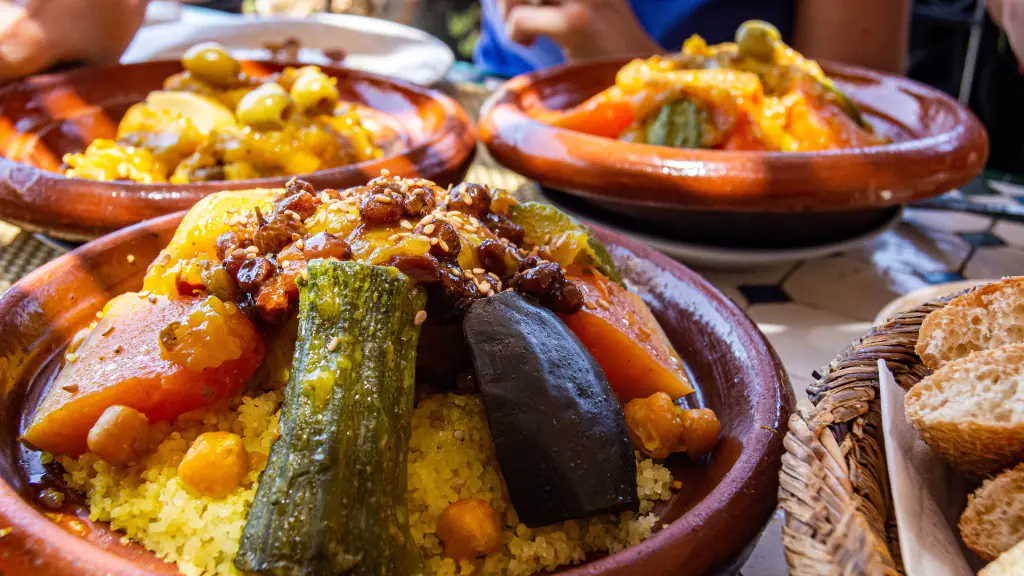
One of the most famous versions is couscous with seven vegetables.
Carrots.
Pumpkin.
Courgette.
Turnip.
Cabbage.
Chickpeas.
Onions.
Every family has its own way of doing it, and every mother or grandmother believes hers is the best.
That is part of the charm.
The recipe matters.
But the memory matters more.
The Plate Brings Everyone Together
The magic of Friday couscous is not only the flavour.
It is the way people eat.
A large shared plate can turn lunch into a family event.
Children, parents, grandparents, guests and neighbours all understand the meaning.
You do not just eat couscous.
You gather around it.
In a world where people eat fast, alone and distracted, that feels powerful.
For Tourists, It Feels Like A Secret Door
Tourists can eat couscous in restaurants across Morocco.
But the real dream is being invited into a Moroccan home for Friday lunch.
That is when visitors understand the difference.
The food tastes better because the moment is warmer.
The plate is bigger.
The welcome is deeper.
The tea comes after.
And suddenly, Morocco feels less like a destination and more like a place with a heartbeat.
Marrakech Serves The Show, Homes Serve The Soul
In Marrakech, tourists can find beautiful couscous plates in riads, restaurants and rooftop dining rooms.
The photos look perfect.
The colours are rich.
The service is polished.
But many Moroccans will still say the best couscous is not in a luxury restaurant.
It is at home.
Made slowly.
Served generously.
Remembered forever.
That is the difference between eating Moroccan food and feeling Moroccan food.
The Diaspora Feels This Meal Deeply
For Moroccans living in France, Belgium, Spain, the Netherlands and the United Kingdom, Friday couscous can hit hard.
It is not only a dish.
It is childhood.
It is a grandmother’s kitchen.
It is summer in Morocco.
It is the smell of home after a long week in Europe.
Many diaspora families keep the tradition alive abroad because it connects children to something bigger than language.
Food becomes memory.
Memory becomes identity.
Why Couscous Still Beats Food Trends
Food trends come and go.
One year it is smoothie bowls.
The next it is luxury burgers.
Then it is matcha, poke, or another social media dish.
But Friday couscous does not need a trend cycle.
It has survived because it gives people something modern life often takes away.
Time together.
A shared table.
A reason to slow down.
That is why it still wins.
The Instagram Factor Is Real Too
Couscous is also incredibly photogenic.
A giant plate with bright vegetables, golden grains, tender meat and steaming broth can stop people scrolling fast.
For tourists, it looks generous and colourful.
For Moroccans, it looks familiar and emotional.
That combination is rare.
A dish that works for Instagram and still means something in real life is powerful.
The Final Whistle
Friday couscous is one of Morocco’s greatest food traditions because it does more than feed people.
It brings them back to the table.
With UNESCO recognition, seven vegetables, deep family rituals and a place in Moroccan homes from Casablanca to Tangier, couscous remains more than a national favourite.
It is the taste of belonging.