

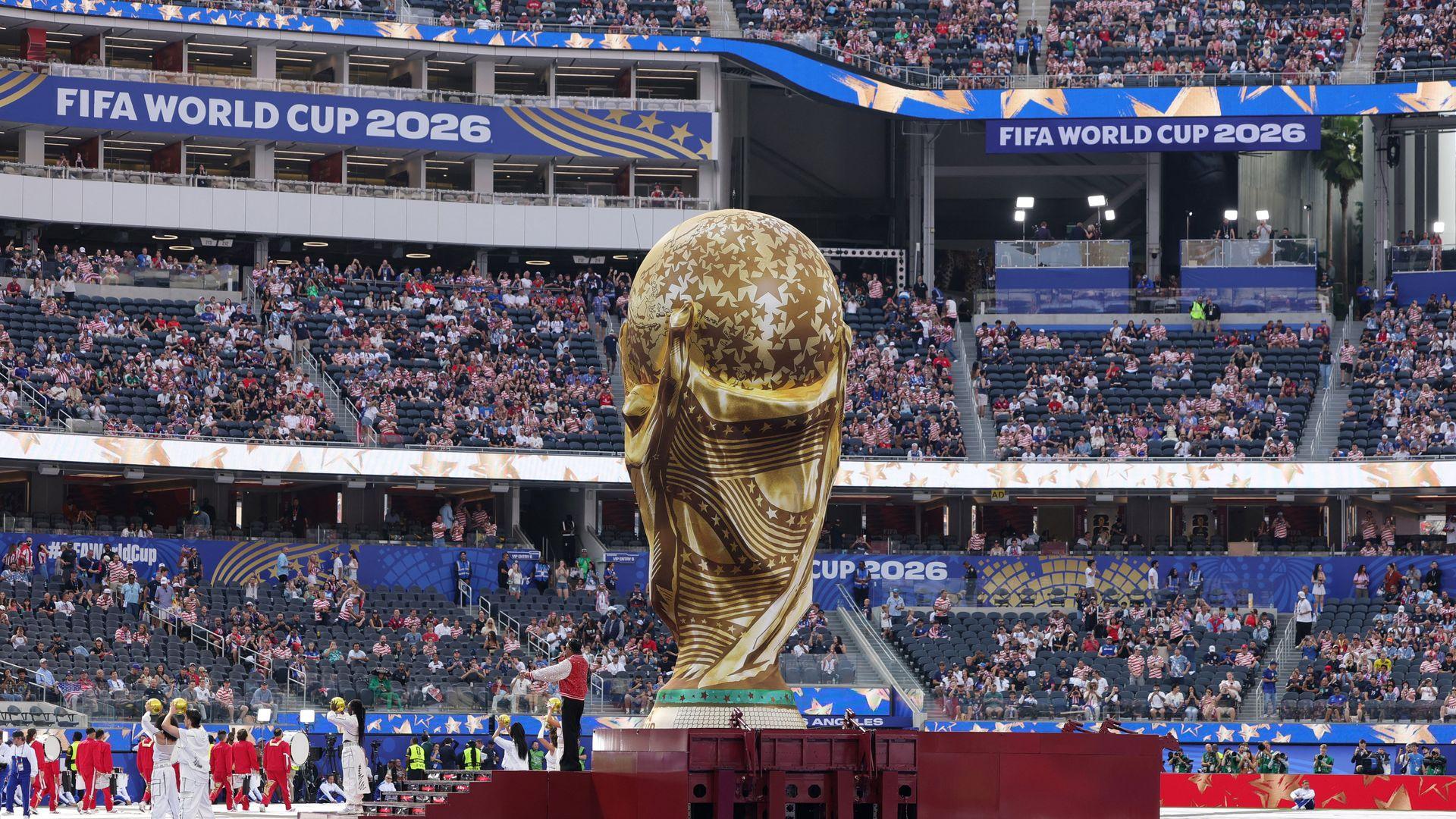
World Cup Semifinal Power is back in its purest form, with France, Spain, England and Argentina turning the final stage of the 2026 tournament into a heavyweight football summit.
After weeks of surprises, underdog runs, expanded-format debates and emotional exits, the last four have produced something brutally familiar: the giants are still here.
That does not make the tournament boring.
It makes the endgame more severe.
When the World Cup reaches this stage, sentiment loses value and football history becomes a pressure machine. France are chasing another final. Spain are trying to convert style into authority. England are carrying six decades of expectation. Argentina are defending legacy with Lionel Messi still at the centre of the global imagination.
This is not only a semifinal lineup.
It is a power structure.
World Cup Semifinal Power Returns To The Big Nations
The World Cup Semifinal Power story matters because the 2026 edition began with a wider field and more room for smaller nations to make noise.
The 48-team format gave more countries visibility, more fans a stake in the tournament and more federations a platform to measure themselves against the elite. That was one of the promises of expansion.
But the final stage has delivered an old truth.
Depth still wins.
Tournament intelligence still wins.
Big squads still matter.
Football heritage still carries weight when the pressure becomes suffocating.
The expanded World Cup may have opened the door wider, but the last room is still guarded by countries with deeper talent pools, stronger tournament cultures and players used to decisive nights.
France Look Like The Most Complete Machine
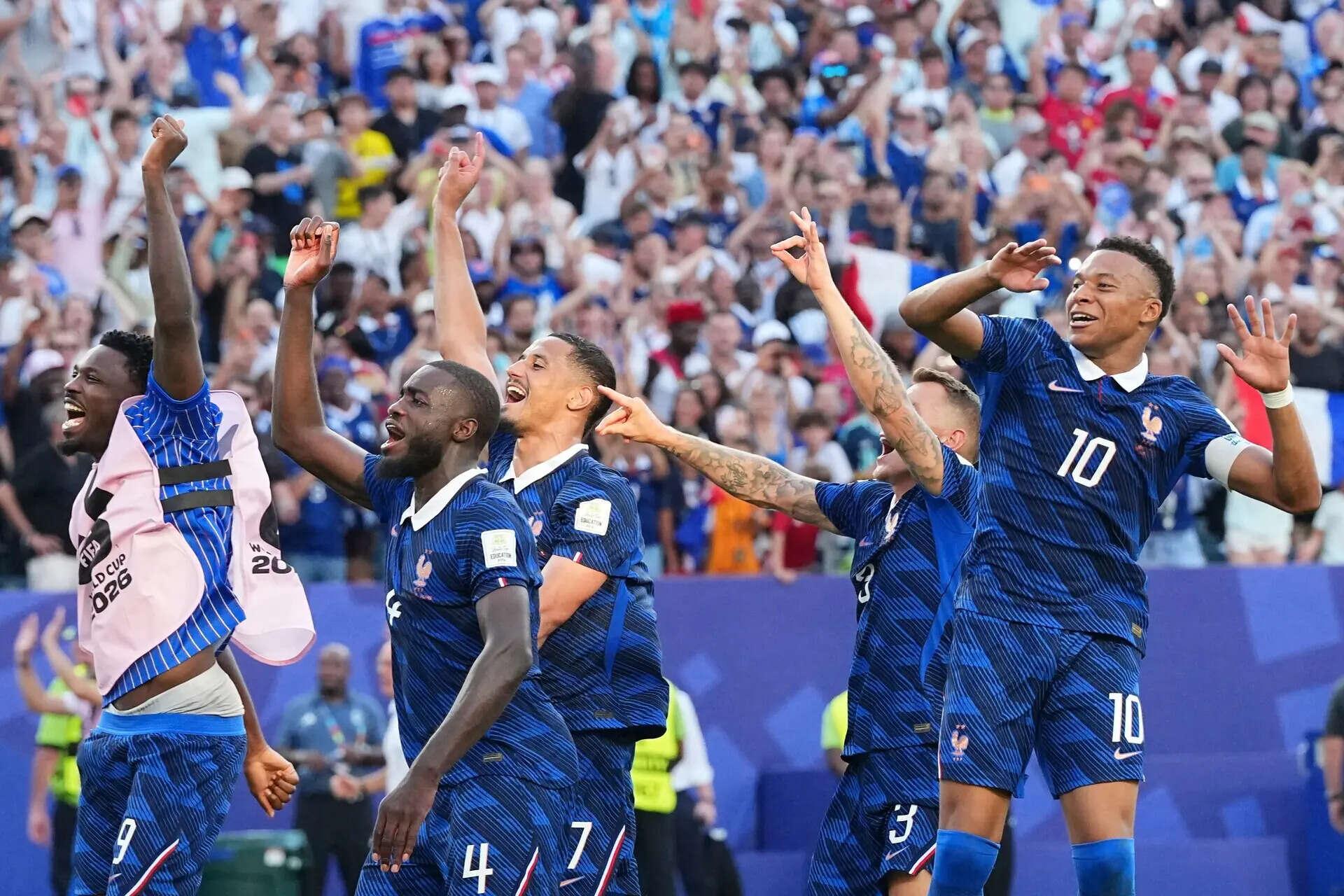
France arrive at the semifinal stage with the cold authority of a team that knows how to survive tournament football.
This is no longer just a side built on individual stars. It is a team with balance, speed, structure and enough attacking danger to punish opponents in short windows. Mbappé and Dembélé give France a frightening edge because they do not need long domination to change a match.
That is what makes France so dangerous.
They can look controlled without being passive. They can absorb phases of pressure, then turn one loose defensive line into a goal threat. Against Morocco, they showed exactly that quality: not constant chaos, but ruthless acceleration when the moment opened.
France’s biggest advantage is not only talent.
It is efficiency.
Spain Bring The Style Test
Spain offer a different version of power.
They are less about explosive punishment and more about control, circulation and technical rhythm. Their identity remains built around the ball, but this Spain is not only decorative. It has found ways to survive difficult knockout moments, including late pressure and narrow margins.
That matters against France.
A semifinal between Spain and France is not simply a match between two European giants. It is a clash between two football languages. Spain want to control the match by controlling the ball. France are comfortable allowing an opponent to feel in control before attacking space with devastating speed.
This is where the semifinal becomes tactical theatre.
If Spain slow the game down, France may be forced to defend longer than they want. If France break the Spanish rhythm, the match can turn quickly.
England Face The Weight Of History
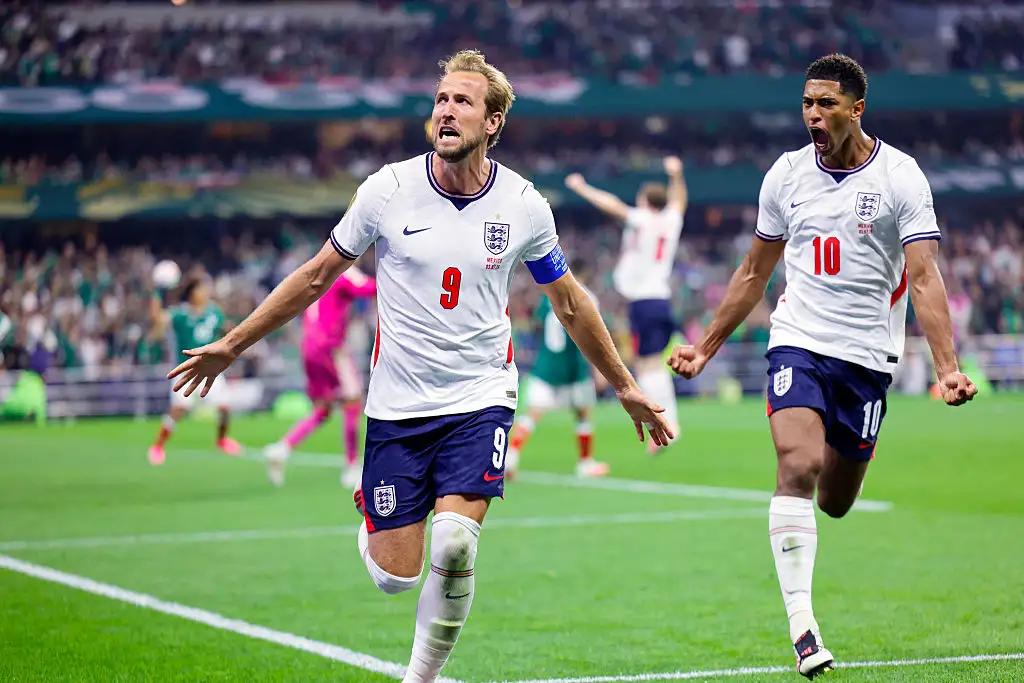
England’s semifinal against Argentina carries a different kind of pressure.
This is not only about tactics.
It is about memory.
England have spent decades trying to escape the shadow of near-misses, penalty trauma, golden-generation disappointments and the constant national expectation that football should eventually come home.
A semifinal against Argentina adds another layer.
The rivalry carries World Cup history, emotional weight and cultural memory. For England, this is the kind of match that can redefine a generation or deepen the old national wound.
The team has shown resilience to reach this point, but semifinal football asks a harder question.
Can England turn resilience into authority?
Argentina Are Still Built Around Legacy
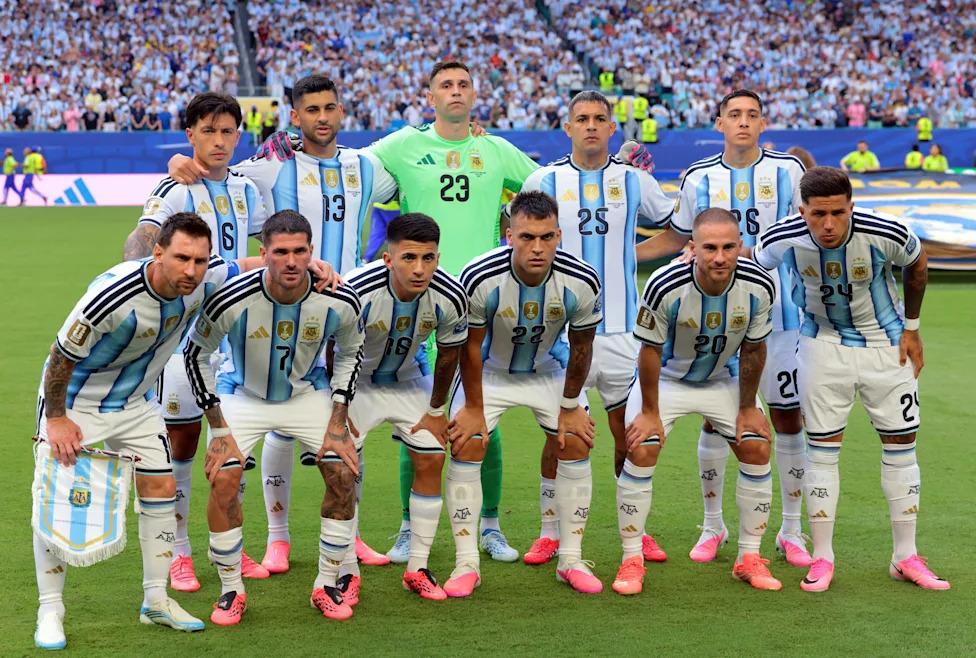
Argentina arrive with the power of a defending champion and the emotional gravity of Messi.
Even when Argentina do not dominate every match, they carry an aura that changes how opponents experience the game. There is a belief around the team, a sense that they can survive disorder and still find the decisive moment.
That is a dangerous quality in knockout football.
Argentina do not need to be perfect to be dangerous. They need to remain alive long enough for one elite action, one emotional surge or one opponent’s mistake to change the direction of the match.
Against England, that matters.
England may have structure, energy and attacking quality, but Argentina have a champion’s memory. They know what the final steps feel like.
The Expanded Format Still Ends With Elite Depth
The 2026 World Cup has tested the idea that a larger tournament can still produce a strong final phase.
The answer, so far, is yes.
The wider format allowed more countries to enter the global conversation, but the semifinal field has not been diluted. Instead, it has created a tournament that gave smaller nations more visibility before returning to a final stage defined by the deepest football systems.
That is important for FIFA.
Critics of expansion often argue that adding teams weakens quality. But a tournament can have more early variety and still finish with elite concentration. The strongest countries may not dominate every round, but their depth gives them more ways to survive.
The lesson is clear.
Expansion creates opportunity.
Depth decides the trophy.
Star Power Is Driving The Final Week
A World Cup semifinal week needs names, and this one has them.
Mbappé gives France box-office acceleration.
Dembélé gives France another layer of danger.
Spain bring technical authority and a new generation of elite performers.
England carry stars who have lived under the pressure of one of football’s loudest media markets.
Argentina bring Messi, history and the defending champion label.
This matters beyond the pitch.
The final week of a World Cup is also a media product. Broadcasters, sponsors, platforms, publishers and social media accounts all benefit when the biggest names remain active. A heavyweight semifinal field is not only good for football drama. It is good for the attention economy around the tournament.
The giants bring audience certainty.
Smaller Nations Still Changed The Tournament
The return of the giants should not erase the value of the teams that pushed the tournament earlier.
Morocco, Egypt, Norway, Switzerland, Belgium and other sides gave the World Cup texture. They created tension, expanded storylines and reminded the football world that power is never completely secure.
That is important.
A World Cup dominated only by major nations from the beginning would feel predictable. A tournament where smaller teams rise, test the elite and force harder matches becomes more interesting.
But the final stage has shown the next barrier.
It is one thing to reach the knockout rounds.
It is another to keep winning when every opponent has world-class players on the pitch and more of them on the bench.
The 2030 Message Is Clear For Morocco
For Morocco, watching this semifinal field should be useful, not painful.
The Atlas Lions have already entered the serious football conversation through their 2022 and 2026 runs. But the final four show what the next stage requires before Morocco co-hosts in 2030.
It requires more depth.
More late-game control.
More attacking alternatives.
More players who can change a semifinal-level match from the bench.
Morocco has earned respect. The next goal is to build the type of squad that can survive the final week of a World Cup, not only reach its edge.
The giants are not unbeatable.
But they are deeper, and that remains the hardest gap to close.
The Semifinals Are Also A Brand Battle
France, Spain, England and Argentina are not just football teams.
They are global brands.
Their shirts travel. Their players dominate social media. Their matches attract neutral viewers. Their histories give every fixture a ready-made storyline. That brand power matters because modern football is consumed as drama, identity and content at the same time.
A semifinal lineup like this gives the World Cup what every global event wants: certainty of attention.
Fans may love underdogs, but broadcasters and sponsors understand the commercial power of giants. A France-Spain semifinal and an England-Argentina semifinal can sell themselves across continents before a ball is kicked.
That is the business value of football heritage.
The Final Could Become A Generational Marker
Every possible final now carries weight.
France against Argentina would revive the emotional memory of Qatar 2022.
France against England would be a European heavyweight clash loaded with rivalry and pressure.
Spain against Argentina would offer a technical and cultural duel with major historical appeal.
Spain against England would reopen recent European storylines and test two very different football identities.
That is what makes this semifinal stage so valuable.
The tournament is no longer searching for a story. It has several.
The last week now feels less like a bracket and more like a menu of global football narratives.
The Bottom Line
World Cup Semifinal Power has returned with force.
France, Spain, England and Argentina have turned the 2026 final stage into a battle of giants, proving that even in an expanded tournament, the deepest football nations still hold the strongest cards when the pressure becomes extreme.
The 48-team format gave more countries a chance to be seen. But the semifinals show that talent depth, tournament memory, star power and tactical maturity still decide the final week.
For Morocco and every rising football nation, the message is clear before 2030.
Respect is the first step.
Depth is the next one.