
The Fast Food Trust Test has arrived for Taco Bell, and it shows how quickly a food safety investigation can become a brand-confidence crisis before any final conclusion is reached.
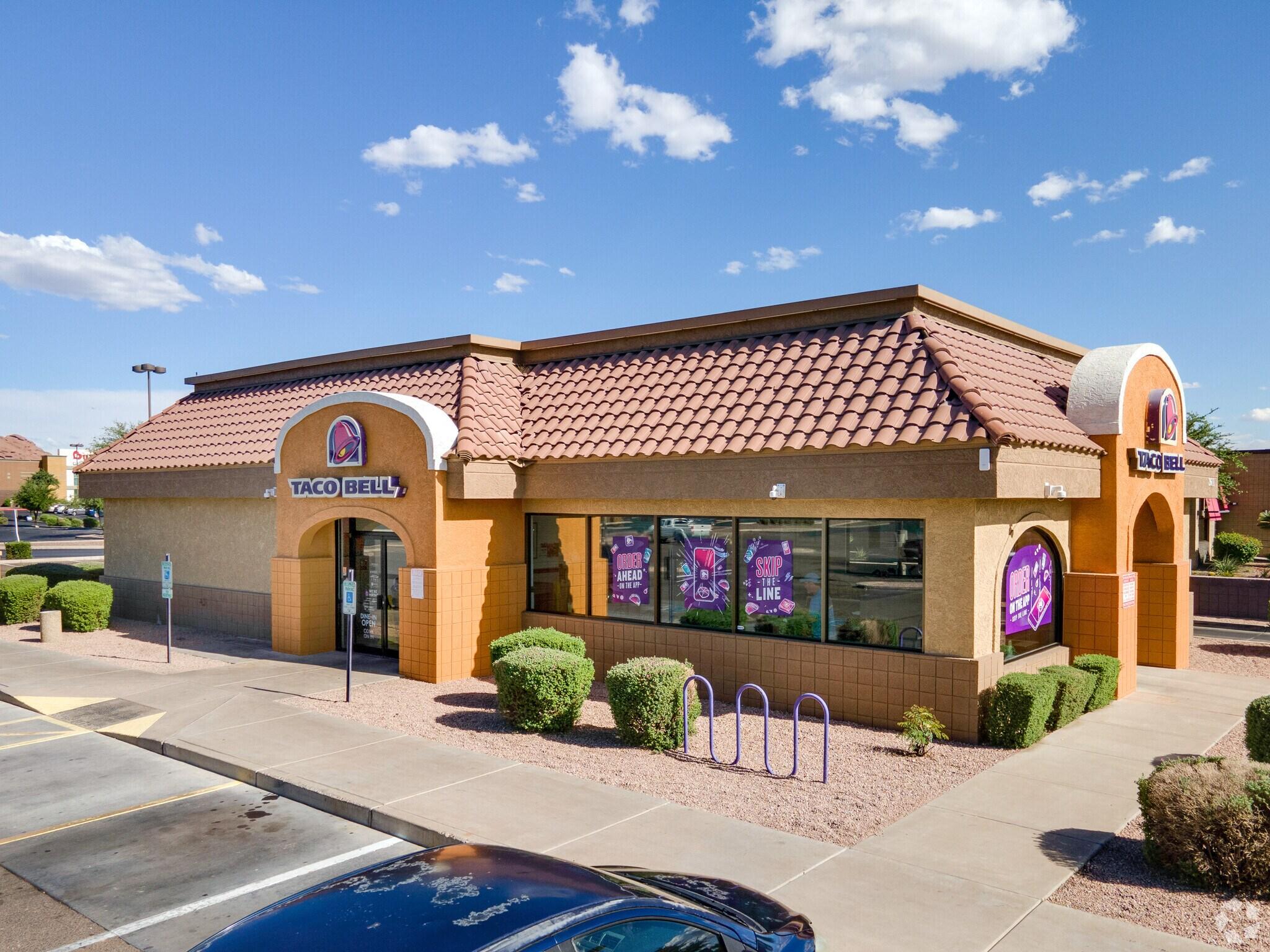
Taco Bell has removed selected menu items from certain restaurants after a rise in U.S. cyclosporiasis cases, while stressing that health authorities have not confirmed a link between the outbreak and the chain.
That distinction matters.
There is a major difference between being investigated and being proven responsible. But in the fast-food business, public perception often moves faster than laboratory confirmation, and customers rarely wait for the final epidemiology report before deciding where to eat.
Fast Food Trust Test Begins Before Proof
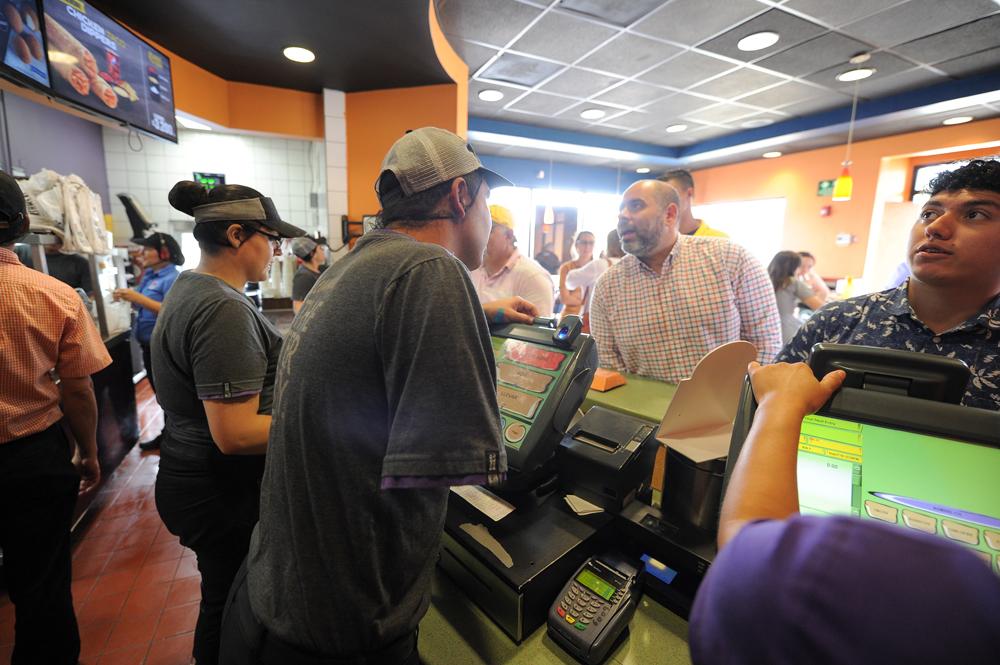
The Fast Food Trust Test matters because food brands live on routine.
Customers do not inspect supply chains before ordering. They trust that lettuce, tomatoes, onions, sauces, guacamole and fresh ingredients have moved through a system designed to keep them safe.
When an outbreak investigation enters the news, that invisible trust becomes visible.
Reuters reported that Taco Bell has proactively removed certain items from selected restaurants following a rise in cyclosporiasis cases across 34 U.S. states, while the CDC has not confirmed any connection to Taco Bell, a specific ingredient, supplier or location.
That is the difficult middle zone.
The company has not been publicly proven responsible, but it still has to act like the risk is serious.
The Numbers Make The Story Hard To Ignore
The outbreak numbers are large enough to create public attention.
Reuters reported 1,645 confirmed cases and 141 hospitalizations, with no deaths reported. The cases are concentrated heavily in states including Michigan, Ohio and New York, while additional cases remain under investigation.
For customers, the exact source may still be unclear.
But the illness count is not.
That is why the brand challenge is immediate. Even if Taco Bell is later cleared, the public conversation can still create doubt around fresh ingredients, restaurant sourcing and whether enough is known about the outbreak.
Food safety crises are rarely only about facts.
They are also about timing, fear and memory.
Fresh Ingredients Carry Fresh Risk
Fast food has changed.
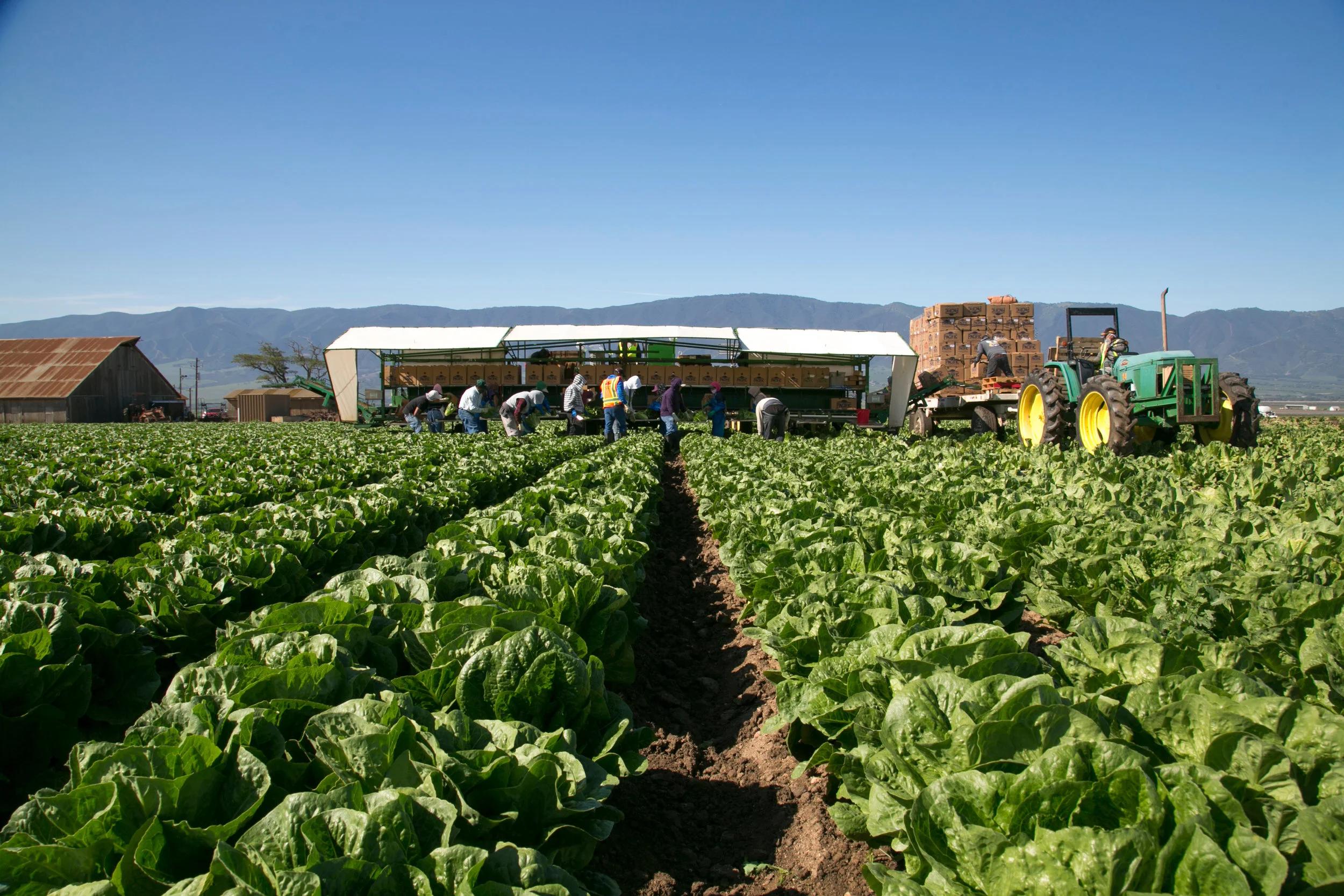
The old image of fast food was mostly fried, frozen and heavily processed. Today, major chains also sell freshness: lettuce, tomatoes, herbs, onions, pico de gallo, guacamole, salads and bowls that feel lighter and more modern.
That shift is commercially useful.
It helps brands look healthier, more flexible and more appealing to younger consumers.
But fresh produce brings a different risk profile. Leafy greens, herbs and raw vegetables can be harder to protect than ingredients that are cooked at high temperatures. If contamination enters the supply chain before the product reaches the restaurant, the chain may not detect it quickly enough.
Freshness sells trust.
It also demands stronger control.
Taco Bell’s Defensive Move Is Strategic
Removing selected items is a defensive business decision.
If the company waits and a link is later confirmed, it may be accused of moving too slowly. If it removes items before proof, it may create anxiety among customers and investors. Either path has risk.
Taco Bell appears to have chosen caution.
That may protect customers and reduce legal exposure, but it also confirms to the public that the company sees the situation as serious enough to change operations.
This is the paradox.
A responsible precaution can still make the brand look vulnerable.
That is why communication becomes essential. Customers need to know what was removed, where it was removed, what is being investigated and what is still unknown.
Uncertainty creates more damage when it is poorly explained.
Investors React To Perception
Food safety does not only affect the dining room.
It affects the stock market.
Reuters reported that Yum Brands shares fell as much as 4.5% after reports that health authorities were investigating whether lettuce served at Taco Bell could be linked to the outbreak.
That reaction shows how markets price risk.
Investors understand that a food safety investigation can reduce traffic, increase legal costs, damage brand reputation and create uncertainty around suppliers. Even before responsibility is established, the possibility of association can move the share price.
The market is not waiting for guilt.
It is pricing fear.
The CDC Has Not Named A Source
The most important factual point remains this: the CDC has not confirmed Taco Bell as the source.
Reuters reported that no specific ingredient, supplier or location has been confirmed as the cause of the outbreak.
That must be said clearly.
A responsible article should not treat investigation as proof. Public health work takes time because investigators must compare cases, interview patients, test samples, trace supply chains and look for common exposure patterns.
Cyclosporiasis investigations can be especially complex because symptoms may not appear immediately and cases can be spread across multiple states.
The absence of a confirmed source does not mean there is no risk.
It means the evidence is still being assembled.
The Brand Memory Problem
Fast-food customers remember food safety failures.
They may not remember every detail, but they remember the feeling: a chain was linked to illness, ingredients were questioned, authorities investigated and consumers became cautious.
That memory can stick even when the final facts become more complicated.
The food industry has seen this before. Outbreaks linked to major brands can reshape how customers view cleanliness, supply chains and fresh ingredients for years. The damage is not only legal. It is psychological.
A brand built on convenience cannot afford to feel risky.
The moment a customer asks, “Is this safe?” the chain has already lost part of the transaction.
The Supply Chain Is The Real Story
The restaurant counter is the most visible part of the business.
The supply chain is the most important part.
A fast-food chain depends on farms, processors, distributors, cold storage, transport, regional kitchens, restaurant handling and employee training. If one point fails, the brand name at the counter carries the public damage.
This is why food safety is so difficult.
A company may have thousands of restaurants and multiple suppliers across regions. Tracing a suspected outbreak requires knowing which ingredients went where, when they arrived, how they were handled and which customers became ill.
A simple meal can sit on top of a very complex system.
Fresh Produce Needs Stronger Traceability
The Taco Bell situation underlines a wider food-industry issue: traceability.
When an outbreak involves possible fresh produce, investigators need speed. They must identify farms, batches, distributors and locations before more people become sick. Delays can allow contaminated products to stay in circulation or make evidence harder to reconstruct.
Technology can help, but only if the supply chain is disciplined.
Digital records, batch tracking, supplier transparency, cold-chain monitoring and faster reporting systems can all reduce uncertainty.
The public often sees food safety as a restaurant issue.
In reality, it is a data issue too.
Social Media Can Outrun The Investigation
A modern food safety story does not wait for official updates.
Customers post signs from restaurants. Local media report ingredient removals. Social accounts speculate about products. Screenshots spread faster than public-health confirmation.
That creates a dangerous information gap.
If a company does not communicate clearly, the internet fills the space with assumptions. Some may be accurate. Others may be wrong. But all of them can shape consumer behaviour before authorities finish their work.
This is why fast-food brands need crisis communication that is precise, transparent and fast.
Silence does not protect trust.
It creates a vacuum.
The Consumer Wants Simple Answers
Customers do not want a technical outbreak briefing.
They want to know three things.
Is the food safe?
Which items are affected?
Should I avoid this restaurant?
The problem is that public-health investigations rarely produce simple answers immediately. Evidence builds slowly. The source may be unclear. Different regions may face different risks. A restaurant may remove items in one market while keeping them elsewhere.
That complexity is real.
But customers still need practical communication.
A brand that explains uncertainty honestly may suffer less damage than a brand that appears vague, defensive or slow.
Food Safety Is Now A Competitive Advantage
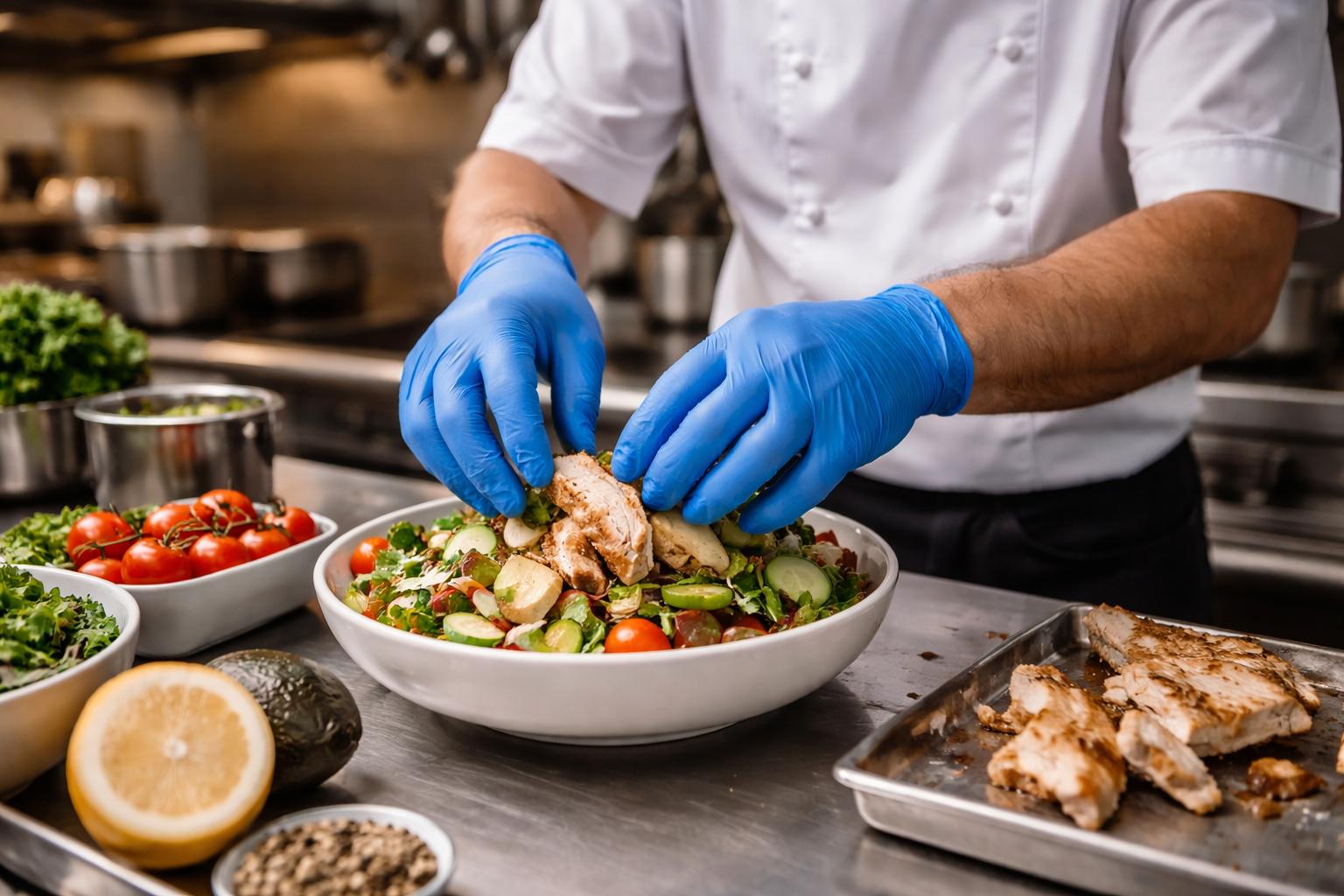
The fast-food industry often competes on price, speed, convenience and menu innovation.
Food safety should be seen as another competitive advantage.
A chain that can prove strong supplier controls, quick traceability, transparent communication and rapid precautionary action may recover more quickly from a scare. A chain that appears confused or reactive may lose trust even if the final blame lies elsewhere.
In the modern food economy, safety is not a back-office function.
It is part of the brand promise.
Customers may not notice the system when it works.
They notice immediately when it is questioned.
The Bottom Line
The Fast Food Trust Test facing Taco Bell shows how quickly food safety uncertainty can become a brand crisis.
Taco Bell has removed selected items from some restaurants after a rise in U.S. cyclosporiasis cases, while Reuters reports that the CDC has not confirmed a link to the chain, any specific ingredient, supplier or location. The outbreak has produced 1,645 confirmed cases, 141 hospitalizations and no deaths across 34 states.
That means caution is necessary, but accusation would be premature.
The real lesson is bigger than one chain.
In fast food, trust is built quietly through supply chains, records, staff training and clean ingredients. When that trust is questioned, every removed menu item becomes more than a product decision.
It becomes a signal.