

The Hunger Data Blind Spot in the United States is turning food policy into a transparency test.
Hunger is not only measured by empty shelves, long food-bank lines or families skipping meals. It is also measured through data: surveys, household reports, state-level trends, programme participation and the ability to see whether public policy is making the situation better or worse.
That is why the cancellation of a major federal food-security survey matters.
When a country stops measuring hunger clearly, it does not make hunger disappear. It makes the consequences harder to prove.
Hunger Data Blind Spot Changes The Policy Debate
The Hunger Data Blind Spot matters because food insecurity is not always visible from the outside.
A family may still shop for groceries but buy less protein. A parent may skip meals so children can eat. A household may pay rent first and stretch food spending through the final week of the month. A worker may earn too much to look destitute but too little to absorb higher prices.
Without reliable data, these patterns become easier to miss.
Reuters reported that the termination of the longstanding USDA food security survey could make it significantly harder to evaluate the effects of cuts and changes to SNAP, the food stamp programme.
That is the core warning.
Policy cannot be judged properly when the measuring instrument disappears.
The Survey Was More Than A Statistic
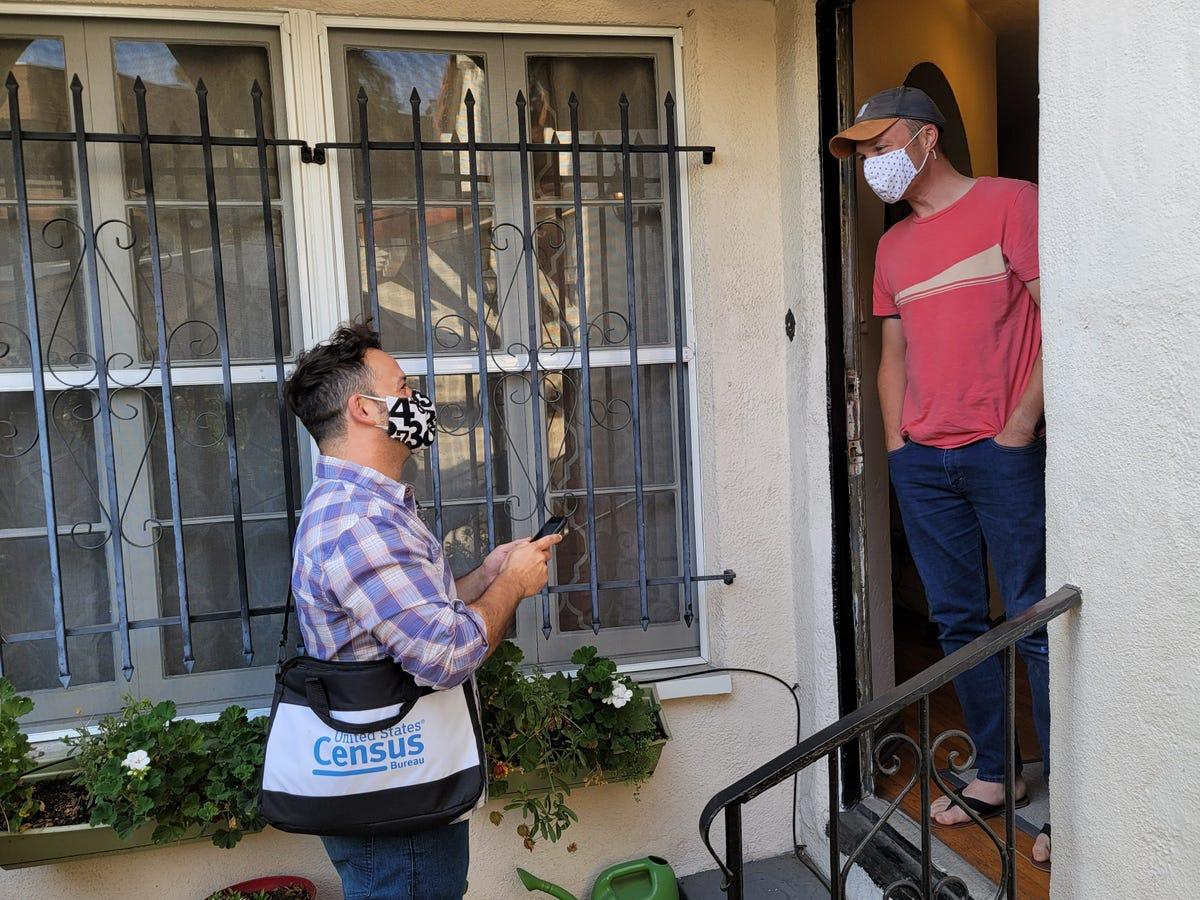
The USDA food security survey was not just another government report.
It was one of the main tools used to understand how many households struggled to access enough food, which groups were most affected and how trends changed over time.
The last available USDA data showed that 13.7% of U.S. households were food insecure, equal to 18.3 million households.
That number is important because it gives scale.
Without it, hunger becomes easier to discuss through anecdotes, ideology or selective evidence. One side can say food aid is too generous. Another can say hunger is rising. But without consistent measurement, the argument becomes more political and less empirical.
A serious country needs numbers before slogans.
Food Insecurity Is A Household Pressure Story
The phrase “food insecurity” can sound technical.
The reality is simple.
It means households do not always have reliable access to enough food for an active and healthy life. It can involve reduced meal quality, smaller portions, anxiety about groceries or actual meal skipping.
That makes it different from famine.
In wealthy countries, hunger often appears as hidden strain rather than public collapse. People may still work, pay bills and participate in daily life while quietly managing food uncertainty at home.
This is why surveys matter.
They capture what food-bank images alone cannot show.
SNAP Changes Need Measurement
The food-security debate is especially sensitive because of changes to SNAP.
Reuters reported that broader reforms include expanded work requirements and funding responsibilities shifting toward states, while millions have already lost SNAP benefits under the changes.
That does not automatically prove that hunger will rise.
But it makes measurement essential.
If policymakers reduce or restructure food assistance, the public needs to know what happens next. Do households adapt? Do food banks face more pressure? Do children become more exposed? Do state-level differences widen? Do working families lose support faster than expected?
These questions require data.
Without it, the country is forced to debate consequences in the dark.
The Children Question Is The Hardest One
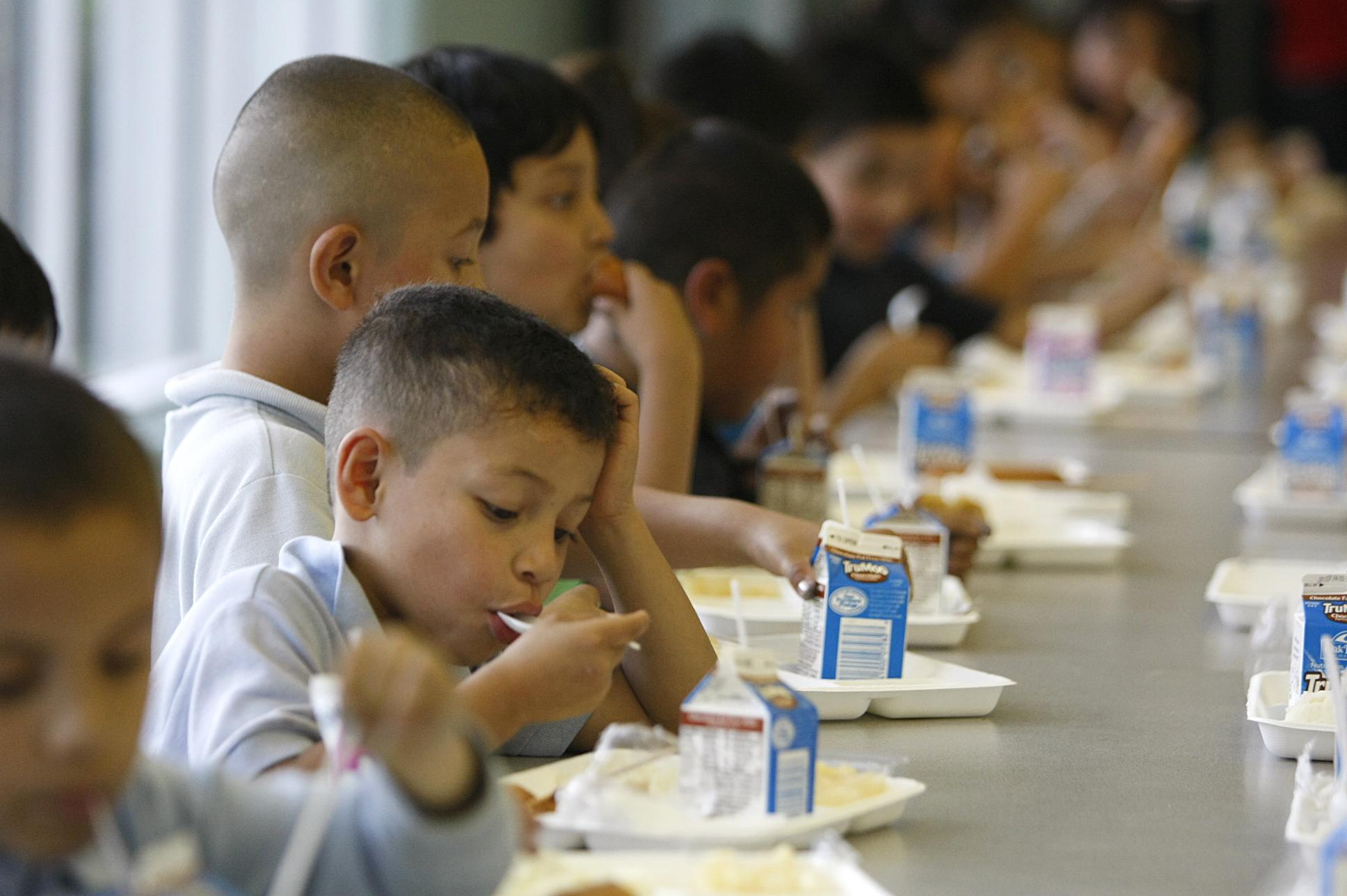
The most serious concern is children.
Food insecurity affects adults, but childhood hunger carries deeper long-term consequences. Poor nutrition can affect learning, concentration, health and family stability. A child who lacks reliable food access may carry the impact far beyond one difficult month.
That is why anti-hunger advocates are alarmed.
Reuters reported that experts believe the loss of the survey will make it harder to evaluate hunger trends, especially among children.
This is where the issue becomes morally sharper.
If a policy change affects adults, the debate is already serious. If it affects children and the country cannot measure it properly, the problem becomes bigger than budget politics.
It becomes a failure of visibility.
Other Data Cannot Fully Replace It
Officials may argue that other surveys and administrative data still exist.
That is true.
But replacement data is not always equivalent. A survey built over decades creates consistency, comparability and trust. It allows analysts to compare years, states, groups and household types using a stable methodology.
If that continuity is lost, trend analysis becomes weaker.
Food insecurity is not only about counting people enrolled in programmes. Some households may need help but not receive benefits. Others may receive benefits but remain food insecure. Some may rely on food banks, informal family support or debt.
A benefits database can show participation.
It cannot always show hunger.
States May Start Measuring Alone
One likely result is fragmentation.
If federal measurement weakens, some states may try to build their own food-security monitoring systems. Reuters noted that states such as Maine are taking independent steps to continue tracking food insecurity.
That may help locally.
But it also creates a national problem.
If each state measures differently, comparisons become harder. One state may produce strong data. Another may produce limited data. Some may not measure at all. The result is a patchwork of information in a country where food aid policy already varies by state capacity and politics.
A national problem needs a national baseline.
Food Banks Will Feel The Data Gap
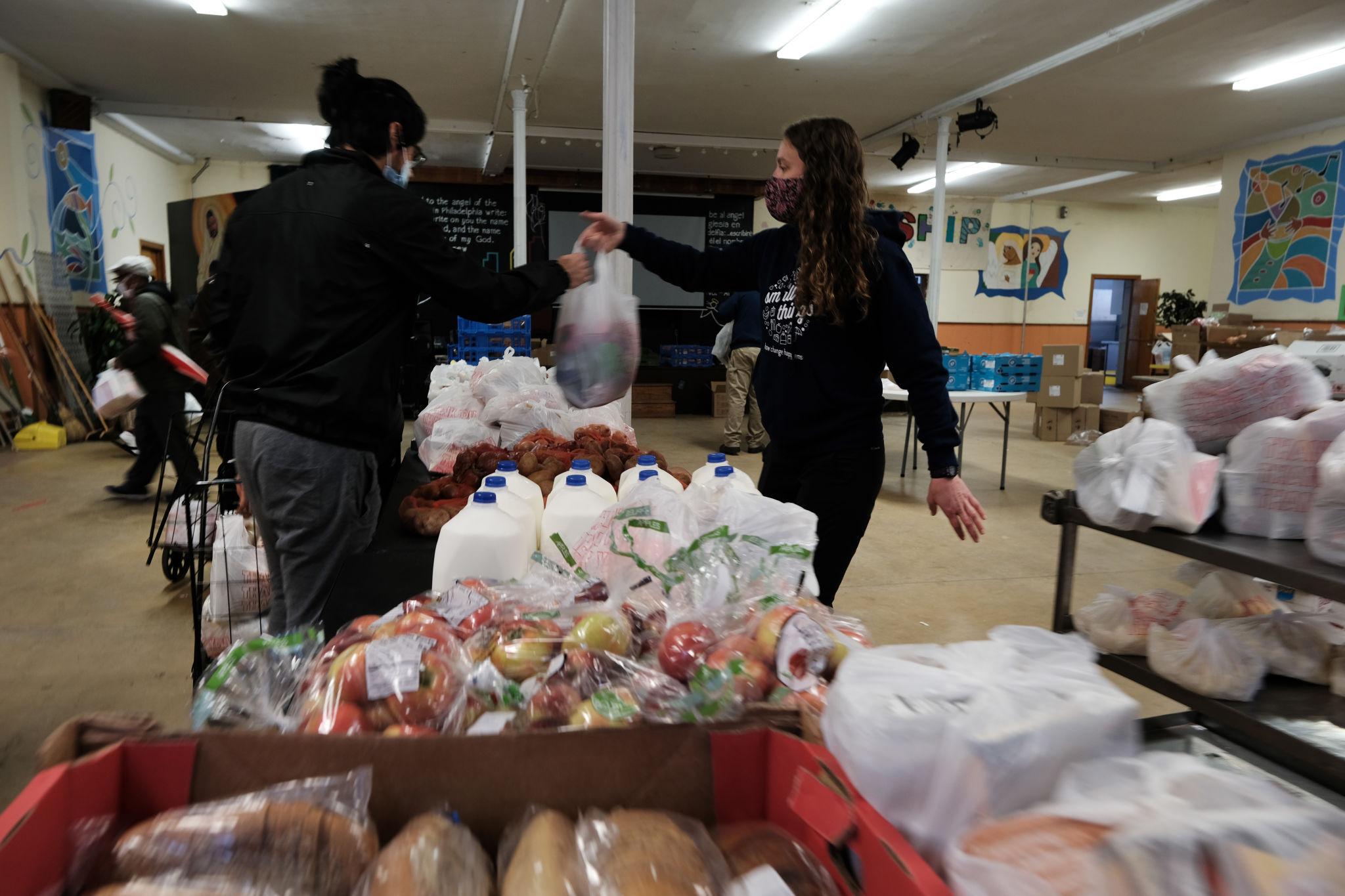
Food banks do not only distribute food.
They also plan.
They need to know where demand is rising, which groups are under pressure, how policy changes affect household need and whether local supply can match local hunger.
If official data weakens, food banks may rely more heavily on their own intake numbers and local reports. That information is useful, but it is incomplete. Food-bank usage measures people who reach the system. It does not capture everyone who is hungry but does not seek help.
This creates a visibility gap.
The people least connected to services may become the hardest to count.
Inflation Made The Problem Harder
Food insecurity has also been shaped by inflation.
Higher grocery prices can push households into difficult choices even when employment looks stable. A family may technically have income, but if rent, fuel, healthcare and food all rise faster than wages, the grocery budget becomes the place where pressure shows.
This is why hunger cannot be measured only through unemployment.
A low unemployment rate does not mean every household can afford food comfortably. Working poverty can produce food insecurity without fitting older images of poverty.
The survey helped capture that reality.
Without it, the economic debate becomes too narrow.
Data Is A Form Of Accountability
The deeper issue is accountability.
Governments collect data not only to inform themselves, but to allow the public to judge whether policy is working. If a food programme is cut and hunger rises, the public should know. If reforms save money without increasing hunger, the public should know that too.
Data protects both sides of the debate.
It prevents critics from exaggerating.
It prevents governments from hiding failure.
That is why the Hunger Data Blind Spot is dangerous. It weakens the country’s ability to separate political claims from lived outcomes.
The Global Lesson Is Wider
This is not only an American story.
Every country faces the same temptation when uncomfortable social indicators rise: question the metric, delay the release, replace the survey or narrow the definition.
But serious governance requires the opposite.
When pressure rises, measurement should become stronger, not weaker. Food security, poverty, housing stress, discrimination, health outcomes and unemployment all require reliable data because they touch the parts of society with the least power to force visibility.
The weaker the household, the more important the measurement.
A government that stops looking does not reduce the problem.
It reduces the evidence.
Morocco And Other Countries Should Watch Carefully
For Morocco and other emerging economies, the American debate carries a useful warning.
Food security is not only about supply. It is also about affordability, household income, public support, rural resilience, school meals, inflation and reliable measurement.
A country can have food in markets while families still struggle to buy enough of it.
That distinction matters.
Morocco, like many countries, faces pressure from global food prices, climate stress, water scarcity and household purchasing power. The lesson from the U.S. data debate is simple: if food insecurity becomes harder to measure, it also becomes easier to ignore.
Food policy begins with visibility.
The Bottom Line
The Hunger Data Blind Spot is turning America’s food-security fight into a warning about policy without measurement.
The cancellation of the longstanding USDA food security survey comes at a sensitive moment, as SNAP changes reshape assistance and the last USDA data showed 13.7% of U.S. households were food insecure.
The issue is not only whether one survey continues.
The issue is whether a country can still judge the human impact of its own policy decisions.
Hunger hidden by weak data is still hunger.
It is just harder to prove.