

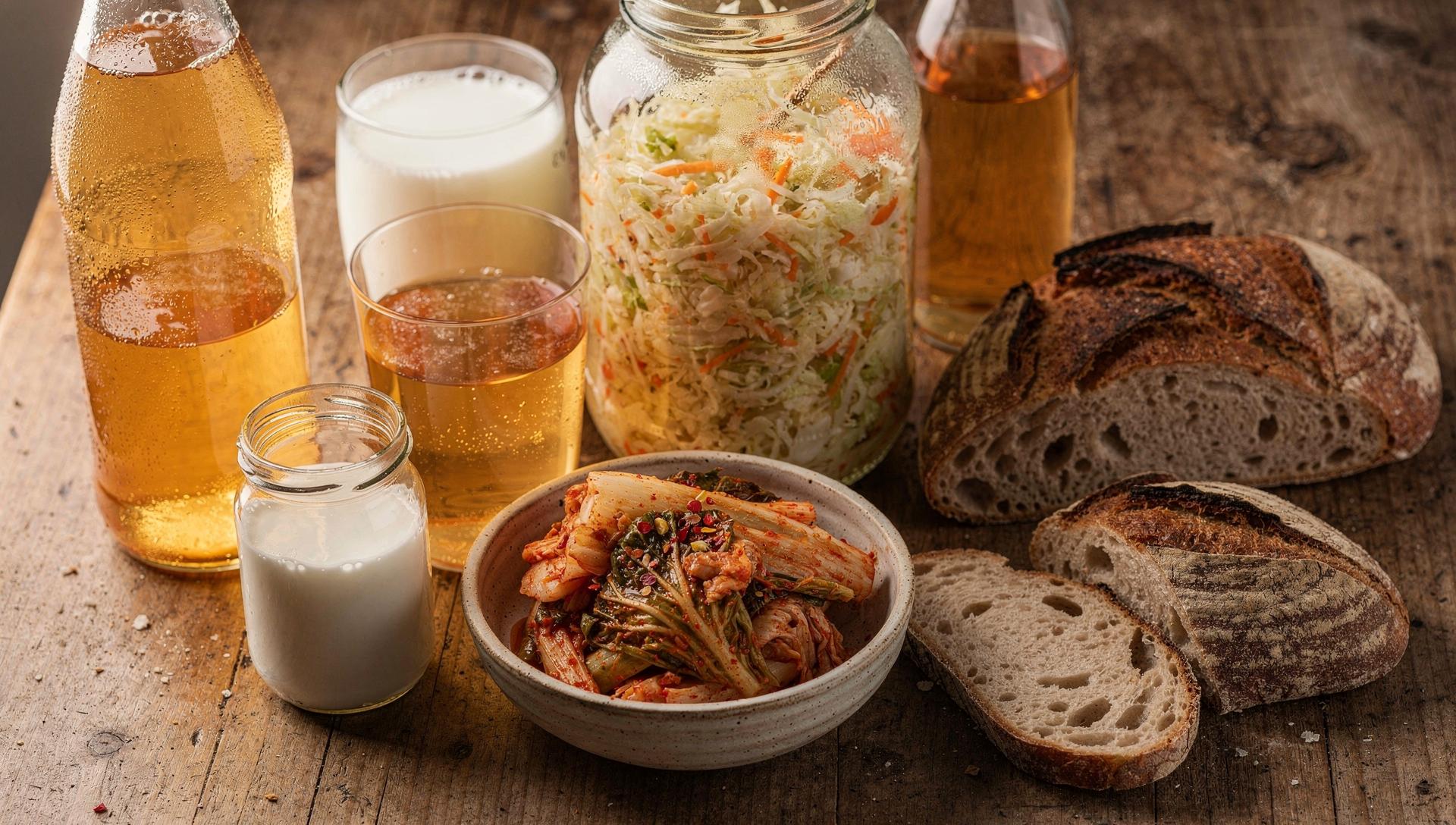
The Fermented Food Boom is turning old food traditions into one of the most powerful modern trends in eating.
Kimchi, yogurt, sauerkraut, kefir, kombucha, miso and other fermented products are no longer sitting quietly in traditional kitchens or specialist health shops. They are moving into supermarket shelves, café menus, wellness routines, restaurant bowls and social media feeds.
The strange part is that the food is not new.
The story around it is.
For centuries, fermentation was about preservation, flavour and culture. In 2026, it has become a language of gut health, immunity, energy, digestion and lifestyle status.
That is why this boom matters.
It is not only changing what people eat.
It is changing why they believe they are eating it.
Fermented Food Boom Moves From Tradition To Trend
The Fermented Food Boom begins with a simple truth: many of the world’s most fashionable wellness foods are actually ancient.
Kimchi did not need TikTok to exist.
Yogurt did not need a wellness influencer.
Sauerkraut did not begin as a lifestyle product.
Miso, kefir, pickles and fermented vegetables were already part of long food traditions before modern brands turned them into “gut-friendly” items.
But today’s consumer is approaching them differently.
A fermented product is no longer seen only as a side dish, condiment or breakfast ingredient. It is increasingly treated as a functional food — something that should taste good while also doing something useful inside the body.
That shift has created a huge commercial opportunity.
Gut Health Became The Selling Point
The biggest driver is gut health.
Consumers are increasingly aware of the microbiome, digestion, fibre, probiotics and the connection between food and overall wellbeing. That does not mean everyone understands the science perfectly. But it does mean more people are looking at food through a biological lens.
AP reports that interest in gut health has grown alongside renewed focus on fermented foods, with experts pointing to options such as yogurt, kimchi and sauerkraut while warning that not all fermented products deliver the same benefits.
That warning is important.
A traditional fermented food with live cultures is not the same as a sugary processed drink using probiotic language as marketing.
Consumers are learning the difference.
Slowly, the category is becoming more serious.
Kimchi Has Become A Global Shortcut
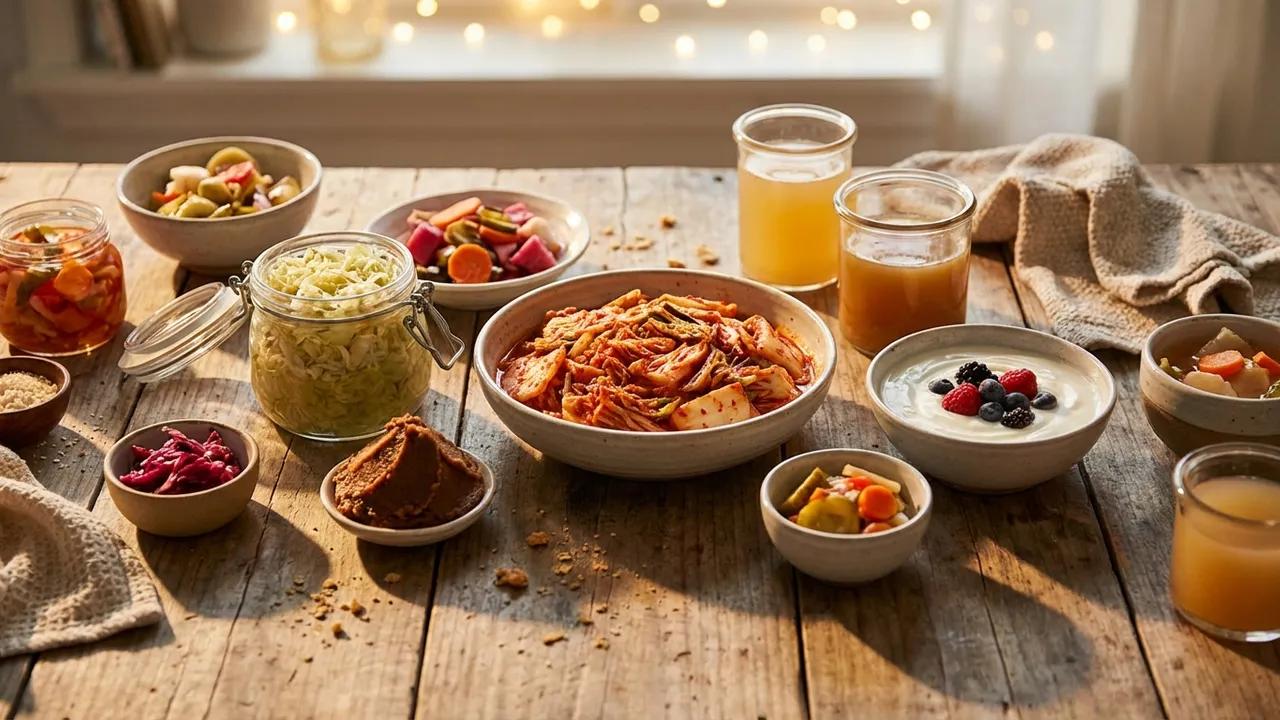
Kimchi is one of the clearest winners.
Once mostly understood outside Korea as a specialist or restaurant ingredient, kimchi is now appearing in bowls, sandwiches, burgers, rice dishes, wraps and snack formats. Its appeal is obvious: it is spicy, acidic, crunchy, colourful and connected to gut-health language.
FoodNavigator recently described kimchi as part of the future of gut-health foods, highlighting efforts to make fermented products easier to use in daily meals, including more convenient formats for consumers who may find large containers intimidating.
That is how a traditional food becomes a global product.
First, it travels through restaurants.
Then it enters supermarkets.
Then brands make it easier, smaller, cleaner, more portable and more familiar.
The food remains rooted in tradition.
The packaging becomes modern.
Yogurt Is Having A Reinvention Moment
Yogurt has always been mainstream.
But the new boom is changing how yogurt is marketed.
It is no longer only about breakfast, calcium or light snacking. It is about protein, live cultures, gut support, low sugar, natural ingredients and daily wellness.
High-protein yogurts, Greek-style products, kefir drinks and frozen yogurt revivals are all part of the same movement. They give consumers something familiar while attaching it to modern health language.
That combination is powerful.
A consumer may hesitate before buying an unfamiliar fermented vegetable. But yogurt feels safe, normal and easy. It becomes the entry point into the wider gut-health category.
For food companies, that makes yogurt a bridge.
It connects traditional dairy to the new functional-food economy.
Sauerkraut Returns With A New Image
Sauerkraut is also changing image.
For many people, it was once associated with old-fashioned cooking, sausages, winter dishes or regional European food. Now it is being rebranded as a live-culture, gut-supporting, plant-based fermented product.
That shift shows how wellness can revive an ingredient.
The food did not change dramatically.
The consumer story around it changed.
A jar of sauerkraut can now sit beside kombucha and kimchi as part of a modern digestive-health routine. It can appear in grain bowls, salads, sandwiches and premium grocery displays.
The lesson is clear.
In today’s food market, heritage can become innovation when it is framed correctly.
The Problem With Probiotic Marketing
The boom also brings confusion.
The word “probiotic” is powerful, but it is not magic. Some fermented foods contain live microorganisms. Some are pasteurised or processed in ways that reduce live cultures. Some products use gut-health language without offering much real nutritional value.
AP reports that experts advise consumers to look for products with live cultures and to be cautious with marketing hype, especially around highly processed items that claim probiotic benefits.
That is where the industry must be careful.
If every drink, snack, candy or soda starts claiming gut-health value, consumers may become sceptical. A trend built on trust can weaken if the claims become too loose.
The best brands will need transparency.
What cultures are present?
Is the product pasteurised?
How much sugar is added?
What is the serving size?
Does the food support a balanced diet, or only a marketing story?
Fermentation Is Also About Flavour
The health story gets most of the attention, but fermentation is also a flavour revolution.
Fermented foods bring acidity, depth, saltiness, umami, brightness and complexity. They can make simple dishes taste more alive. This is why chefs love them even without the wellness language.
Kimchi can lift rice or noodles.
Miso can deepen soups and sauces.
Yogurt can soften marinades.
Kefir can add tang.
Sauerkraut can cut through rich food.
Pickles can balance fat.
Kombucha can offer a sharper non-alcoholic drink option.
That is why the trend has durability.
A food trend based only on health claims can fade.
A food trend that also tastes good has a stronger chance of staying.
Restaurants Are Turning Fermentation Into Texture
Restaurants are using fermented foods not only for health but for contrast.
A modern bowl may combine warm grains, roasted vegetables, protein, sauce and a fermented topping. The fermented ingredient brings acidity and crunch. It makes the plate feel fresher and more layered.
This is particularly useful in casual dining.
A small portion of kimchi, pickles or fermented cabbage can make a simple dish feel more premium. It also gives menus a wellness signal without requiring a full nutrition lecture.
That is why fermentation appears in so many food formats.
It can be traditional.
It can be healthy.
It can be trendy.
It can be cheap to add.
It can make a dish photograph better.
Few ingredients offer that many advantages at once.
The Supermarket Shelf Is Changing
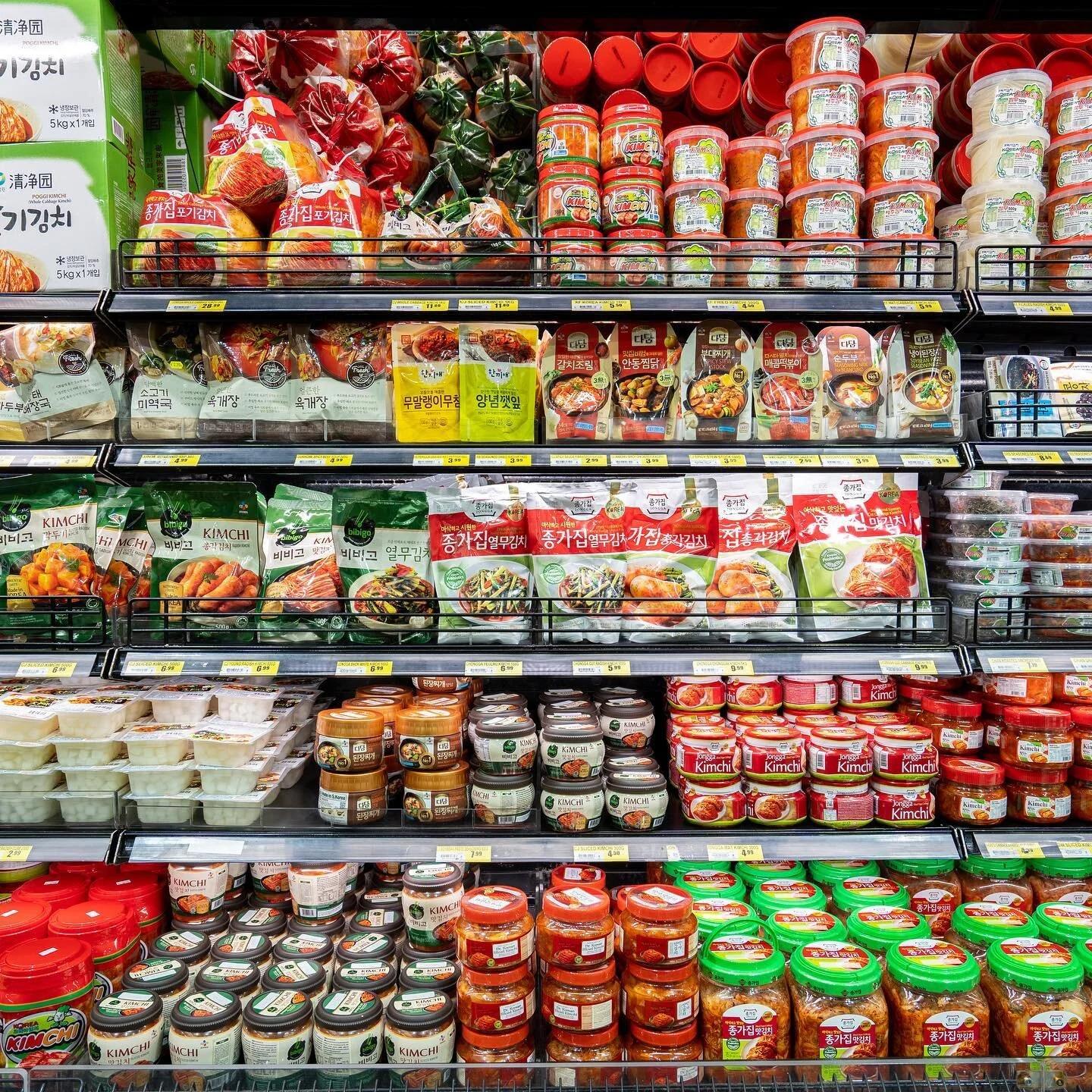
The supermarket is where the boom becomes visible.
Refrigerated sections are expanding beyond basic yogurt. Consumers now see kefir, kombucha, kimchi, sauerkraut, fermented vegetables, live-culture drinks and gut-health snacks in more places.
Packaging is becoming cleaner and more lifestyle-focused.
Labels mention live cultures, raw fermentation, probiotics, fibre, gut support, no artificial ingredients and natural preservation. Some brands lean into tradition. Others lean into wellness minimalism.
This is where competition will intensify.
If too many products claim the same benefit, brands will need to differentiate through taste, credibility, origin, convenience and price.
The category is growing.
But it is also becoming crowded.
Convenience Is The Next Growth Phase
One reason fermented foods have not gone fully mainstream everywhere is convenience.
Many consumers know kimchi, sauerkraut or miso may be good for them, but they do not always know how to use them. They may worry about strong smells, unfamiliar flavours, storage or portion size.
That is why convenience formats matter.
Smaller packs.
On-the-go servings.
Recipe-ready toppings.
Restaurant-style bowls.
Snackable fermented vegetables.
Drinkable kefir.
Ready-to-use miso sauces.
These formats remove intimidation.
FoodNavigator’s reporting on gut-health food innovation shows how companies are trying to make fermentation easier to integrate into everyday meals.
The future is not only fermented food.
It is fermented food that fits into modern routines.
The Cultural Credit Question
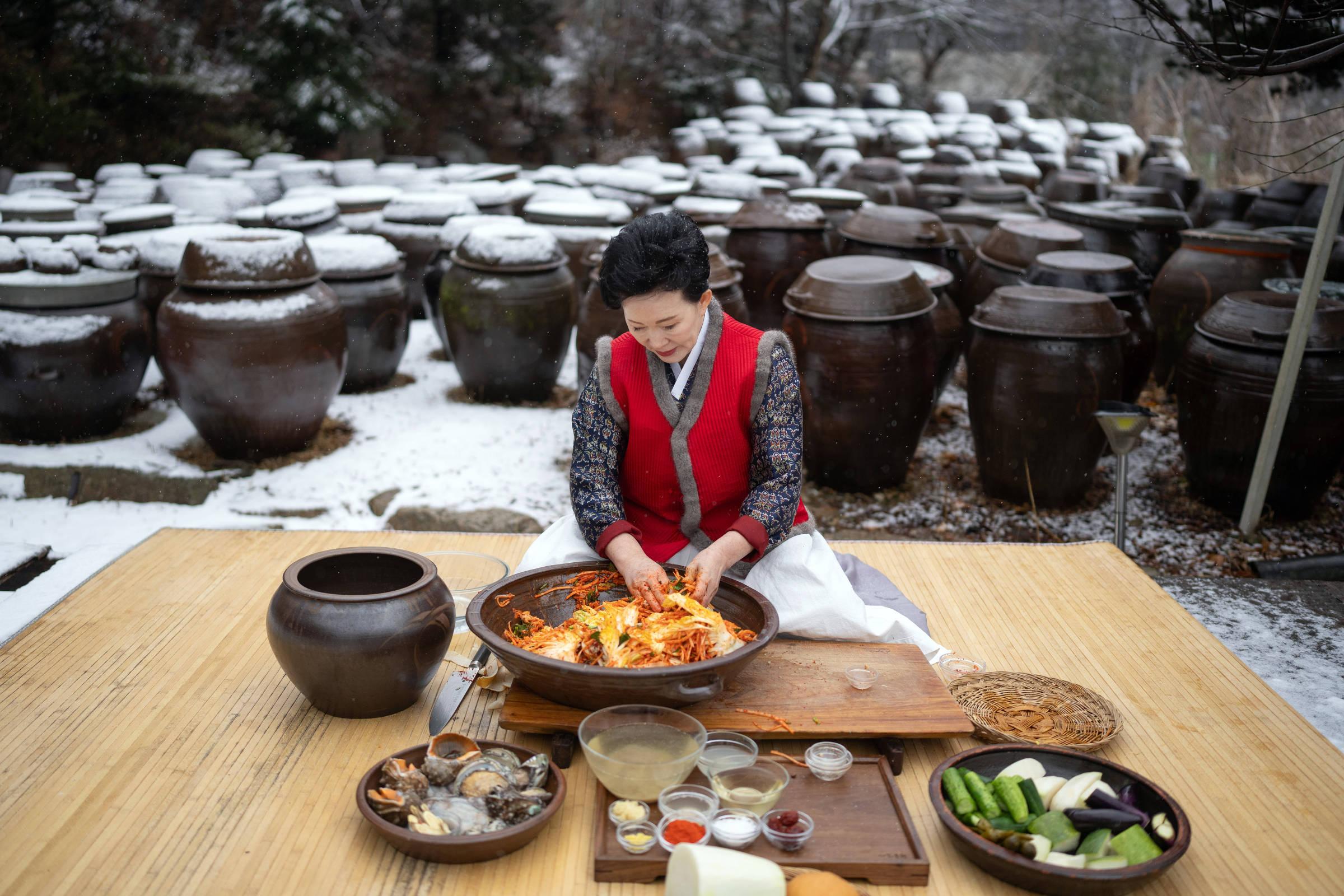
There is another issue: cultural credit.
Many fermented foods becoming trendy come from specific food cultures. Kimchi belongs to Korean cuisine. Miso is deeply rooted in Japanese food. Yogurt, kefir, sauerkraut, curtido, pickles and fermented dairy products all carry regional histories.
When these foods become wellness products, brands must avoid stripping away their origins.
A respectful food trend should acknowledge where ingredients come from, not only extract the health benefit and repackage it for premium consumers.
This matters because food culture is not a blank canvas.
It carries people, memory, migration, tradition and technique.
The best version of the fermented-food boom celebrates those roots.
The worst version turns them into generic “gut-friendly” labels.
Consumers Want Natural Functionality
The trend also fits a larger shift away from artificial wellness.
Consumers increasingly want foods that feel naturally functional. Instead of taking another supplement, they may prefer a bowl with yogurt, oats, berries, nuts and kefir. Instead of a synthetic health drink, they may choose kombucha or a fermented vegetable side.
This does not mean supplements disappear.
It means whole-food functionality is gaining power.
A food that can say “traditional,” “natural,” “fermented,” “alive,” “plant-based” and “gut-friendly” sits perfectly inside current consumer psychology.
That language feels less clinical than medicine and more credible than empty dieting.
It turns ordinary eating into something that feels purposeful.
Not Everyone Should Rush In
Fermented foods are generally part of many healthy diets, but not every person reacts the same way.
AP notes that people with weak immune systems or digestive issues may need medical advice before increasing fermented foods, and some people may initially experience bloating or discomfort as their gut adjusts.
That nuance matters.
Wellness culture often presents trends as universally good. Real bodies are more complicated. A person with gut sensitivity, certain medical conditions or dietary restrictions may need a slower approach.
The best advice is practical, not extreme.
Start small.
Choose real foods.
Watch sugar and sodium.
Build variety.
Do not treat one product as a cure.
The Boom Needs Balance
The fermented-food boom can be positive.
It can push people toward more diverse diets, traditional foods, live cultures, stronger flavours and less ultra-processed eating. It can also make food more interesting and reconnect modern consumers with old preservation practices.
But the boom can also become exaggerated.
If every product becomes a miracle gut-health solution, credibility will suffer. If brands overpromise, regulators and consumers may push back. If the trend becomes too expensive or too elite, it may lose its connection to the everyday food traditions that created it.
Fermentation works best when it remains food first.
Not a miracle.
Not a status symbol.
Food.
The Bottom Line
The Fermented Food Boom is turning kimchi, yogurt, sauerkraut, kefir, kombucha and miso into global symbols of gut health, flavour and modern wellness.
The trend is powerful because it combines tradition with science language, taste with function, and cultural food history with modern convenience. AP reports that experts support fermented foods as part of a broader fibre-rich diet, while also warning that consumers should look for live cultures and avoid believing every probiotic marketing claim.
That is the real lesson.
Fermented foods are not new.
The global obsession with them is.
And in 2026, the world is discovering that some of the most modern food trends were sitting in old jars all along.