

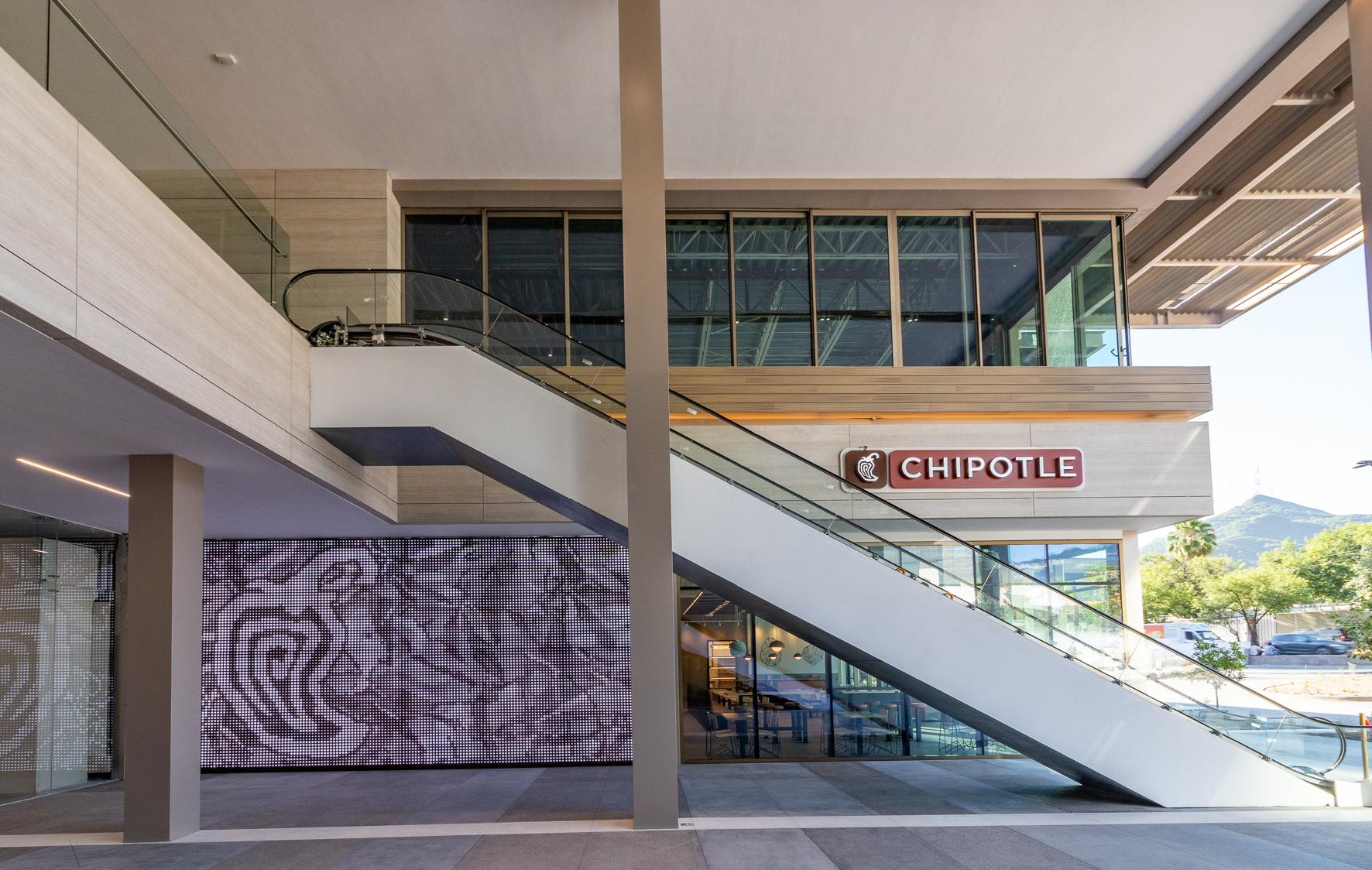
Chipotle has entered the land of the taco.
That sentence alone explains why the story matters.
The U.S. fast-casual chain has opened its first restaurant in Mexico, choosing San Pedro Garza García, an affluent suburb of Monterrey, as the starting point for one of the most delicate food-market experiments in the company’s history.
This is not just another international expansion.
It is a cultural test.
Chipotle sells a highly Americanised version of Mexican-inspired food. Mexico already has the real thing, from street tacos and local taquerias to regional dishes built through generations of culinary memory.
Now the question is simple.
Can an American burrito giant sell Mexican-style food back to Mexico?
Chipotle’s Taco Test Starts In Monterrey
The Chipotle Taco Test begins in a smart location.
Monterrey is not Mexico City, but it is a wealthy, business-driven northern city with strong links to the United States. San Pedro Garza García is one of the country’s richest municipalities, full of offices, international consumers, corporate workers and diners more likely to experiment with foreign chains.
That makes it a logical first move.
Chipotle is not starting in the most traditional food environment possible. It is starting where U.S. brand familiarity, disposable income and fast-casual habits may give it a better chance.
Reuters reported that the first Chipotle restaurant opened in San Pedro Garza García, with local interest driven by the brand’s reputation for quality ingredients and generous portions.
That is the opening bet.
Do not compete first with every taco stand in the country.
Start with consumers who already understand the U.S. fast-casual model.
Mexico Is Not An Easy Food Market
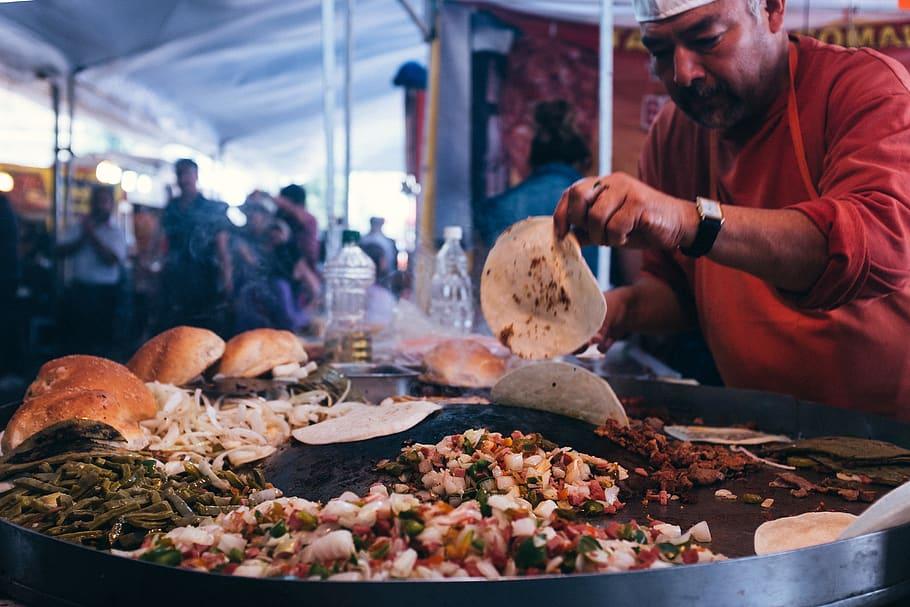
Mexico is one of the hardest places in the world for Chipotle to prove itself.
The reason is not only competition.
It is authenticity.
Mexican food is not a novelty in Mexico. It is daily life. It is memory, neighbourhood, family, street culture, regional identity and price discipline. A taco is not just a menu item. It is a reference point that consumers understand deeply.
That makes imported Mexican-style food vulnerable.
People know what real flavour should cost.
They know what tortillas should feel like.
They know which salsa has character.
They know the difference between food created inside a tradition and food inspired by that tradition for a foreign market.
Chipotle will not be judged gently.
It will be judged by people who already own the cuisine.
The Burrito Problem Is Cultural
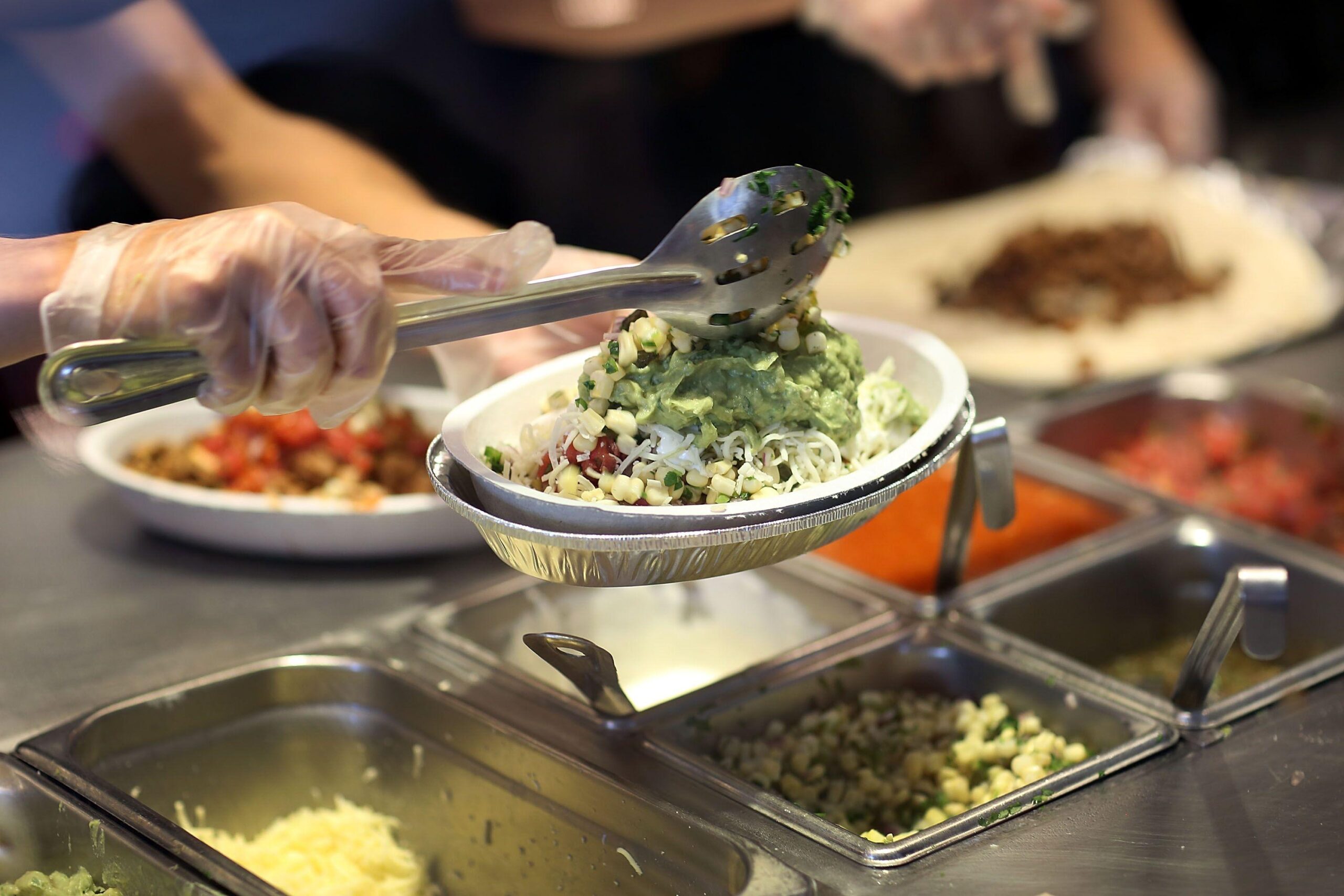
Chipotle’s core product is the burrito bowl.
That works powerfully in the United States, where fast-casual customers want customisation, portion size, protein choice, perceived freshness and convenience. A bowl can feel healthy, filling and efficient.
In Mexico, the logic is different.
Consumers already have thousands of options for tacos, tortas, quesadillas, pozole, tamales, enchiladas, chilaquiles, birria, barbacoa, cochinita pibil and countless regional dishes. Many are cheaper, more familiar and more emotionally rooted than a burrito bowl.
That does not mean Chipotle cannot work.
It means the brand cannot rely only on the idea of Mexican flavour.
It has to sell a different promise: convenience, consistency, clean branding, portion size, speed and an American-style dining experience.
In Mexico, Chipotle is not the source of authenticity.
It is the imported format.
Alsea Gives Chipotle Local Muscle
Chipotle is entering Mexico with an important partner.
Reuters reported that the local operation and expansion are being managed by Alsea, the restaurant operator behind international brands such as Domino’s Pizza, Starbucks and Burger King across Europe and Latin America.
That matters because restaurant expansion is not only about the food.
It is about real estate, staffing, permits, supply chains, training, pricing, local marketing, delivery platforms and operational discipline.
Alsea knows how to run large international brands in Latin American markets. That gives Chipotle a better chance than if it tried to enter alone with only U.S. confidence and a global brand name.
But a strong operator does not guarantee cultural acceptance.
Alsea can open the doors.
Mexican consumers decide whether the concept belongs.
Taco Bell’s Shadow Is Still There
The risk is obvious because the market has seen this story before.
Taco Bell famously struggled in Mexico, where many consumers rejected the idea of an American chain selling Mexican-style fast food back to Mexicans. The Guardian reported that Chipotle’s move sparked online derision, with critics comparing it to past failed attempts to commercialise Mexican food inside Mexico itself.
That history hangs over Chipotle.
The company is not Taco Bell. Its brand identity is different. Chipotle emphasises ingredients, assembly-line customisation and a more premium fast-casual image. It is less cartoonish and more modern.
But the cultural challenge is similar.
Mexican consumers may ask why they should pay a premium for a foreign chain’s interpretation of food they can find around the corner in more authentic and affordable forms.
That is the hard question.
The Opportunity Is Younger Consumers
Chipotle’s strongest opening may be younger urban consumers.
They are more exposed to U.S. culture, travel, social media, international brands and fast-casual dining. They may not visit Chipotle because they believe it is traditional Mexican food. They may visit because it feels global, clean, customisable and convenient.
That distinction is important.
Chipotle does not need to replace taquerias.
It needs to become another option.
A lunch for office workers.
A place for students.
A delivery choice.
A brand people recognise from TikTok, U.S. trips and American pop culture.
For younger consumers, the question may not be authenticity.
It may be lifestyle fit.
Price Will Decide A Lot
In Mexico, price matters intensely.
Chipotle’s U.S. model is premium fast casual, not ultra-cheap street food. That creates a major tension. A Mexican consumer can often find excellent local food at lower prices, with stronger cultural credibility and deeper flavour.
So Chipotle must justify the premium.
Bigger portions may help.
Clean restaurants may help.
Brand recognition may help.
Consistent quality may help.
Delivery convenience may help.
But if the price gap feels too large, curiosity may fade after the opening buzz.
The first visit can be driven by novelty.
The second visit needs value.
The Menu Must Be Familiar And Different
Chipotle’s menu challenge is subtle.
If it tries too hard to become local, it may lose what makes the brand recognisable. If it stays too American, it may feel disconnected from Mexican taste expectations.
The ideal position may be in the middle.
Keep the Chipotle format.
Respect local ingredients and preferences.
Avoid pretending to be a traditional taqueria.
Make the product feel fresh, generous and convenient.
This is what international chains often struggle to balance. Global consistency creates efficiency, but local adaptation creates acceptance.
Chipotle must be recognisable enough for the brand to matter and flexible enough for Mexico to take it seriously.
The Expansion Plan Is Ambitious
Reuters reported that Chipotle plans to open 6 to 8 additional stores in Monterrey over the next 14 months before expanding into Mexico City and eventually nationwide.
That is a serious commitment.
It also suggests Monterrey is being used as a test market.
If the brand works there, Chipotle can refine pricing, menu operations, customer feedback, delivery strategy and local sourcing before entering the much larger and more complex Mexico City market.
Mexico City would be a different fight.
More food diversity.
More national attention.
More criticism.
More opportunity.
Monterrey is the test.
Mexico City would be the exam.
Food Pride Can Be A Barrier
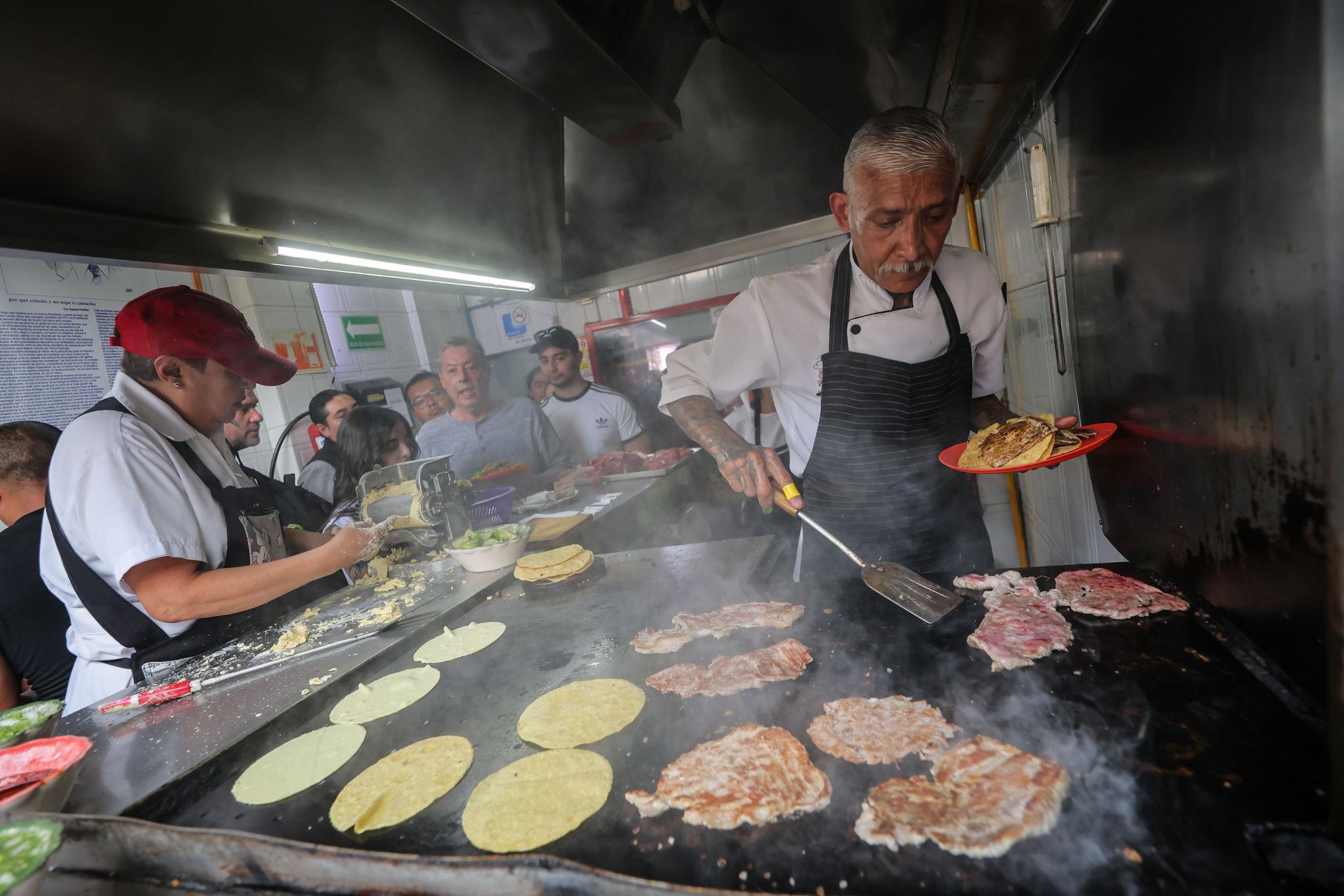
Food pride is powerful.
Many Mexicans may see Chipotle’s arrival as ironic or even insulting: an American chain bringing a simplified version of Mexican cuisine back into Mexico. That perception can spread quickly on social media.
But food pride does not always prevent foreign formats from succeeding.
Starbucks operates in countries with strong coffee traditions.
Pizza chains operate in markets with deep local food cultures.
Sushi chains sell simplified Japanese food worldwide.
The question is whether consumers see the foreign chain as replacing the original or offering a separate experience.
Chipotle’s survival may depend on making Mexicans feel it is not trying to teach them Mexican food.
It is offering a U.S. fast-casual product with Mexican inspiration.
That humility matters.
Authenticity Is Not Always The Winner
The food industry often assumes authenticity wins automatically.
It does not.
Consumers also buy convenience, branding, hygiene perception, air conditioning, digital ordering, delivery reliability, predictable portions and social status. A local taco stand may be more authentic, but a chain restaurant may feel easier for some situations.
That is where Chipotle may find space.
Not in competing with Mexico’s best tacos.
In serving consumers who want a quick, branded, customisable meal inside a clean corporate environment.
Authenticity wins the soul.
Convenience wins the weekday lunch.
Chipotle is betting on the second category.
The U.S.-Mexico Border Culture Helps
Monterrey and northern Mexico have strong connections with the United States.
Cross-border business, travel, media, retail and family ties create a consumer environment where U.S. brands can feel familiar rather than foreign. Chipotle may benefit from that.
A consumer who has eaten Chipotle in Texas or California may welcome the chance to find it at home.
A student who follows U.S. food culture online may try it for the brand experience.
A corporate worker may see it as an efficient lunch option.
This is why the launch location matters.
Chipotle is not trying to conquer Mexico in one step.
It is starting where the cultural distance may be smaller.
Supply Chain Will Be Crucial
Chipotle’s brand depends heavily on ingredients.
Freshness, meat quality, rice, beans, salsa, guacamole and consistency all matter. In Mexico, ingredient quality will be judged closely because customers know these flavours intimately.
A weak tortilla will be noticed.
A bland salsa will be punished.
A bad avocado decision will travel online.
This puts pressure on sourcing and preparation.
The company cannot simply rely on global branding. It has to execute at the ingredient level, every day, in a country where the baseline standard for Mexican food is naturally high.
That may be the toughest operational test of all.
Social Media Can Make Or Break The Launch
The first Mexican Chipotle will not be judged only inside the restaurant.
It will be judged on TikTok, Instagram, X, YouTube and local food pages. People will film the line, the prices, the bowls, the taste test, the jokes, the comparisons and the reactions.
Some content will be mocking.
Some will be curious.
Some will be supportive.
Some will compare it directly to local taquerias.
That is the reality of launching a culturally sensitive food concept in 2026.
The first customers are not only diners.
They are reviewers with phones.
Chipotle’s Global Ambition Is Bigger Than Mexico
The Mexico launch is also part of Chipotle’s wider international growth story.
Reuters reported in 2025 that Chipotle planned its Mexican entry through Alsea and was also exploring other expansion markets in the region.
That context matters.
Chipotle is a major U.S. brand, but its international presence has historically been far smaller than some other fast-food giants. To keep growing, it needs to prove that its model can work beyond the U.S. market.
Mexico is therefore both symbol and strategy.
If Chipotle can succeed in the country most capable of rejecting it, the global argument becomes stronger.
If it fails, the lesson will be equally loud.
The Bottom Line
Chipotle’s Taco Test is one of the most interesting food-business experiments of 2026.
The U.S. burrito giant has opened its first Mexican restaurant in San Pedro Garza García, near Monterrey, with plans for 6 to 8 more stores in the city before expanding toward Mexico City. Its local partner Alsea gives the chain operational strength, but Mexican food culture gives it the real challenge.
Chipotle does not need to beat Mexico’s taquerias.
It needs to prove that its American fast-casual version of Mexican-inspired food can become useful, desirable and repeatable inside Mexico itself.
That is a difficult test.
But if Chipotle can pass it, the company will have done something rare.
It will have sold Mexican-style food back to Mexico — and made Mexicans come back for more.