

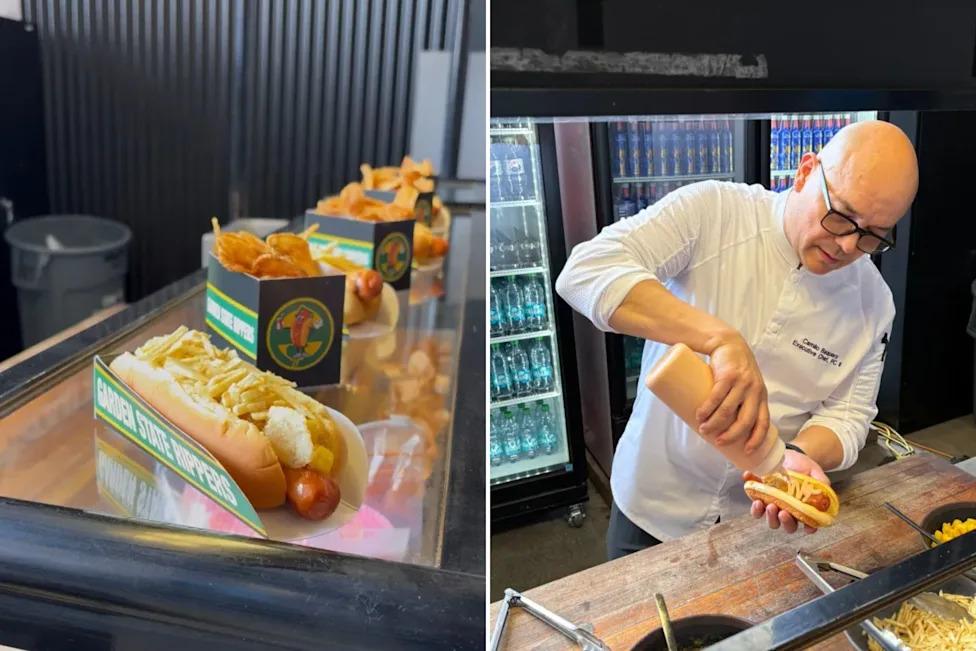
The Stadium Food Reset is changing what fans expect from a football final.
A World Cup match is no longer only about hot dogs, fries, soda and a rushed snack before kick-off. At a tournament built for global audiences, matchday food has become part of the experience: a mix of local flavour, international demand, dietary needs, premium hospitality, fast service and social media visibility.
At MetLife Stadium, Argentina and Spain will decide the world champion.
But outside the tactical battle, another story is unfolding in the stands.
What do you feed a global crowd?
Stadium Food Reset Reaches The World Cup Final
The Stadium Food Reset matters because a World Cup final brings a different kind of crowd from a normal domestic sports event.
Fans arrive from Argentina, Spain, the United States, Latin America, Europe, North Africa and far beyond. Some want familiar stadium comfort food. Others want vegetarian options, halal-style expectations, kosher food, gluten-free choices, healthier meals, premium hospitality or something that feels connected to the host city.
The official MetLife Stadium dining page lists a wide range of concessions and notes options including gluten-free, vegetarian and kosher items.
That detail matters.
The modern stadium cannot serve only one type of fan.
A World Cup final is a global dining room with 80,000-plus emotions inside it.
Matchday Food Is Now Part Of The Ticket Value
Reuters has reported that fans at this World Cup have shown a strong willingness to pay high prices for the experience, even as the tournament became one of the most expensive for spectators.
Food sits inside that same equation.
A fan paying heavily for tickets, flights, hotels and transport does not see matchday food as a small detail. It becomes part of the total value of the day. A bad meal, long queue or limited choice can damage the experience. A smooth food operation can make the event feel more professional.
This is especially true at a final.
People remember the match, but they also remember how the day felt.
The walk to the stadium.
The queue.
The drink.
The food.
The seat.
The celebration.
The exit.
Food is not the headline, but it shapes the memory.
The Old Stadium Menu Is No Longer Enough
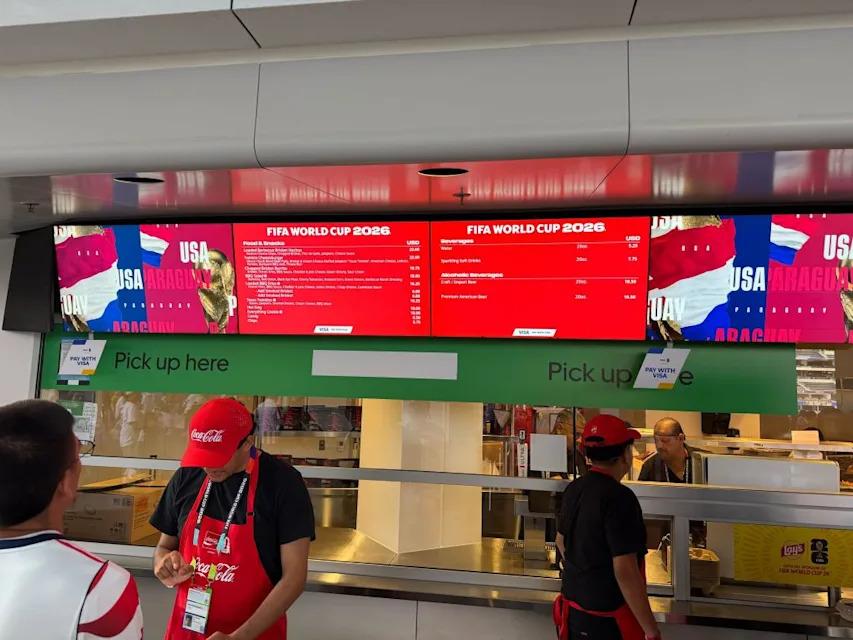
Classic stadium food still has its place.
Hot dogs, burgers, fries, chicken tenders, pizza and soft drinks are part of the American sports experience. They are fast, familiar and easy to serve at scale. MetLife’s public dining listings include traditional stadium staples such as hot dogs, sandwiches, wraps, fruit cups, coffee, soft drinks and beer.
But the audience has changed.
A World Cup crowd expects more than the minimum.
Spanish fans may look for tapas-style comfort, sandwiches, coffee and something recognisable after a long travel day. Argentine fans may want meat, empanadas, choripán-style flavours, strong coffee or food that feels close to home. American fans may expect the stadium classics. International visitors may want dietary clarity.
No single menu can satisfy everyone.
That is why flexibility matters.
Global Fans Bring Global Expectations
Food culture travels with supporters.
Argentine fans do not leave their food memory in Buenos Aires.
Spanish fans do not leave their dining habits in Madrid, Barcelona, Valencia or Seville.
Moroccan, Mexican, Brazilian, French, British and neutral fans all carry expectations shaped by their own countries and previous stadium experiences.
That makes the World Cup different from a domestic league final.
A local NFL crowd may understand the stadium’s food culture. A World Cup final crowd compares it with airports, fan zones, European stadiums, Latin American street food, New York restaurants and the food they wish they could have brought from home.
The stadium is therefore judged internationally.
A hot dog is no longer just a hot dog.
It is part of a global comparison.
The Queue Is The Real Enemy
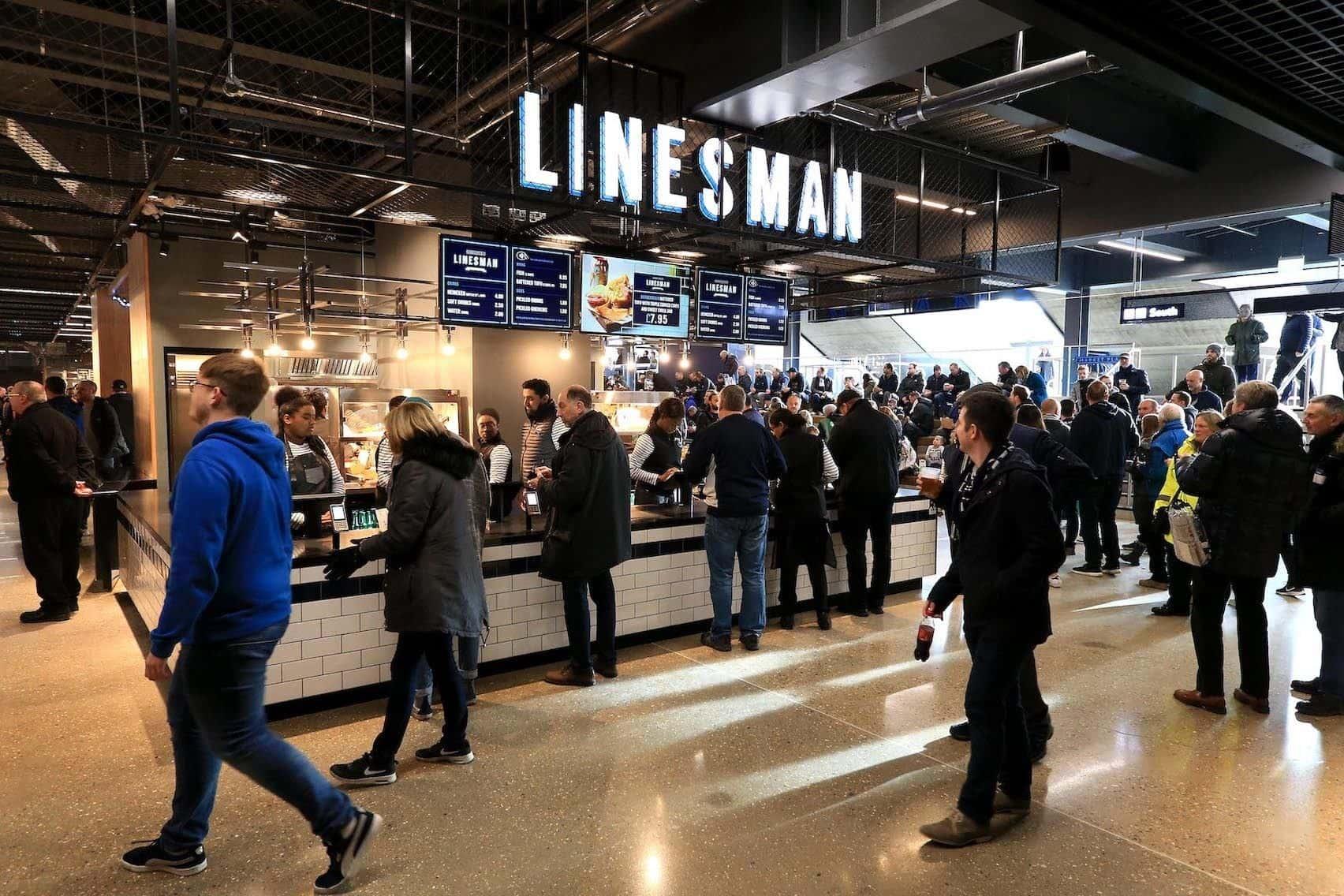
At a major final, food quality matters.
But speed matters even more.
Football gives fans fewer natural breaks than American sports. There are no long commercial pauses, no quarter breaks and no relaxed inning rhythm. A supporter who leaves the seat for food risks missing a decisive chance.
That makes queue management central.
If lines are too long, fans either miss the match or skip spending. Neither is ideal for organisers. The best stadium food operations understand that the product must move quickly, especially before kick-off, at halftime and immediately after the match.
A World Cup final does not forgive slow service.
When Messi, Yamal, Argentina and Spain are on the pitch, nobody wants to be trapped behind a concession counter.
Premium Hospitality Changes The Food Map
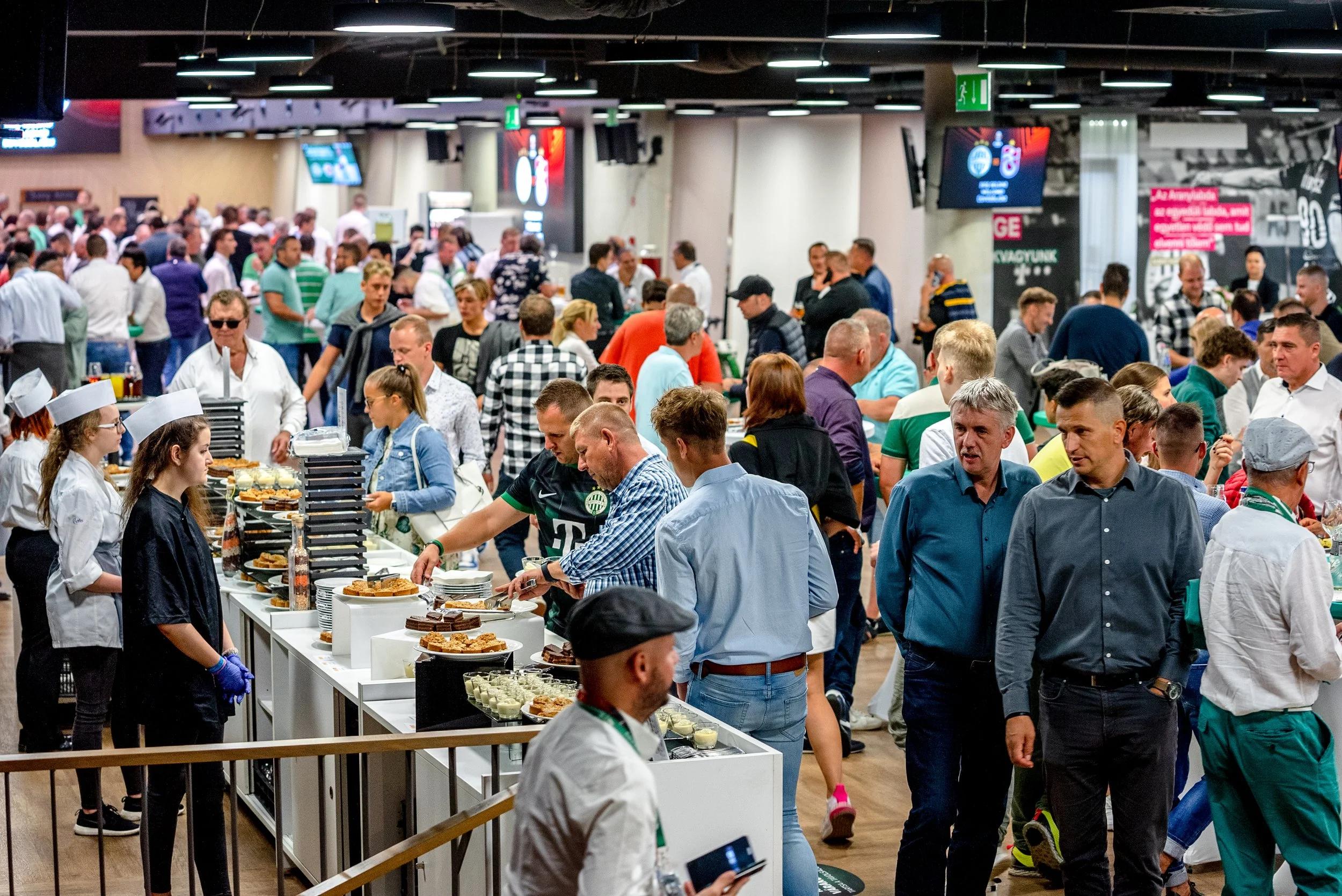
The modern World Cup final also has a strong hospitality layer.
MetLife Stadium’s event page highlights hospitality packages that include premium tickets, entertainment, food and beverage.
That creates a two-tier food experience.
Some fans eat from regular concessions, standing in lines and making quick decisions. Others enter premium spaces where food and beverage are part of the ticket product. They may get better seating, smoother service, controlled environments and a more luxury version of matchday.
This reflects a broader trend in global sport.
Food is no longer only a necessity.
It is part of segmentation.
The same stadium can serve budget-conscious fans, corporate guests, celebrities, sponsors and high-net-worth travellers in completely different ways.
The Stadium Becomes A Food Business
A World Cup final turns a stadium into a temporary food city.
Thousands of people need to be served within a short window. Suppliers must deliver. Staff must be trained. Food safety must be maintained. Alcohol rules must be controlled. Waste must be managed. Dietary information must be clear. Payments must be fast.
Business Insider notes that stadium food prices are shaped by captive demand, concession contracts and the restrictions that prevent fans from freely bringing outside food into many venues.
That is the business reality.
Once fans pass through security, the stadium controls the food economy.
That creates opportunity, but also responsibility.
If the prices feel high, the quality and service must justify the captive market.
Food Safety Becomes More Important At Scale
Serving a global final is not only a commercial operation.
It is a food-safety operation.
Temporary vendors, food trucks, catering teams and stadium kitchens must all meet rules designed to prevent contamination and illness. New Jersey guidance for temporary food vendors connected to the World Cup notes that MetLife Stadium hosted eight matches including the final and sets out planning and operational expectations for vendors.
That matters because one food-safety failure can damage the reputation of the entire event.
At this scale, food is not only taste.
It is logistics, hygiene, inspection, refrigeration, staffing and documentation.
A good final is one where nobody talks about food safety afterward.
Because that means it worked.
Social Media Makes Every Meal Visible
Fans no longer just eat stadium food.
They review it.
They film it.
They post prices.
They compare portions.
They complain about queues.
They praise unexpected dishes.
They mock expensive drinks.
They turn nachos, hot dogs, empanadas or premium boxes into content.
That changes the pressure on stadium operators.
A disappointing meal can become a viral post. An overpriced drink can become part of the event narrative. A surprisingly good local dish can become a positive story.
Food at a World Cup final is now part of the public record.
The plate is content.
The receipt is content.
The queue is content.
Local Flavour Still Matters
MetLife Stadium sits in New Jersey but markets itself through the New York-New Jersey region.
That gives the final access to one of the strongest food identities in America: deli culture, pizza, bagels, sandwiches, food trucks, immigrant cuisines, sports bars and late-night eating. Fans arriving from overseas may not know every local reference, but they expect the host region to offer more than generic stadium food.
This is where local flavour can strengthen the experience.
A stadium that reflects its region feels more memorable. A stadium that serves only anonymous global fast food feels replaceable.
World Cup food should not only feed people.
It should tell them where they are.
The Fan Zone Expands The Menu
The matchday food story does not end inside the stadium.
Fan zones, food trucks, nearby restaurants, hotel bars, pub screenings and private events all become part of the same eating economy. Some fans will eat before entering. Others will eat after the match. Some will never enter the stadium but will gather around screens with national food and drinks.
That makes the final a regional food event.
Argentine restaurants may fill.
Spanish bars may overflow.
New York and New Jersey venues may create matchday menus.
Hotels may prepare special packages.
The stadium menu is only the centre.
The wider food economy stretches across the city.
The World Cup Turns Eating Into Identity
Food at a football final is emotional.
Argentina fans may want something that feels like home before the match. Spain fans may gather around familiar flavours. Neutral fans may choose food based on the host city. Families may prioritise convenience. Luxury guests may expect polished service.
What people eat becomes part of how they experience belonging.
A sandwich can be practical.
An empanada can feel national.
A shared table can become a fan gathering.
A drink before kick-off can become a ritual.
At the World Cup, food is rarely just calories.
It becomes culture inside the matchday.
The Price Debate Will Not Disappear
Stadium food will always face criticism over price.
Fans understand that major events are expensive, but they still react sharply when food and drink feel excessive. At a World Cup final, that tension grows because many supporters have already spent heavily just to get there.
A high-priced meal can feel like the final insult after expensive tickets, transport and hotels.
But organisers also know that demand remains strong. Reuters reported that FIFA had won the battle for fans’ wallets during a pricey World Cup, with supporters still paying heavily for access to the tournament.
That is the uncomfortable truth.
Fans complain.
Fans still pay.
The question is how long that balance can hold without damaging the feeling that football belongs to ordinary people.
The Future Stadium Menu Will Be More Flexible
The 2026 final points toward the future.
Stadiums will need faster ordering, clearer dietary labels, more local food, better vegetarian choices, more premium hospitality, stronger food-safety systems and menu options that can serve global crowds without slowing the event.
Technology will likely play a bigger role.
Mobile ordering.
Cashless payments.
Queue tracking.
Pickup zones.
Digital menus.
Language-friendly signage.
All of these can reduce friction.
The goal is simple: feed more people better, faster and with fewer mistakes.
At a global final, food operations are no longer background.
They are part of event design.
The Bottom Line
The Stadium Food Reset shows how matchday eating has become part of the World Cup experience.
At MetLife Stadium, the final between Argentina and Spain brings together global fans with different tastes, dietary needs and expectations. The stadium’s official dining information highlights a wide concession offer, including gluten-free, vegetarian and kosher options, while premium hospitality packages turn food and beverage into part of the luxury matchday product. The food will not decide the final.
But it will shape how thousands of supporters remember the day.
In modern football, the match is still everything.
But the menu now matters.