
Morocco’s return to stronger rainfall has changed the agricultural outlook, but it has not removed the country’s structural exposure to food insecurity.
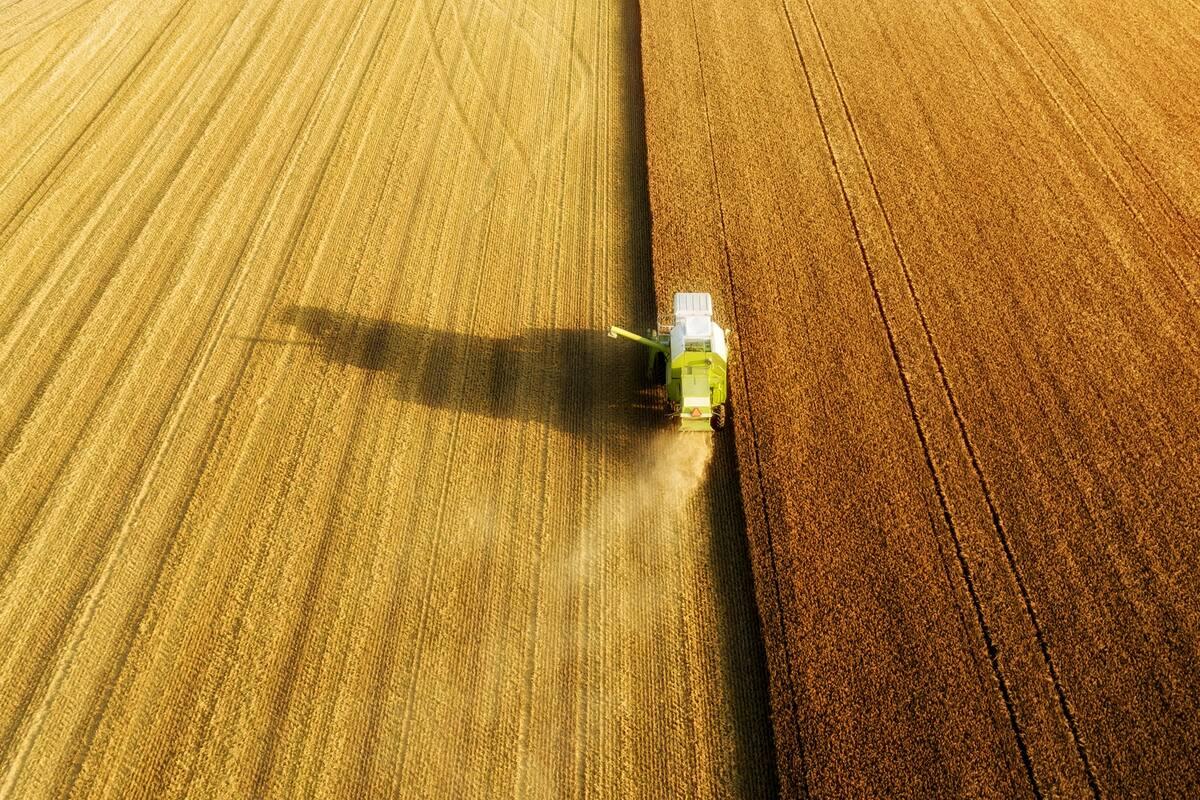
After years of drought, cereal production is expected to recover significantly in 2026. Better rainfall has improved reservoirs, revived agricultural land and strengthened expectations for wheat and barley output.
At the same time, Morocco is investing approximately $74.5 million in a supplementary irrigation project designed to protect cereal production against future drought conditions.
The combination reveals an important policy shift.
The country is no longer treating rainfall recovery as a permanent solution. It is attempting to build a system capable of protecting essential crops when the next dry cycle arrives.
That distinction matters because food security cannot depend on one successful agricultural season.
It depends on whether domestic production, strategic reserves, imports, irrigation and price-support mechanisms can continue working together when climate conditions become less favourable.
A Stronger Harvest Changes The Immediate Picture
Heavy winter rainfall transformed Morocco’s cereal outlook after years of severe water stress.
Industry estimates earlier in the season suggested that the national cereal harvest could reach between eight and nine million tonnes, almost double the previous crop. Soft wheat alone was projected at approximately five million tonnes.
That recovery provides immediate relief.
Higher domestic production can reduce pressure on imports, improve income for farmers and supply local mills with a larger volume of Moroccan grain.
It can also ease the fiscal burden created when the government must subsidise imports to stabilise flour and bread prices.
But a larger harvest does not mean Morocco has achieved cereal self-sufficiency.
The country continues to rely on imported wheat to bridge the gap between domestic output and national consumption. During the first four months of 2026, wheat imports increased by 2% to 6.2 billion dirhams before measures were introduced to protect the domestic harvest.
A productive season therefore improves the balance. It does not eliminate the underlying dependency.
The Irrigation Investment
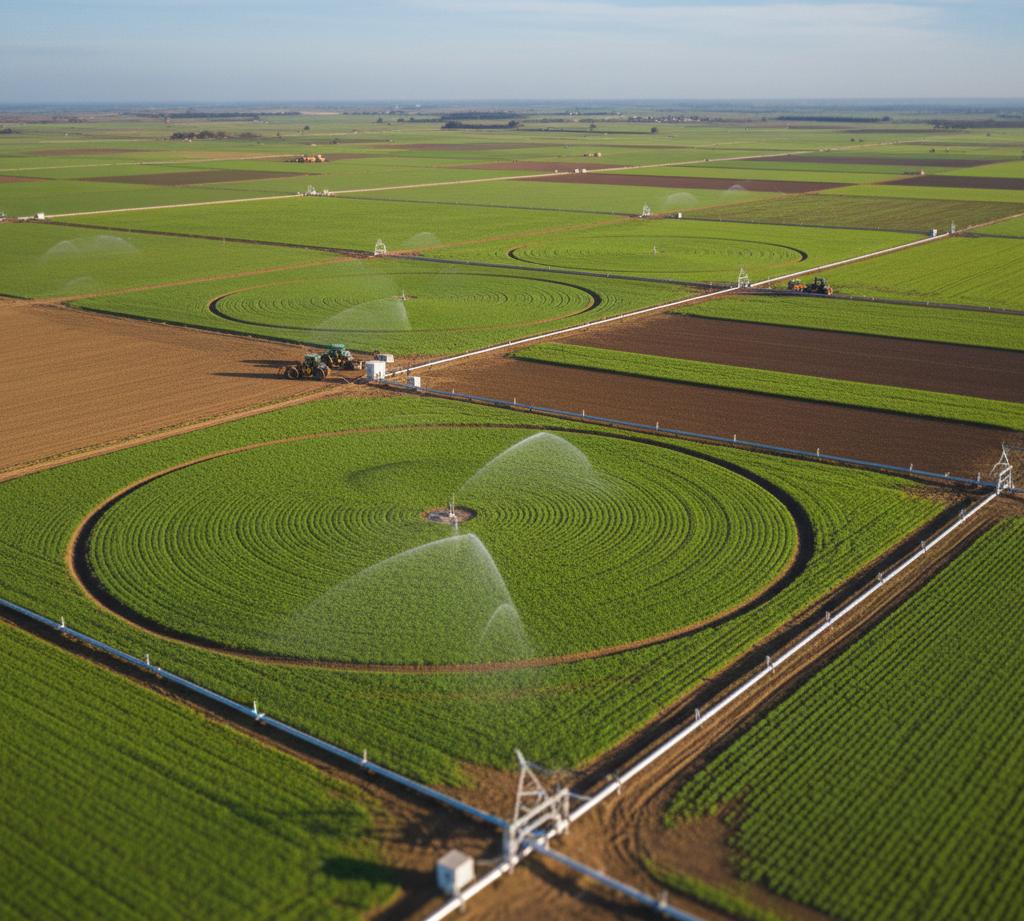
The new $74.5 million initiative is linked to the Dar Khrofa supplementary irrigation project and forms part of a broader national programme launched progressively from 2025.
The objective is to provide cereals and legumes with targeted irrigation during critical periods when rainfall is insufficient.
Morocco ultimately aims to extend supplementary irrigation to nearly one million hectares by 2030.
This approach differs from permanently irrigating cereal fields.
Wheat is a relatively low-value crop compared with fruit, vegetables or export agriculture. Fully irrigating it with expensive water would often be economically difficult.
Supplementary irrigation attempts to use smaller quantities strategically.
A limited intervention at a sensitive stage of crop development can prevent severe yield loss and protect an entire season’s investment.
That makes the programme less about maximising production in good years and more about reducing collapse in bad years.
For food security, that reduction in volatility may be more valuable than pursuing record harvests.
Why Rainfall Alone Is No Longer Enough
In January 2026, Moroccan authorities declared the end of a seven-year drought after rainfall rose sharply and national reservoir levels improved.
Rainfall was reported at 95% above the previous year and 17% above the seasonal average at that point, while dam-filling levels reached approximately 46%.
Further rainfall later produced flooding in parts of the northwest and pushed national reservoir levels even higher.
This dramatic reversal showed both sides of Morocco’s climate exposure.
The country moved from chronic drought to destructive flooding within the same broader recovery period.
The Gharb region, one of Morocco’s most important wheat-producing areas, suffered inundation after rivers and dams exceeded normal levels. More than 100,000 people were evacuated from flood-risk areas in February.
The challenge is therefore no longer simply a lack of water.
It is managing increasingly irregular water.
Rain may arrive in shorter, heavier periods rather than through consistent seasonal patterns that support crops naturally.
Reservoirs, irrigation systems, drainage networks and forecasting capacity must therefore become part of agricultural policy, not separate infrastructure discussions.
The Strategic Reserve Matters
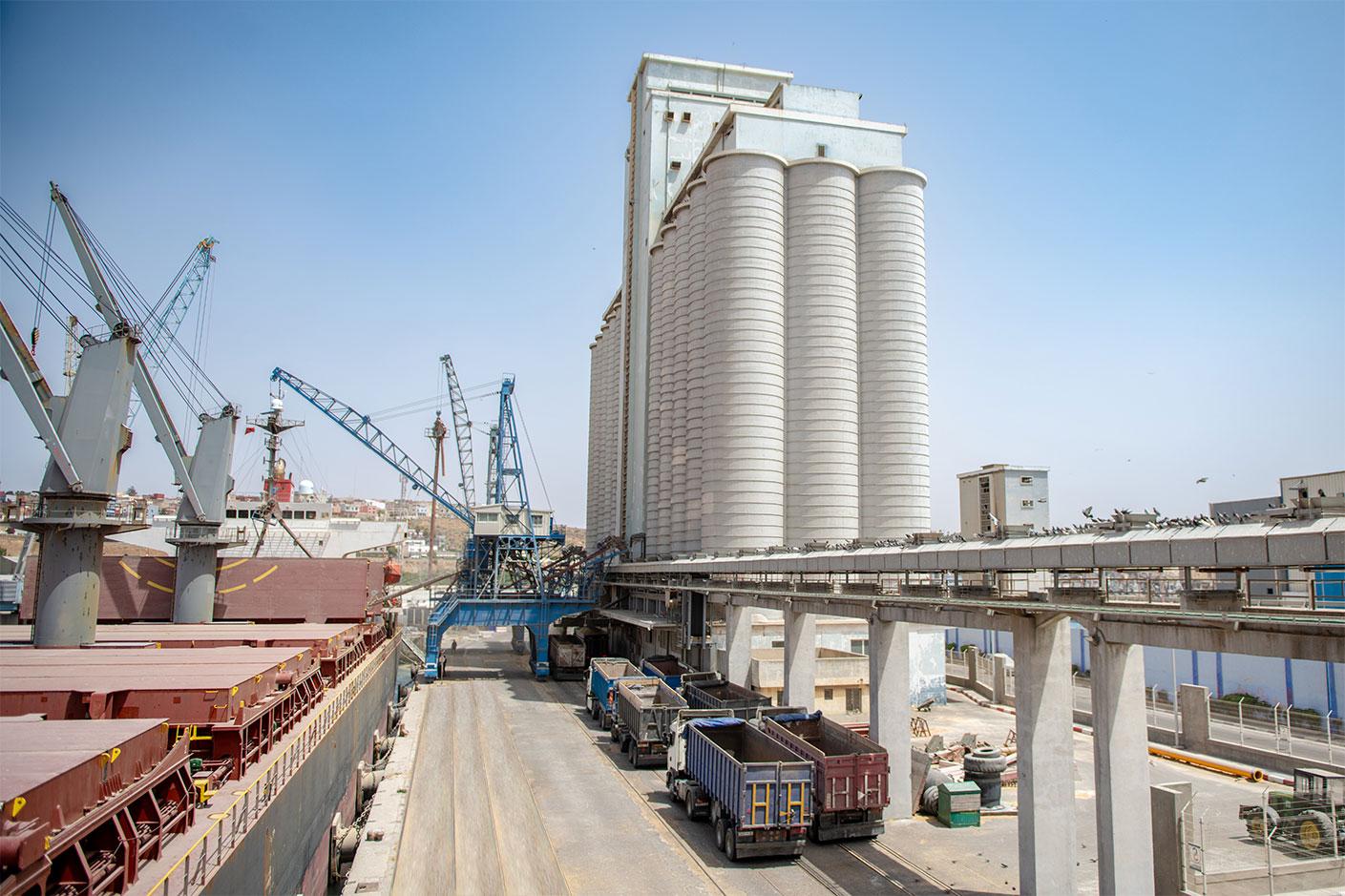
Morocco is also working to strengthen its wheat-security system through national reserves.
The government has announced plans to build an eight-million-quintal strategic wheat reserve, equivalent to approximately 800,000 tonnes, to protect domestic supply and reduce exposure to external disruption.
A reserve provides insurance against several risks.
International prices can rise suddenly. Exporting countries can restrict sales. Shipping routes can be disrupted. Currency movements can make imports more expensive even when the global wheat price remains stable.
A physical reserve allows authorities to release grain into the domestic market when supply tightens.
But maintaining a reserve also has costs.
Storage facilities must prevent moisture, contamination and deterioration. Grain must be rotated. Purchasing decisions must avoid unnecessarily driving up market prices.
The effectiveness of the reserve will therefore depend on governance, storage quality and transparent rules for accumulation and release.
A large reserve is useful only when it remains usable and can reach mills quickly.
Bread Prices Are A Political And Social Anchor
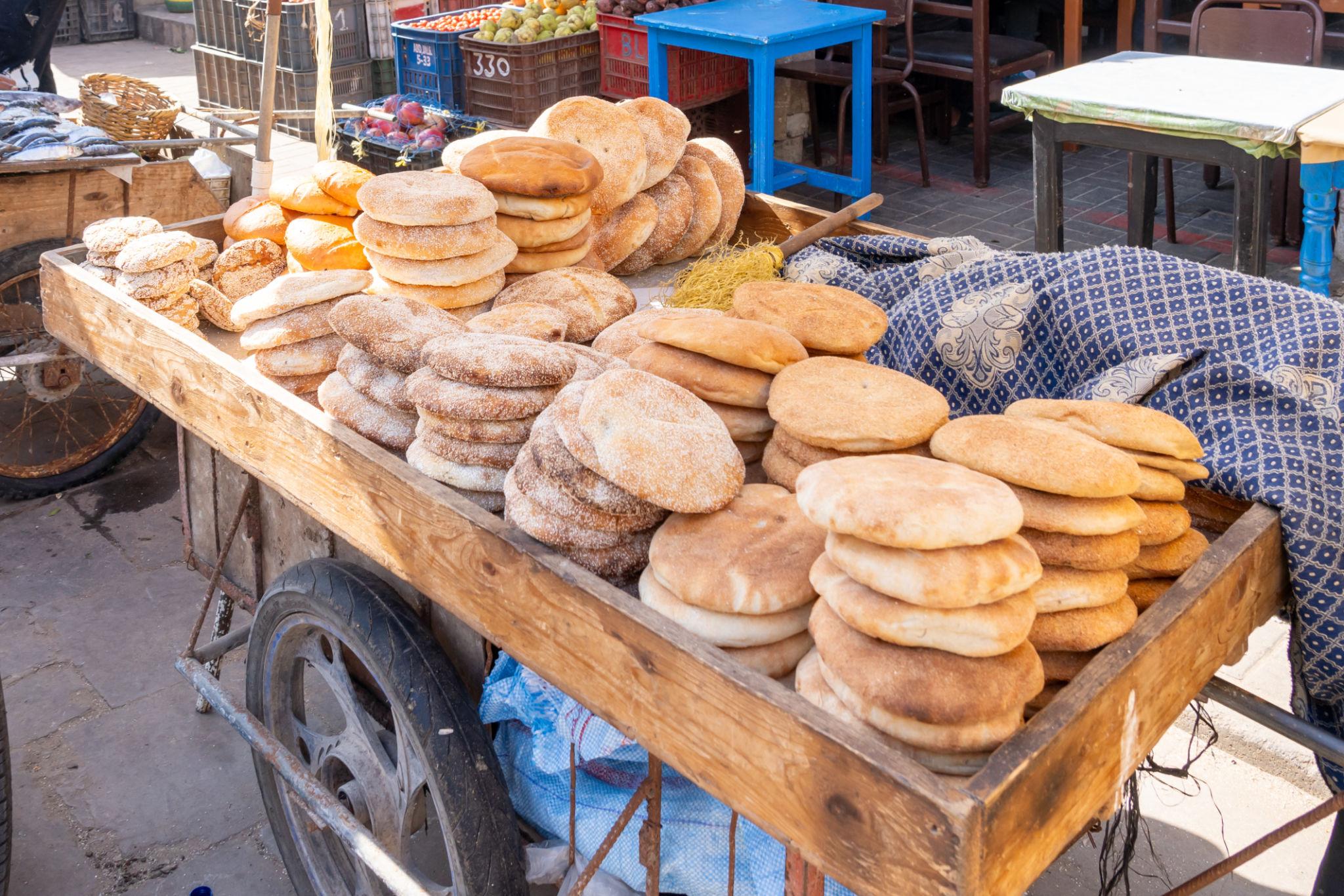
Wheat policy cannot be separated from household purchasing power.
Bread remains an essential part of daily consumption, which means even modest price increases can affect millions of families.
Morocco has long used subsidies, import measures and regulated flour programmes to maintain access and price stability.
New rules introduced in July 2026 place ONICL at the centre of purchasing soft wheat destined for subsidised flour through public procurement procedures.
The reform is intended to strengthen oversight and improve the operation of the subsidised flour system.
However, the wider challenge remains difficult.
Authorities must support farmers without allowing domestic prices to move too far above international levels. They must protect consumers without creating unlimited fiscal costs. They must preserve milling and distribution margins without allowing subsidies to leak away from the households they are intended to help.
Food-security policy is therefore also a distribution test.
The state can secure grain nationally while individual households still struggle to afford food.
Supply and affordability must be measured separately.
Farmers Need Predictability
A stronger harvest does not automatically guarantee stronger farmer income.
When production rises sharply, market prices can fall unless purchasing mechanisms and storage capacity absorb the additional volume.
Farmers also face rising input costs, including seeds, machinery, fertiliser, transport and labour.
Those who endured repeated drought years may enter a successful season carrying debt or reduced livestock and equipment capacity.
The policy response must therefore provide enough predictability for farmers to continue planting cereals.
That means clear reference prices, timely payments, access to appropriate seeds and insurance mechanisms that respond effectively when weather destroys production.
Without predictability, smaller farmers may leave cereal cultivation or shift toward crops offering higher returns.
That would weaken domestic production even when national policy aims to increase resilience.
Imports Remain Part Of The Solution
Food security is sometimes confused with complete self-sufficiency.
For Morocco, eliminating wheat imports entirely may be neither realistic nor economically efficient.
Agricultural land and water are limited. Producing every tonne domestically could require resources that may generate greater economic value elsewhere.
Imports can therefore remain a rational part of the national system.
The risk emerges when imports become the only reliable solution.
Morocco experienced this exposure during the drought years, when cereal output fell sharply and the government extended subsidies for soft-wheat imports to maintain supply.
A resilient model combines domestic production, diversified import origins, strategic reserves and climate-protection infrastructure.
The objective is not isolation from world markets.
It is avoiding excessive dependence on any single harvest, supplier or policy instrument.
The Climate Risk Has Not Disappeared
Recent rainfall may have ended the seven-year drought statistically, but climate pressure has not ended.
A 2026 report from the Food and Agriculture Organization and the World Meteorological Organization warned that extreme heat is becoming a major threat to global food systems.
The agencies cited Morocco as an example of how prolonged drought followed by record heat contributed to cereal-yield losses exceeding 40% in previous seasons.
Higher temperatures can reduce yields even when water is available.
Heat can damage crops during flowering and grain development, increase evaporation and raise irrigation demand.
This means Morocco’s food-security strategy must prepare for drought, heat, floods and irregular rainfall simultaneously.
No single infrastructure project can address all four.
The response requires irrigation, water transfers, drainage, climate-adapted seeds, crop insurance, early-warning systems and better information for farmers.
The Real Test Begins After A Good Year
A strong cereal harvest is welcome news.
It can reduce import pressure, support rural incomes and improve the country’s immediate supply position.
But good rainfall can also create complacency.
The most important time to build resilience is when emergency pressure has temporarily declined and public finances have more room to support long-term investment.
The $74.5 million supplementary irrigation programme should therefore be viewed as part of a wider shield.
That shield includes strategic reserves, import flexibility, subsidised flour, storage capacity, agricultural research and reliable farmer support.
Morocco does not need every cereal season to break records.
It needs poor seasons to stop becoming national food-security emergencies.
The success of the current strategy will not be measured only by the size of the 2026 harvest.
It will be measured when rainfall weakens again and the country discovers whether the systems built during the recovery period are strong enough to protect production, prices and household access.