
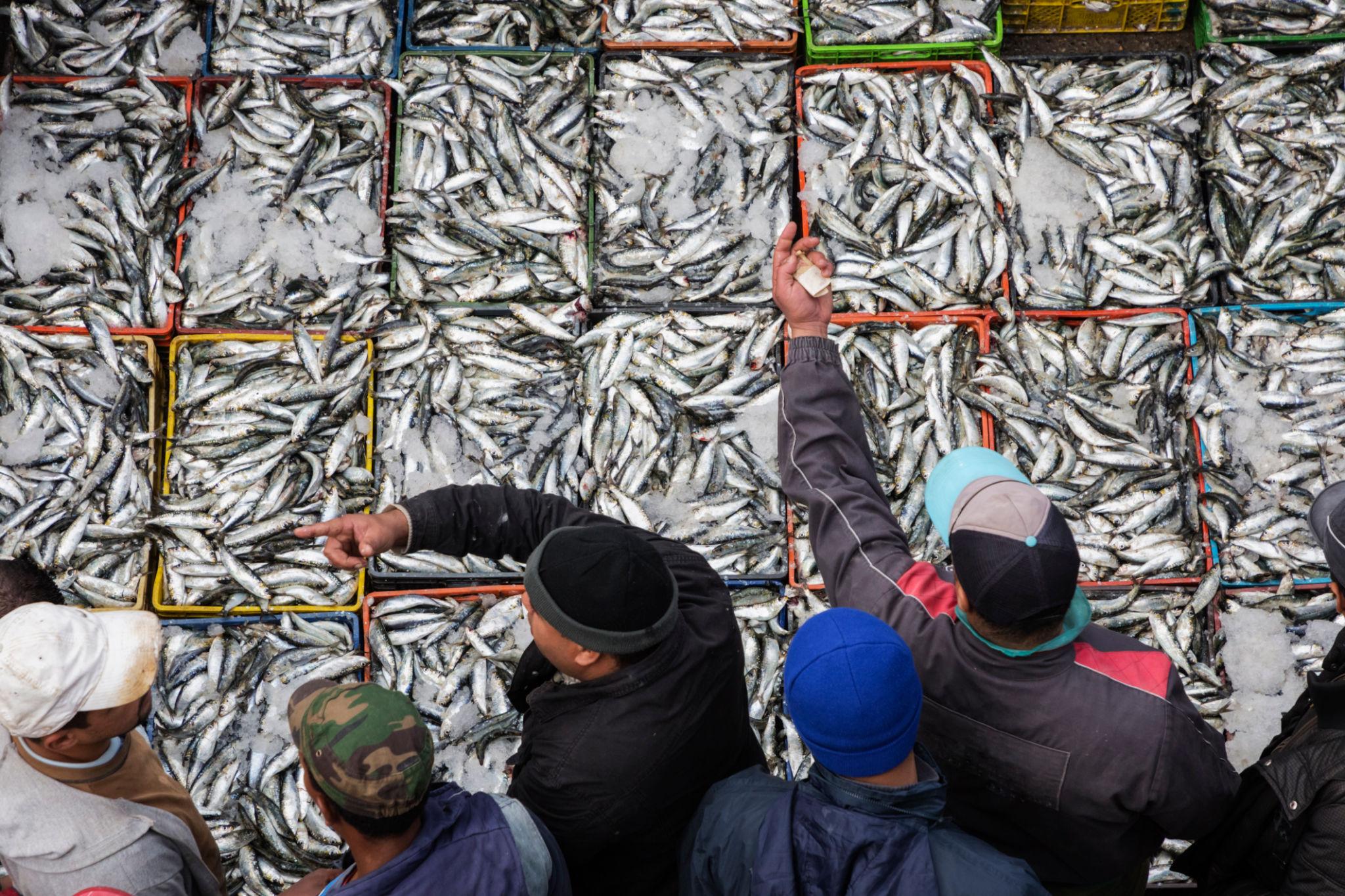
The sardine is not a luxury product in Morocco.
That is exactly why it matters.
For many Moroccan households, sardines are one of the most familiar proteins on the table. Grilled near the coast, fried in neighbourhood kitchens, canned for convenience, sold in markets, packed into sandwiches or served with bread and salad, the sardine is part of ordinary Moroccan food culture.
But when the price or availability of an everyday product starts to feel uncertain, it becomes more than a food story.
It becomes a cost-of-living signal.
Morocco’s decision to restrict sardine exports in 2026 shows how sensitive the issue has become. The country is not only managing a fishery. It is managing household purchasing power, food security, marine resources, export pressure and the reputation of one of its most iconic food products.
The sardine is small.
The signal is big.
Sardine Price Squeeze Hits The Moroccan Table
The Sardine Price Squeeze matters because the sardine sits at the intersection of affordability and identity.
It is a fish associated with popular consumption, not elite dining. When chicken, red meat or imported foods become expensive, sardines can function as a cheaper protein option for many families. That makes availability important.
If sardines rise too much, the pressure is felt quickly.
The Moroccan government’s move to restrict exports of fresh and frozen sardines from February 2026 was designed to improve supply on the domestic market. Médias24 reported that exports are now conditioned on prior licensing through PortNet, after authorities moved to protect local availability.
That is a major policy signal.
When the state intervenes in sardine exports, it means the product has become socially sensitive.
Morocco Is Protecting The Local Plate
The export restriction shows a basic food-policy priority.
Before feeding foreign markets, Morocco wants to protect domestic consumers.
That does not mean exports are unimportant. Morocco has a major fisheries industry, and sardines support processors, ports, workers, exporters and foreign-currency income. But food exports become politically sensitive when local families feel prices rising or supply tightening.
The government’s logic is clear.
A strategic everyday protein should not become scarce at home because external demand is stronger.
Médias24 reported that the export restriction was announced to guarantee better availability on the domestic market.
That is not anti-trade.
It is food-security management.
The Wholesale Price Tells A Bigger Story
Sardine prices can vary widely depending on port, season, market, freshness, transport and retail margins.
But the wholesale data gives a useful signal.
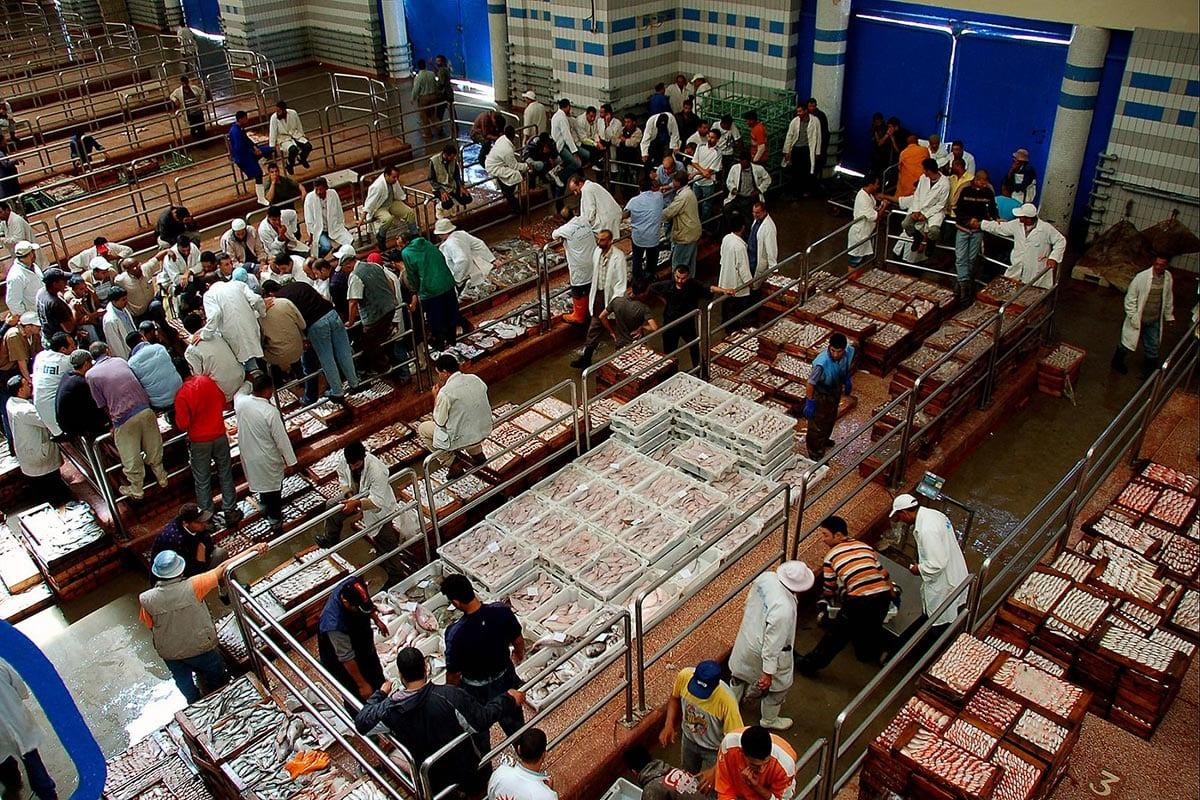
At the beginning of Ramadan 2026, Médias24 reported that wholesale sardine prices ranged from 3.50 to 7.40 dirhams/kg across markets, with Dakhla recording major traded volumes.
That range matters because what consumers pay in a neighbourhood market or restaurant is shaped by many layers after landing: transport, ice, handling, wholesale margins, retail margins and local demand.
A cheap wholesale price does not always mean a cheap consumer price.
This is where frustration can grow.
A Moroccan consumer may hear that fish is affordable at the port, then see a higher price in the local market. The gap becomes a trust issue.
The Sardine Is Morocco’s Democratic Protein
Every country has foods that carry social meaning.
In Morocco, sardines are one of them.
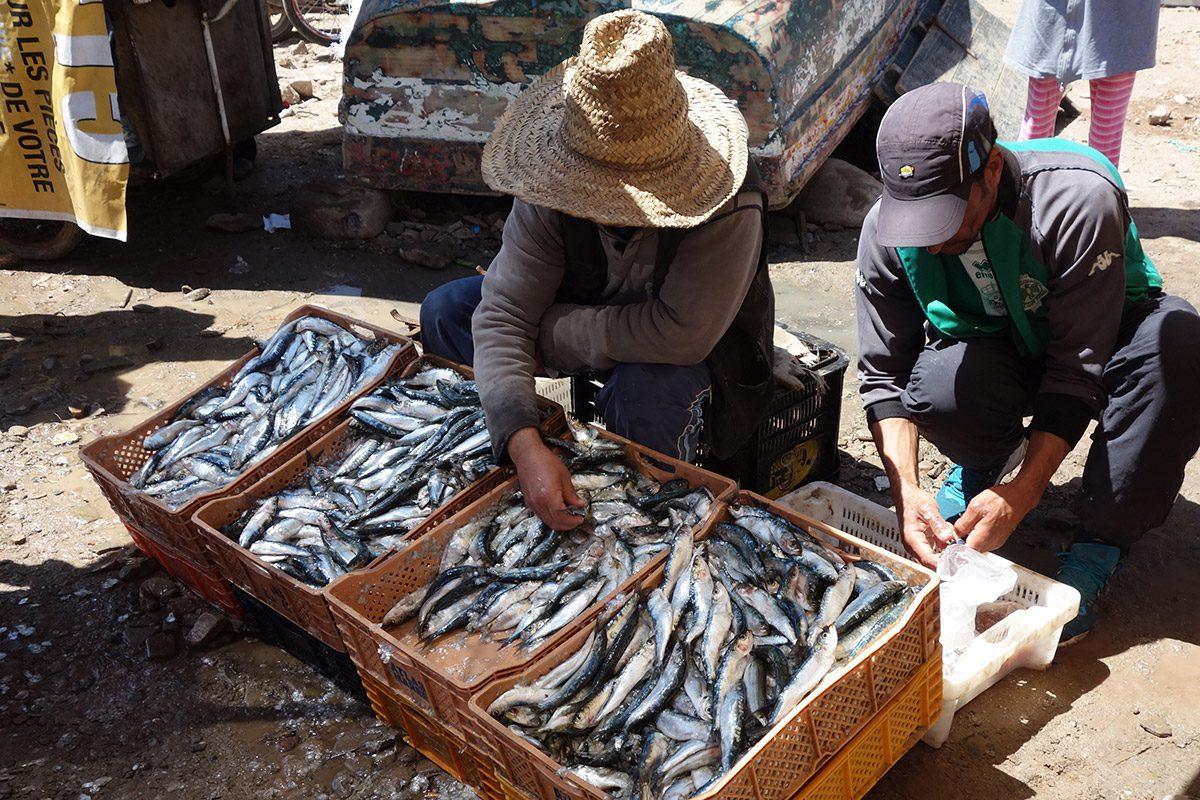
They are not only eaten because they are nutritious. They are eaten because they are accessible, familiar and deeply linked to coastal life. They are part of the popular food economy.
That is why price pressure is emotional.
If a luxury product rises, people complain but adjust.
If an everyday product rises, people feel the economy has changed.
Bread, tea, cooking oil, eggs, tomatoes, onions and sardines all carry that kind of symbolic weight. They are products people use to judge whether life is becoming more expensive.
The sardine is therefore a price indicator as much as a fish.
Exports Create Opportunity And Tension
Morocco’s sardine industry is globally important.
The country has long been one of the world’s leading exporters of sardines, especially canned products. That strength supports industrial jobs, packaging, logistics and foreign revenue. It also gives Morocco a powerful food brand abroad.
But success creates tension.
If international buyers are willing to pay, exporters naturally want to sell. If domestic consumers face shortages, authorities naturally want to protect local supply. If fish stocks are under pressure, regulators must manage sustainability. If processors need raw material, they must compete with fresh-market demand.
This is the triangle Morocco must balance.
Consumer affordability.
Export competitiveness.
Marine sustainability.
None of the three can be ignored.
Climate And Fish Stocks Are Part Of The Price
Fish prices are not only shaped by markets.
They are shaped by the sea.
Ocean temperatures, currents, reproduction cycles, fishing pressure and climate variability all influence sardine availability. When conditions are poor, landings can decline. When supply falls, prices rise. When prices rise, policy pressure increases.
This is why sardines are a climate story too.
The Moroccan consumer may only see the final price, but that price begins offshore. It starts with the health of small pelagic stocks and the ability of the fishing system to manage them responsibly.
Cheap fish today cannot come at the expense of empty seas tomorrow.
That is the hard balance.
Export Restrictions Are Not A Permanent Solution
Restricting exports can relieve pressure.
But it cannot solve every problem.
If the real issue is lower catches, illegal fishing, weak traceability, excessive demand, climate stress or inefficient distribution, export controls only buy time. They do not rebuild the resource base by themselves.
The long-term answer must include better stock management, scientific monitoring, enforcement against illegal fishing, improved cold chains, transparent market data and stronger coordination between fishermen, processors, wholesalers and regulators.
A restriction can protect the plate.
A strategy protects the fishery.
Morocco needs both.
The Processing Industry Feels The Pressure
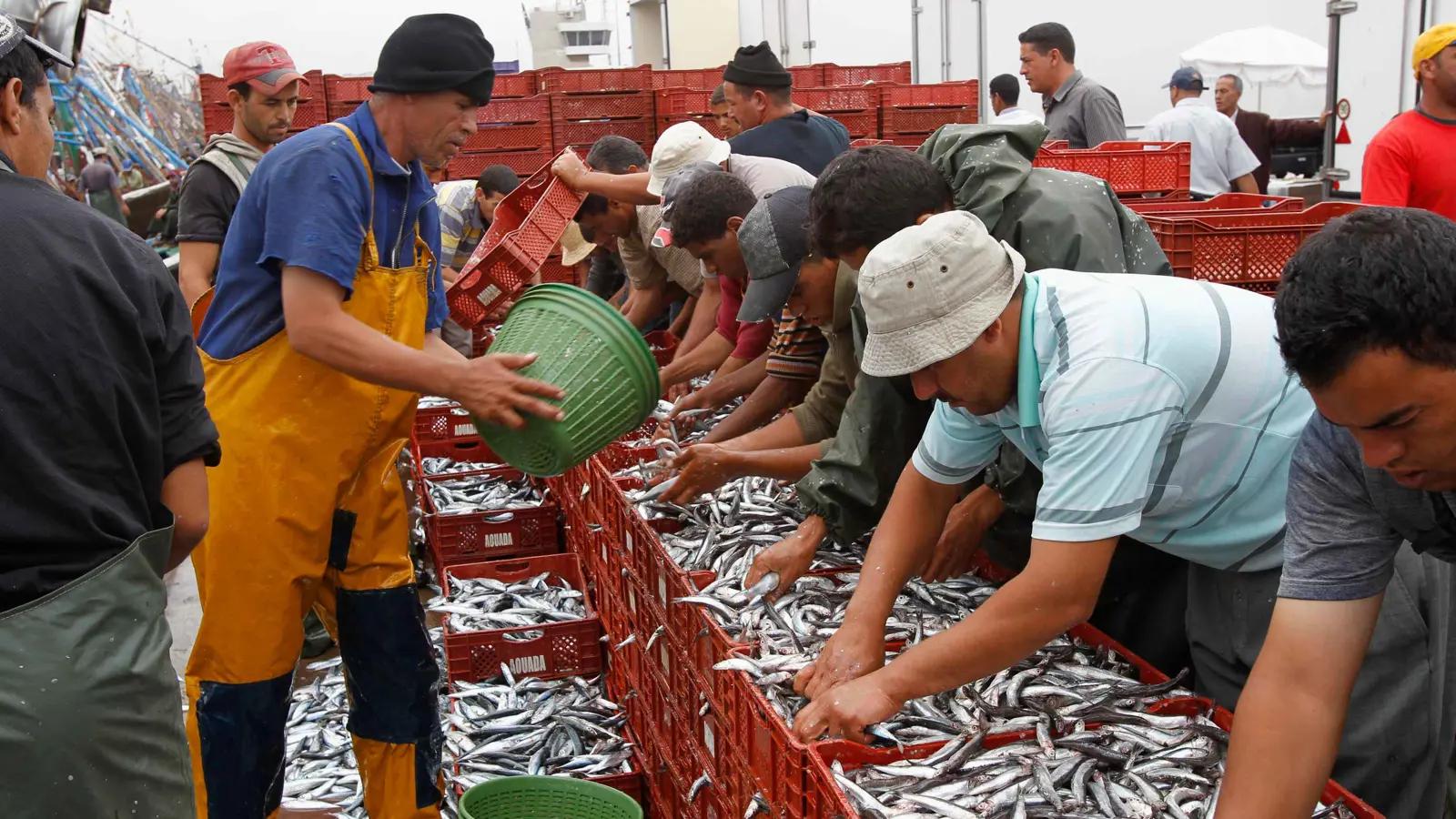
The sardine industry is not only about fresh fish in markets.
It is also about canning, freezing, export packaging and value-added processing. These factories employ workers and support regional economies. If export limits reduce raw-material movement or create uncertainty, processors must adapt.
Some may benefit if more fish stays available locally.
Others may face reduced export flexibility.
The key question is how Morocco allocates sardines between fresh consumption, processing and export markets.
That allocation must be transparent and economically rational.
If the rules are unclear, companies hesitate.
If the rules are stable, the industry can plan.
Food policy works best when business can see the direction.
Consumers Need More Transparency
Moroccan households need clearer information.
Why are sardine prices rising?
Is the issue supply, transport, speculation, export demand, weather, fuel costs or seasonal fluctuation?
Which ports are seeing strong landings?
Where are shortages appearing?
What is the difference between wholesale and retail prices?
Are authorities controlling abusive margins?
Without clear information, rumours fill the gap.
People may blame fishermen.
Fishermen may blame wholesalers.
Wholesalers may blame transport.
Retailers may blame supply.
Consumers may blame everyone.
Transparency does not eliminate price pressure, but it reduces confusion.
The Informal Market Matters
Fish distribution in Morocco includes formal and informal layers.
That makes price control difficult.
A fish may move from landing point to wholesale market to intermediary to neighbourhood vendor before reaching a household. Each step adds cost and creates room for opacity.
Improving traceability and market data can help.
Digital systems can make movement clearer.
Better wholesale-market management can reduce abuse.
Cold-chain investment can reduce waste.
If less fish is lost or mishandled, more supply reaches consumers at better quality.
The sardine price is therefore not only about catching more.
It is also about distributing better.
The Cost Of Living Is Psychological
Inflation is not experienced equally across products.
A household may not follow macroeconomic data, but it remembers the price of daily foods. When those prices rise, people feel poorer even if official inflation numbers look moderate.
That is why sardines matter.
They are part of the informal household inflation index.
What does bread cost?
What does oil cost?
What do tomatoes cost?
What do eggs cost?
What does a kilo of sardines cost?
These are the numbers people use in real life.
A government that watches only broad inflation can miss the emotional economy.
The market basket has a memory.
Sardines Also Carry Nutritional Value
The sardine is not only affordable.
It is nutritious.
It provides protein, omega-3 fatty acids, minerals and vitamins. For lower-income households, accessible fish can support better diets, especially when meat is expensive.
That gives the sardine a public-health dimension.
If sardines become less affordable, families may shift to cheaper but less nutritious alternatives. That can affect diet quality over time.
Food security is not only about calories.
It is about affordable nutrition.
Morocco’s sardine policy should therefore be understood as both economic and health-related.
Keeping good protein accessible matters.
Restaurants And Street Food Feel The Squeeze
Sardine price pressure also affects small food businesses.
Street vendors, snack shops, small restaurants and coastal grills depend on predictable input prices. If sardines become more expensive or less available, menus change.
Margins shrink.
Portions adjust.
Prices rise.
Customers complain.
Small businesses often have less ability to absorb volatility than large companies. They cannot hedge, store large volumes or negotiate like major buyers.
This is why fish price pressure spreads beyond households.
It touches the small urban food economy.
A sardine sandwich can become a business indicator.
The Coastal Economy Depends On Balance
Fishing communities need fair income too.
Keeping sardines affordable for consumers should not mean pushing fishermen into weak margins. Fuel, equipment, maintenance, labour and weather risk all affect fishermen’s costs.
A sustainable model must protect both sides.
Consumers need fair prices.
Fishermen need fair livelihoods.
Processors need stable supply.
The state must manage the system so one group does not carry the entire burden.
If fishermen are squeezed too hard, the sector weakens.
If consumers are squeezed too hard, social pressure rises.
Balance is the only serious answer.
Morocco’s Global Sardine Brand Is At Stake
Moroccan sardines are not just food.
They are part of the country’s global food identity.
Canned Moroccan sardines are sold in many international markets. They represent Moroccan fisheries, processing capability and export quality. If supply disruptions become frequent, foreign buyers will notice. If Morocco manages the resource responsibly, the brand can become stronger.
A controlled export policy may actually protect the long-term brand.
It tells the market that Morocco is not willing to overextend a key resource.
But communication matters.
International buyers need to understand whether restrictions are temporary, structural, sustainability-driven or market-stabilising.
Uncertainty damages business.
Clarity protects reputation.
Food Sovereignty Becomes Real
The sardine issue is a practical example of food sovereignty.
Food sovereignty is often discussed through wheat, sugar, oil or agriculture. But fish also matters.
Morocco has a coastline and a major fishing sector. Citizens naturally expect access to local fish at reasonable prices. If a country exports too much of what people consider a national staple, social tension follows.
The sardine export restriction shows that Morocco is willing to intervene when the domestic plate is at risk.
That is a serious policy choice.
It signals that global trade must serve national stability, not the other way around.
The International Market Will Feel Morocco’s Decision
Because Morocco is an important sardine supplier, export restrictions do not only affect local markets.
They can affect buyers abroad.
Some international consumers and retailers have already seen shortages or price pressure in canned-sardine categories linked to Moroccan supply constraints.
This reveals Morocco’s hidden market power.
When Moroccan sardines move differently, foreign shelves notice.
That does not mean Morocco should ignore export customers. It means the country has leverage, and with leverage comes responsibility.
The world wants Moroccan sardines.
Moroccan households need them too.
Policy must decide the order.
The Bottom Line
The Sardine Price Squeeze shows how one everyday fish can reveal a national cost-of-living issue.
Morocco has restricted exports of fresh and frozen sardines since February 2026 to improve supply on the domestic market, with export licences now required through PortNet. Wholesale sardine prices ranged between 3.50 and 7.40 dirhams/kg at the beginning of Ramadan, while July market data points to higher annual sardine prices.
That is the message.
The sardine is not just seafood.
It is household protein.
It is a market signal.
It is a fisheries-management test.
It is a Moroccan food symbol.
If Morocco can keep sardines affordable, protect fishermen, manage stocks and preserve export value, the country will show that food security can be handled with discipline.
If not, the smallest fish on the table may become one of the loudest signals of economic pressure.