

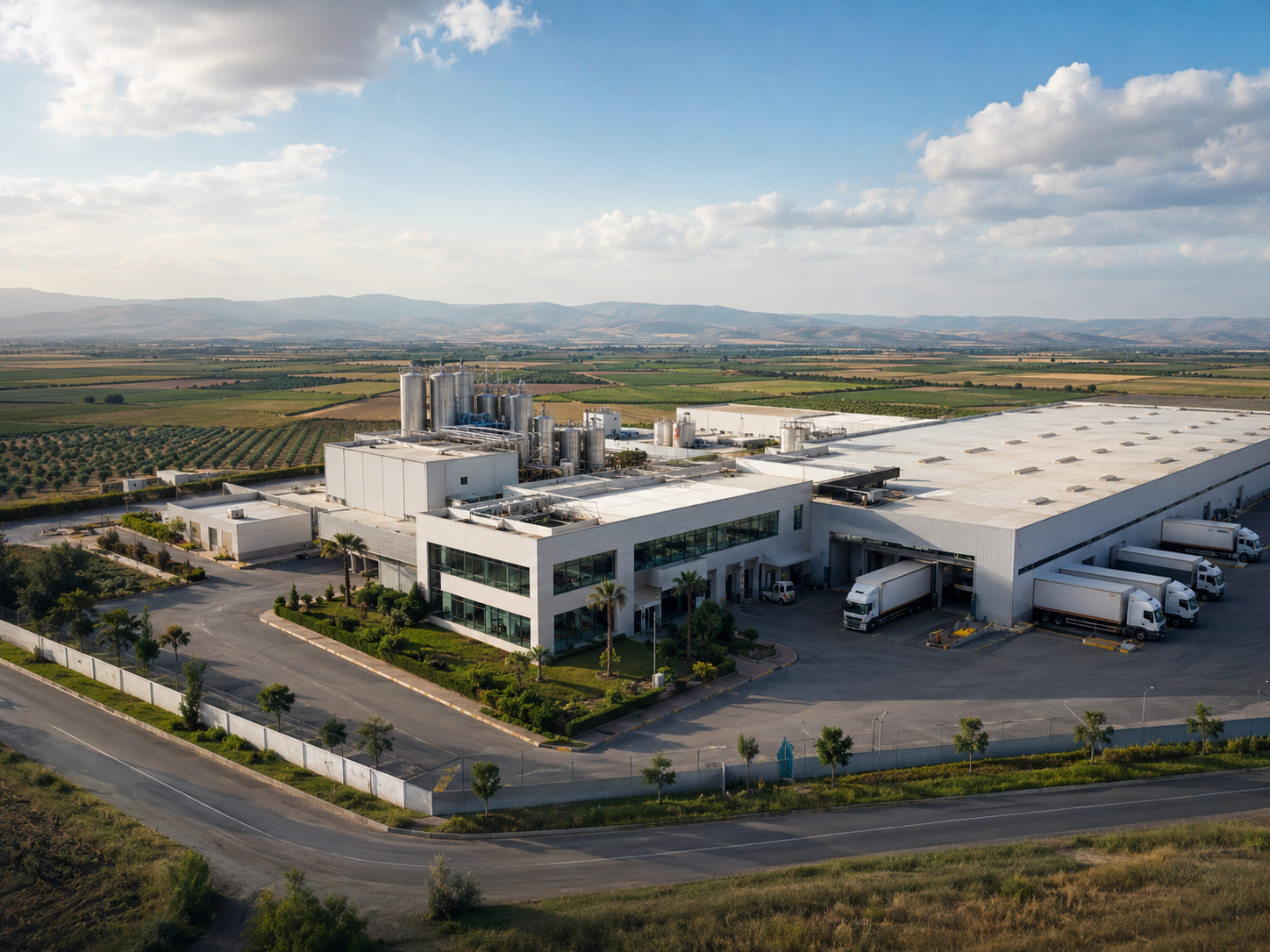
Agro Juice Processing is no longer building its future around juice alone.
The Moroccan company behind Valencia has expanded its industrial site in Meknès after deploying a 175 million dirham investment programme over six years, increasing production capacity and moving into new food categories.
The diversification is significant.
Tomato sauces.
Cooking creams.
Iced tea.
Plant-based drinks.
The company is effectively moving from a beverage producer toward a broader Moroccan food platform.
That is the more interesting story.
Morocco has many successful consumer brands.
The next stage is creating companies capable of extending those brands into several categories, producing locally at scale and eventually competing across African and international markets.
AJP is starting to test that model.
Juice Built The Distribution Network
Valencia gave AJP something extremely valuable before the company ever moved into sauces or plant-based products.
Distribution.
A consumer food business can manufacture an excellent product and still fail if it cannot reach shelves consistently.
Supermarkets need supply reliability.
Traditional retailers need frequent delivery.
Distributors need enough volume to justify carrying the product.
A recognised juice brand gives AJP existing relationships with retailers and wholesalers.
That network can now support additional categories.
When a company launches tomato sauce from zero, it must build production and distribution simultaneously.
AJP already possesses part of the route to market.
That lowers the commercial barrier to diversification.
New Categories Change The Business
Historically, AJP has been strongly associated with Valencia juices and fruit beverages.
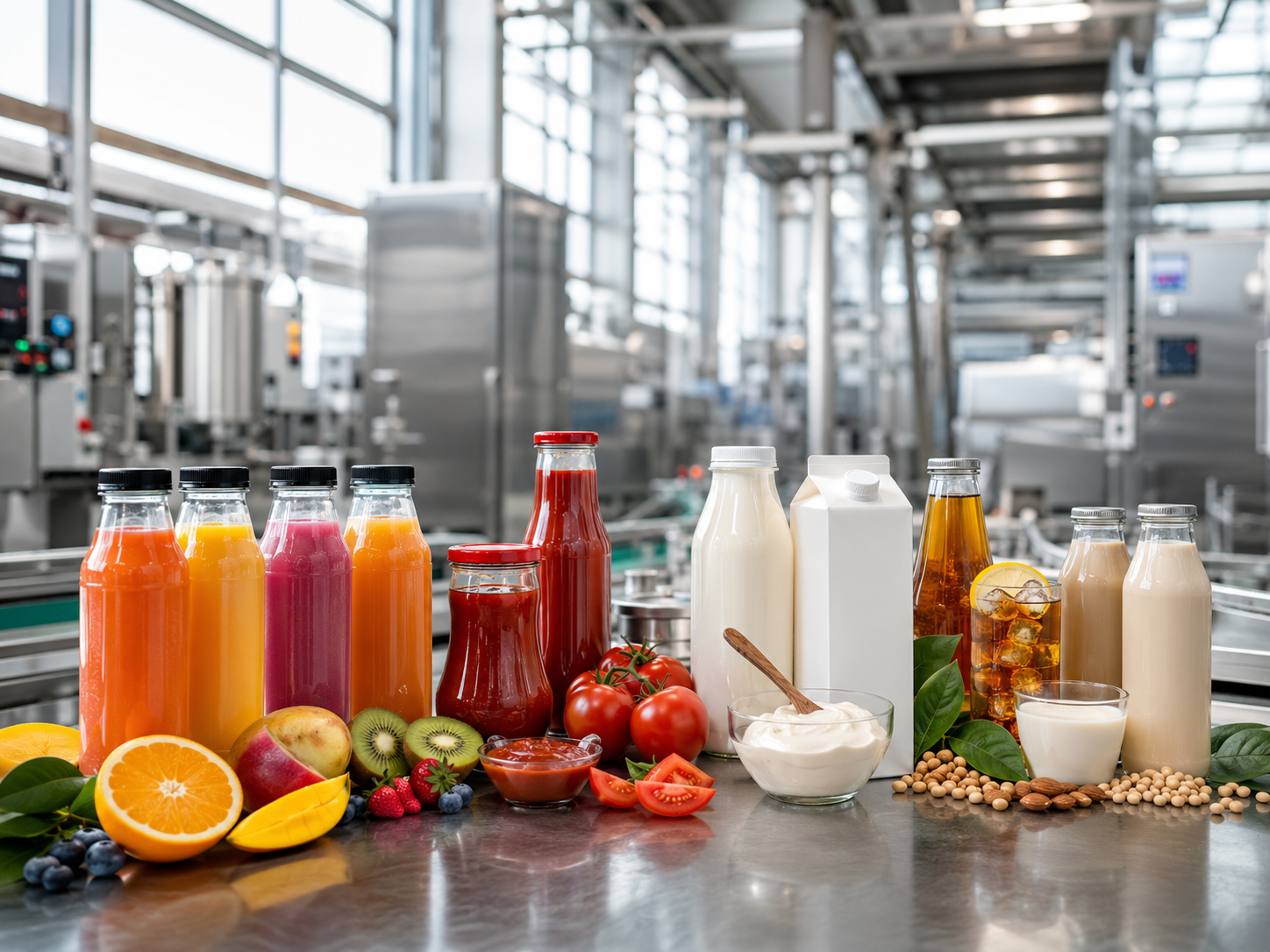
Its latest expansion adds a much broader portfolio.
The company has moved into tomato sauce and cooking creams under Olla, Valencia iced tea and plant-based beverages under Elty.
These products behave differently from juice.
They have different competitors.
Different purchase frequencies.
Different margins.
Different shelf positions.
Different consumer expectations.
That is exactly why the strategy is interesting.
AJP is no longer simply trying to sell more litres of one category.
It is trying to capture a larger share of the household food basket.
Morocco Imports Brands It Could Produce Locally
Many modern food categories sold in Morocco still contain a significant imported component.
Cooking creams.
Plant-based drinks.
Specialised sauces.
Premium beverages.
International brands can dominate partly because domestic production has historically been more concentrated in established categories.
AJP’s expansion directly challenges that pattern.
The company says the new lines are intended to strengthen local manufacturing in categories where imports have traditionally had a significant presence.
That matters economically.
Local production keeps more industrial value inside Morocco.
Packaging.
Labour.
Transport.
Maintenance.
Marketing.
Distribution.
Supplier relationships.
Import substitution should not mean eliminating foreign brands.
Competition remains useful.
The stronger objective is ensuring Moroccan consumers have credible locally produced alternatives.
Affordability Could Become A Competitive Advantage
AJP has also emphasised affordable formats and smaller portions designed around household budgets.
That may prove strategically important.
Food companies often assume growth means moving customers toward larger or more premium products.
Moroccan households do not always purchase that way.
Cash flow matters.
A consumer may prefer a small package even when the price per kilogram is slightly higher because the immediate transaction is easier to absorb.
Single-use formats can also reduce waste.
This creates a different form of innovation.
Not technological complexity.
Commercial adaptation.
The strongest consumer companies understand how people actually shop rather than how manufacturers would prefer them to shop.
175 Million Dirhams Has Already Created Scale
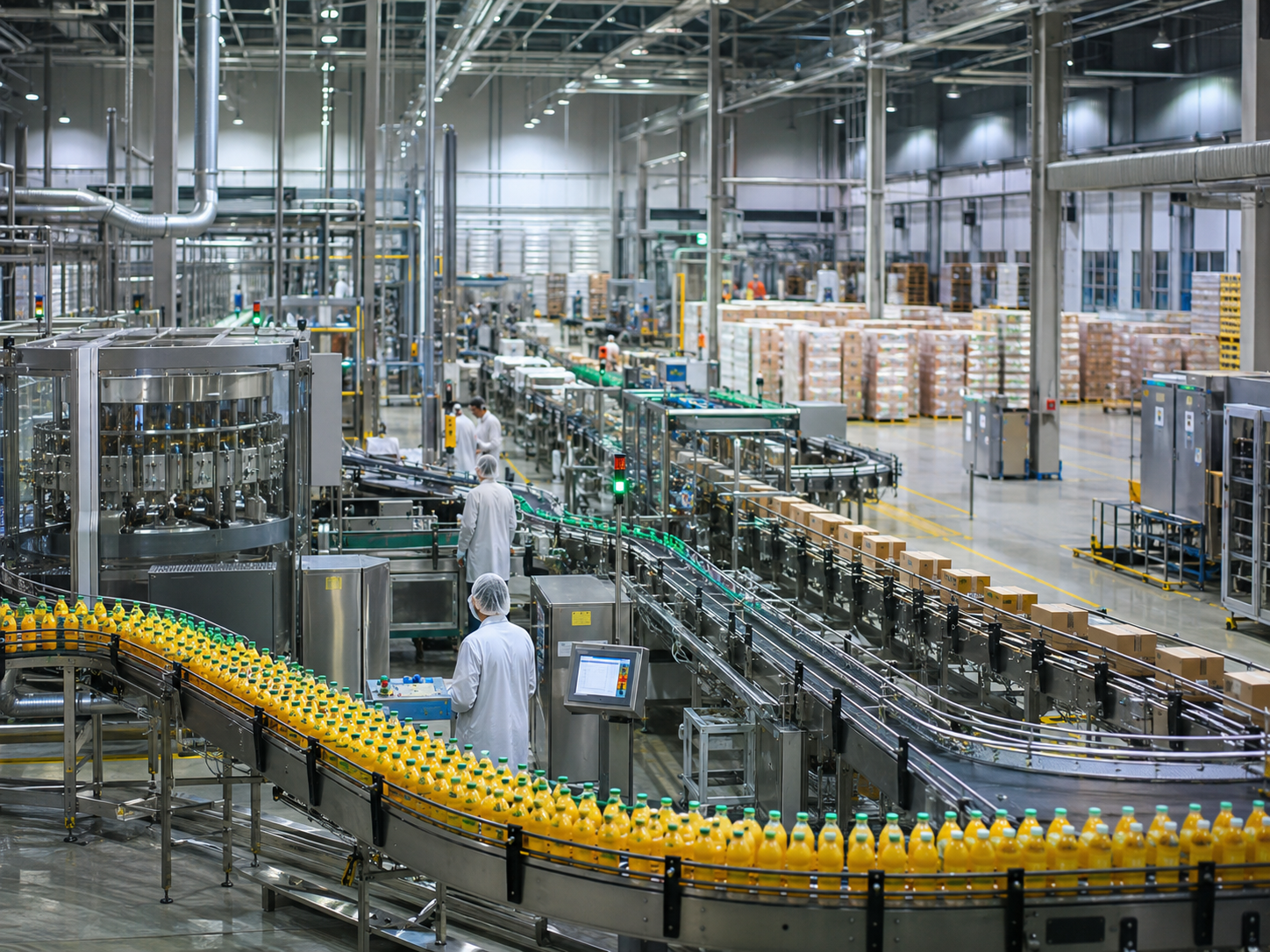
The investment is not simply planned capital.
It has already been deployed across the Meknès operation.
The programme has helped create more than 300 direct jobs over five years, while AJP’s total workforce has grown to more than 800 employees.
That is an important reminder about food manufacturing.
Industrial projects create economic impact beyond the final product.
Factories need technicians.
Machine operators.
Quality specialists.
Engineers.
Warehouse teams.
Drivers.
Sales staff.
Maintenance personnel.
Food manufacturing also connects with agriculture, packaging and logistics.
When a Moroccan consumer brand scales, the employment effect can extend well beyond marketing offices in Casablanca.
Meknès Is A Logical Industrial Base
AJP’s decision to deepen its presence in Meknès is strategically interesting.
The region sits inside one of Morocco’s most important agricultural zones and already hosts an operational agropole designed to connect agricultural production with processing, research, training and commercialisation.
That proximity matters.
Food companies perform better when industrial processing connects efficiently with agricultural supply.
Transport distances can fall.
Supplier relationships become easier to develop.
Fresh inputs can move more quickly.
Technical skills accumulate locally.
Over time, clusters can form.
One large factory attracts packaging suppliers.
Packaging attracts logistics companies.
Industrial demand encourages training.
Training produces workers for the next investor.
This is how a region develops an industrial identity.
The Brand Architecture Will Matter
Diversification creates a branding question.
Should everything carry the Valencia name?
AJP appears to be choosing otherwise.
Valencia remains strongly associated with beverages.
Olla is being used for cooking products.
Elty addresses plant-based drinks.
That separation can be smart.
Consumers already understand what Valencia represents.
Stretching one name across every possible food category could weaken the brand.
Separate brands allow each category to develop its own identity while the manufacturing platform remains shared behind the scenes.
This creates an important distinction.
Consumers see several brands.
AJP sees one industrial system.
The company can potentially share factories, procurement, sales teams and distribution while keeping customer propositions distinct.
Private Labels Could Become Another Opportunity
A manufacturer with diversified production capabilities does not necessarily need to sell everything under its own brands.
Retailers increasingly want private-label products.
Supermarkets can commission manufacturers to produce sauces, drinks or other food categories under retailer-owned names.
For AJP, this could provide additional factory utilisation.
Own brands may offer stronger long-term value.
Private-label contracts can provide stable volume.
A balanced manufacturing platform can potentially support both.
This becomes especially useful when new production lines have unused capacity.
Factories become more profitable when utilisation rises.
The commercial question is not only which brand appears on the package.
It is whether the industrial asset is generating enough output.
International Partnerships Can Accelerate Learning
AJP is also working with international partners.
The company has cooperated with Spain’s Grupo Pascual to manufacture certain Bifrutas products in Morocco.
Such partnerships can create more than contract-manufacturing revenue.
They expose local teams to international specifications.
Quality standards.
Production processes.
Packaging requirements.
Supplier audits.
Operational discipline.
This knowledge remains useful after the individual contract.
Morocco has used a similar progression successfully in other industries.
Produce for international companies.
Learn their standards.
Build local capability.
Then expand Moroccan-owned products.
Food manufacturing can follow the same path.
Partnerships With Global Brands Also Build Visibility
AJP has additionally developed commercial collaborations involving internationally recognised properties including Warner Bros. and LaLiga.
For a consumer-food company, such partnerships can make packaging and campaigns more visible, particularly among younger customers.
But licensing should support the brand rather than replace it.
A famous football or entertainment logo can increase short-term attention.
The product still has to create repeat purchase after the campaign ends.
That means taste, price, availability and packaging remain fundamental.
Marketing can generate trial.
Operations create loyalty.
Plant-Based Drinks Are A Different Bet
Elty may be one of the most interesting parts of the diversification.
Plant-based beverages remain a relatively young category in Morocco compared with traditional milk or juice.
That creates both opportunity and risk.
AJP can enter before the market becomes crowded.
But it must also help build the category itself.
Consumers need to understand the product.
How is it used?
Breakfast?
Coffee?
Cooking?
Direct consumption?
Is it positioned around health, lifestyle or lactose avoidance?
Category education becomes part of marketing.
The advantage of entering early is that the company can influence those consumer habits.
The disadvantage is that demand is less predictable.
This is where portfolio diversification becomes useful.
AJP does not need every new product to become another Valencia immediately.
Energy Costs Are Becoming Part Of Food Competitiveness
The Meknès expansion also includes a 1.3 MW solar installation representing around 10 million dirhams of investment, expected to cover more than 30% of the plant’s energy needs.
That matters for more than sustainability reporting.
Food processing consumes energy.
Heating.
Cooling.
Packaging.
Pumping.
Cleaning.
Storage.
Reducing exposure to electricity costs can improve competitiveness.
It can also strengthen the environmental profile of products exported to markets where carbon performance is becoming increasingly important.
A factory producing part of its own electricity has another layer of resilience.
Industrial decarbonisation works best when it improves both environmental and economic performance.
Exporting To 30 Countries Changes The Ambition
AJP already exports to approximately 30 countries across Africa, Europe, the Middle East, North America and Asia.
That means diversification is not occurring inside a purely domestic company.
The Meknès plant can potentially become a platform for international expansion.
This changes product development.
A sauce created for Morocco may eventually be adapted for West Africa.
Plant-based drinks could address European or Middle Eastern markets.
Juice formats can be adjusted according to local purchasing power.
Exporting also reduces dependence on one consumer market.
But international growth creates complexity.
Regulation.
Labelling.
Currencies.
Distribution.
Shelf-life.
Freight costs.
The larger the geographic footprint becomes, the stronger the operating system needs to be.
Africa Is The Natural Next Test
AJP has identified Africa as an important part of its future expansion strategy.
The opportunity is substantial.
African cities are growing.
Modern retail is expanding.
Food consumption is becoming more packaged.
Young populations create demand for drinks, snacks and convenience products.
Moroccan companies also possess geographic and commercial advantages across West Africa.
But the continent should not be treated as one homogeneous market.
Price sensitivity differs.
Flavour preferences differ.
Distribution systems differ.
Import duties differ.
Local competitors differ.
A Moroccan product that succeeds in Dakar may require a different strategy in Abidjan or Accra.
Regional expansion must therefore follow consumer understanding, not simply geographic ambition.
Distribution Can Become More Valuable Than Manufacturing

Factories are expensive and visible.
Distribution networks can be even more valuable.
A company capable of reaching thousands of retail points regularly can introduce new products much faster than a newcomer.
This creates a reinforcing advantage.
Valencia builds distribution.
Olla uses it.
Elty uses it.
Future products can use it too.
Each additional successful category improves the economics of the distribution system.
The same truck carries more products.
The same salesperson sells more brands.
The same customer relationship generates more revenue.
This is how consumer-goods platforms become difficult to replicate.
The competitive advantage is not one factory.
It is the complete route from production line to shelf.
Quality Must Stay Consistent Across Categories
Diversification also creates risk.
A company known for one strong category can damage its reputation if it launches too many weaker products.
Consumers transfer trust.
Someone buying Valencia juice may be more willing to try another product associated with the same producer.
That trust is valuable.
It is also fragile.
Food safety, consistency and taste therefore become more important as the portfolio expands.
Every new category requires specialised knowledge.
Tomato processing is not identical to juice.
Plant-based beverages are not identical to cooking cream.
The company needs technical depth behind each product, not simply a wider catalogue.
Expansion should increase capability, not only SKUs.
Morocco Needs More FMCG Platforms
Morocco has produced successful industrial companies.
It now needs more consumer-goods groups capable of competing regionally.
The distinction matters.
Manufacturing creates jobs and exports.
Brands can create pricing power.
A factory can produce for another company.
A strong brand allows the Moroccan company to own the customer relationship itself.
That can produce more durable value.
Food is particularly attractive because purchases repeat constantly.
Consumers do not buy a refrigerator every week.
They buy drinks, sauces and other food products continuously.
A successful FMCG portfolio therefore creates recurring demand.
AJP’s move beyond juice is a step toward that model.
175 Million Dirhams Is Really A Portfolio Bet
The headline investment is 175 million dirhams.
But the more important transformation is structural.
AJP is using its Meknès industrial base to move from one dominant association — Valencia juice — into multiple food categories.
Sauces.
Cooking creams.
Iced tea.
Plant-based drinks.
International contract manufacturing.
Exports.
Local production replacing some imported categories.
That creates a much larger addressable market.
The challenge now is execution.
Every new category has to earn its shelf space.
Every brand needs clear positioning.
Every factory line needs utilisation.
Every export market needs reliable distribution.
If AJP succeeds, Valencia may eventually be remembered not simply as one of Morocco’s best-known juice brands.
It may be remembered as the product that gave a much larger Moroccan food company its first distribution engine.
175 million dirhams is not only expanding a factory in Meknès.
It is testing whether a Moroccan beverage leader can become a regional FMCG platform.