
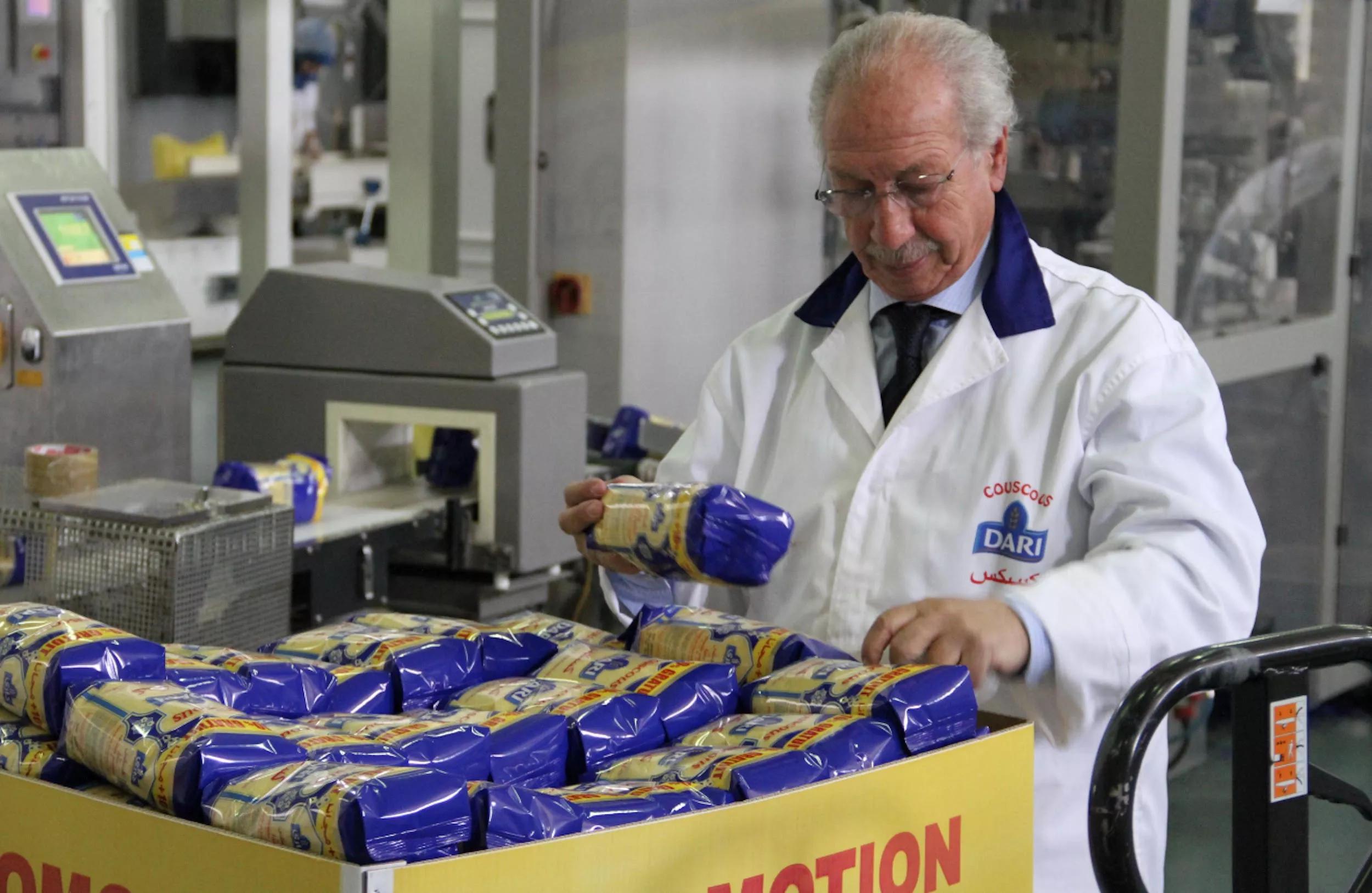
Dari Couspate has entered a new industrial phase.
In June 2026, the Moroccan listed food company completed the acquisition of the industrial and property assets of Les Grandes Semouleries du Maroc, a transaction that significantly expands the production base behind one of Morocco’s best-known couscous and pasta businesses. The completion was formally disclosed to the market in June, followed by the company’s annual general meeting communication in early July.
For Dari, this is more than additional factory capacity.
It is a consolidation move inside one of Morocco’s most fundamental food value chains.
Cereals enter the system as agricultural commodities.
They can leave it as semolina.
Or they can become couscous, pasta and increasingly sophisticated branded food products sold in Morocco and internationally.
The strategic question is how much of that value Dari can capture.
More industrial scale is useful.
Turning that scale into stronger Moroccan brands is much more valuable.
Scale Changes The Economics
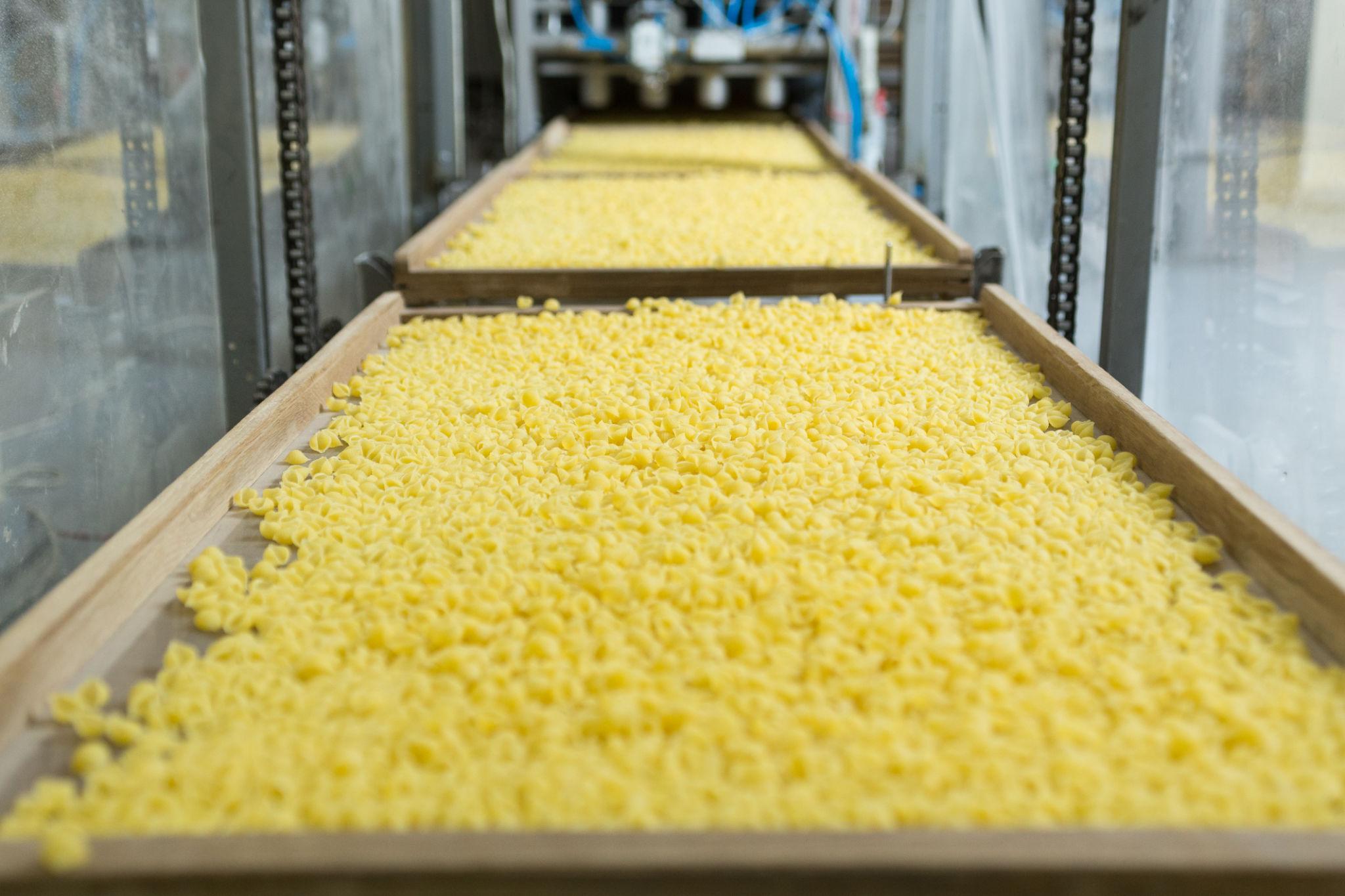
Food manufacturing rewards volume.
Factories contain substantial fixed costs.
Equipment.
Energy.
Maintenance.
Quality laboratories.
Warehouses.
Employees.
Logistics.
When more production moves through the same industrial platform, those costs can be spread across greater output.
The GSM asset acquisition therefore gives Dari an opportunity to improve industrial efficiency as well as increase capacity.
But additional capacity creates a responsibility.
Factories must remain sufficiently utilised.
Producing significantly more without developing distribution can simply create larger inventories.
Dari needs commercial growth to follow industrial growth.
That means domestic market share, export expansion and new products must develop alongside the manufacturing platform.
Semolina Is The Beginning Of The Value Chain
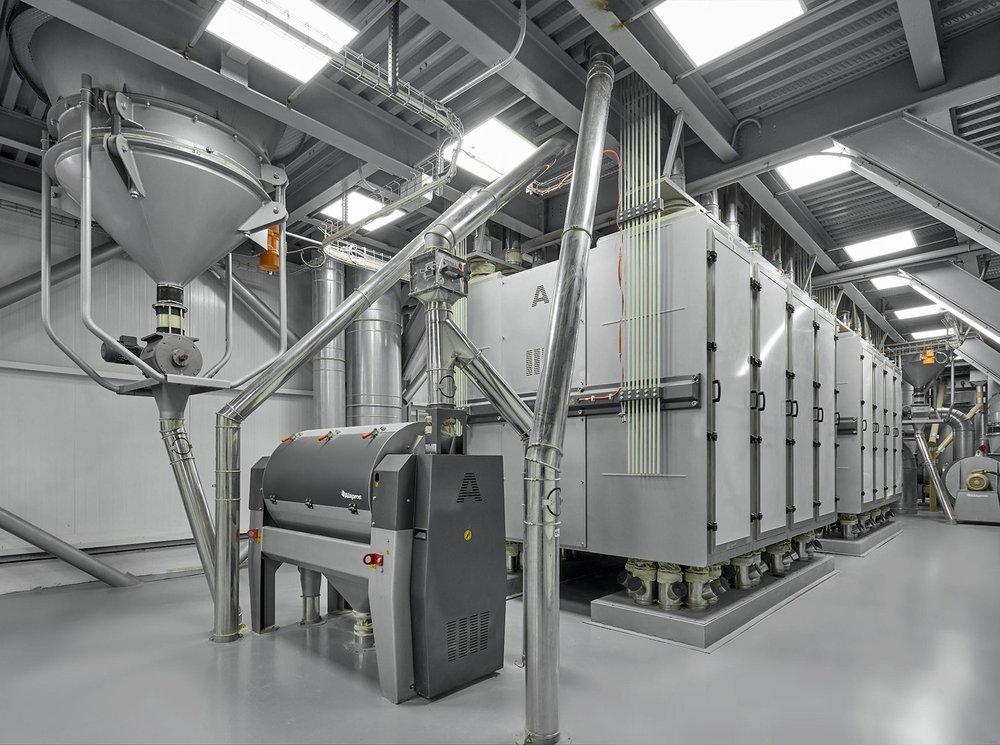
Semolina itself has economic value.
Transforming it creates more.
Couscous requires production, quality control, packaging, branding and distribution.
Pasta adds another consumer category.
Prepared or convenience foods can move further again.
Every additional processing stage gives a company the possibility of capturing more margin before the product reaches the consumer.
This is why the GSM acquisition can become strategically important.
Dari is strengthening its position closer to the industrial foundation of its core products.
Greater control across the chain can improve planning, quality and production economics.
The strongest outcome would not simply be producing more tonnes.
It would be extracting more value from each tonne.
The Dari Name Is The Bigger Asset
Factories can be reproduced.
Brands are harder.
Dari has spent decades building recognition around Moroccan couscous.
That gives the company something a commodity producer does not possess: a direct relationship with consumers.
When customers ask specifically for Dari rather than simply purchasing whichever couscous is cheapest, the brand has economic power.
That distinction becomes even more important internationally.
A company exporting semolina competes heavily on price.
A company exporting a recognised food brand can compete through quality, identity and customer loyalty.
The industrial expansion should therefore strengthen the brand rather than allow volume to become the sole objective.
Couscous Can Travel Further
Couscous has an unusual international advantage.
It is deeply associated with North African cuisine but is already familiar to consumers far beyond the region.
France and other European markets understand the category well.
Diaspora communities provide established demand.
Health-conscious consumers increasingly value grains and simple ingredients.
Convenience also helps.
Couscous can be prepared quickly.
That creates an opportunity for Dari to sell Moroccan food identity to consumers who may have no Moroccan background.
But the product must be positioned correctly.
Traditional consumers may prefer established formats.
New consumers may need simpler preparation instructions, smaller packs or recipes showing how couscous fits into everyday meals.
International growth requires explaining the product without removing its Moroccan identity.
Pasta Creates A Larger Battlefield
Pasta is different.
The global market is enormous, but competition is intense.
Italian brands possess extraordinary recognition.
Retailers operate powerful private labels.
Large international manufacturers benefit from scale.
Dari therefore cannot compete abroad simply by producing another packet of pasta.
It needs a reason for consumers or retailers to choose it.
Price may be one route.
Quality another.
Moroccan origin can support selected markets.
Specialised formats could create differentiation.
The company should also evaluate where branded exports make sense and where private-label production may provide better industrial utilisation.
Both models can coexist.
Private label creates volume.
Owned brands create longer-term commercial equity.
The challenge is maintaining the right balance.
Domestic Distribution Remains Essential
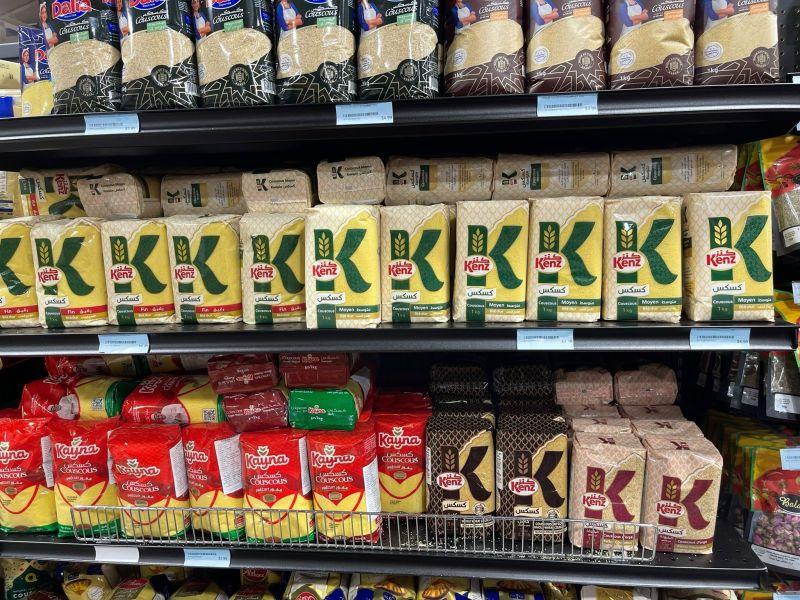
International growth attracts attention.
Morocco remains the foundation.
Dari needs its products available across supermarkets, wholesalers and traditional neighbourhood stores.
Traditional commerce is particularly important because food purchasing remains highly fragmented.
A consumer may recognise the brand but choose another product when Dari is not available nearby.
Distribution therefore becomes part of brand power.
The strongest food brands appear almost everywhere customers expect them.
Dari’s expanded production capability must be accompanied by stronger forecasting and replenishment.
Popular products should rarely disappear from shelves.
Slow products should not consume unnecessary space.
Industrial scale creates value only when distribution can absorb it.
Moroccan Households Are Changing
Food habits are evolving.
Families remain attached to traditional dishes, but lifestyles are becoming faster.
More people work outside the home.
Smaller households are increasing in major cities.
Consumers expect convenience without necessarily abandoning familiar food.
This creates opportunities.
Smaller couscous formats.
Faster-preparation products.
Portioned meals.
New pasta formats.
Potential prepared products built around Moroccan recipes.
Dari should innovate selectively.
The brand’s heritage is valuable precisely because consumers already understand what it represents.
Innovation should extend that relationship rather than confuse it.
The objective is not creating dozens of products.
It is identifying the next occasions when consumers could choose Dari.
Raw Materials Will Determine Margins
Cereal processing is exposed to commodity volatility.
Wheat prices can change because of harvest conditions, international trade and logistics.
Morocco also remains sensitive to domestic agricultural conditions.
A manufacturer cannot control global cereal markets.
It can control procurement discipline.
Supplier diversification.
Inventory.
Production efficiency.
Contract timing.
Waste.
Dari’s larger industrial platform can potentially increase purchasing power.
But scale also creates larger exposure when procurement decisions are wrong.
Risk management therefore becomes increasingly important as the company grows.
The difference between buying efficiently and poorly can affect margins across millions of units.
Water And Energy Matter More At Larger Scale
Industrial food production requires electricity and water.
Grinding.
Processing.
Cleaning.
Packaging.
Warehousing.
The larger the platform becomes, the larger the potential savings from efficiency.
Modern equipment can lower energy consumption per tonne.
Solar generation may reduce part of electricity exposure.
Water systems can identify unnecessary consumption.
Preventive maintenance can reduce downtime.
These improvements may appear operational rather than strategic.
They directly influence competitiveness.
A company exporting food cannot simply increase prices every time production costs rise.
Efficient factories create protection against external pressure.
Food Safety Must Scale With Production
Greater production also means greater responsibility.
A quality problem affecting one small batch is serious.
A problem spreading across a large national and international distribution network can become much larger.
Traceability therefore needs to strengthen with scale.
Which grain entered which production batch?
When was it produced?
Where was it distributed?
Which packaging materials were used?
How quickly can affected products be identified if a problem appears?
Dari’s brand value depends heavily on trust.
Consumers rarely think about food-safety systems when everything works.
They think about them immediately when something fails.
Industrial expansion must therefore be accompanied by equally strong quality infrastructure.
Africa Can Become A Larger Market
Morocco gives Dari an advantageous position for expansion across West and Central Africa.
Urbanisation is increasing.
Packaged-food consumption is growing.
Distribution networks are developing.
Moroccan companies already possess established commercial relationships across numerous African markets.
But the continent cannot be treated as one consumer market.
Income levels vary.
Package-size preferences differ.
Distribution conditions change by country.
Taste matters.
Dari should build market positions selectively, using reliable distributors and adapting formats where necessary.
Winning five markets deeply may produce greater value than entering twenty markets without enough commercial support.
The Diaspora Is A Brand Bridge
Moroccans living abroad provide Dari with another important advantage.
They already know couscous.
Many already understand Moroccan brands.
Diaspora supermarkets and specialised retailers can become natural starting points for international distribution.
But the ambition should extend beyond those communities.
The diaspora can introduce the brand.
Mainstream retail creates the larger opportunity.
A French, Belgian, Dutch or British consumer who discovers Dari through Moroccan cuisine can become a repeat customer without any family connection to Morocco.
That transition—from ethnic shelf to mainstream food aisle—is where international brand value can increase substantially.
The Acquisition Must Produce Integration
Acquisitions often look strongest on the announcement date.
The harder work follows.
Equipment must be integrated.
Production planning must be coordinated.
Employees need clear responsibilities.
Purchasing systems may change.
Maintenance standards need alignment.
Quality procedures must become consistent.
Duplicated activities should be identified without damaging capabilities the company needs.
The GSM acquisition was formally completed in June 2026, making execution the relevant question now.
Dari must ensure that a larger industrial perimeter does not simply become a more complicated organisation.
Successful consolidation should make the company stronger and more efficient.
The Food-Consolidation Test
Dari Couspate has reached an important point in its development.
The acquisition of the industrial and property assets of Les Grandes Semouleries du Maroc gives the company greater industrial depth at the heart of Morocco’s cereal-processing economy.
But capacity is not the final prize.
The larger opportunity is turning that capacity into:
Stronger Moroccan brands.
Better manufacturing efficiency.
Wider distribution.
Higher-value products.
More international customers.
Greater African reach.
A deeper relationship with consumers.
Morocco already possesses agricultural products and food-processing capability.
What it needs increasingly are companies that control more of the value between raw material and final consumer.
Dari has spent decades putting a Moroccan name on couscous shelves.
Its next chapter is about proving that greater industrial scale can make that name substantially more valuable — in Morocco, across Africa and eventually on mainstream shelves around the world.