
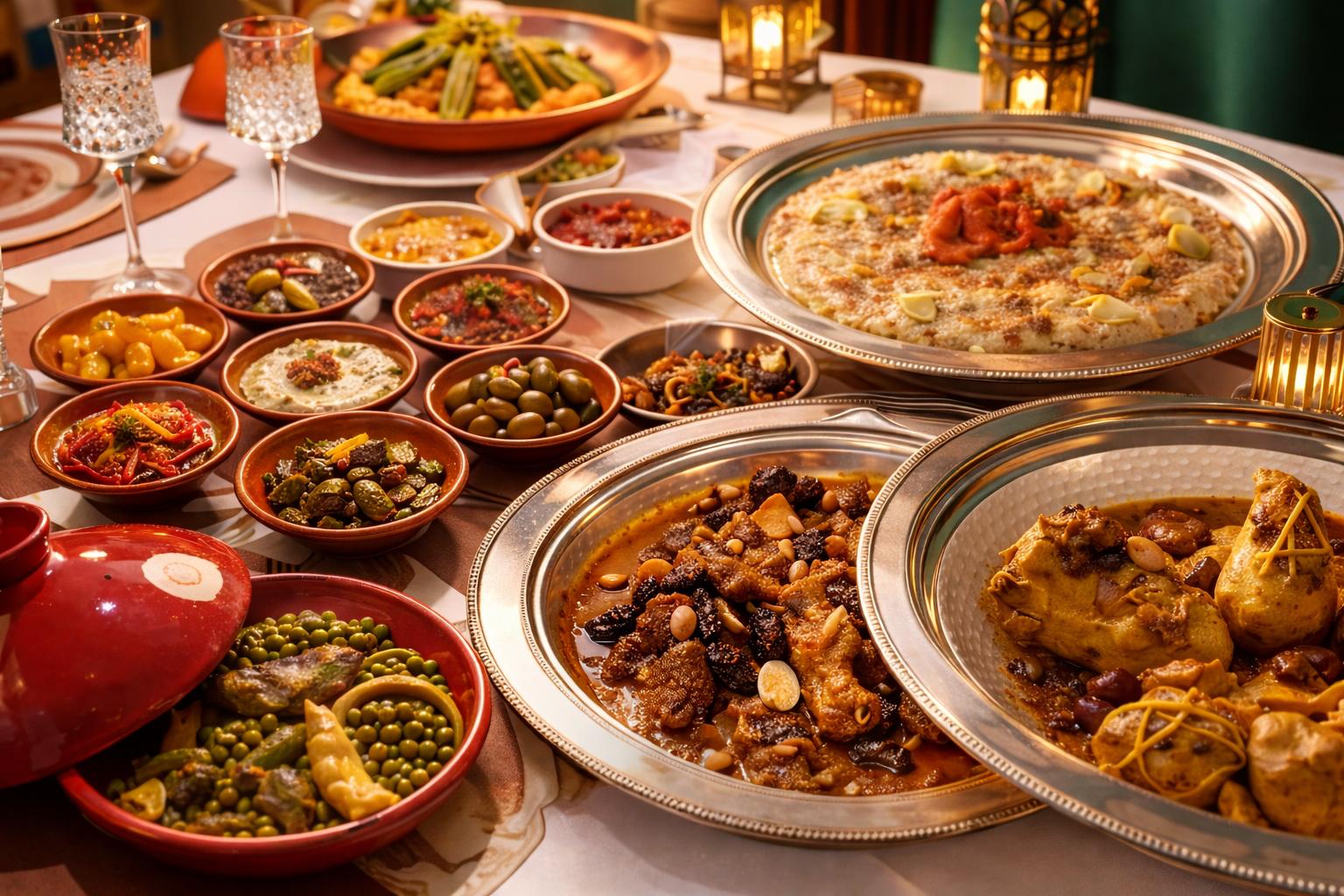
Morocco’s food story is outgrowing the postcard. For decades, the country’s culinary image abroad has been built around familiar symbols: tagines, couscous, mint tea, market spices and riad breakfasts. Those remain powerful, but they no longer capture the full economic picture.
The food sector is moving from cultural attraction to strategic asset. It now sits at the intersection of tourism, agriculture, exports, hospitality, jobs, logistics and the national preparation for 2030. That shift matters because food is no longer only what visitors consume after they arrive. It is becoming one of the reasons they choose Morocco in the first place.
Food Is Becoming A Tourism Product
Morocco’s tourism roadmap already recognises gastronomy and local products as part of the visitor economy. That is not a decorative detail. It is a policy signal. A destination that sells food well can increase visitor spending, extend stays and distribute money across smaller businesses. Restaurants, cafes, cooking schools, market guides, riad kitchens, farmers, artisans and local producers all become part of the same value chain.
The strongest tourism markets do not treat food as an afterthought. They package it as an experience. Morocco has the raw material to do that better than many competitors. The challenge is turning culinary strength into a scalable, professional and exportable tourism product.
The Tagine Is Not The Whole Economy
The tagine is globally recognisable, but Morocco cannot let one dish define the whole national food identity. The country has a wider culinary base: Fassi cuisine, coastal seafood, Amazigh food traditions, Saharan tea culture, pastries, olive oil, argan products, citrus, dates, spices, bread, street food and modern restaurant concepts.
That variety gives Morocco an advantage before 2030. Visitors coming for the World Cup will not all want the same meal. Some will want fast food before a match, others will want premium dining, family restaurants, food markets, late-night cafes or curated culinary experiences. A mature food economy must serve all of those layers without losing its Moroccan character.
Hospitality Will Decide The Value
Food can attract attention, but hospitality determines whether it creates value. A beautiful dish is not enough if service is slow, pricing is unclear, hygiene standards vary or payment systems are unreliable. Tourists remember the full experience, not only the flavour.
That is why the food economy must be treated like infrastructure. Training matters. Menus matter. Clean kitchens matter. Digital payments matter. Reservation systems matter. Supplier reliability matters. If Morocco wants its food scene to become a 2030 asset, the standard must become more consistent across cities, not only strong in a few premium addresses.
Agriculture Is The Hidden Base
Behind every restaurant plate sits agriculture. Morocco’s food economy depends not only on chefs and cafes, but on farms, greenhouses, irrigation, labour, packaging and export logistics. Reuters has reported that Morocco’s fruit and vegetable exports are worth about $4.5 billion, showing the scale of the agricultural base behind the country’s food system.
That scale is an advantage, but it also exposes pressure points. The same Reuters report highlighted labour shortages in key greenhouse regions, with West African migrants increasingly filling farm jobs as rural Moroccans move toward construction and service work. That is a serious warning for a country trying to scale both tourism and food exports before 2030. A food economy cannot grow sustainably if the farm labour model underneath it is fragile.
The 2030 Visitor Will Expect Choice
The World Cup will bring very different types of visitors. Football fans travelling on tight budgets. Corporate guests. Families. Sponsors. Media teams. Diaspora visitors. Luxury tourists. Short-stay travellers moving between Morocco, Spain and Portugal. Each group will eat differently.
That means Morocco’s food sector must be broad enough to serve a global crowd while still feeling local. The opportunity is not to copy international chains everywhere. It is to professionalise Moroccan formats so they can compete with global standards. A clean, fast, well-branded Moroccan sandwich shop can be as important as a five-star restaurant. A reliable cafe near a stadium can matter as much as a famous riad dinner. Scale does not mean abandoning identity. It means making identity easier to consume.
Street Food Needs A Modern Operating Model
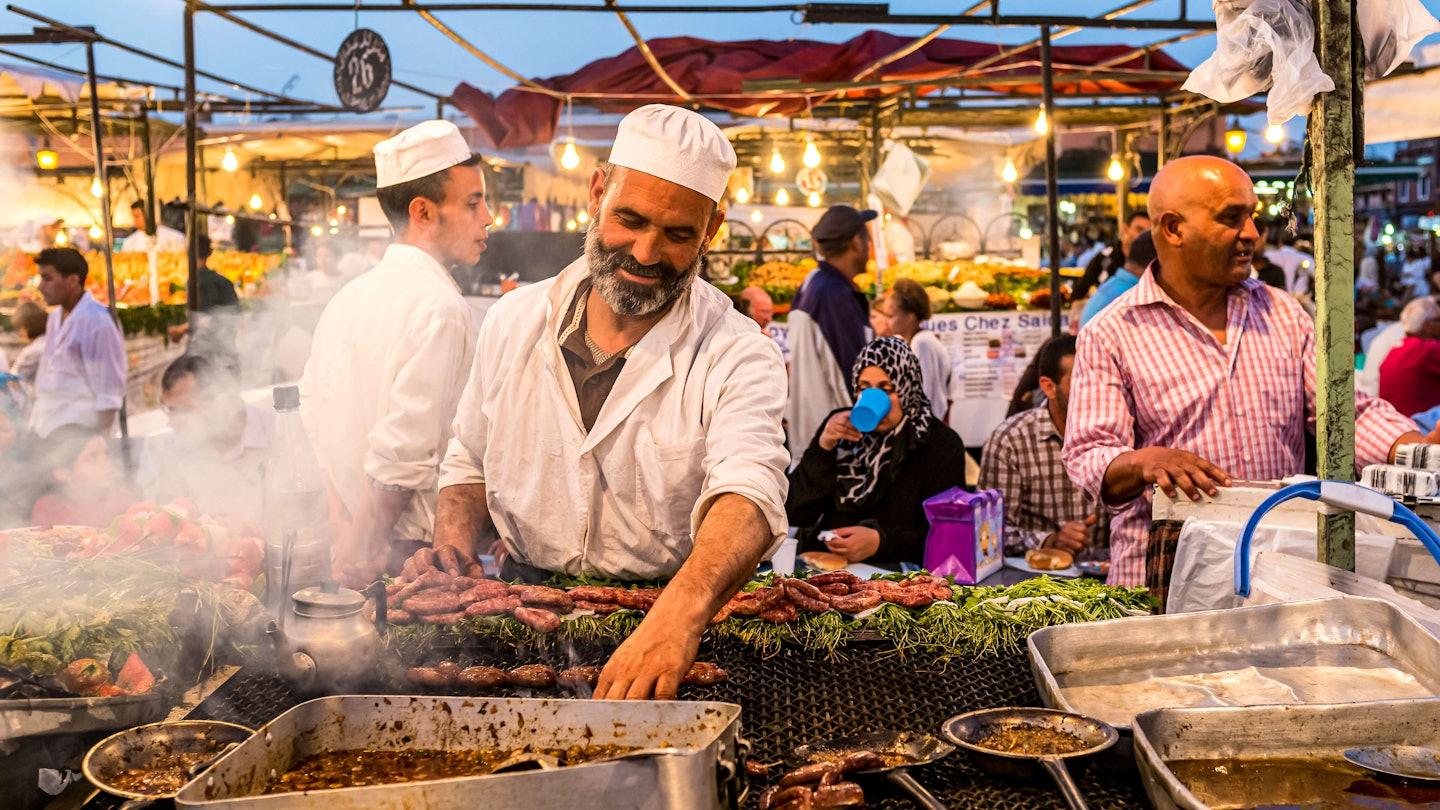
Morocco has a powerful street-food culture, but street food must be prepared carefully for a mega-event environment. The opportunity is obvious. Visitors love food that feels local, affordable and visual. Morocco has products that work perfectly for short-form video, from grilled seafood and msemen to fresh juices, brochettes, pastries and mint tea.
The risk is just as clear. If quality, cleanliness, queues and pricing are inconsistent, the same food that attracts visitors can damage confidence. The next stage is therefore not to sanitise street food into something generic. It is to give it a better operating model: cleaner stalls, clearer menus, digital payments, better waste management, stronger food safety and locations designed for high visitor flows. That is how street food becomes an asset rather than a gamble.
Local Products Can Become Premium Exports
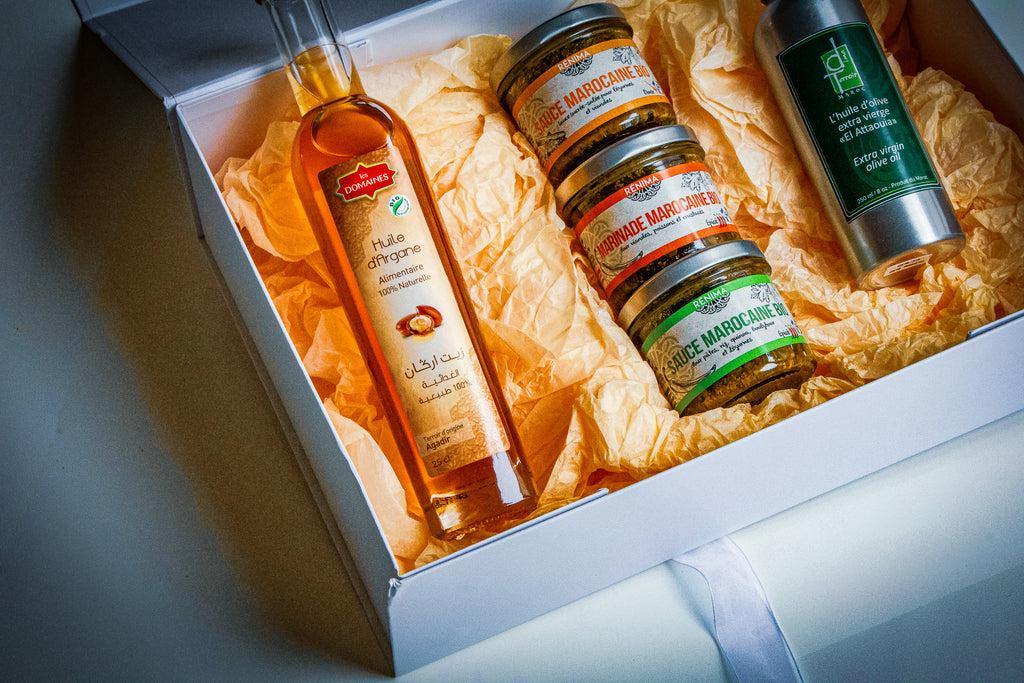
Morocco’s food economy also has an export branding opportunity. Amlou, argan oil, olive oil, dates, saffron, spices, preserved lemons, tea blends, pastries and regional products can all move beyond souvenir status if they are packaged with stronger quality control, design and distribution.
This is where food connects to lifestyle. A visitor who enjoys Morocco should be able to take part of that experience home through products that feel premium, authentic and safe. That requires better packaging, traceability and storytelling. France, Italy, Spain and Turkey have all used food identity as a soft-power tool. Morocco can do the same, but only if local products move from informal charm to professional export readiness.
Restaurants Are Becoming Brand Infrastructure
In a tourism economy, restaurants do more than feed people. They shape the image of a city. A visitor’s memory of Marrakech, Fes, Tangier, Rabat, Casablanca or Agadir is often built around meals, service, atmosphere and the feeling of being welcomed.
That makes restaurants part of national branding. A strong restaurant sector can make a city feel alive. A weak one can make even a beautiful destination feel unfinished. Before 2030, Morocco’s restaurant scene must therefore be treated as part of the visitor infrastructure, not a side business left entirely to chance.
The Labour Question Cannot Be Ignored
Scaling food and hospitality requires people. Chefs. Waiters. Farm workers. Drivers. Cleaners. Managers. Procurement teams. Baristas. Bakers. Event caterers. If tourism, agriculture, construction and services all grow at once, Morocco will face competition for workers. Reuters’ reporting on farm labour already shows how quickly labour shortages can reshape production models.
The same pressure can appear in hospitality. The answer is not only more jobs. It is better training, clearer career paths, stronger service culture and wages that make the sector attractive enough to retain talent. A food economy built on undertrained labour will not deliver premium tourism value.
Morocco Must Move From Charm To Systems
Moroccan food already has charm. That is not the problem. The challenge is systems. Supply chains must be reliable. Standards must be repeatable. Service must be trainable. Payment must be easy. Branding must be clear. Food safety must be credible. Local producers must be able to reach hotels, restaurants and export buyers without losing quality.
This is the difference between a famous cuisine and a scalable food economy. One wins admiration. The other creates jobs, exports and long-term tourism value.
The Bottom Line
Morocco’s food economy is moving beyond tagines. The country still has one of the world’s most recognisable culinary identities, but the 2030 opportunity requires more than famous dishes. It requires a professional ecosystem that connects agriculture, restaurants, street food, local products, tourism and export branding.
The assets are already there: strong cuisine, regional diversity, major agricultural exports, global tourism growth and a World Cup deadline that can force faster execution. The warning is equally clear. If Morocco treats food only as culture, it will remain a beautiful side story. If it treats food as infrastructure, the sector can become one of the strongest economic and branding assets of the 2030 cycle.