

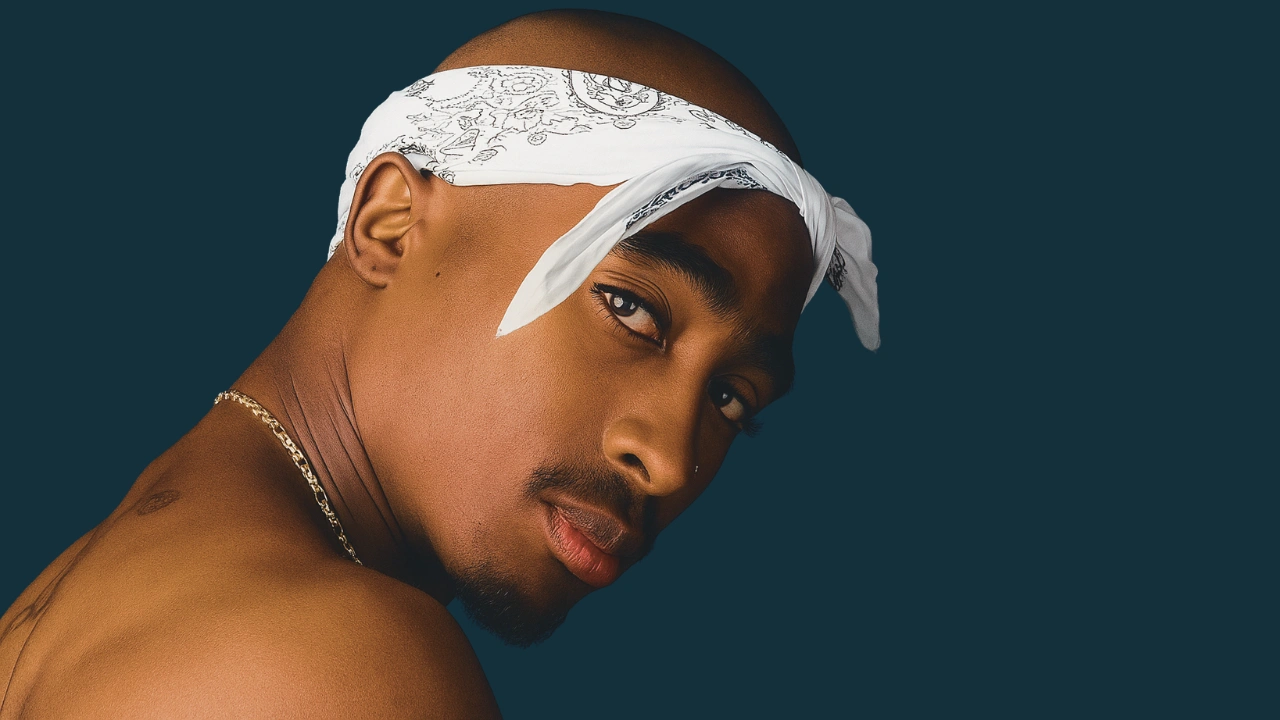
Nearly 30 years after Tupac Shakur was shot in Las Vegas, one of hip-hop’s most famous unsolved murders has finally reached a jury.
The trial of Duane “Keffe D” Davis opened on 17 August 2026.
Davis has pleaded not guilty.
Prosecutors do not accuse him of personally firing the bullets that killed Tupac. They allege that he helped organise the retaliatory attack, was inside the Cadillac used in the shooting and played a key role in making the murder happen.
But this case has an unusual feature.
For years, Davis talked about it himself.
- In interviews.
- Documentaries.
- Police conversations.
- And eventually in his memoir.
Those words helped make him one of the most prominent voices in the mythology surrounding Tupac’s death.
Now prosecutors want to use them against him.
That is what makes this trial different from every documentary, podcast and conspiracy theory that came before it.
For almost three decades, people could tell stories about Tupac’s murder.
Now one of those stories has to survive a courtroom.
Tupac’s Final Night Has Been Reconstructed For Decades
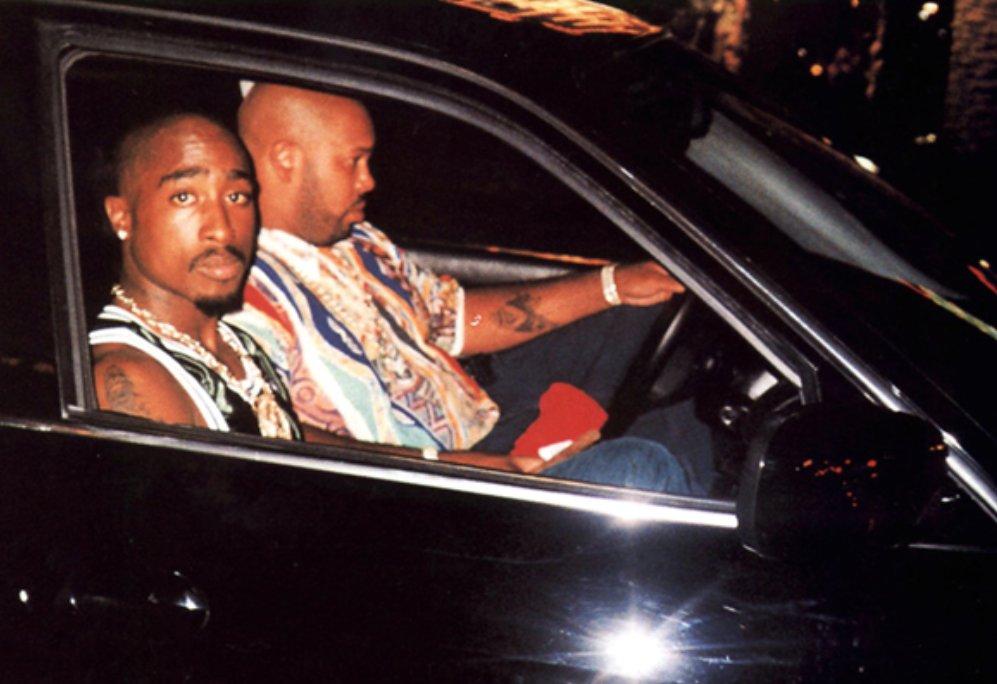
On 7 September 1996, Tupac attended the Mike Tyson–Bruce Seldon fight at the MGM Grand in Las Vegas.
After the fight, Tupac and members of his entourage became involved in an altercation with Orlando Anderson, a member of the South Side Compton Crips and Davis’s nephew.
Later that night, Tupac was travelling in a BMW driven by Death Row Records co-founder Marion “Suge” Knight.
A white Cadillac pulled alongside them.
Gunfire followed.
Tupac was hit multiple times.
He died six days later.
He was 25.
For years, investigators examined theories involving gang retaliation, the music industry and the violent East Coast–West Coast rivalry that dominated hip-hop in the 1990s.
Nobody was prosecuted.
That absence of a courtroom allowed the case to become something larger than an unsolved murder.
It became mythology.
Davis Put Himself Inside The Story
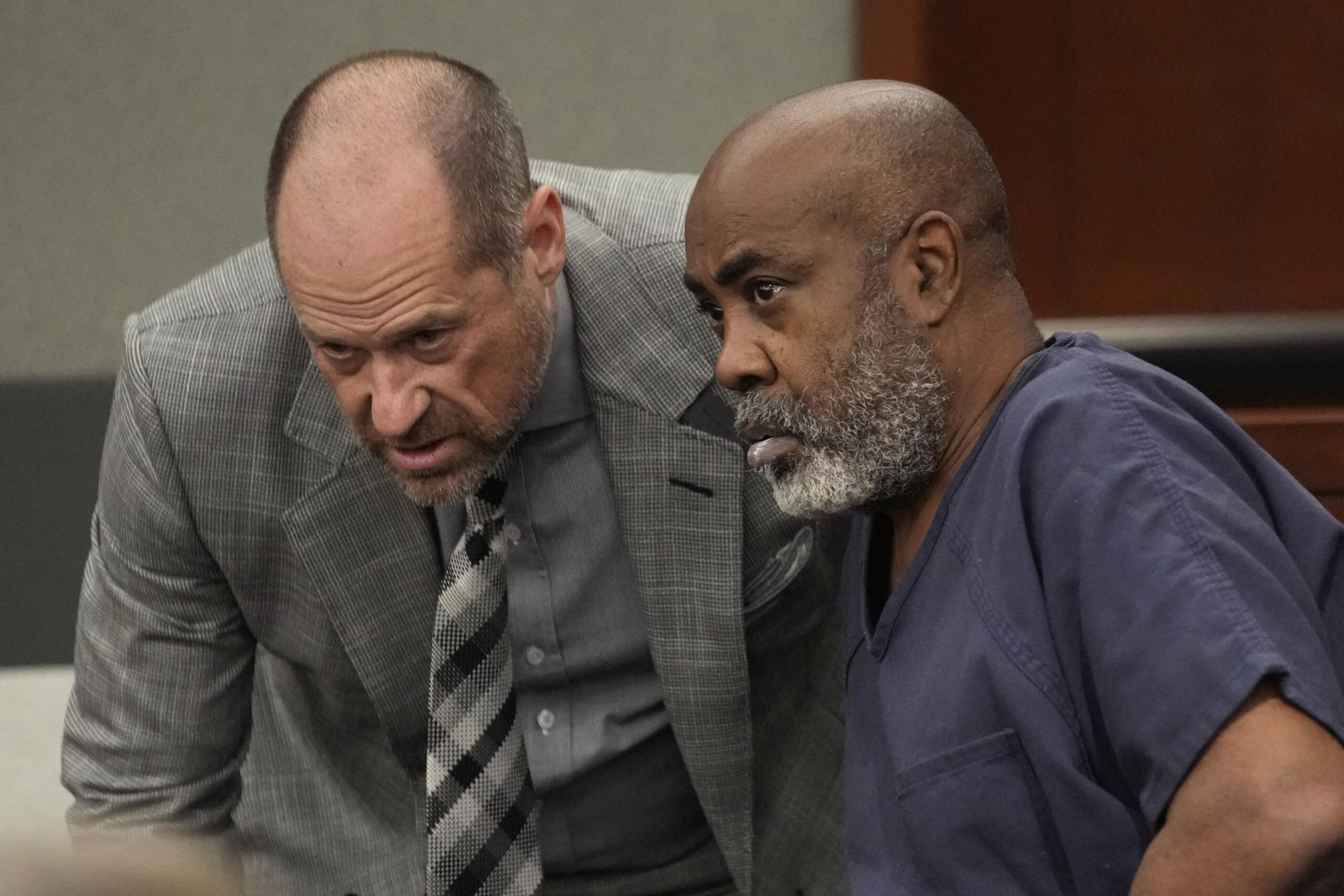
Davis was never an unknown figure in the case.
- He publicly acknowledged being inside the Cadillac.
- He discussed the people allegedly travelling with him.
- He described what happened before and after the shooting.
- He later wrote about the case in Compton Street Legend.
That history is now central to the prosecution.
The government’s position is essentially that Davis spent years describing his involvement because he knew what happened from the inside.
The defence has a very different explanation.
- It says Davis exaggerated.
- That he built a persona.
- That notoriety had value.
- That interviews, documentaries and books rewarded him for telling the most dramatic version possible.
The jury may therefore have to decide something unusually simple and unusually difficult:
Was Keffe D admitting what happened — or selling a story?
His Words Are Now Evidence, Not Entertainment
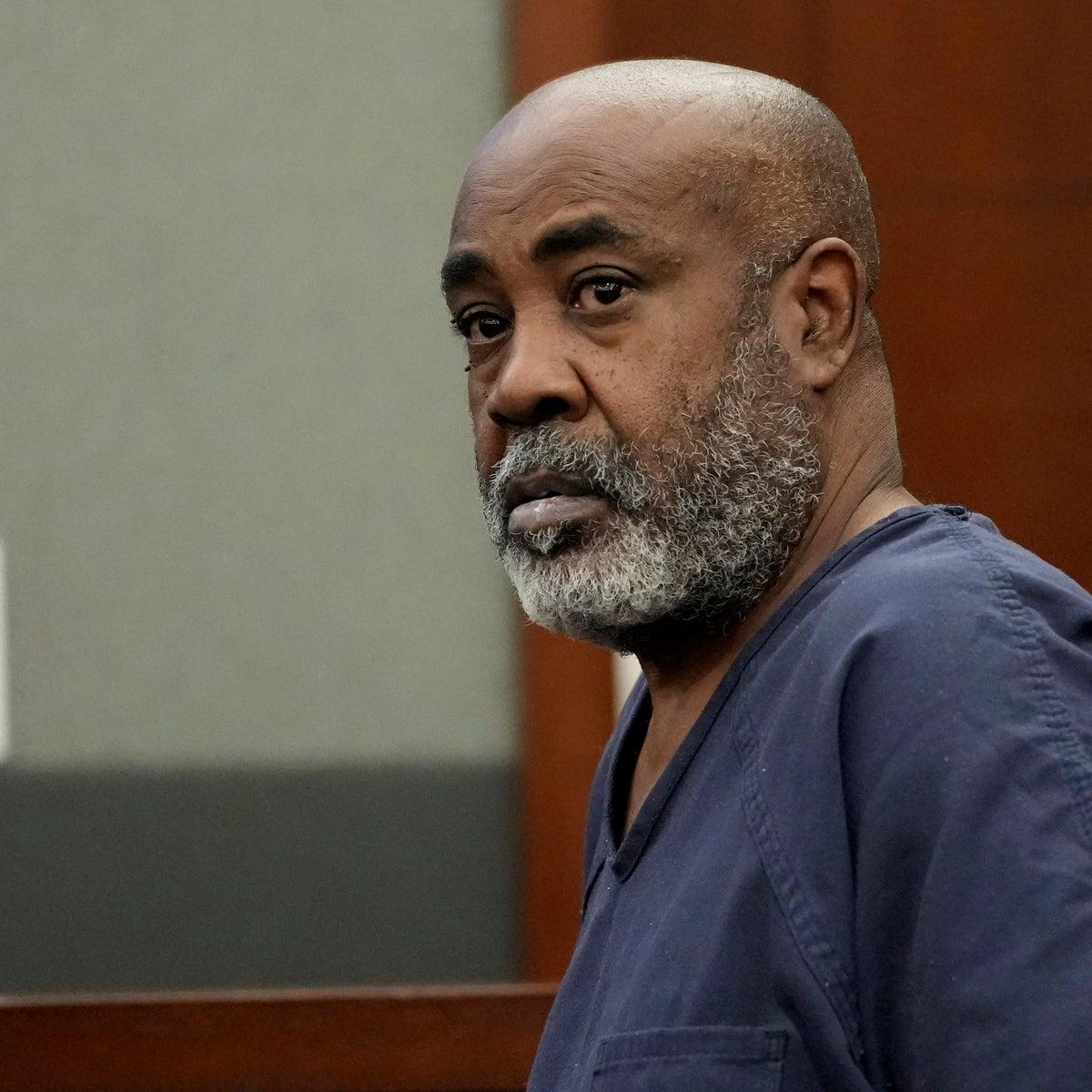
That distinction is the heart of the case.
A statement made for a documentary is consumed as content.
A statement introduced in a murder trial is examined differently.
- When did Davis say it?
- What exactly did he say?
- Was his account consistent?
- Did independent evidence support it?
- Was he seeking money or attention?
- Did he have a reason to exaggerate?
The same sentence can look very different when moved from television into a courtroom.
That is what makes the case culturally fascinating.
Davis spent years participating in the media economy surrounding Tupac’s murder.
Now that media history may become part of the legal case against him.
Prosecutors Do Not Need To Prove He Pulled The Trigger
This is another important point.
The public has spent decades asking who physically shot Tupac.
That question may not decide this trial.
Prosecutors allege that Davis helped organise the retaliation after the MGM Grand fight and facilitated the attack.
If jurors conclude that he knowingly participated in the murder plan, criminal responsibility does not necessarily depend on proving that he personally fired the gun.
That means a conviction could still leave one of the most famous questions surrounding Tupac’s death unresolved.
Who actually pulled the trigger?
The legal case can be narrower than the cultural mystery.
Thirty Years Makes Everything Harder
Cold cases deteriorate.
- Witnesses die.
- Memories change.
- Physical evidence disappears.
- Investigators retire.
And in a case this famous, witnesses are exposed to decades of outside information.
- Books.
- Movies.
- Interviews.
- YouTube videos.
- Podcasts.
- Conspiracy theories.
That creates a difficult problem.
A person may genuinely remember something today without knowing whether the memory comes from 1996 or from hearing the same story repeated for 30 years.
The prosecution therefore has to build a case from evidence strong enough to survive that contamination.
The defence only needs to create reasonable doubt.
Time damages both certainty and memory.
Time Also Created The Case
Yet there is an irony.
The same 30 years that weakened much of the original evidence also produced years of statements from Davis himself.
The case stayed alive because people kept talking about it.
Davis became increasingly public.
Tupac’s murder remained commercially valuable.
Media companies kept revisiting it.
Every interview created another record.
Every documentary added another version.
Every public statement became something investigators could later examine.
Had Davis remained silent, this trial might look very different.
Tupac’s Murder Became An Industry
Few unsolved murders have generated as much entertainment as Tupac’s.
- Documentaries.
- Books.
- True-crime series.
- Podcasts.
- Movies.
- Archive releases.
- Interviews.
- Online investigations.
The unanswered questions created an endless supply of content.
- Who was inside the Cadillac?
- Was Orlando Anderson the shooter?
- What did Suge Knight know?
- Was the East Coast–West Coast rivalry really responsible?
- Was there a wider music-industry conspiracy?
The mystery itself became commercially valuable.
That does not mean anyone wanted the case to remain unsolved.
But uncertainty created stories.
And stories created audiences.
Courtroom Rules Are Different
That entire media ecosystem operates through possibility.
Maybe this happened.
Perhaps that person knew something.
One source claims this.
Another documentary argues that.
A criminal trial strips much of that away.
Witnesses can be cross-examined.
Statements need context.
Evidence can be challenged.
The prosecution must prove its case beyond reasonable doubt.
That is what makes the current moment significant.
For the first time, one of the dominant versions of Tupac’s murder is being tested under rules far stricter than those of popular culture.
A Verdict May Still Not Solve Everything
If Davis is convicted, the public may describe Tupac’s murder as solved.
That could be too simple.
A conviction would establish Davis’s legal responsibility if jurors accept the prosecution’s case.
It would not necessarily answer every historical question.
If he is acquitted, that would not prove every alternative theory correct either.
It would mean prosecutors failed to prove this case beyond reasonable doubt.
With several people linked to the original investigation now dead and nearly three decades already passed, either verdict could leave parts of the story permanently unresolved.
Tupac Never Became A Historical Footnote
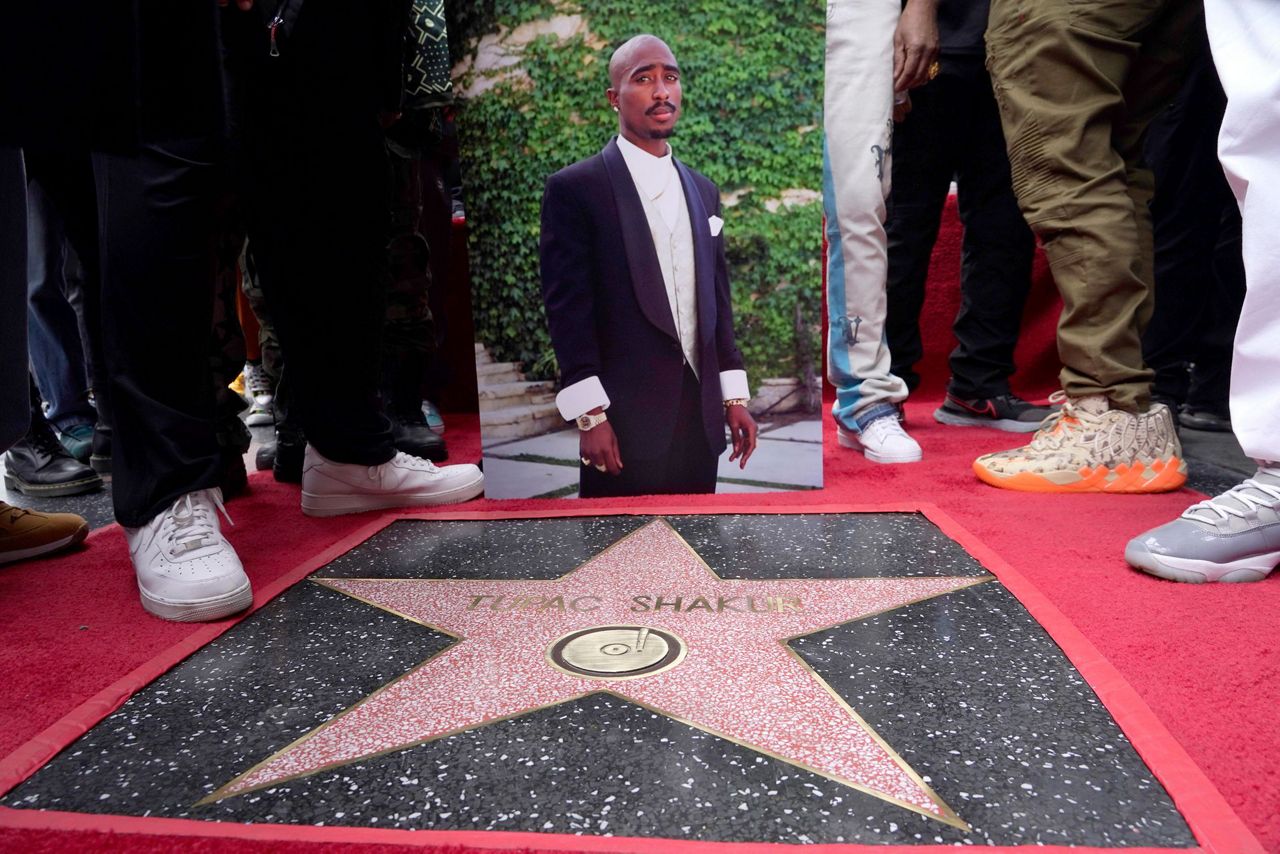
The trial matters because Tupac never disappeared culturally.
His music continued reaching new generations.
His image became global.
His catalogue remained valuable.
His interviews continued circulating.
His death became inseparable from the history of hip-hop.
That means a murder trial beginning in 2026 does not feel like an old case being reopened.
It feels like a major chapter in a story that never stopped.
Keffe D May Have Talked Himself Into Court
That is ultimately what makes this case extraordinary.
For decades, people asked whether someone connected to Tupac’s murder would finally speak openly enough to unlock the case.
Davis did exactly that.
Repeatedly.
The question now is whether he said too much.
The prosecution wants jurors to believe his public statements were pieces of truth.
The defence wants them to believe they were pieces of performance.
For nearly 30 years, Tupac’s murder lived comfortably between fact, rumour and entertainment.
That space is disappearing.
A jury now has to decide what can actually be proved.
And Keffe D’s greatest problem may turn out not to be something another witness says about him.
It may be everything he spent years saying about himself.
 Martino Oosterveer, Contributing Editor