

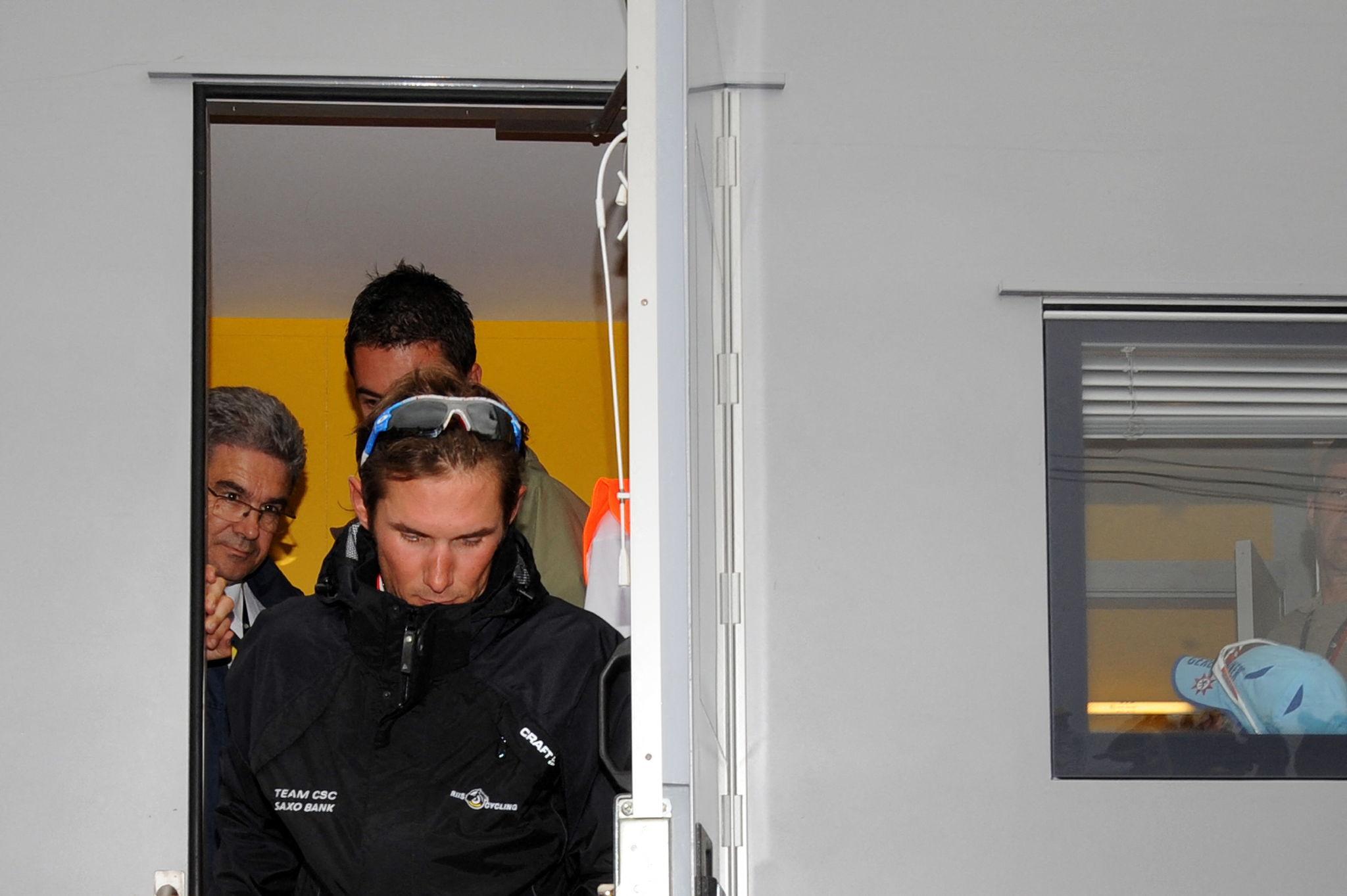
The Tour de France has entered a new kind of race.
Not only on the climbs.
Not only in the time trials.
Not only in the battle for yellow.
The new race is happening in hotel corridors, behind closed doors, when riders are supposed to be sleeping.
Anti-doping officials have begun testing riders at night and before dawn, turning the most exhausting event in cycling into a debate about fairness, science, privacy and safety.
This is not a technical dispute.
It goes to the heart of cycling’s most painful question.
How far should sport go to make sure the race is clean?
Dawn Doping Fight Enters The Tour
The Dawn Doping Fight matters because cycling carries a history no other major sport can fully escape.
The Tour de France is beautiful because of its suffering, but that same suffering has also made it vulnerable to suspicion. Every extraordinary performance is admired, analysed and questioned. Every dominant climb brings applause and doubt at the same time.
Reuters reported that former professional cyclist and EF Education-EasyPost manager Jonathan Vaughters defended night-time controls, saying such testing could have exposed the blood-doping era decades earlier if it had existed at the time.
That is the argument for aggressive testing.
Doping does not respect office hours.
So anti-doping cannot only work during office hours.
Why Night Testing Matters
The logic behind night testing is simple.
Some substances or methods may have short detection windows. Some recovery products may be used when riders are away from the race environment. Some manipulation may happen at times when athletes believe testing is unlikely.
If testing only happens at predictable hours, the system creates opportunity.
Night testing tries to close that gap.
It sends a message to riders, teams, doctors and anyone tempted to cheat: there is no safe hour.
That deterrent effect may matter as much as the test itself.
In a sport where one illegal advantage can change a mountain stage, a contract, a team budget or a career, unpredictability becomes part of enforcement.
The Riders’ Side Is Also Serious
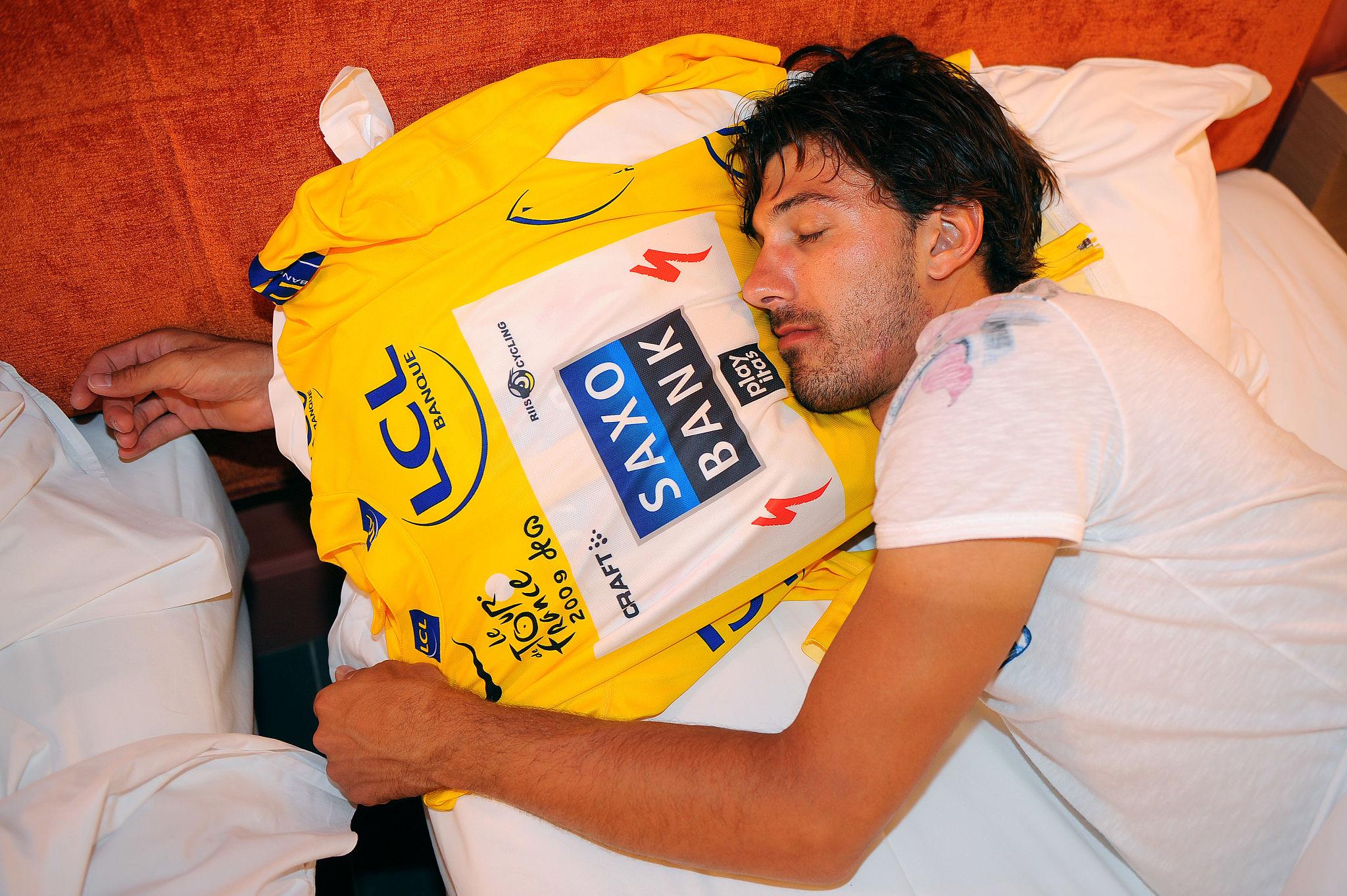
But the riders’ concern is not fake.
A Tour de France rider is not a normal office worker being asked to wake up early.
He is an athlete inside a three-week physical and psychological stress machine. Sleep is not comfort. It is recovery. It is safety. It is performance. It is part of surviving high-speed descents, crowded roads, mountain attacks and split-second decisions.
That is why night controls are controversial.
Testing a rider at 2 a.m. or 5 a.m. may protect fairness, but it can also disrupt the sleep of someone who must race the next day at extreme intensity.
The Times reported criticism that testing riders at 2 a.m. creates danger because sleep disruption can affect cognitive function before a high-speed sport.
That is the counterargument.
Clean sport matters.
So does rider safety.
Cycling’s Past Shapes Every Present Decision
No one can discuss this issue honestly without cycling’s past.
The sport has been damaged by organised doping, blood manipulation, false denials and years of broken trust. The public does not forget easily. Sponsors do not forget. Fans do not forget. Clean riders do not forget.
That history explains why some people support severe testing.
They believe cycling lost the right to soft enforcement.
They believe the sport’s credibility depends on controls that are unpredictable, intrusive and difficult to game.
Vaughters’ argument fits that view. He is not speaking as an outsider. He lived inside cycling’s previous era and has become one of the loudest voices for stronger anti-doping culture.
His message is blunt.
If the old system failed because it was too predictable, the new system cannot repeat that mistake.
The New Suspicion Window
Modern anti-doping is not only about catching someone after a stage.
It is about understanding timing.
When does a substance enter the body?
How long can it be detected?
When is recovery manipulated?
When is blood profile risk highest?
When would a rider least expect a knock on the door?
That is why the early morning matters.
It targets the hours that may be most attractive to anyone trying to avoid detection. The more sophisticated doping becomes, the more sophisticated testing must become.
But sophistication creates tension.
A system that can test at any hour may be more effective.
It may also feel more invasive.
This is the line cycling is now walking.
The Hotel Corridor Becomes Part Of The Race
The Tour de France is already a controlled world.
Riders wake, eat, travel, race, recover, speak to media, receive treatment, sleep and repeat. Their bodies are monitored constantly. Their food is planned. Their power data is analysed. Their blood values are watched. Their movements are scheduled.
Night testing adds another layer.
The hotel room, normally the last private space in the race, becomes part of the anti-doping field.
That changes the psychology.
A rider cannot fully switch off if the door can open before dawn. A team cannot plan recovery with complete certainty if testing can interrupt sleep. A staff member must manage both compliance and performance.
The race no longer ends at the finish line.
It follows the rider into the night.
The Public Wants Clean Heroes
Fans want to believe.
That is the emotional truth.
They want to watch a rider attack on a climb and feel wonder, not suspicion. They want to see courage, not chemistry. They want to believe that suffering is real and that victory belongs to the strongest, smartest and bravest athlete, not the best-hidden medical programme.
This is why anti-doping controls matter for entertainment too.
A clean race is not only a legal requirement.
It is the foundation of the story.
If fans stop trusting the performances, the Tour loses part of its magic. The mountains still look beautiful. The crowds still sing. The yellow jersey still matters. But the emotional contract becomes weaker.
Cycling knows this better than almost any sport.
Too Much Intrusion Can Also Damage Trust
There is another danger.
If controls feel arbitrary, excessive or unsafe, riders may begin to distrust the system meant to protect them. Fans may also divide into camps: those who see every test as necessary, and those who see athletes being treated like suspects before proof exists.
That can damage the atmosphere.
Anti-doping must be strong, but it also must be credible. Credibility requires clear rules, proportionality, medical logic and consistent communication. If riders are woken at extreme hours, the authorities need to explain why the method is necessary and how safety is protected.
The public does not need every confidential detail.
But it needs confidence that the system is not reckless.
The Difference Between Suspicion And Proof
One of the hardest parts of this debate is language.
A night test does not mean a rider is guilty.
It means authorities are using a tool available to them under certain conditions. But in the public imagination, being tested at night can quickly become suspicious. Fans may speculate. Social media may name names. Rival supporters may weaponise the information.
That is unfair if no violation is established.
Cycling must therefore protect two things at once.
The right to test.
And the presumption of innocence.
A tough anti-doping system should not become a public rumour machine.
Teams Are Now Part Of The Communication Battle
Teams have to manage the optics carefully.
If they criticise night testing too loudly, they may look like they are resisting anti-doping. If they support it too strongly, riders may feel their recovery concerns are being ignored. If they say nothing, speculation fills the silence.
Vaughters chose to defend the controls publicly.
That gives the debate weight because he represents a team and a history. His position suggests that some inside cycling believe the discomfort is justified by the need to protect the race.
Other voices will disagree.
That is healthy, as long as the debate stays focused on rules, safety and evidence.
The Sleep Question Cannot Be Ignored
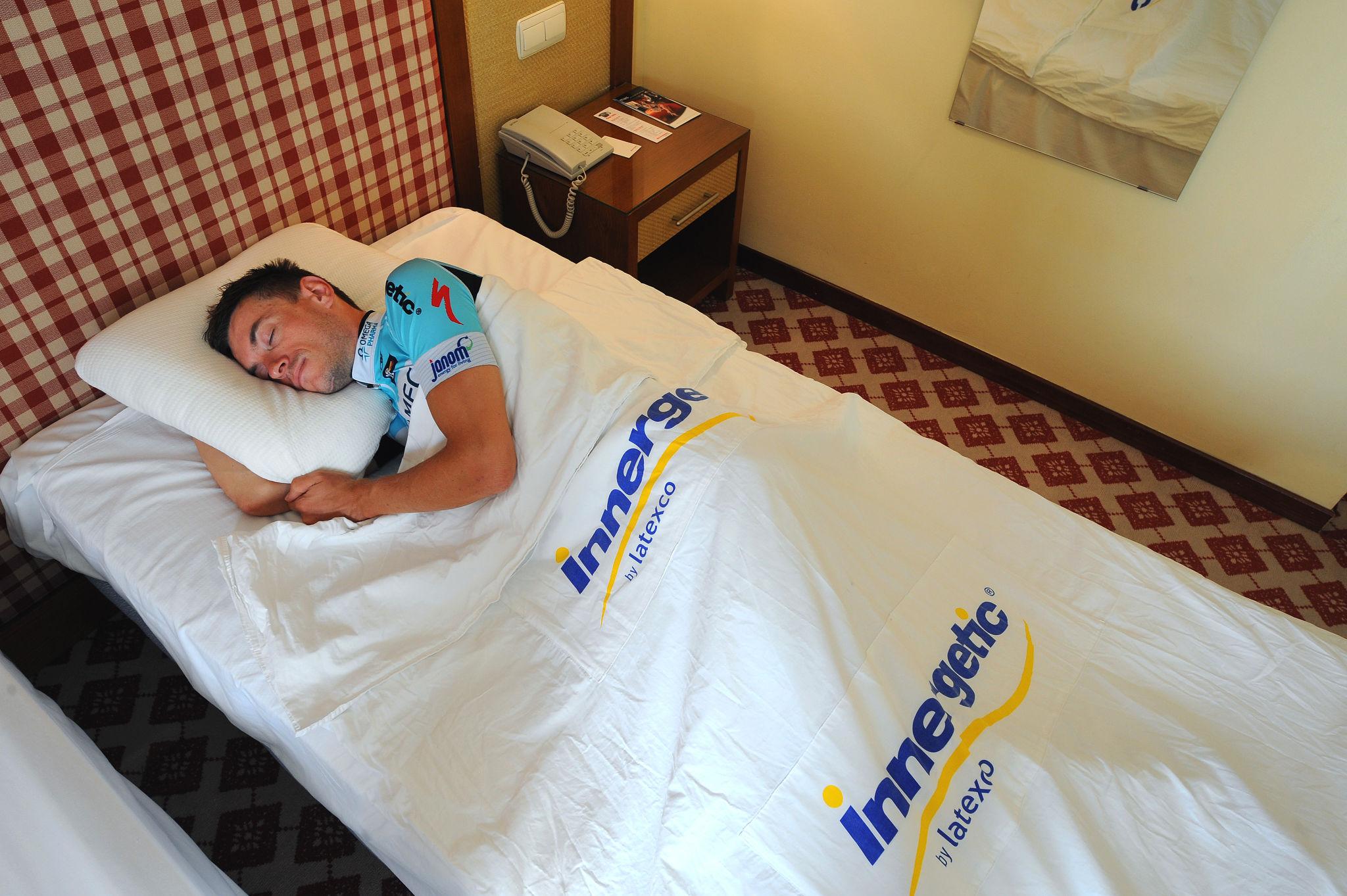
Sleep is not a minor issue in elite sport.
During the Tour, recovery time is limited. A rider’s body is damaged day after day. Muscles need repair. The nervous system needs rest. The brain needs clarity. Poor sleep can affect reaction time, mood, decision-making and injury risk.
That makes night testing medically sensitive.
The anti-doping system must avoid becoming a performance variable. If one rider loses sleep before a crucial mountain stage and another does not, the control itself can influence competition conditions.
That does not mean night testing should never happen.
It means it must be used with discipline.
The cure for unfair competition cannot create a new unfairness.
Cycling’s Credibility Is Built On Discomfort
Still, the uncomfortable truth is that effective anti-doping will never feel pleasant.
Blood tests are intrusive.
Urine tests are awkward.
Whereabouts rules are restrictive.
Biological passports are constant.
Hotel visits are disruptive.
Out-of-competition testing follows athletes into private life.
Clean sport requires inconvenience because cheating often hides in convenience. If the system becomes too polite, too predictable or too easy to avoid, it stops working.
Cycling’s challenge is therefore not to make anti-doping comfortable.
It is to make it justified.
The Old Era Still Haunts The New Generation
Many current riders were children when cycling’s biggest doping scandals defined the sport.
They did not create that history.
But they live under its shadow.
That can feel unfair. A new generation wants to be judged on its own performances, not on the sins of previous eras. Yet the sport’s credibility still depends on proving that the past is not returning in a more sophisticated form.
This is the burden of cycling.
Clean riders pay part of the price for the dirty history they inherited.
Night testing is one example of that price.
The question is whether it protects them or punishes them.
The answer may depend on how carefully the system is applied.
The Tour Cannot Afford Naivety
The Tour de France is too important to be naïve.
The race is watched globally, commercially valuable and historically vulnerable. If anti-doping authorities believe night testing is needed to detect or deter modern methods, ignoring that tool would be difficult to justify.
Fans may not like the intrusion.
Riders may hate the disruption.
But another major doping scandal would be far worse.
It would damage careers, teams, sponsors, broadcasters and the public’s belief in the race.
Cycling has learned that trust is easier to lose than rebuild.
But The Tour Also Cannot Afford Recklessness
At the same time, the Tour cannot treat riders like machines.
They are humans performing at the edge of endurance. A testing programme that ignores sleep, safety and proportionality risks undermining the athletes it claims to protect.
The ideal system must be strong enough to catch cheats and careful enough not to harm clean riders.
That is a difficult balance.
But elite sport is full of difficult balances.
Privacy versus transparency.
Recovery versus enforcement.
Suspicion versus proof.
Fairness versus safety.
The night-testing debate forces all of them into one hotel room before dawn.
The New Anti-Doping Era Is Psychological
The most powerful effect of night testing may be psychological.
A rider who knows testing can happen at any time must live differently. A doctor thinking about shortcuts must think twice. A team culture tempted by risk must understand that the window is smaller.
That uncertainty can protect clean athletes.
It can also create stress for everyone.
This is the paradox.
The same tool that deters cheating may disturb innocent riders.
Sport often accepts that trade-off when the integrity stakes are high.
Cycling is now deciding how much disturbance it is willing to tolerate.
What Fans Should Watch Next
The important question is not only whether night testing happened.
It is what comes next.
Will authorities explain the criteria?
Will riders’ unions push for limits?
Will teams demand clearer protocols?
Will night testing remain rare or become normal?
Will any adverse findings result from these controls?
Will the debate shift from outrage to accepted practice?
The answers will define whether this becomes a brief Tour controversy or a permanent part of cycling’s anti-doping model.
A single night test is news.
A new testing culture is a structural change.
The Bottom Line
The Dawn Doping Fight is a reminder that cycling’s clean-sport battle is never finished.
Reuters reports that Jonathan Vaughters defended night and pre-dawn controls at the Tour de France, arguing that such testing might have exposed cycling’s blood-doping era much earlier if it had existed decades ago.
That is the strongest argument for the new approach.
Cheating can happen when nobody is looking.
So the system must be able to look at uncomfortable hours.
But the riders’ side cannot be dismissed. Sleep, recovery and safety are real concerns in a three-week race where fatigue can become dangerous.
The Tour de France now faces a difficult truth.
To protect the race, anti-doping may need to enter the night.
To protect the riders, it must know exactly when to leave them asleep.
 Jamal Mahdad, Founder & Editor-in-Chief