
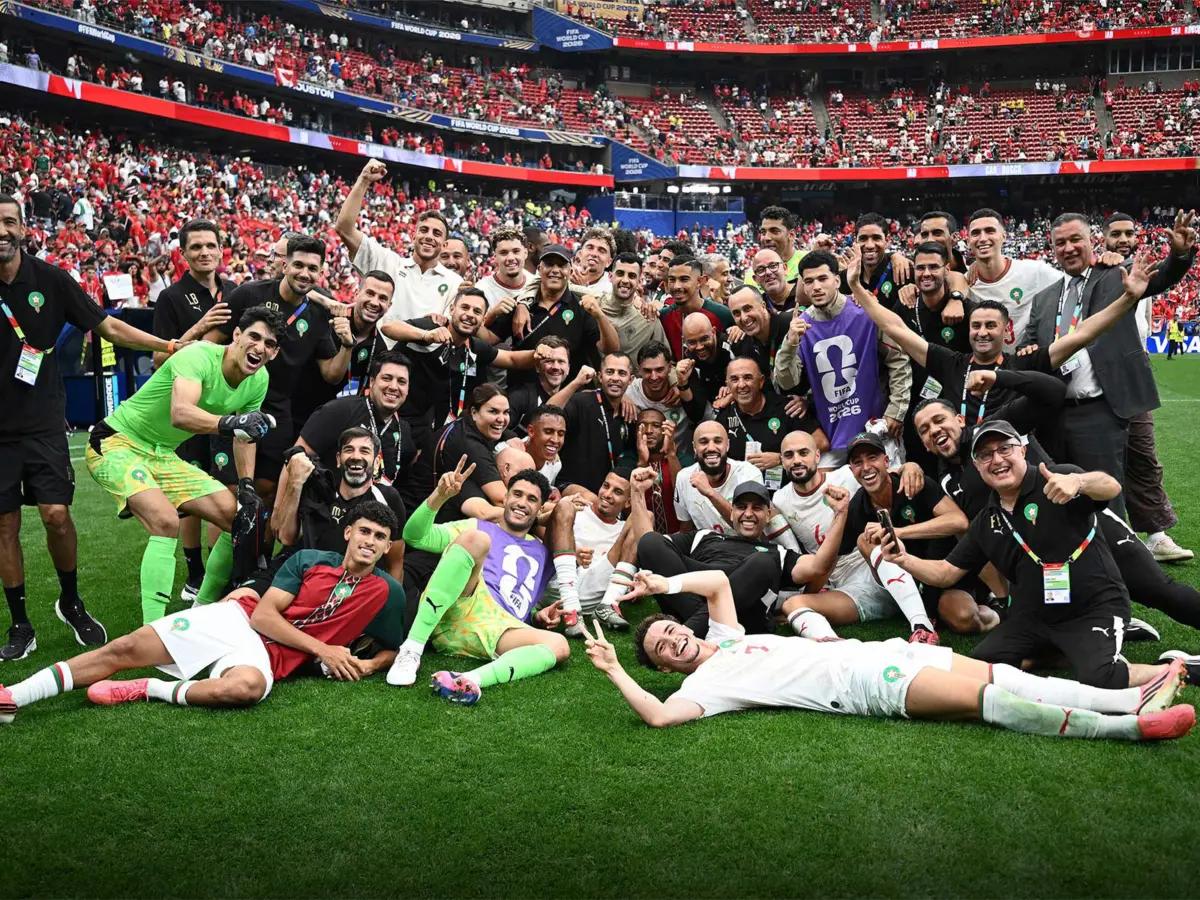
Morocco no longer plays only to surprise the world.
That era is over.
The Atlas Lions reached another World Cup quarterfinal in 2026, four years after their historic semi-final run in Qatar. That alone confirms Morocco’s place among football’s serious nations. The team did not collapse. It did not disappear after one golden tournament. It returned to the knockout rounds, eliminated major opponents and again made global football pay attention.
But that is exactly why the mood has changed.
Respect is no longer enough.
Morocco has become too good to celebrate only participation, pride and brave exits. The national team now carries a heavier burden: turning admiration into titles, depth into dominance and tournament runs into something even more permanent.
The next phase is not about proving Morocco belongs.
It is about proving Morocco can finish.
Atlas Lion Reset Begins After France
The Atlas Lion Reset begins with a painful but clear fact.
France beat Morocco 2-0 in the quarterfinals, ending the Atlas Lions’ 2026 World Cup campaign with the same scoreline that ended their 2022 semi-final dream. FIFA lists the quarterfinal result as France 2-0 Morocco, with Kylian Mbappé and Ousmane Dembélé scoring in the second half.
That repeat score matters emotionally.
It gives the defeat a sense of unfinished business.
In 2022, Morocco’s run was historic, almost miraculous. The team became the first African and Arab nation to reach a World Cup semi-final. The country celebrated because the achievement broke a psychological barrier for an entire continent.
In 2026, the quarterfinal exit feels different.
It was still strong.
But it no longer felt impossible.
That is progress.
It is also pressure.
Morocco Has Entered A New Category
The biggest compliment to Morocco is that the world no longer treats its success as accidental.
In 2022, many outsiders called it a fairytale.
In 2026, Morocco looked like a serious tournament team again.
That changes the standard.
A fairytale team is forgiven for losing.
A serious team is analysed for why it lost.
That is where Morocco now stands. Every tactical decision, squad selection, substitution, injury, midfield balance and attacking choice will be judged more harshly because expectations have risen.
This is what happens to successful football nations.
The reward for respect is pressure.
The Run Was Still Strong
Morocco’s campaign should not be reduced to the France defeat.
FIFA’s results show a serious tournament: a 1-1 draw with Brazil, wins over Scotland and Haiti, a penalty shootout win over the Netherlands, a 3-0 victory against Canada and then defeat to France in the quarterfinal.
That is not failure.
That is consistency at the highest level.
Morocco advanced from a difficult group, survived a European knockout test against the Netherlands and then beat co-host Canada decisively. The team showed organisation, emotional control and tournament maturity.
Many countries would celebrate that run for years.
Morocco can celebrate it too.
But celebration cannot hide the next question.
How does this team move from respected contender to real title threat?
France Remains The Wall
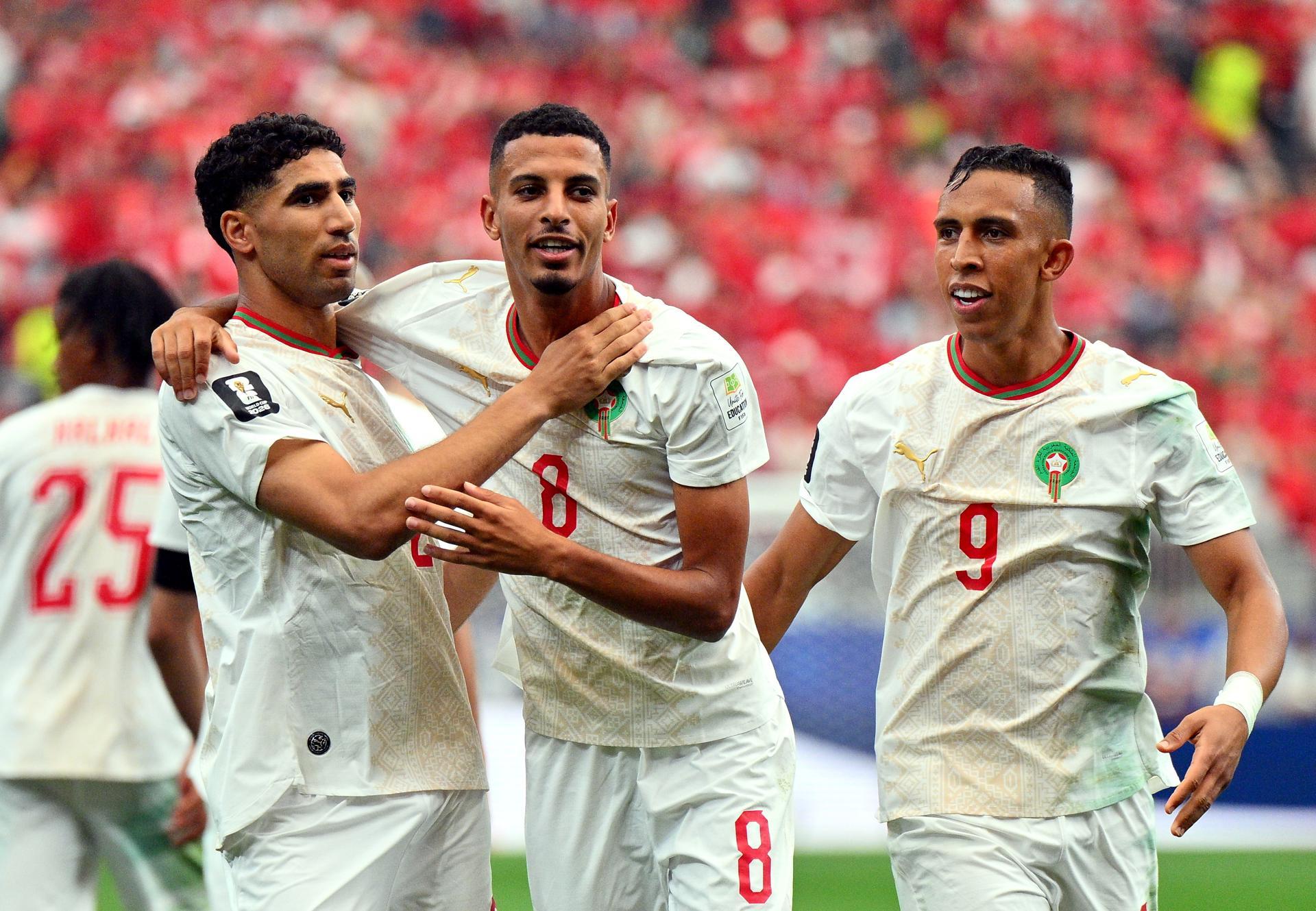
The France problem is now symbolic.
Euronews reported that France eliminated Morocco 2-0 in the 2026 quarterfinal, four years after beating Morocco by the same score in the 2022 semi-final.
That creates a psychological storyline.
Morocco can beat major teams.
Morocco can unsettle Europe.
Morocco can dominate opponents below the elite tier.
But against France, the ceiling appears again.
That does not mean Morocco is far away.
It means the last step is the hardest step.
France represents what Morocco still needs to master: ruthless final-third efficiency, squad depth across every position, physical control in decisive moments and the ability to punish small defensive lapses against elite attackers.
At World Cup level, the margin is brutal.
One ten-minute spell can end a four-year cycle.
Respect Is Now A Dangerous Comfort
Respect can become a trap.
After 2022, Morocco earned global admiration. Fans loved the defensive discipline, family images, emotional celebrations, diaspora unity and African-Arab pride. The team became a symbol larger than football.
But symbols can become comfortable.
A country can start accepting applause as achievement.
Morocco must avoid that.
The 2026 quarterfinal proves the project is alive, but it also proves the project is not finished. The team cannot live forever on the memory of Qatar or the pride of another respectable run.
The next conversation must be sharper.
What must improve?
Who is still central?
Who must be replaced?
Where is the next generation ready?
Which tactical model gives Morocco more control against elite sides?
That is the serious work.
The Attack Must Become More Ruthless
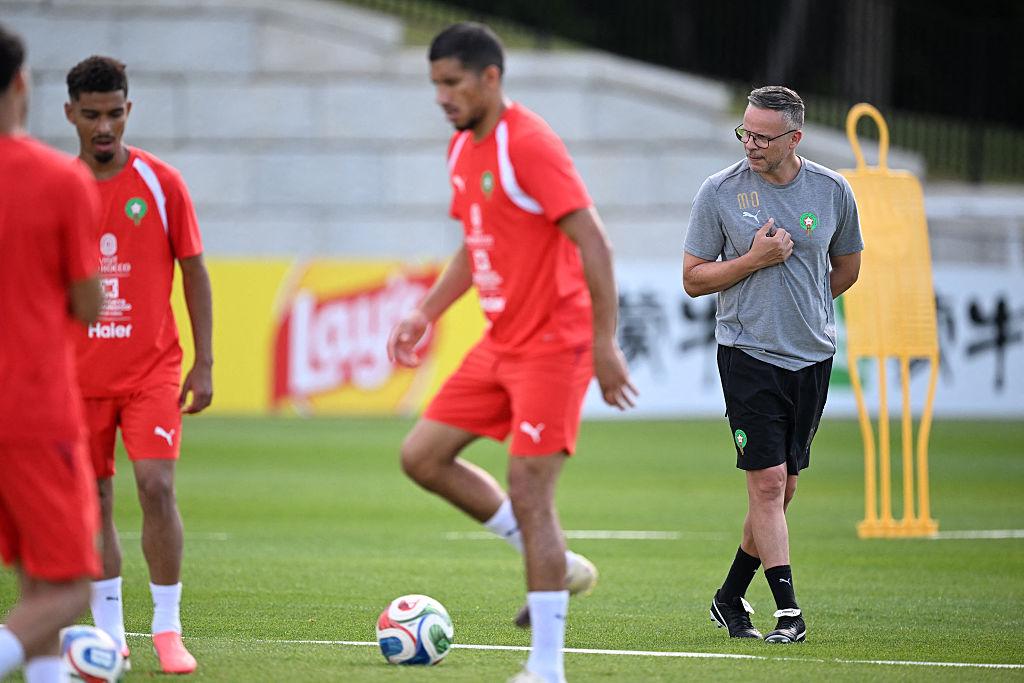
Morocco’s identity has been built on discipline, transition, tactical commitment and collective pride.
That remains valuable.
But the next level requires more attacking authority.
Against top teams, defending well is not enough. The best sides eventually create one or two chances. If Morocco cannot hurt them often enough, pressure accumulates.
The next Atlas Lions version must carry more danger in possession.
More combinations around the box.
More midfield runners.
More final-third calm.
More shots from good areas.
More ability to change rhythm when opponents sit deeper.
Morocco does not need to abandon its defensive strengths.
It needs to add another weapon.
The Midfield Question Is Central
Tournament football is often decided in midfield.
Morocco can compete physically and emotionally with almost anyone. But against elite opponents, midfield control becomes decisive. If the team spends too long defending without enough ball progression, the forwards become isolated and the defence eventually faces too much pressure.
The next reset must ask whether Morocco can control games more often, not only survive them.
Can the midfield progress the ball under pressure?
Can it slow the match when needed?
Can it accelerate without losing structure?
Can it protect the defence while still feeding creative players?
These are not small questions.
They are the difference between a quarterfinal team and a finalist.
The Diaspora Model Still Works
One of Morocco’s great strengths remains its ability to connect domestic football, European academies and diaspora identity.
The national team has become a powerful destination for players with multiple cultural connections. That is not just emotional. It is strategic. It gives Morocco access to talent developed in France, Spain, the Netherlands, Belgium and elsewhere, while still building a national identity that feels authentic and passionate.
This model has helped Morocco compete above its historical weight.
But the model now needs constant renewal.
The best dual-national players will always have options. Morocco must continue showing that choosing the Atlas Lions is not only a sentimental decision. It is a career decision with sporting ambition.
World Cup quarterfinals help.
Trophies would help more.
AFCON Becomes The Real Test
For Morocco, the next pressure point is not only the next World Cup.
It is African competition.
A country that reaches World Cup semi-finals and quarterfinals cannot avoid the AFCON question forever. Morocco’s global reputation is now larger than its continental trophy return in the modern era.
That gap matters.
World Cup respect is powerful.
But African dominance must also be proven.
The next Atlas Lions reset should therefore treat AFCON not as a side mission, but as a central test of maturity. Winning in Africa requires different qualities: patience, difficult pitches, tactical traps, heat, pressure, hostile crowds, set pieces and emotional control.
A serious football nation must win in different environments.
Morocco is now judged by that standard.
The 2030 Shadow Is Already There
Even if we avoid turning every Moroccan sports story into 2030, the shadow exists.
Morocco will be one of the hosts of the 2030 World Cup. That reality changes how every tournament before then is interpreted. The country is not only building stadiums and infrastructure. It is building expectation.
The national team will enter that cycle under enormous attention.
By 2030, Morocco cannot present itself only as an inspiring outsider. It will be a host nation with a strong football generation and a global reputation.
That combination creates pressure before a ball is kicked.
The 2026 exit is therefore not just an ending.
It is a warning about how high the bar will be at home.
Regragui’s Legacy Enters A New Phase
Walid Regragui changed Moroccan football history.
That cannot be taken away.
But the next phase is more complicated. A coach who creates a breakthrough is loved. A coach who continues after the breakthrough is judged differently. The questions become less emotional and more technical.
Has the tactical model evolved enough?
Are substitutions brave enough?
Is the squad being refreshed quickly enough?
Can Morocco dominate, not only resist?
Can the team adapt when the original plan is blocked?
These are the questions successful coaches face.
Regragui is no longer managing a miracle.
He is managing expectation.
That is much harder.
The Players Must Accept A New Standard
The players also face a new reality.
A quarterfinal cannot be treated as the ceiling.
For previous Moroccan generations, reaching that stage would have been historic. For this generation, it now feels like a platform. That is a compliment, but it removes excuses.
The leaders must keep standards high.
The younger players must force their way in.
The squad must not become sentimental.
A national team cannot be selected as a museum of past heroes. It must remain competitive, uncomfortable and open to change.
Every great cycle ends if loyalty becomes stronger than performance.
Morocco must avoid that mistake.
Africa Is Watching Morocco Differently
Morocco’s success has changed how African football is viewed.
The 2022 semi-final run gave the continent a new reference point. The 2026 quarterfinal confirmed that it was not a one-time accident. That gives Morocco a continental responsibility.
Other African teams are watching the model.
Federation organisation.
Diaspora recruitment.
Coaching identity.
Defensive structure.
Player development.
Mental confidence.
Morocco has become part of the African football blueprint.
But a blueprint gains authority through results. To keep that leadership position, Morocco must keep moving forward.
Standing still would look like decline.
The Fan Base Has Changed Too
Moroccan fans are not the same as before 2022.
They have tasted global respect.
They have seen their flag in semi-final conversations.
They have watched the national team beat and frighten major nations.
That changes expectations permanently.
The fan base will remain passionate, but less easily satisfied. It will still celebrate effort, but it will demand answers after defeat. It will still love the shirt, but it will debate tactics, selection and accountability more intensely.
That is normal.
Great football nations argue because they believe winning is possible.
Morocco has entered that culture.
The Exit Was Painful Because Belief Was Real
The France defeat hurt because Morocco believed.
Not in a vague patriotic way.
In a real football way.
The team had enough quality to imagine another semi-final. The country had enough recent history to believe the door could open again. The squad had enough credibility to think France could be challenged.
That is why the exit stung.
Not because Morocco was humiliated.
Because Morocco was close enough to want more.
This is how football ambition grows.
First, a country hopes.
Then it believes.
Then it expects.
Morocco is now somewhere between belief and expectation.
The Reset Must Be Calm, Not Emotional
After a tournament exit, the easiest reaction is emotion.
Blame the coach.
Blame one player.
Blame the referee.
Blame luck.
Blame the draw.
Blame fatigue.
Some of those debates may contain pieces of truth, but the real reset must be calmer. Morocco needs a technical review, not a public panic.
What worked?
What failed?
Which players are declining?
Which players are ready?
Which tactical patterns need evolution?
Which physical profiles are missing?
Which youth pathways need acceleration?
Which competitive matches before the next tournament will test the team properly?
A serious football country audits itself.
That is what Morocco must do now.
The Bottom Line
The Atlas Lion Reset is not about failure.
It is about a country that has outgrown old expectations.
Morocco reached the 2026 World Cup quarterfinal after a strong campaign that included a draw with Brazil, wins over Scotland and Haiti, a knockout victory over the Netherlands and a 3-0 win against Canada. The run ended with a 2-0 defeat to France, leaving Morocco with a quarterfinal finish four years after its historic 2022 semi-final.
That is a serious achievement.
But Morocco is now a serious football nation.
Serious football nations do not live on respect alone.
They review.
They rebuild.
They demand more.
The Atlas Lions have already changed how the world sees Moroccan football.
The next task is harder.
They must change what Morocco expects from itself.