
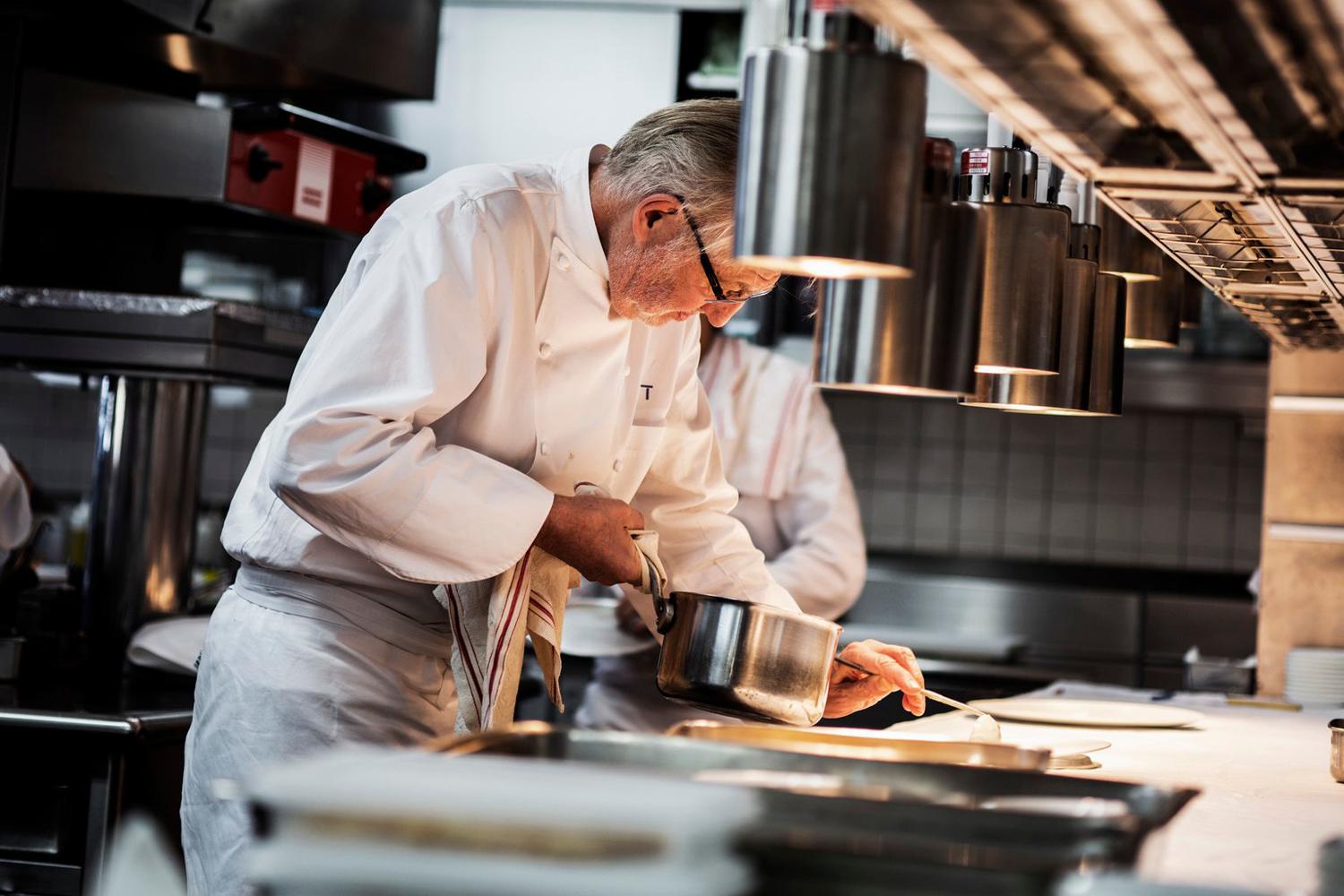
The Michelin Map Shift is changing the geography of global fine dining, moving attention beyond the old culinary capitals and toward cities, regions and remote destinations that want food to become part of their tourism identity.
For decades, the fine-dining map was dominated by familiar names: Paris, Tokyo, New York, London, Milan, Barcelona and a small circle of European and Asian capitals with deep restaurant ecosystems.
That hierarchy still matters.
But it no longer owns the whole story.
Fine dining is becoming more global, more regional and more connected to destination branding. A restaurant is no longer just a place to eat. In the right market, it can become a reason to travel.
Michelin Map Shift Is A Tourism Story
The Michelin Map Shift matters because the guide is no longer only a restaurant ranking.
It is a tourism signal.
When Michelin enters a destination, the effect can reach far beyond chefs and food critics. Hotels, airlines, luxury travel agents, local producers, investors and city marketers all pay attention because a Michelin presence can reshape how a place is perceived.
Reuters reported that Michelin’s international director Gwendal Poullennec sees the guide as a media platform that influences not only culinary trends, but also tourism trends and the way destinations appear on the world culinary map.
That is the key point.
Fine dining has become part of the competition between places.
Food Cities No Longer Need To Be Capitals
The first signal is that food power is spreading.
A city no longer needs to be a political capital or traditional luxury hub to build culinary status. Smaller regions can create global attention if they combine strong local ingredients, ambitious chefs, tourism infrastructure and a clear food identity.
That matters for emerging destinations.
The old model was simple: travellers went to the capital, then discovered restaurants. The new model can work differently. A restaurant, market, chef or regional food movement can become the reason to visit a place that was not previously on the global luxury itinerary.
This is why the Michelin map is becoming more valuable.
It can turn a local food scene into an international travel product.
The Restaurant Is Becoming A Destination Anchor
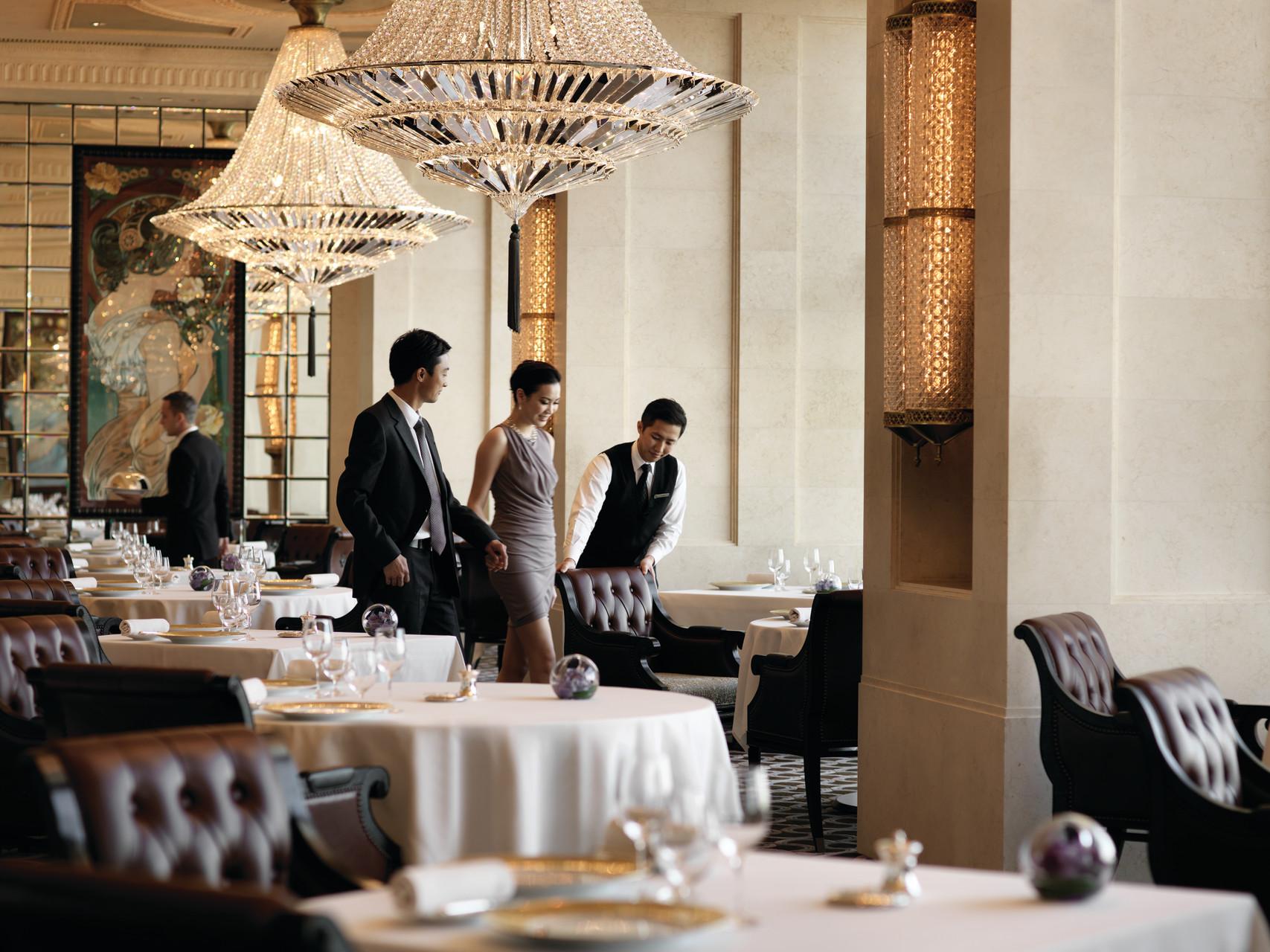
The second signal is that restaurants can anchor entire trips.
A visitor may book a weekend around a tasting menu, a coastal seafood restaurant, a vineyard lunch, a desert dining experience or a chef-led local-products concept. That changes the economics of tourism because the meal becomes more than consumption.
It becomes itinerary design.
A strong restaurant can fill hotel rooms, support local producers, extend stays and attract higher-spending travellers. It can also raise expectations for service, design, wine, hospitality and storytelling across the wider destination.
This is the hidden power of fine dining.
It upgrades the entire visitor conversation.
Local Products Are Becoming Global Assets
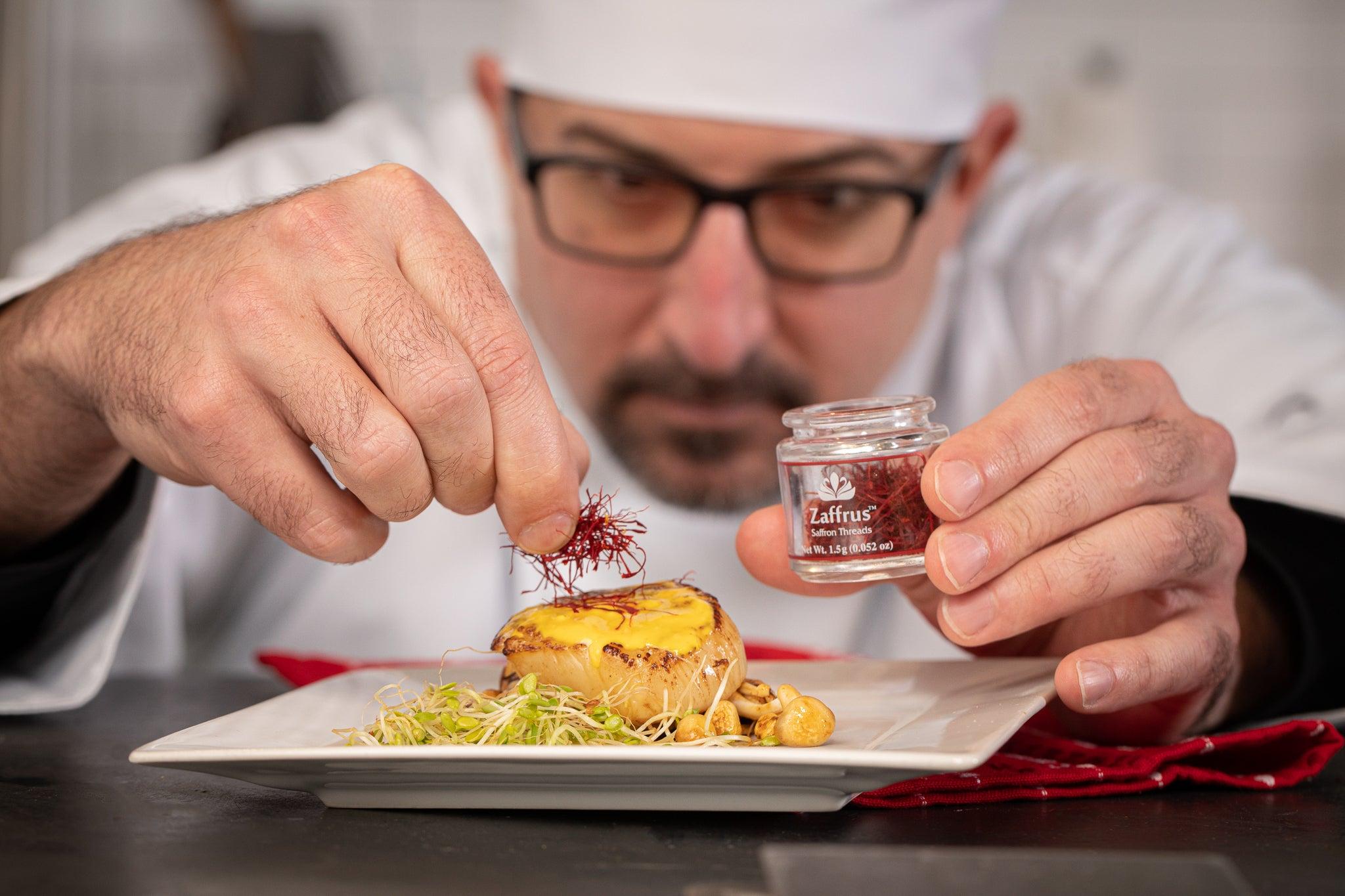
The third signal is the rise of local products.
Fine dining used to be associated with imported luxury: rare ingredients, expensive wines, global techniques and international prestige. Those still exist, but today’s strongest culinary destinations often win by turning local products into premium experiences.
Seafood.
Olive oil.
Citrus.
Dates.
Saffron.
Herbs.
Cheese.
Native grains.
Regional spices.
Small producers.
When chefs build menus around place, the destination gains a stronger identity. Visitors do not only eat well. They feel they are consuming something that belongs to that region and cannot be reproduced exactly elsewhere.
That is where food becomes soft power.
Sustainability Is Moving From Marketing To Standard
The fourth signal is sustainability.
Fine dining is increasingly judged not only by taste and service, but by sourcing, waste, seasonality, farming relationships and environmental responsibility. A restaurant that claims to represent a destination must also explain how it treats the land, water and people behind the plate.
This is especially important for regions facing climate pressure.
Food tourism cannot grow credibly if it ignores water stress, labour conditions, agricultural resilience or the cost of overexposure. The next generation of culinary prestige will need to show responsibility, not only creativity.
The best restaurants will not only serve the place.
They will protect it.
Morocco Has A Clear Opening
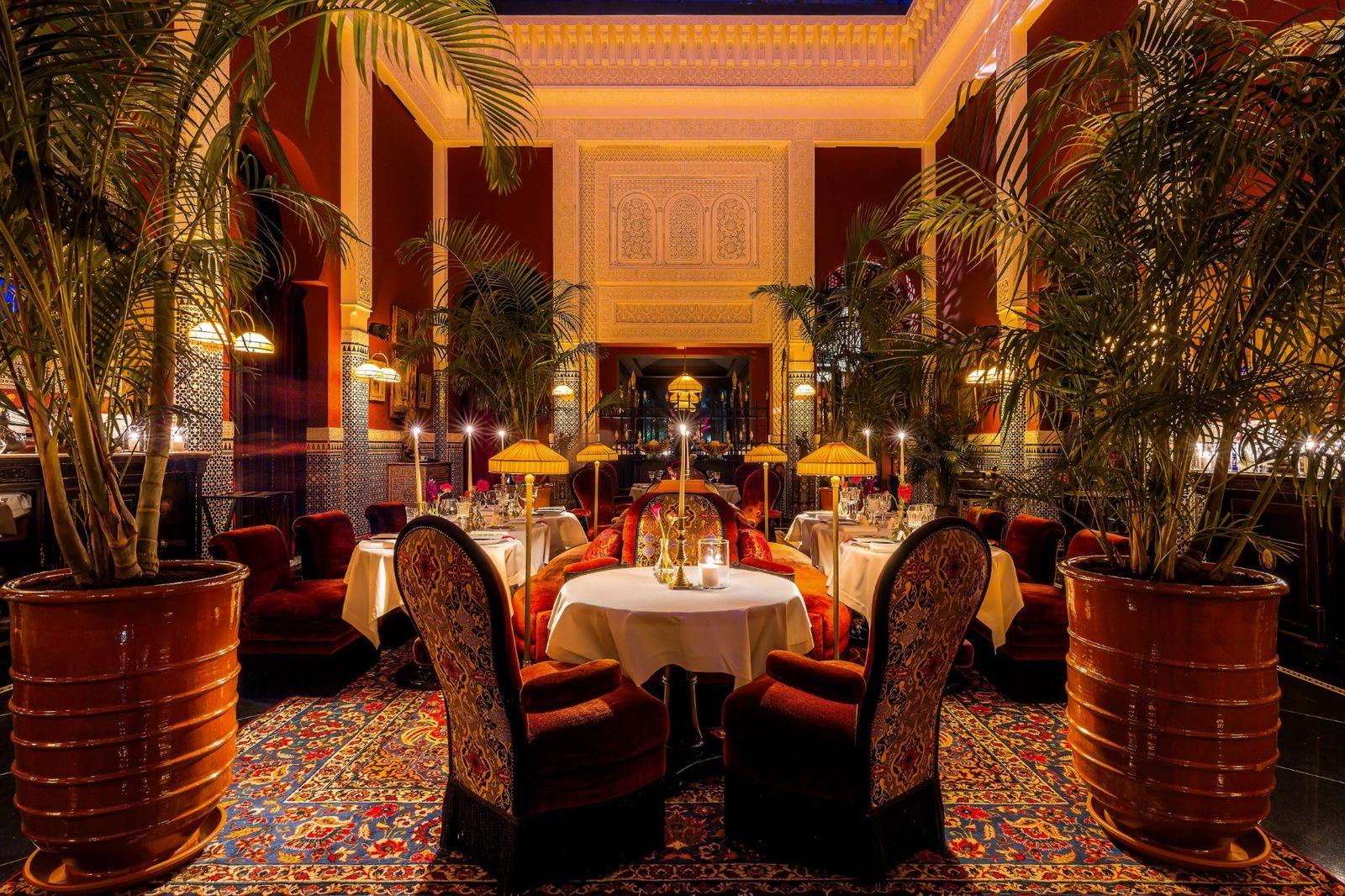
For Morocco, the Michelin Map Shift creates a serious opportunity.
The country already has one of the world’s most recognisable culinary identities. Moroccan food travels easily in the imagination: tagines, couscous, mint tea, spices, pastries, argan, olives, seafood, dates and regional dishes that carry strong visual and emotional power.
But recognition is not the same as fine-dining infrastructure.
Morocco’s next step is to move from famous cuisine to internationally ranked culinary destination. That requires chef development, service consistency, wine and beverage strategy, local-product storytelling, strong restaurant design and a tourism ecosystem capable of supporting high-spending food travellers.
The raw material is there.
The system must catch up.
Marrakech Has The First Advantage
Marrakech is the most obvious Moroccan candidate for global culinary positioning.
It already has luxury hotels, riads, international visibility, design culture, high-spending visitors and an established hospitality base. That gives the city a platform that many emerging food destinations do not have.
But Marrakech cannot rely only on atmosphere.
To become a serious global food city, it needs restaurants that combine Moroccan identity with world-class discipline. That means stronger service training, better consistency, clearer local sourcing and concepts that feel modern without becoming detached from the country’s culinary roots.
The city has the audience.
Now it needs more restaurants that can carry the standard.
Casablanca And Tangier Should Not Be Ignored
Casablanca and Tangier also have a role.
Casablanca has business traffic, finance, corporate dining and a large local market. It can support restaurants that are less dependent on tourists and more connected to Morocco’s modern urban economy.
Tangier has a different advantage.
It sits at the crossroads of Europe, Africa and the Atlantic, with a cultural identity that can support a distinctive food story. Seafood, Spanish influence, northern Moroccan traditions, café culture and a growing lifestyle scene give the city material to work with.
Morocco does not need one food capital.
It needs a culinary map.
The 2030 Window Matters
The 2030 World Cup gives Morocco a deadline and an audience.
Millions of global viewers will see the country, and many visitors will experience Moroccan hospitality for the first time. Food will be one of the most immediate ways they judge the destination.
This is why culinary strategy should not be treated as secondary.
Stadiums, airports and hotels may bring visitors in. Restaurants, cafés, local markets and food experiences decide how much of the country they remember.
A successful 2030 food strategy would not only feed football fans.
It would introduce Morocco as a serious food destination for the next decade.
Street Food And Fine Dining Can Work Together
A country does not have to choose between street food and Michelin-level ambition.
The strongest food destinations often have both.
Street food provides energy, accessibility and authenticity. Fine dining provides prestige, media attention and high-spending visitors. Local markets connect both layers by showing ingredients, traditions and daily life.
Morocco’s advantage is that it already has a strong base in all three areas.
The task is organisation.
Street food needs hygiene, visibility and visitor confidence. Fine dining needs precision and investment. Local products need packaging, traceability and distribution.
Together, they can create a complete food economy.
The Risk Is Performing For Tourists Only
There is one danger.
A food scene built only for tourists can become shallow quickly.
If restaurants imitate global luxury without local depth, the destination loses personality. If menus become too predictable, visitors may enjoy the setting but forget the meal. If local diners feel excluded, the scene can become artificial.
The best food cities balance international appeal with local credibility.
Morocco must protect that balance.
Its culinary strength comes from households, regions, markets, traditions and daily food culture. Fine dining should refine that identity, not replace it with something generic.
The Business Case Is Strong
The business case for a stronger Moroccan food scene is clear.
Food tourists spend on restaurants, hotels, transport, local products, guides, classes, markets and experiences. They often travel outside the most obvious beach or city-break patterns. They can support jobs across hospitality, agriculture, design, logistics and media.
Food also creates content.
A strong restaurant scene generates photos, reviews, creator videos, travel features and international lists. That attention can be more persuasive than a formal tourism campaign because it feels discovered rather than advertised.
In the digital travel economy, food is one of the easiest ways for a destination to travel online.
The Bottom Line
The Michelin Map Shift shows that global fine dining is expanding beyond the old capitals.
Michelin’s growth into new culinary territories reflects a wider change in tourism, where restaurants, chefs and local products can place destinations on the global map and attract higher-value visitors.
For Morocco, the opportunity is real.
The country has a powerful culinary identity, strong tourism growth and a 2030 World Cup window that can turn food into a larger national branding asset.
But the next step requires systems, not only flavour.
Morocco must build the restaurant standards, service culture, local-product storytelling and culinary confidence needed to move from famous cuisine to global food destination.