

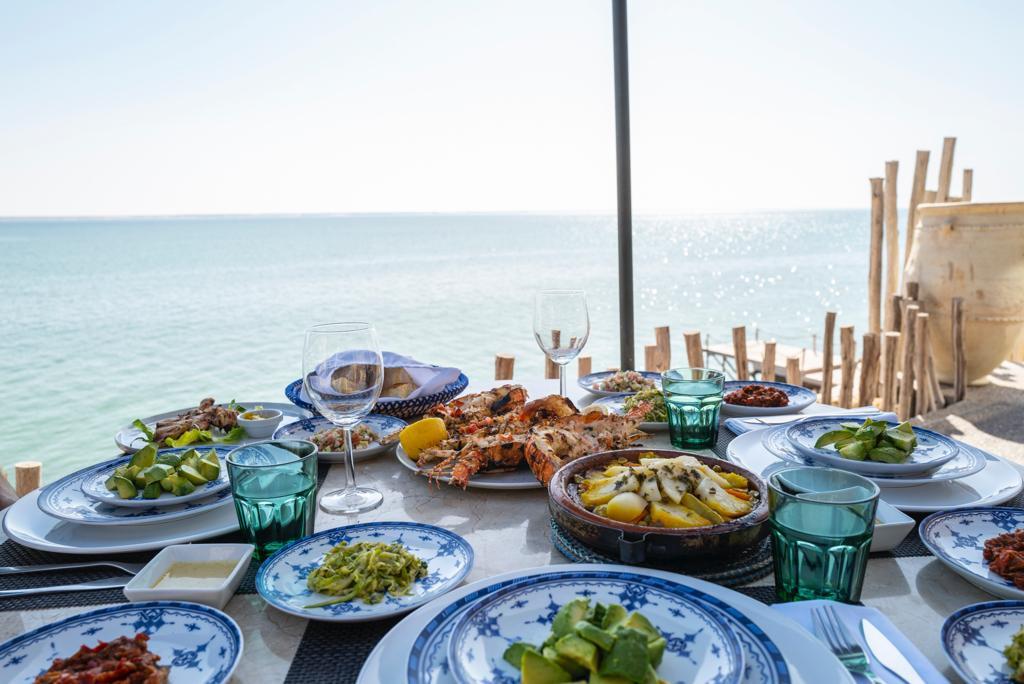
The Heatwave Menu is becoming a new part of the travel economy, as extreme weather changes not only where tourists go, but what they want to eat when they arrive.
For years, food tourism was sold through abundance: long lunches, heavy regional dishes, crowded terraces, street food walks and late-night dining in warm cities. That model is still powerful, but it now faces a climate reality that restaurants, hotels and destinations can no longer ignore.
When temperatures rise too high, appetite changes. Timetables change. Outdoor dining changes. The value of shade, water, freshness and light meals increases.
Food remains one of tourism’s strongest emotional products, but heat is rewriting the menu.
Heatwave Menu Is Becoming A Travel Signal
The Heatwave Menu matters because tourists do not experience climate through statistics alone.
They experience it through the body.
A traveller walking through a hot city at midday may not want a heavy meal. A family moving between museums and beaches may choose fruit, salads, cold drinks and shaded cafés over long outdoor lunches. A luxury guest may judge a hotel not only by the restaurant design, but by whether the dining experience feels comfortable in extreme heat.
This changes the commercial logic of food tourism.
Restaurants that understand heat can protect spending. Restaurants that ignore it may lose covers during the hottest hours and struggle to turn climate discomfort into a service advantage.
Lighter Food Gains Value
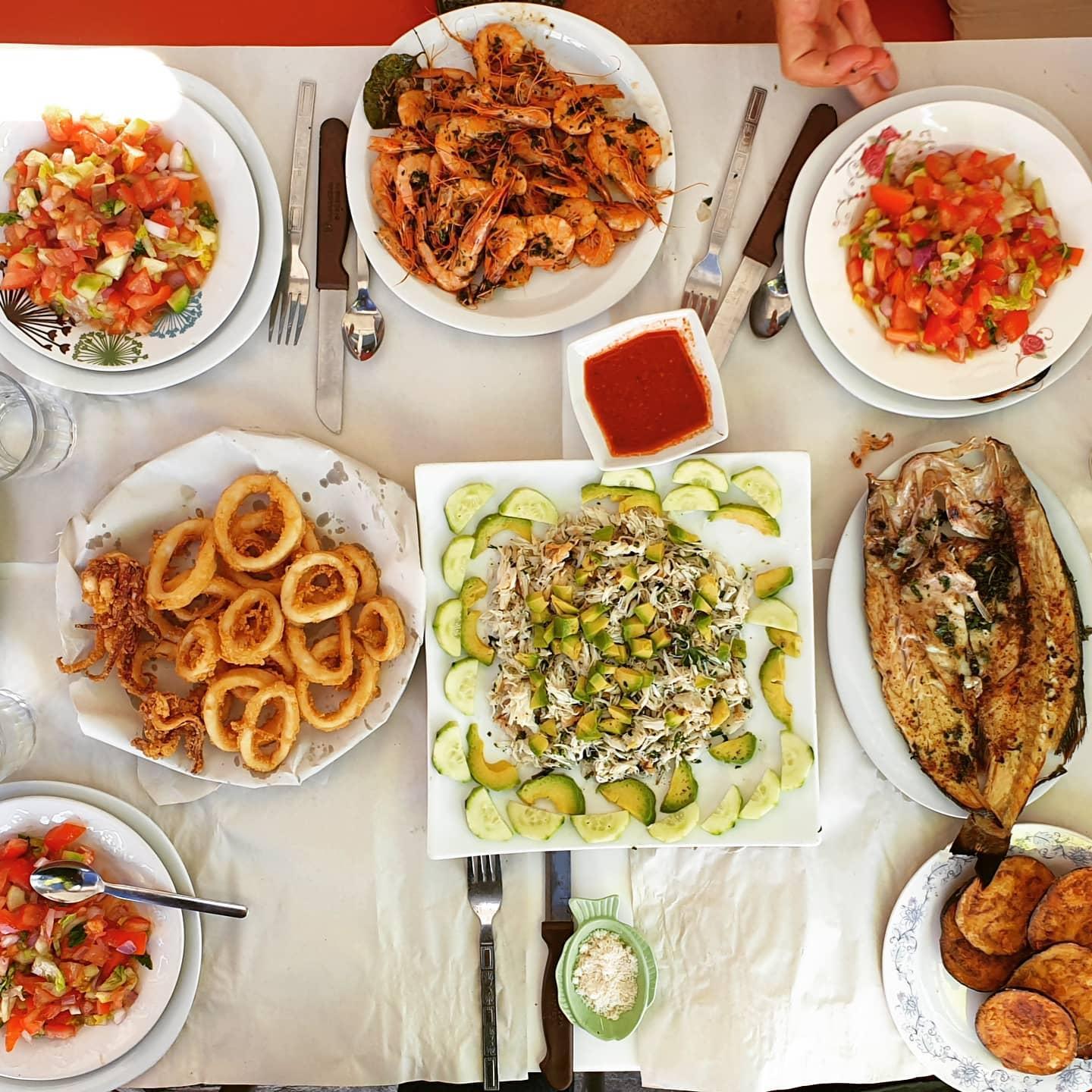
The first shift is simple: lighter food becomes more attractive.
During heatwaves, tourists often move away from heavy meals and toward dishes that feel fresh, hydrating and easy to digest. Cold starters, seafood, fruit, salads, yogurt, juices, iced drinks and smaller portions can become more appealing than traditional large plates.
This does not mean local cuisine loses importance.
It means local cuisine must adapt to the conditions.
A destination that can present its food in lighter, seasonal and heat-smart formats will remain attractive without abandoning identity. The goal is not to replace tradition with generic wellness food. It is to make tradition more usable when the weather becomes difficult.
Dining Hours Move Later
Extreme heat also changes the clock.
In hotter cities, tourists may avoid large meals during the afternoon and push spending later into the evening. Restaurants that depend on traditional lunch traffic may feel the shift first, especially in urban destinations where walking between attractions becomes less comfortable.
This creates both pressure and opportunity.
Late dining, shaded terraces, evening food markets, rooftop spaces with proper cooling and night-time culinary tours can all become more valuable. The visitor still wants to eat. The question is when the city becomes comfortable enough to enjoy the experience.
For food businesses, timing becomes part of the product.
Hydration Becomes Hospitality
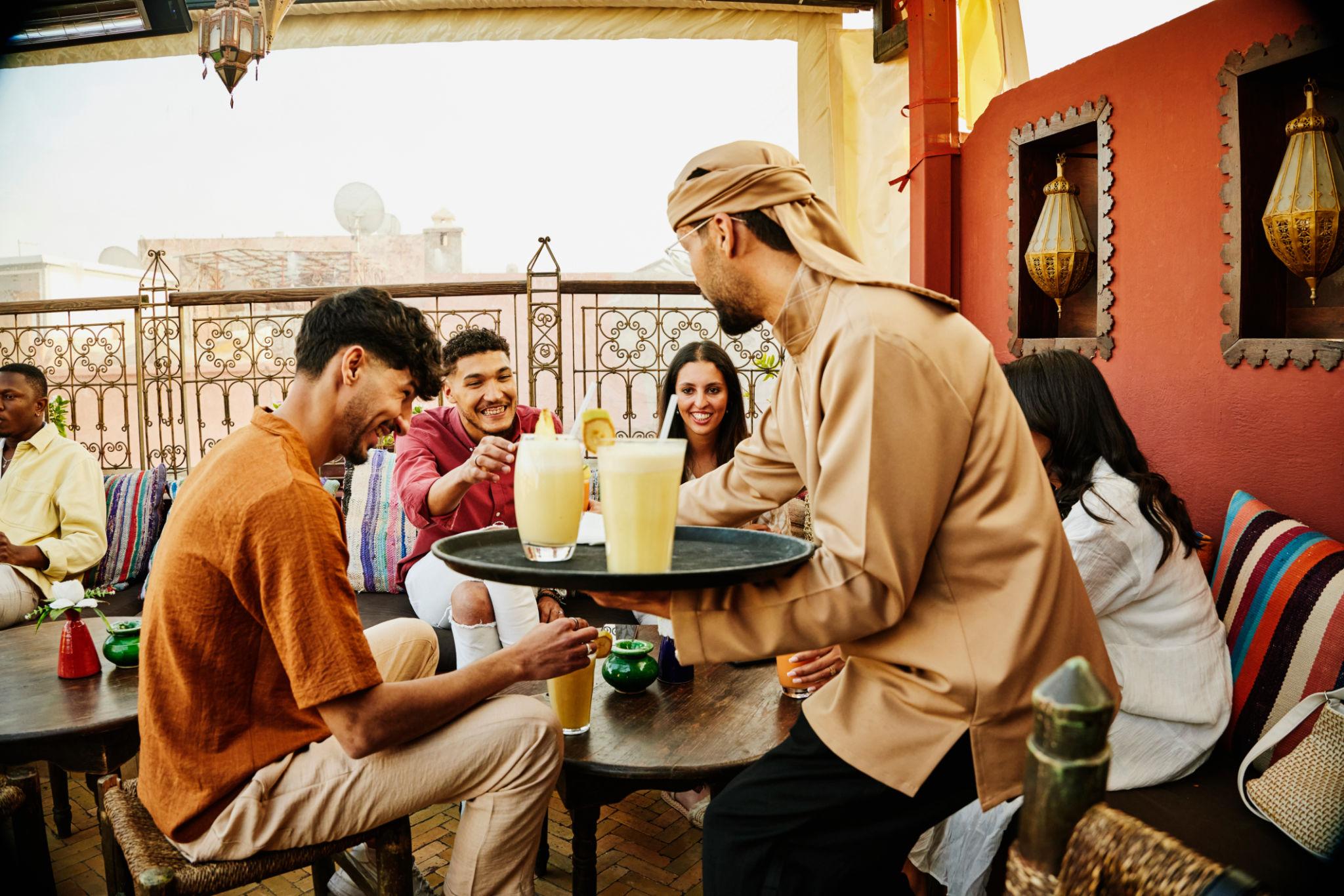
In a hotter travel market, hydration is no longer a small service detail.
It becomes hospitality.
Hotels, restaurants, cafés and tour operators can build trust by making water, fresh drinks and cooling rituals part of the guest experience. That may sound basic, but basic comfort becomes premium when temperatures are extreme.
Morocco already has strong beverage culture through mint tea, fresh juices, mineral water, café life and regional hospitality. The opportunity is to modernise that strength for climate-aware travellers.
A visitor who feels physically looked after is more likely to spend, recommend and return.
Street Food Needs Climate Discipline
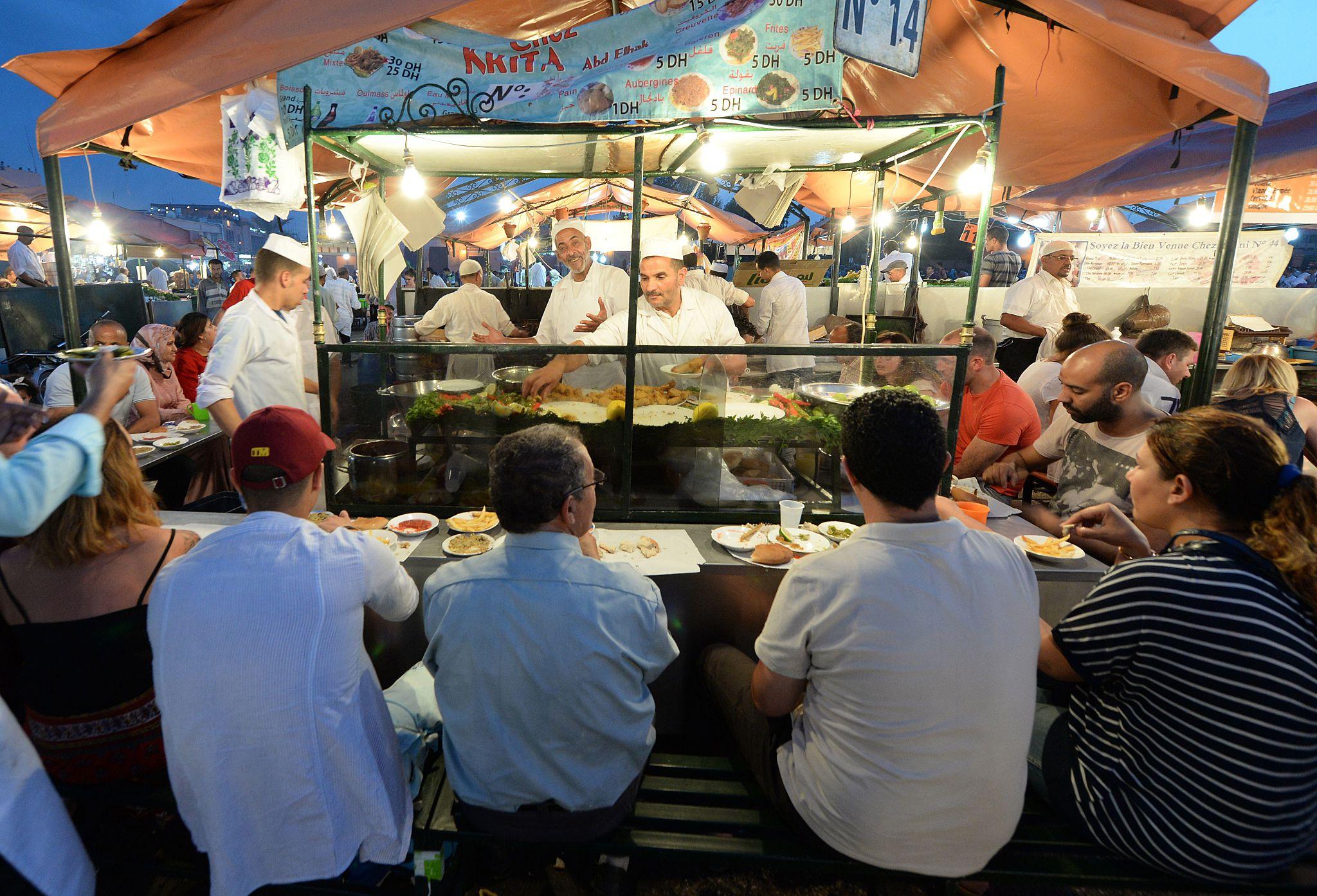
Street food can become even more powerful in a heatwave economy because it is fast, visual and flexible.
But it also carries risk.
Extreme heat increases the importance of food safety, refrigeration, cleanliness, waste management and queue control. A street-food experience that feels exciting in normal weather can feel risky if hygiene and temperature management are not clear.
This is especially important before 2030.
Morocco’s street-food culture is a major tourism asset, but it must be prepared for larger visitor flows and hotter conditions. Cleaner stalls, clearer menus, stronger food safety and easier digital payments can help turn street food into a reliable showcase rather than a weak point.
The future of street food is not less authenticity.
It is better operating discipline.
Morocco’s Food Economy Has A Bigger Opening
The Heatwave Menu also creates a strategic opening for Morocco’s food economy.
The national tourism roadmap already identifies gastronomy and local products as priority areas, alongside wider targets for visitor growth, revenues and job creation. That means food is not only a cultural symbol. It is part of the country’s economic plan.
Morocco has products that fit the new climate logic: seafood, citrus, olives, argan products, dates, salads, fresh herbs, grilled vegetables, juices, tea rituals and regional dishes that can be adapted across seasons.
The challenge is packaging them with consistency.
Food tourism grows when visitors can understand, trust and repeat the experience.
Local Products Can Become Climate-Smart Luxury
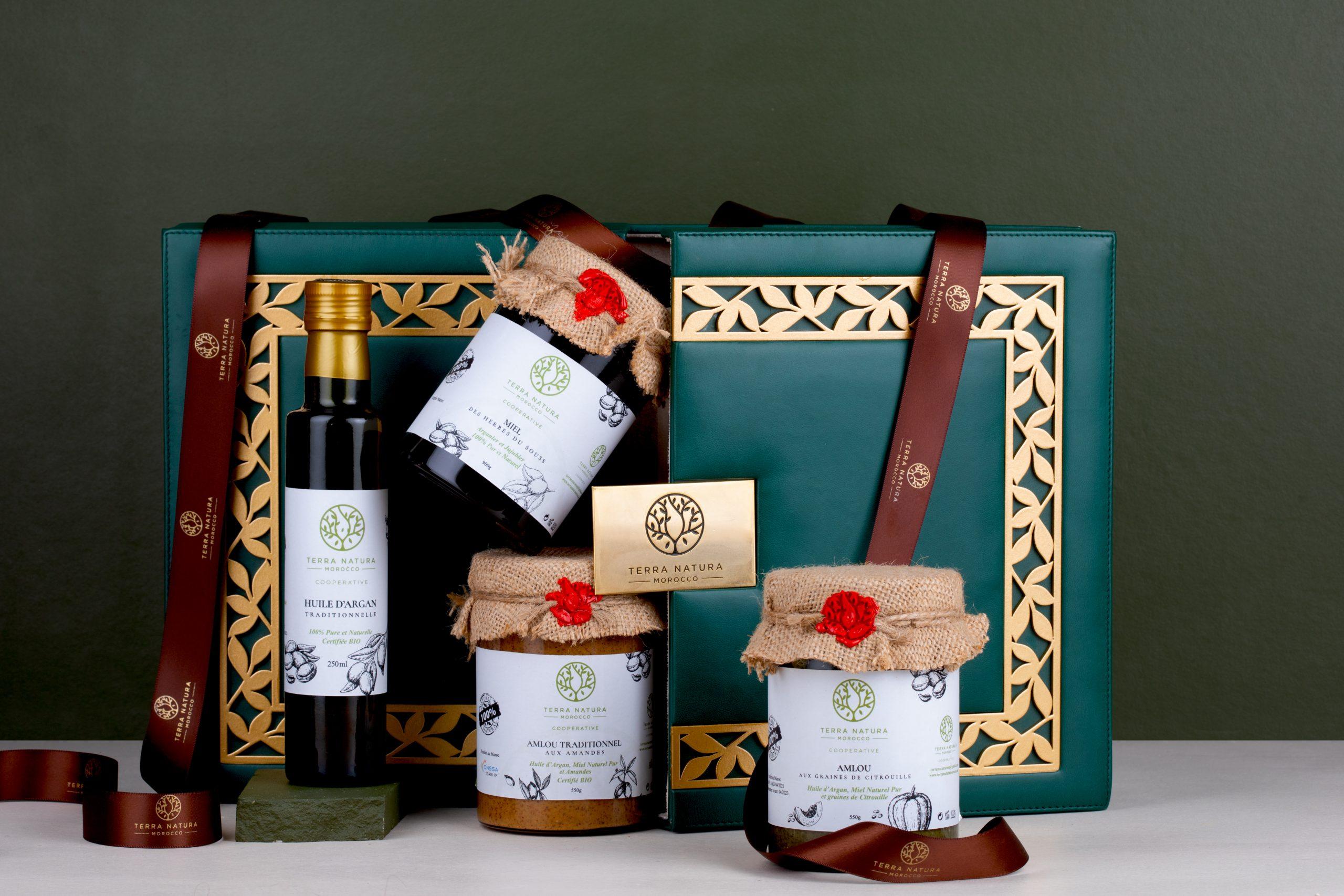
Local products are not only souvenirs.
They can become part of a climate-smart lifestyle offer.
Argan oil, olive oil, dates, saffron, herbal infusions, preserved lemons, almonds, honey and regional products can connect food, wellness and travel in a way that feels authentic rather than manufactured.
This matters because tourists increasingly want products that carry a sense of place.
A strong food economy allows Morocco to extend the visitor experience beyond the restaurant. A guest who discovers a product during a trip may buy it again after returning home, recommend it online or associate it with a premium Moroccan lifestyle.
That is how food becomes export branding.
Agriculture Is The Hidden Vulnerability
The food story cannot ignore agriculture.
Reuters reported that Morocco’s fruit and vegetable exports are valued at about $4.5 billion, showing the strength of the agricultural base behind the country’s food economy. But the same reporting highlighted labour shortages in export farming regions, with West African migrants increasingly filling jobs that local workers have left.
That matters for tourism because the plate depends on the field.
A country can build restaurants, hotels and food festivals, but the supply chain underneath must remain resilient. Heat, water stress, labour shortages and export demand can all affect availability, cost and quality.
A serious food strategy must therefore connect hospitality with agriculture, not treat them as separate worlds.
The 2030 Visitor Will Expect Choice
The 2030 World Cup will bring many types of visitors.
Football fans.
Families.
Corporate guests.
Media teams.
Diaspora travellers.
Luxury tourists.
Short-stay visitors moving between Morocco, Spain and Portugal.
They will not all eat the same way.
Some will want quick food near stadiums. Others will want premium dining, local markets, healthy options, late-night cafés or family-friendly restaurants. Morocco’s opportunity is to serve that range while keeping a clear national identity.
The food economy that wins in 2030 will be broad, organised and easy to navigate.
Restaurants Must Think Like Climate Operators
Restaurants will need to operate differently in a hotter tourism cycle.
That means shaded seating, better ventilation, flexible menus, stronger refrigeration, water service, late opening hours, delivery options and clear communication with guests. It also means training staff to understand how heat affects visitor behaviour.
A restaurant is no longer only a kitchen.
It is a climate-sensitive hospitality platform.
The same dish can feel premium or uncomfortable depending on the conditions around it. The future winner will not be the restaurant that only cooks well. It will be the one that manages comfort while preserving taste and identity.
Morocco Should Own The Freshness Story
Morocco has a chance to position part of its culinary brand around freshness.
This should not erase the warmth and depth of Moroccan cuisine. It should expand the story.
A country with Atlantic fish, citrus, herbs, vegetables, olives, dates, fresh juices and regional diversity can speak directly to travellers who want flavour without heaviness during hot seasons.
The key is not to make Moroccan food less Moroccan.
The key is to show that Moroccan food can be seasonal, elegant and climate-aware.
That is a stronger story than simply repeating the same dishes in every context.
The Bottom Line
The Heatwave Menu is changing what tourists eat on holiday.
Extreme weather is pushing travellers toward lighter meals, later dining, better hydration, safer street food and climate-smart hospitality. For Morocco, this creates a clear opportunity before 2030.
The country already has gastronomy, local products and a strong agricultural base inside its tourism strategy. But the next step is to make the food experience more professional, seasonal and comfortable under hotter conditions.
Food tourism is no longer only about flavour.
It is about how travellers feel when they eat.