
Breakfast used to feel like the cheap meal.
Coffee.
Eggs.
Toast.
Milk.
A sandwich on the way to work.
A weekend omelette at a local café.
Now breakfast is becoming a household stress test.
Not because every item is rising at the same speed. Not because every country faces the same basket. But because breakfast sits at the intersection of groceries, restaurants, wages, rent, energy, transport and daily routine.
When breakfast gets expensive, people notice immediately.
They do not need an economist to explain inflation.
They feel it before 9 a.m.
Breakfast Price Pressure Hits The Morning Routine
Breakfast Price Pressure matters because it touches ordinary life in a direct way.
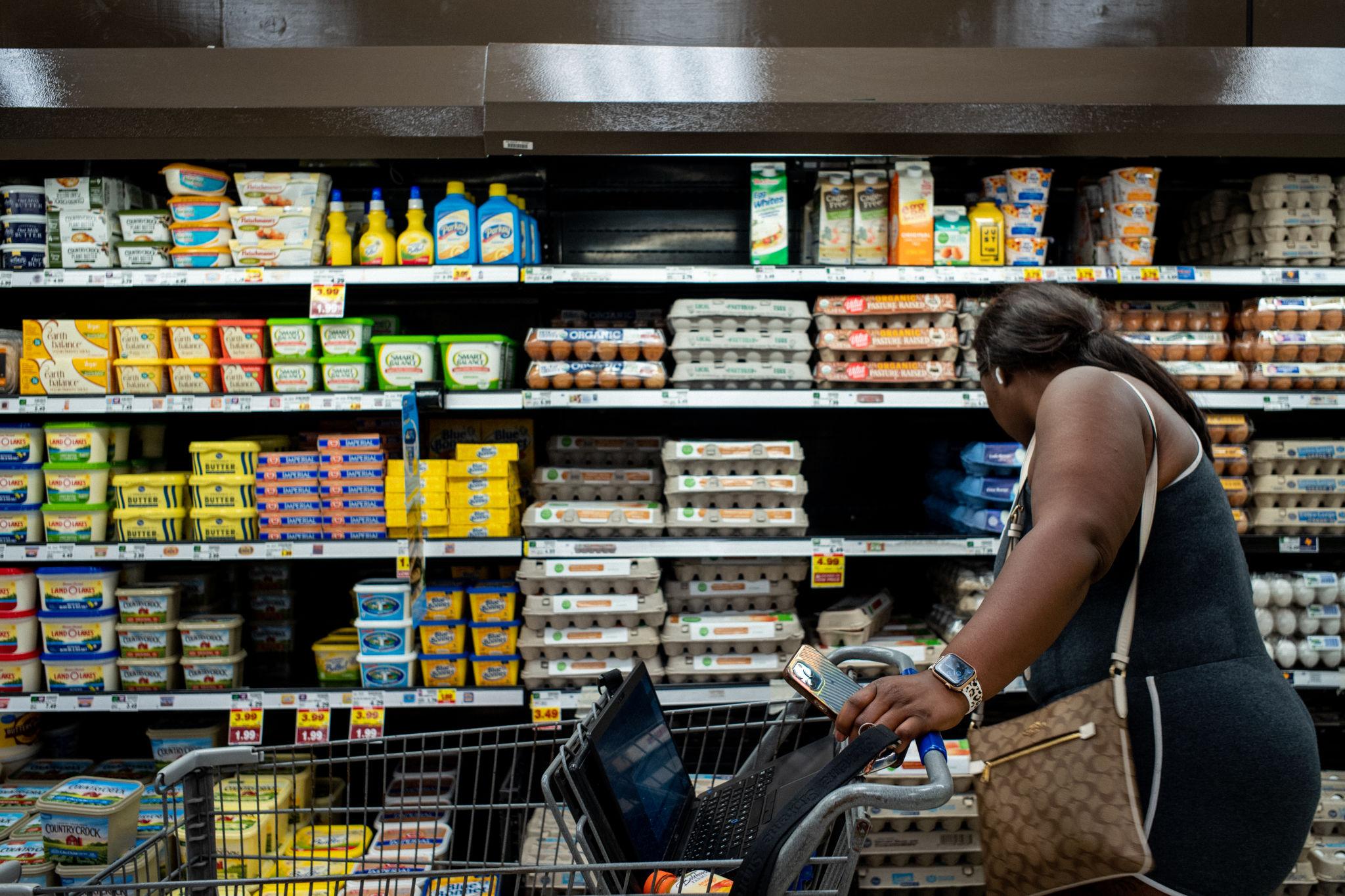
Reuters reported that U.S. grocery prices rose 0.2% in June, with eggs up 4.3% and dairy up 1.2%, even as nonalcoholic beverages fell and coffee prices declined on the month.
That mixed data is important.
Inflation is not one clean story.
Some prices fall.
Some prices rise.
Some products feel calm in the official data but still feel expensive to consumers because the level remains high after years of increases.
This is why breakfast has become symbolic.
It is small enough to buy every day.
But frequent enough to reveal the pressure.
Eggs Are The Emotional Price Signal
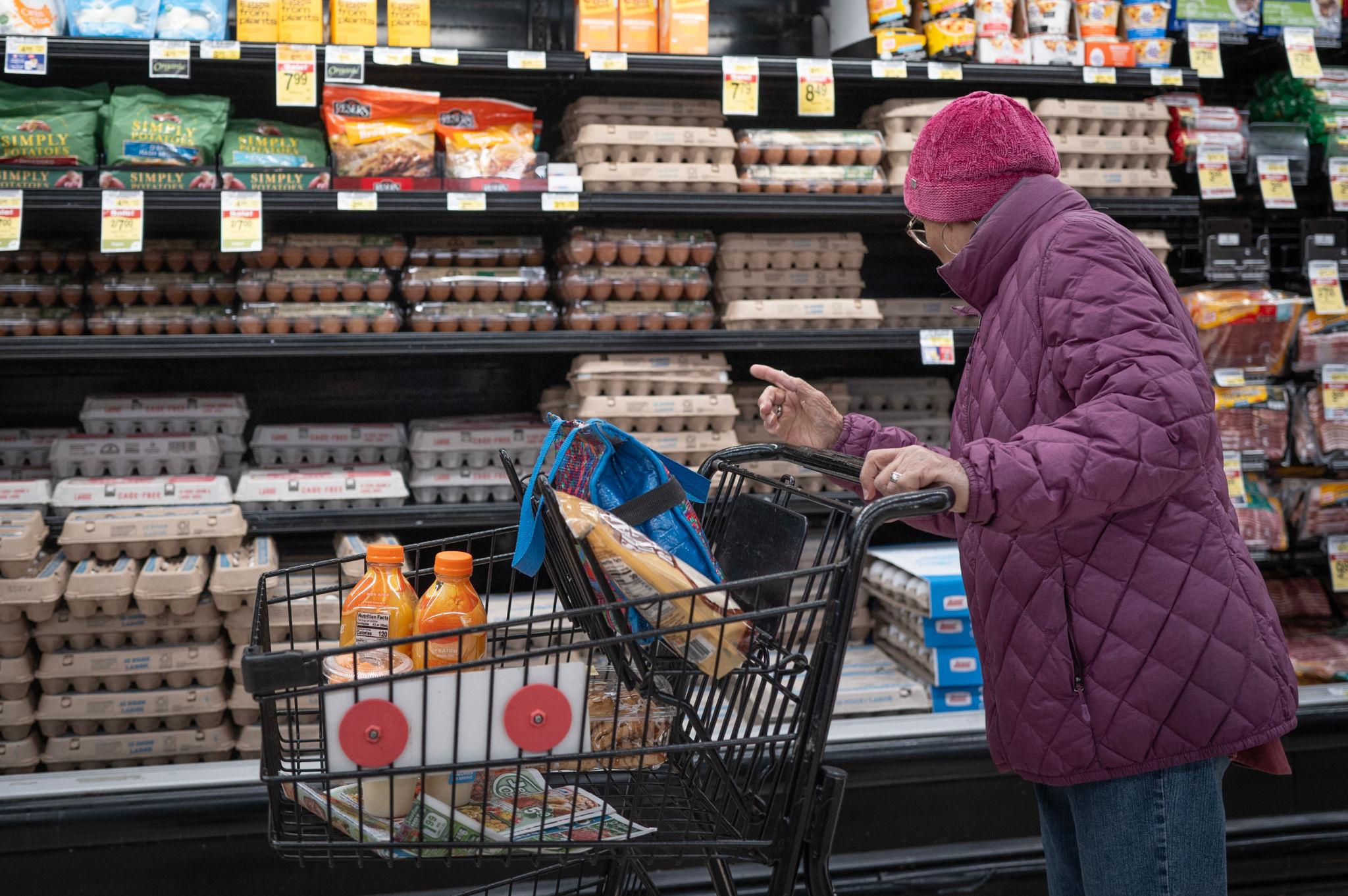
Eggs have become one of the most watched food prices in America.
They are simple.
They are common.
They sit inside home cooking, diners, breakfast sandwiches, omelettes, baking and restaurant menus. When egg prices jump, consumers understand it instantly.
A 4.3% monthly rise in egg prices is not just a statistic.
It changes the feeling of the grocery aisle.
Families that buy eggs every week notice the shelf price. Restaurants notice the input cost. Breakfast cafés notice the margin pressure. Customers notice when the omelette costs more than expected.
Eggs are not luxury.
That is why their price matters emotionally.
When basics feel unstable, confidence weakens.
Coffee Is More Complicated
Coffee tells a different story.
Reuters reported that coffee prices declined 2.0% in the U.S. CPI data for June, helping bring down the nonalcoholic beverage category.
But consumers may not feel full relief at the café counter.
That is because the price of a morning coffee is not only the bean. It includes rent, labour, packaging, energy, equipment, delivery fees, payment costs and the premium that cafés charge for convenience.
A bag of coffee may move one way.
A flat white at a café may move another.
This is why breakfast inflation feels confusing.
Commodity prices, grocery prices and restaurant prices do not always move together.
The consumer sees only the final bill.
Eating Out Turns Breakfast Into A Luxury Habit
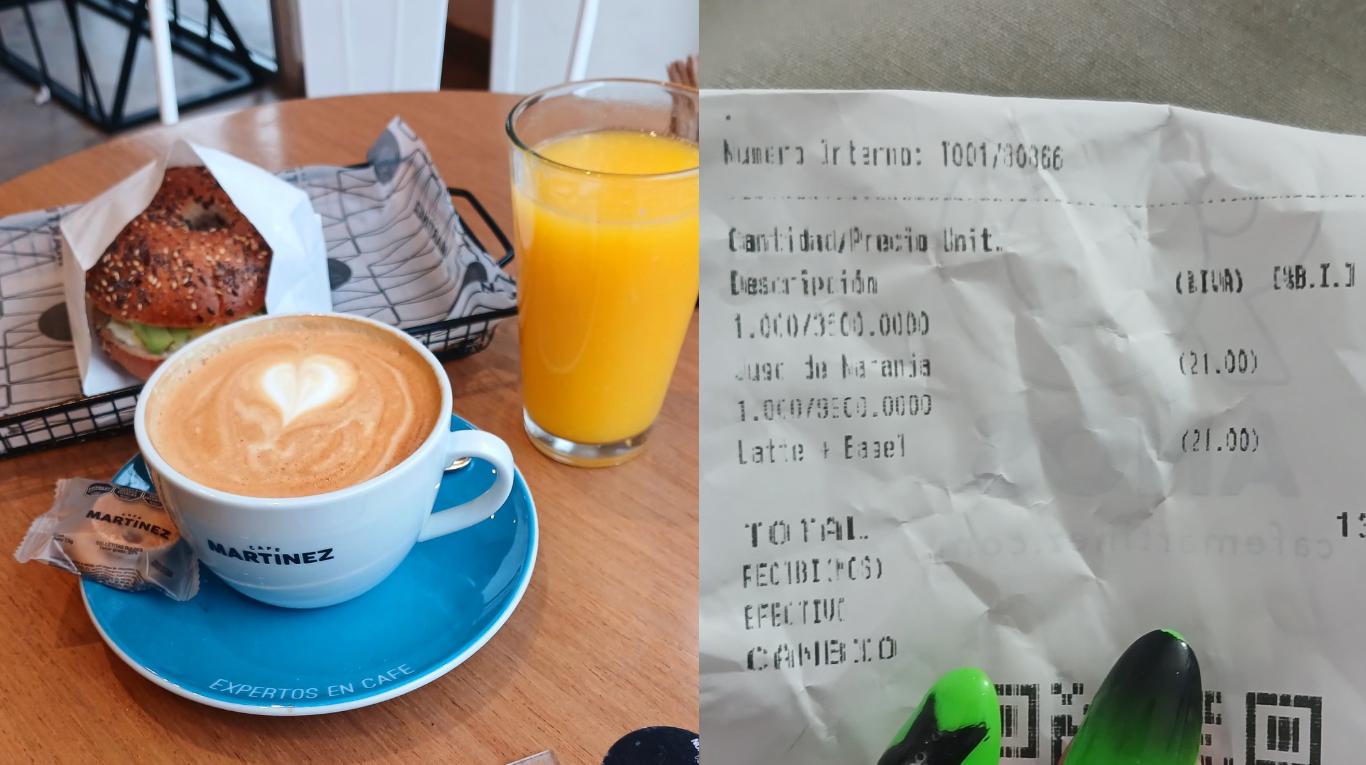
Breakfast outside the home used to be one of the affordable pleasures.
A quick coffee.
A bagel.
A sandwich.
A diner plate.
A casual meeting.
But eating out has become more expensive because restaurants face more than food costs. They face higher wages, rent, utilities, insurance, packaging, delivery-platform fees and credit-card costs.
That changes the morning economy.
A worker who once bought coffee daily may start making it at home.
A family that once went out for weekend breakfast may cut back.
A student may skip the café.
A commuter may bring food from home.
Breakfast becomes the first place households quietly reduce spending.
Not because they stop living.
Because they start calculating.
The Breakfast Basket Shows Inflation Psychology
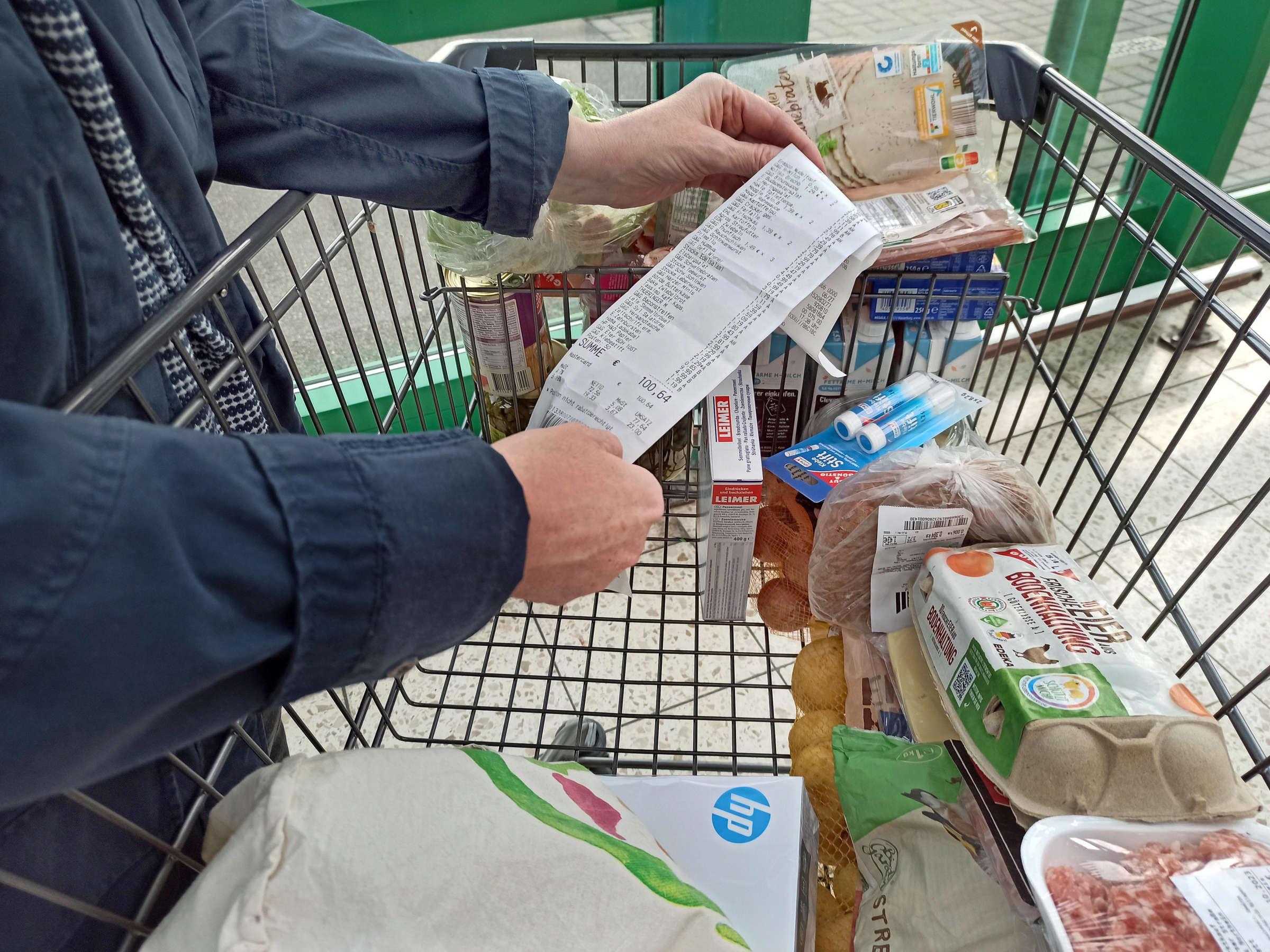
Inflation is not only measured by official indexes.
It is measured by habits.
When people start comparing egg prices, switching brands, skipping cafés, sharing restaurant bills more carefully or questioning the price of a basic breakfast sandwich, inflation has entered behaviour.
That matters for the economy.
Households rarely change everything at once. They trim small daily expenses first. Coffee becomes home-brewed. Brunch becomes occasional. Premium yogurt becomes store brand. Delivery breakfast disappears.
The morning routine becomes a budget line.
That is how price pressure spreads from data into lifestyle.
Restaurants Face A Margin Trap
Breakfast restaurants face a difficult problem.
If input costs rise, they need to protect margins. But if menu prices rise too much, customers push back. Breakfast has a psychological price ceiling because people still think of it as a simple meal.
That creates a trap.
Restaurants may reduce portion sizes.
They may simplify menus.
They may charge extra for sides.
They may raise coffee prices.
They may cut labour hours.
They may push higher-margin items.
But customers notice.
A breakfast plate is easy to compare. People know what eggs, toast and coffee used to cost. That makes menu inflation more visible than in complex meals.
Breakfast gives restaurants less room to hide price increases.
Dairy Adds Another Layer
Dairy is another pressure point.
Reuters reported a 1.2% rise in dairy prices in June’s U.S. grocery data.
That matters because dairy is deeply embedded in breakfast.
Milk.
Butter.
Cheese.
Yogurt.
Cream.
Cappuccino foam.
Pastries.
Cereal.
Breakfast sandwiches.
A dairy rise does not stay in one product. It moves across the morning basket. It affects cafés, bakeries, supermarkets and households.
For families with children, dairy prices are especially visible because milk and yogurt are recurring purchases.
Small increases add up when the product is bought constantly.
The Breakfast Trade-Down Is Real
When breakfast gets expensive, consumers do not always stop buying.
They trade down.
They move from café coffee to home coffee.
From branded cereal to private label.
From restaurant omelettes to eggs at home.
From fresh juice to water.
From premium bakery items to supermarket bread.
From daily breakfast out to Friday-only treats.
This is not dramatic in one household.
Across millions of households, it changes demand.
Companies then have to compete for a more selective consumer. Brands that once relied on routine purchases must prove value again. Restaurants that relied on daily traffic must work harder for repeat visits.
The morning customer is becoming more disciplined.
Breakfast Is A Class Divide
Breakfast inflation also exposes inequality.
For higher-income consumers, a more expensive café breakfast may be annoying but manageable. For lower-income households, higher egg, dairy and bread prices can force real trade-offs.
A family cannot easily skip breakfast for children.
It may switch products, reduce variety or choose cheaper calories.
That is where food inflation becomes a social issue. It affects nutrition, school routines, work energy and family stress.
The breakfast table looks ordinary.
But it can reveal who has financial room and who does not.
Coffee Shops Become Economic Barometers
Coffee shops are more than places to drink coffee.
They are local economic sensors.
If people still buy daily lattes, confidence may be strong. If customers shift to cheaper drinks, come less often or stop adding food items, café owners see the pressure before official data catches up.
That makes the café economy useful to watch.
Morning transactions are frequent, small and habit-driven. When habits change, it suggests consumers are adjusting.
A coffee shop does not need to run a macroeconomic model.
It can read the line at 8 a.m.
Food Prices And Energy Are Connected
The breakfast basket is also exposed to energy.
Oil prices affect transportation, logistics, packaging and some agricultural costs. Reuters has reported renewed concern that Middle East tension and higher oil prices could complicate the inflation outlook after June’s CPI data.
That connection matters.
Breakfast does not arrive magically at the store.
Eggs, milk, coffee, bread, fruit and packaging all move through supply chains. If energy costs rise, pressure can reappear later even if one month of data looks calmer.
Consumers may see breakfast as food.
Businesses see transport, labour and inventory.
The Official Data May Feel Better Than Real Life
One reason consumers distrust inflation headlines is the gap between monthly movement and lived price levels.
A product can fall this month and still be much more expensive than it was two or three years ago. That is why people may hear that inflation is moderating and still feel no relief.
Breakfast is a perfect example.
If coffee falls in one month, the café bill may not fall.
If eggs rise after earlier volatility, consumers remember the entire period of instability.
If dairy increases modestly, families still feel the cumulative cost.
Inflation slowing does not mean life feels cheap again.
It means prices are rising less quickly.
That distinction matters.
Breakfast Habits Are Hard To Change
People are emotionally attached to breakfast routines.
The same coffee order.
The same bakery.
The same weekend table.
The same cereal for children.
The same office breakfast sandwich.
That is why price pressure hurts. It forces people to rethink habits that feel personal and automatic.
Changing dinner plans may be easier because dinner is already flexible.
Changing breakfast feels like changing the start of the day.
This is why breakfast inflation has a psychological punch beyond its financial size.
It touches identity, rhythm and comfort.
Brands Must Defend Value
Food brands and restaurants now face a clear challenge.
They must defend value.
Not only price.
Value.
Consumers may accept higher prices if they trust the quality, portion size, convenience or experience. They become angry when prices rise and the product feels smaller, weaker or less generous.
This is where breakfast brands can lose loyalty.
A smaller muffin.
A weaker coffee.
A more expensive egg sandwich.
A confusing surcharge.
A lower-quality ingredient.
Consumers may forgive one change.
They will not forgive feeling cheated.
The Breakfast Economy Is Still Powerful
Despite the pressure, breakfast remains a major business opportunity.
People still need to eat.
Workers still need convenience.
Families still need routine.
Cafés still provide social space.
Restaurants still attract weekend crowds.
The winning businesses will be those that combine affordability, speed, quality and trust. They may offer simpler menus, bundled deals, loyalty programmes, family-friendly pricing or clearer value options.
Breakfast is not disappearing.
It is becoming more competitive.
The customer is still there.
But the customer is watching the bill.
The Bottom Line
Breakfast Price Pressure shows how inflation becomes personal.
Reuters reported that U.S. grocery prices rose 0.2% in June, with eggs up 4.3% and dairy up 1.2%, even though coffee prices declined on the month.
That mixed picture explains the mood.
Some items ease.
Some basics rise.
Restaurants still face labour, rent and operating costs.
Consumers still feel that the morning routine is more expensive than it used to be.
Breakfast used to be the small meal.
Now it is a big signal.
When coffee, eggs and eating out become expensive, households do not need a chart to understand inflation.
They see it on the receipt.